







Cuba’s Stand on May Day
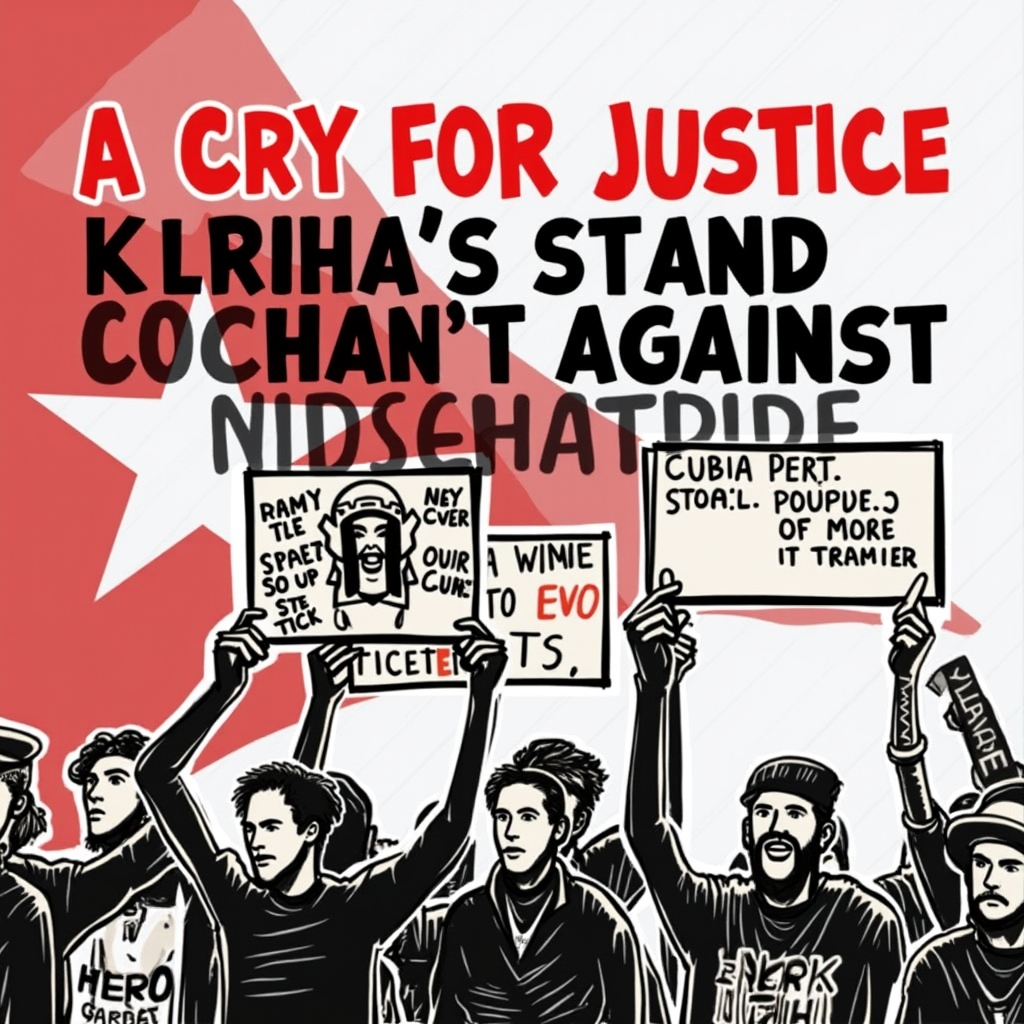
Every May 1st, countries worldwide commemorate International Workers’ Day, celebrating the contributions of workers and highlighting labor issues. This year, Cuba’s May Day observance carried a distinct tone, as Cuban officials strongly condemned U.S. sanctions, labeling them a form of ‘collective punishment.’ The island nation’s leaders and citizens unified in a vibrant display of solidarity, marking the occasion with rallies that reverberated with fervent calls for economic and social justice. The U.S. embargo, a long-standing thorn in the side of Cuba’s economic prospects, has once again come under fierce scrutiny amid global economic uncertainties and the ongoing impact of the coronavirus pandemic.
Unpacking the Sanctions
The sanctions imposed by the United States, officially termed as an embargo, have been a pivotal point of contention between the two countries for over six decades. Designed initially to punish the Cuban government post-revolution, these measures have had a profound economic impact on the everyday lives of Cuban citizens. The restrictions limit trade, investment, and access to essential goods and services, hindering economic growth and development. Critics argue that these sanctions disproportionately affect ordinary Cubans, restricting their access to food, medicine, and other necessities, essentially treating the populace as collateral damage in a geopolitical standoff.
A Comprehensive Perspective
From a broader perspective, the Cuban government’s protests against the sanctions highlight a complex geopolitical landscape where economic measures are often wielded as instruments of political leverage. The repercussions extend beyond economic deprivation; they influence Cuba’s political discourse and international relations. For instance, the sanctions arguably strengthen Cuba’s alliances with countries like Russia and China, who see in Cuba a partner that shares a disdain for Western-centric policies. Moreover, by emphasizing the punitive nature of this economic blockade, Cuba seeks to garner international sympathy and support, appealing to global institutions and nations advocating for equitable economic practices.
The Humanitarian Angle
It is important to delve into the humanitarian implications of the U.S. embargo from an ethical standpoint. The international community, including organizations such as the United Nations, has often criticized the sanctions for their moral and ethical implications. Regular reports highlight the plight of Cubans facing shortages and inflated prices for food and medical supplies. The sanctions exacerbate the challenges already presented by Cuba’s centrally planned economy, which struggles with efficiency and productivity issues. As Cuba battles these economic hardships, voices from within and outside the island increasingly call for a rethink of policies that prioritize political power plays over human welfare.
In conclusion, Cuba’s proclamation during the May Day marches brings a renewed focus on the enduring effects of U.S. sanctions. The situation calls for a reconsideration of the methods used in international diplomacy and policy—one where economic measures are not weaponized at the expense of human rights and development. As we observe Cuba’s ongoing struggle, it emphasizes the need for dialogue over confrontation, highlighting a universal plea for policies that uplift rather than punish. These marches serve as a stark reminder that behind every geopolitical manoeuver lies a human cost, urging leaders to look beyond political barriers and prioritize humanitarian principles.