




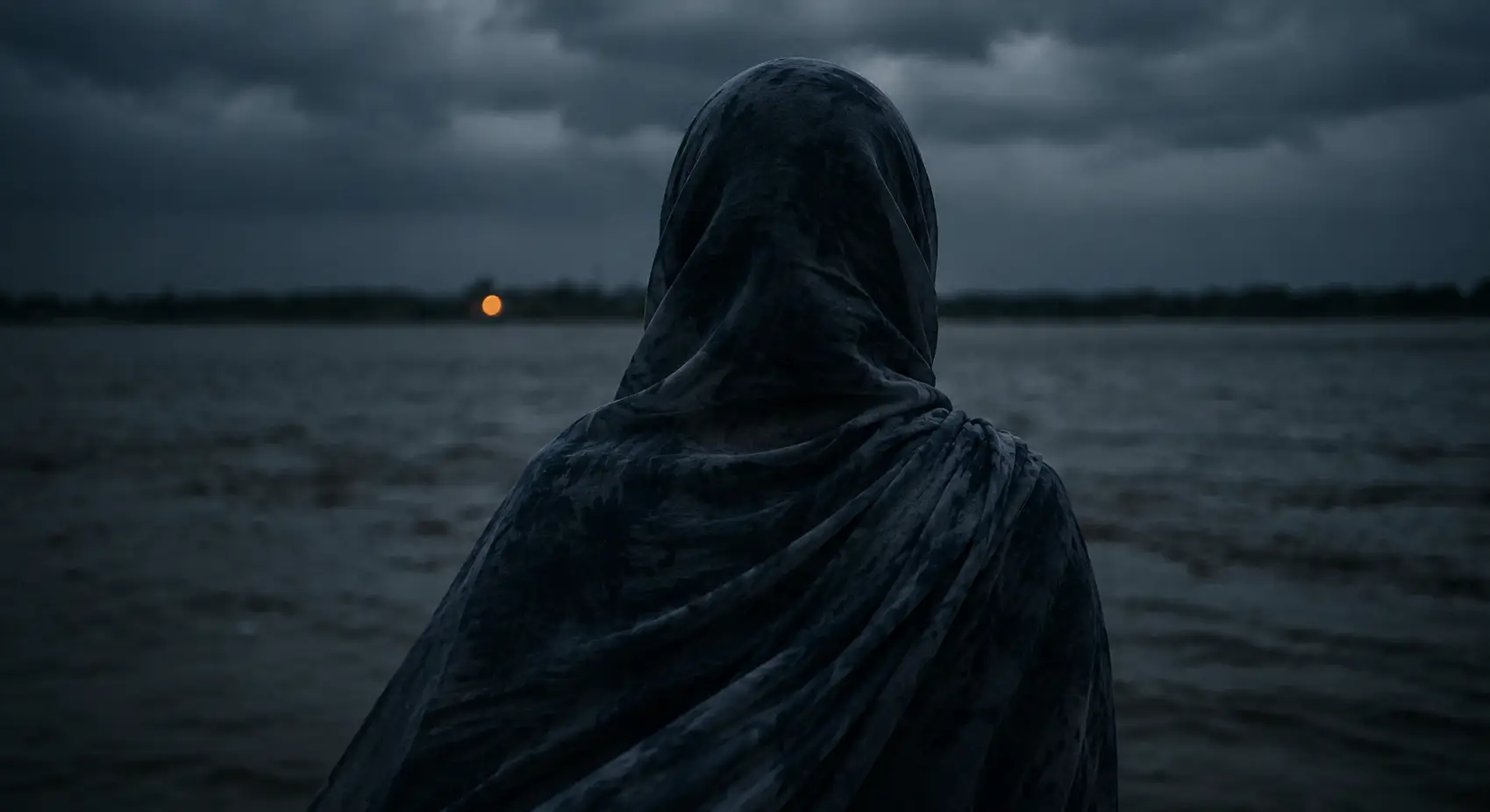

Rohri, Sindh. The middle of the night. The waters of the Indus River dark and deep. A woman a mother of two crosses that river alone to save her own life. Her legs are trembling. Her breath is uneven. But her eyes hold one single thing: the will to survive.
She reaches the police station. She knocks on the door. And she says the words that should shake any human being to their core:
“Save me. I want to stay alive.”
This is the story of Gullan Bhaaro. And it is not just the story of one woman it is a mirror held up to our entire society.
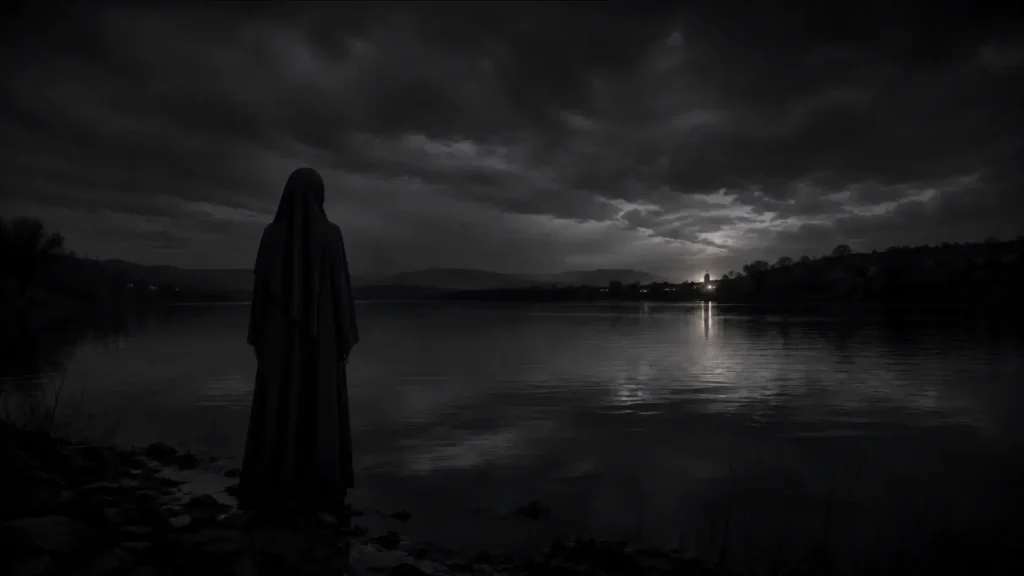
Crossing the River Was the Easy Part
Gullan crossed the Indus River. Alone. In the dark. In the middle of the night. She had fled from the very people whose blood ran through her veins people who wanted her dead. And when she arrived at the police station, when she asked for protection, perhaps she believed she was finally safe.
But in this country, rivers are not the only thing you have to cross. The system is its own river. And that river runs far deeper.
What happened in court next is something that silences you when you hear it.
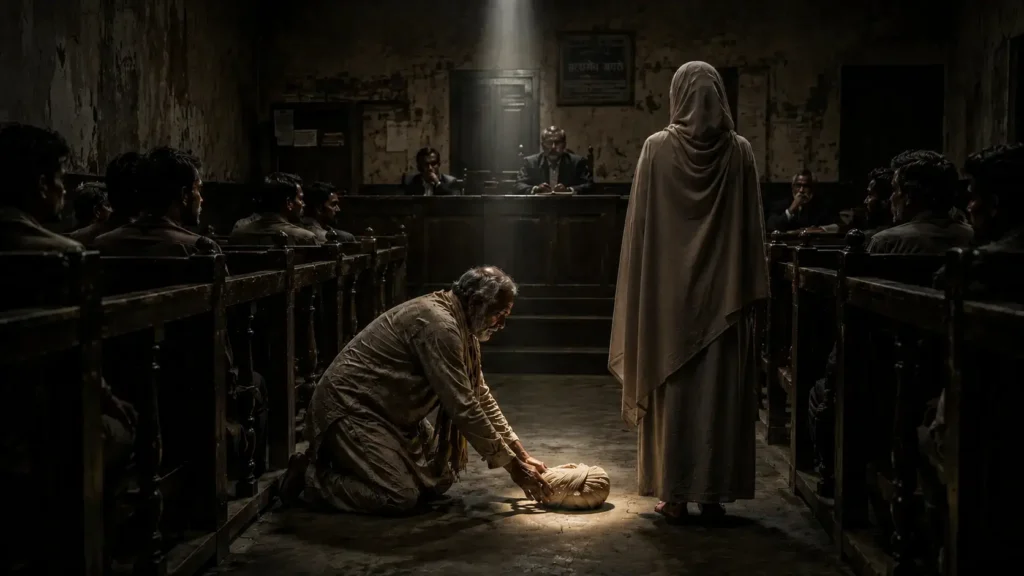
Gullan’s own father the man who brought her into this world placed his Paghri, his turban, at her feet in the middle of the courtroom. And he said:
“Save our honor.”
Think about that for just one moment. A father is kneeling before his daughter not to ask for her forgiveness, not to protect her. He is asking for her silence. He is asking for her death.
What Kind of Honor Is This?
I want to ask this question and I believe every single person who uses the words “honor” and “ghairat” to justify bloodshed needs to answer it:
What kind of fragile honor is it that crumbles the moment a daughter asks for her rights?
Honor is the dignity of a human being. Honor is the respect for someone’s soul. Honor exists when you treat a person as a person acknowledge their dreams, their life, their right to exist. But when a father says “daughter, die rather than speak up” that is not honor. That is oppression. That is not ghairat. That is fear. Fear that a woman dared to raise her voice. Fear that a woman decided she wanted to live on her own terms.
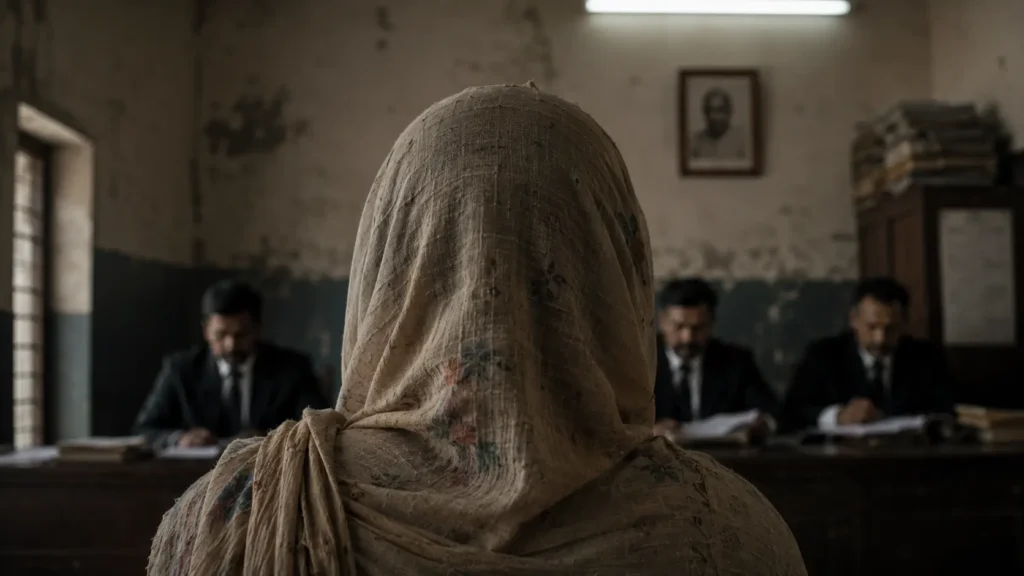
Gullan Bhaaro stood in that courtroom and gave testimony about her own murder before it happened.
She said: “I know they will kill me.”
And in that room in that court of law everyone heard her. And still… nothing was done.
One Signature. Twelve Days.
A paper was signed. Someone picked up a pen. And Gullan Bhaaro was sent away handed back to the very people who had planned her death.
Just twelve days later… Gulna’s body was found.
Twelve days. That is all it took. For a system, for a father, for a concept of “honor” to end a life.
And here we are. Drinking our tea. Scrolling through reels. Busy with our own lives.
I do not know what Gullan’s two children thought in those days. Perhaps they were too young to understand. Perhaps nobody told them anything. But one day they will grow up. And they will ask: “Who killed our mother?”
What will we tell them?
What Does Islam Actually Say? Let Us Remember.
Some people call this “our culture.” Some call it “our religion.” So let us look at the religion itself.
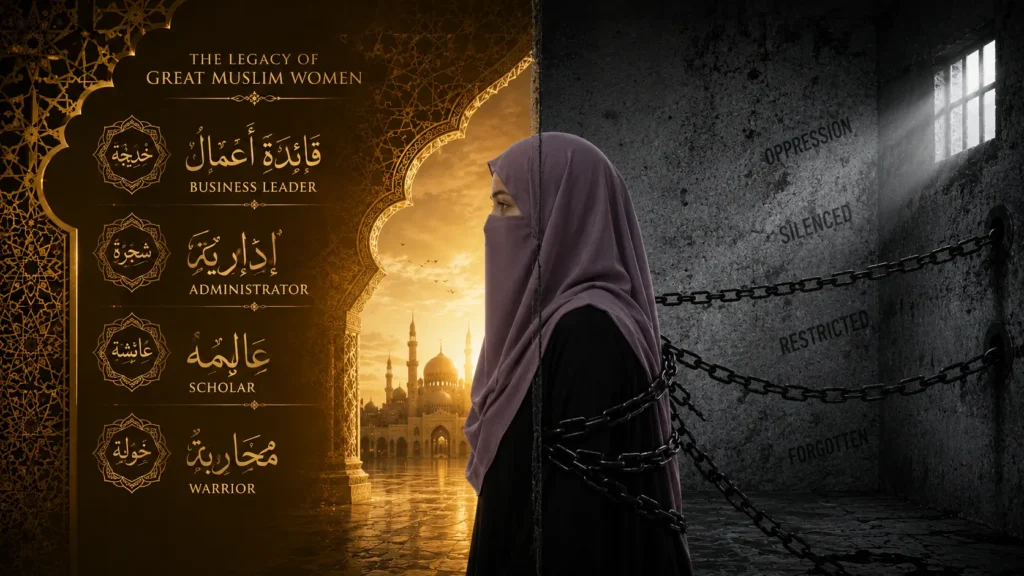
Hazrat Khadija (R.A.) the very first Muslim woman was the most successful businesswoman in all of Makkah. She ran her own trade caravans, made her own decisions, and it was she who sent the proposal of marriage to the Prophet ﷺ herself. Was this woman trapped behind walls in the name of honor? No.
Hazrat Shifa (R.A.) was appointed by Hazrat Umar Farooq (R.A.) as the Market Administrator of Madinah. A woman — in a position of public authority and governance. Did honor collapse then? No.
Hazrat Umm-e-Amara (R.A.) fought on the front lines at the Battle of Uhud. She received wounds while shielding the Prophet ﷺ himself. Was she told to stay home and be silent? No.
Hazrat Ayesha Siddiqua (R.A.) through whom half of our religious knowledge, thousands of narrations, and the details of an entire way of life reached us. A woman who was a Scholar, a Teacher, and a Leader. Was she silenced? No.
And the Prophet’s ﷺ lineage carried forward until the Day of Judgment runs through his daughter, Hazrat Fatima (R.A.).
So what version of Islam suppresses women? It is not Islam. It is male insecurity dressed in religious clothing.
1,400 Years And We Have Not Changed
Fourteen hundred years ago, in the age of ignorance, daughters were buried alive. Islam came and said: No. This is ignorance. This is forbidden.
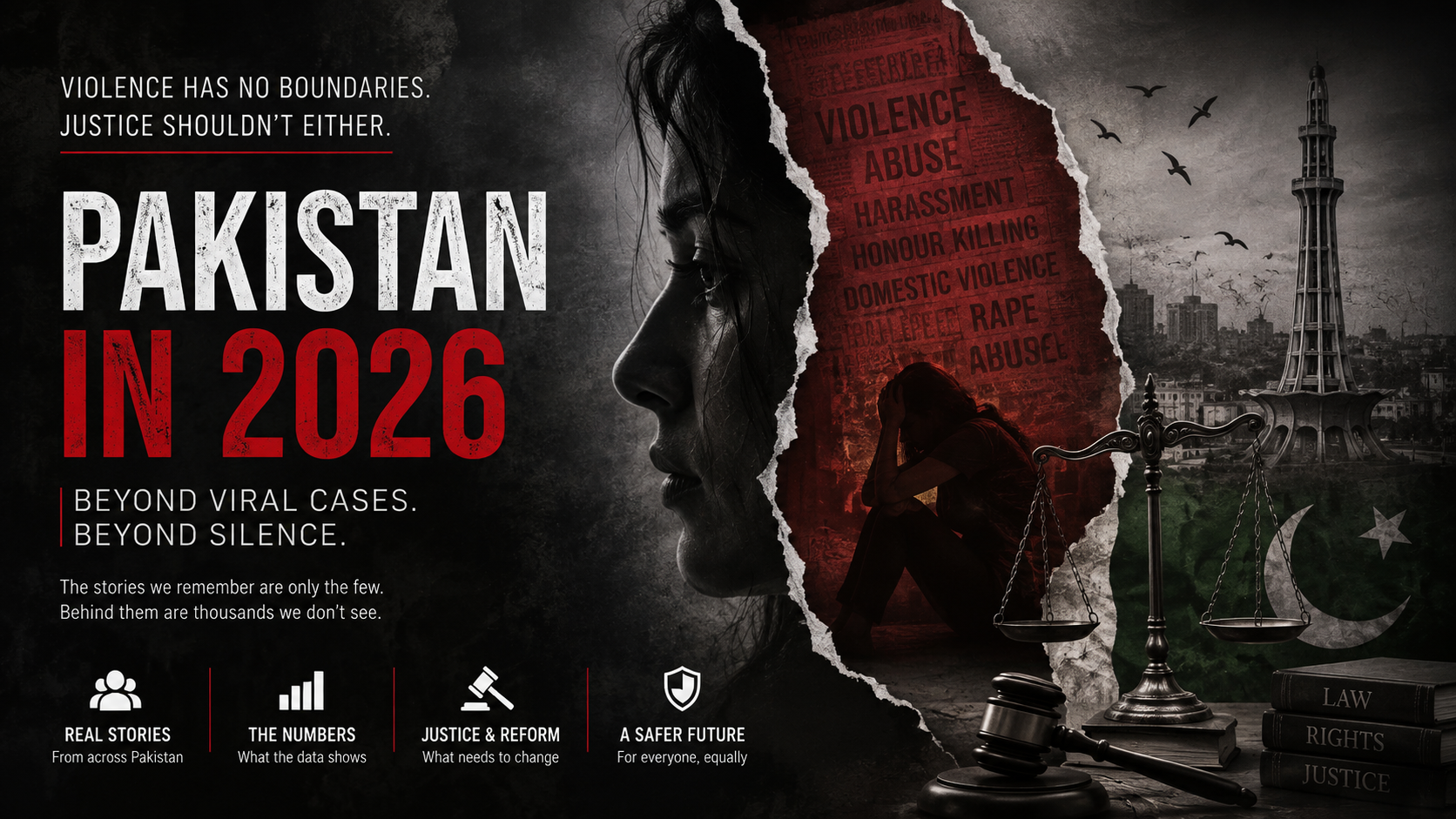
Today, in 2026, what are we doing?
Gullan Bhaaro was shot dead.
We have not changed. We have only become crueler. Because now we do not even bury them quietly we kill them in broad daylight. In courtrooms. Outside police stations. In front of the entire system. And the entire system looks away.
This violence does not only happen to Gullan. It happens to every girl who is told:
“Keep your mouth shut.” “What happens in the home stays in the home.” “He is your husband. He is your father. Who are you to question?”
And slowly, gradually, that girl begins to silence herself. On her own. Without anyone even needing to force her.
Gullan’s Legacy And Our Responsibility
Gullan Bhaaro’s murder was not just one death.
It was the funeral of our false pride.
It was the funeral of a system that listened to a woman beg for her life, stamped a piece of paper, and handed her back to her killers.
It was the funeral of lawmakers who have laws on paper but neither the courage nor the will to enforce them.
But and I need to say this it is also the story of Gullan’s life. A woman who crossed a river. Who walked into a police station. Who stood up in a courtroom and said: “I want to live.” She fought until the very last moment. She never stopped.
And that is why her name will live on.
Gullan Bhaaro your story is not over. It has only just begun.
A Final Word
If you read this and feel the pain in your chest for just a moment, then move on Gullan will not get justice.
Justice requires a voice. It requires sharing. It requires difficult conversations at home, with friends, with family.
It requires asking out loud: Our honor is not built on a woman’s death. It is built on a woman’s dignity.
This is the moment to decide what kind of people we want to be.