







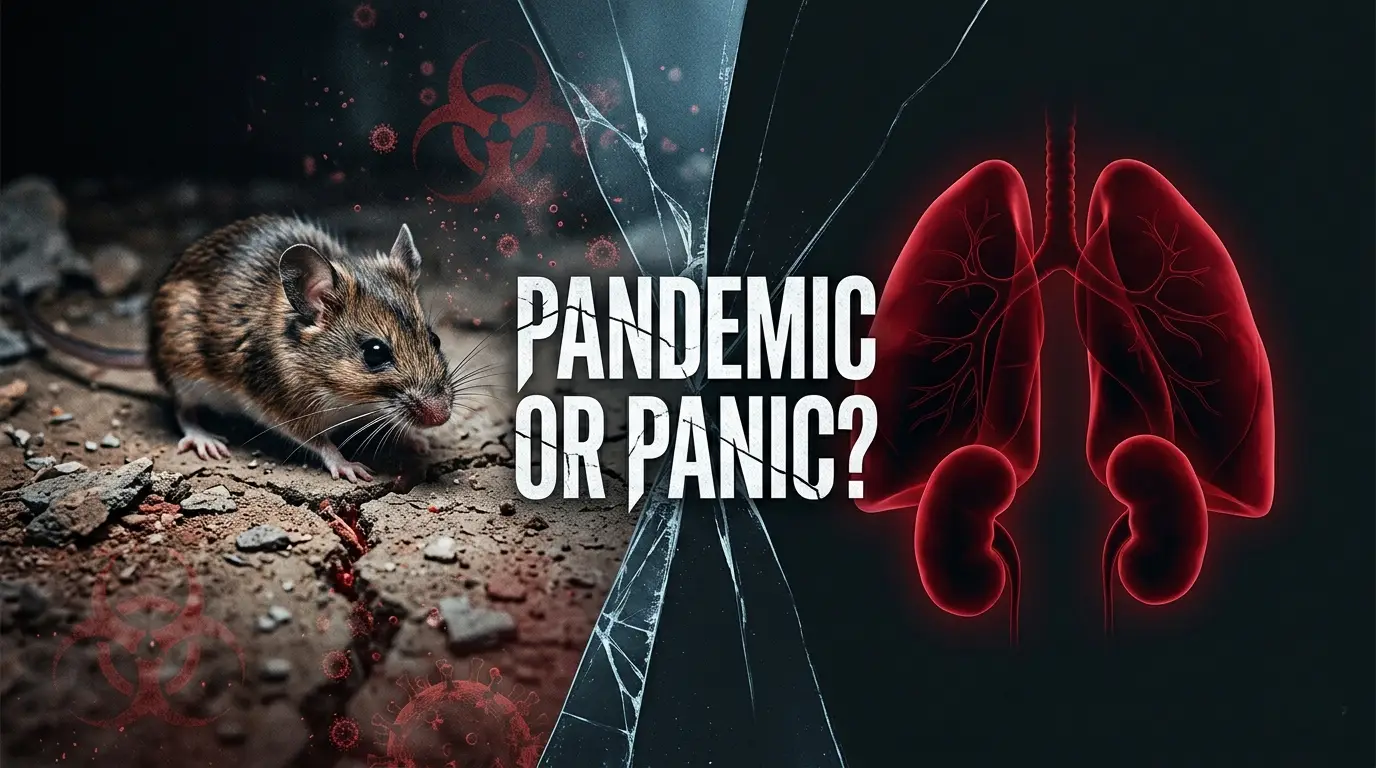

Every few years, a new name surfaces on social media timelines, and within hours, it transforms from a medical term into a global fear. In May 2026, that name was Hantavirus. When cases and tragic deaths were reported aboard the MV Hondius cruise ship, the internet did what it does best it panicked. COVID-19 flashbacks flooded comment sections, and suddenly, a virus that has existed for decades was being treated like the next apocalypse. But as responsible journalists, our job is not to amplify fear. Our job is to decode the facts.

WHAT EXACTLY IS HANTAVIRUS?
Hantavirus is not new. It has been lurking in rodent populations for centuries, occasionally jumping to humans who come into direct contact with infected animals or their waste. What makes it particularly alarming is its mortality rate and yes, that number is real. Hantavirus can kill up to 36% of those it infects. To put that in perspective, COVID-19’s case fatality rate, even in its most aggressive waves, rarely exceeded 2 to 3 percent globally. So by that measure alone, Hantavirus sounds catastrophically worse.
But numbers without context are just ammunition for panic.
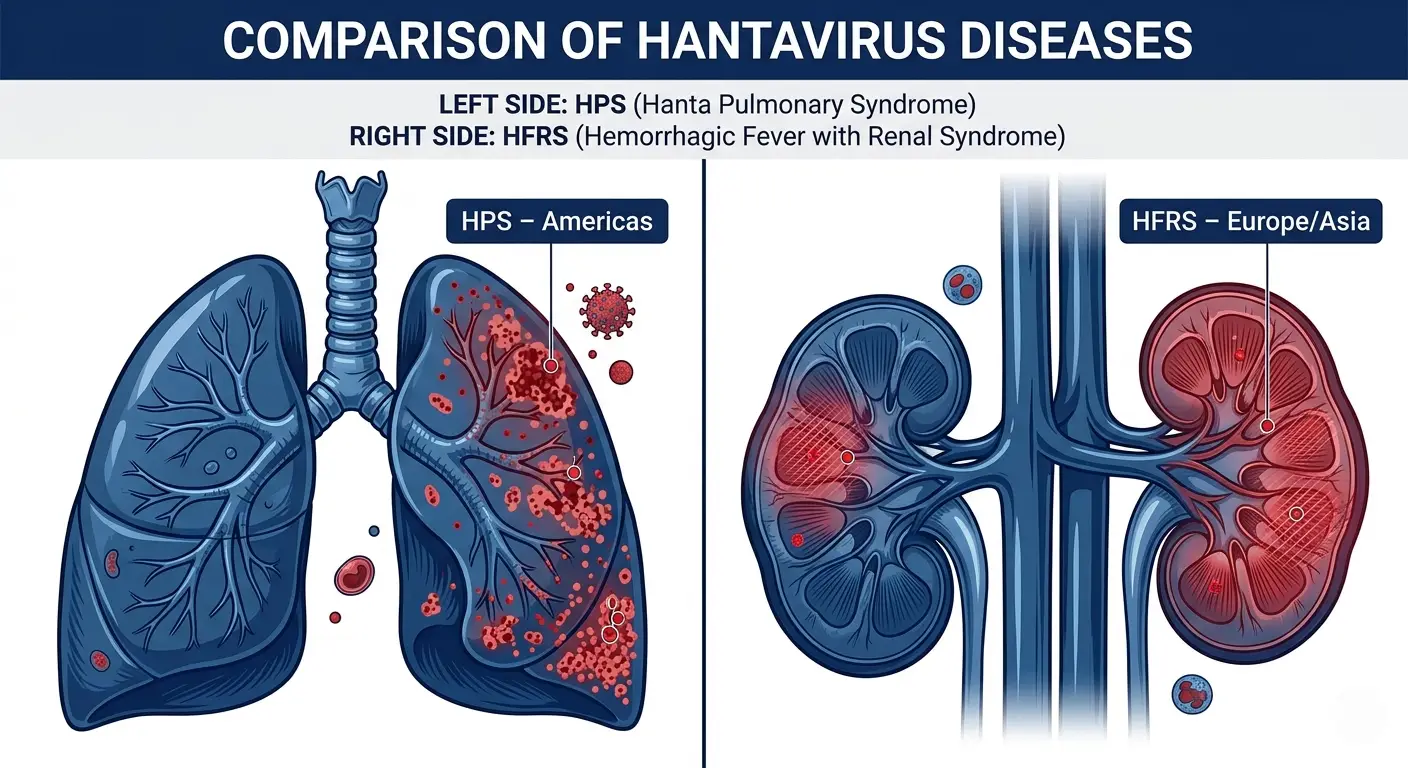
The virus presents itself in two primary clinical forms. In the Americas, it causes Hantavirus Pulmonary Syndrome (HPS) a brutal respiratory illness that attacks the lungs, floods them with fluid, and can cause complete respiratory failure within days. In Europe and Asia, the dominant form is Hemorrhagic Fever with Renal Syndrome (HFRS), which targets the kidneys and can lead to acute renal failure. Both are serious. Neither should be dismissed. But understanding these two distinct syndromes is what separates credible health reporting from social media sensationalism.
WHY HANTAVIRUS CANNOT CAUSE A GLOBAL PANDEMIC
Here is the part that content creators conveniently leave out of their viral reels. Yes, Hantavirus is deadly. But deadly and pandemic-capable are two entirely different things.
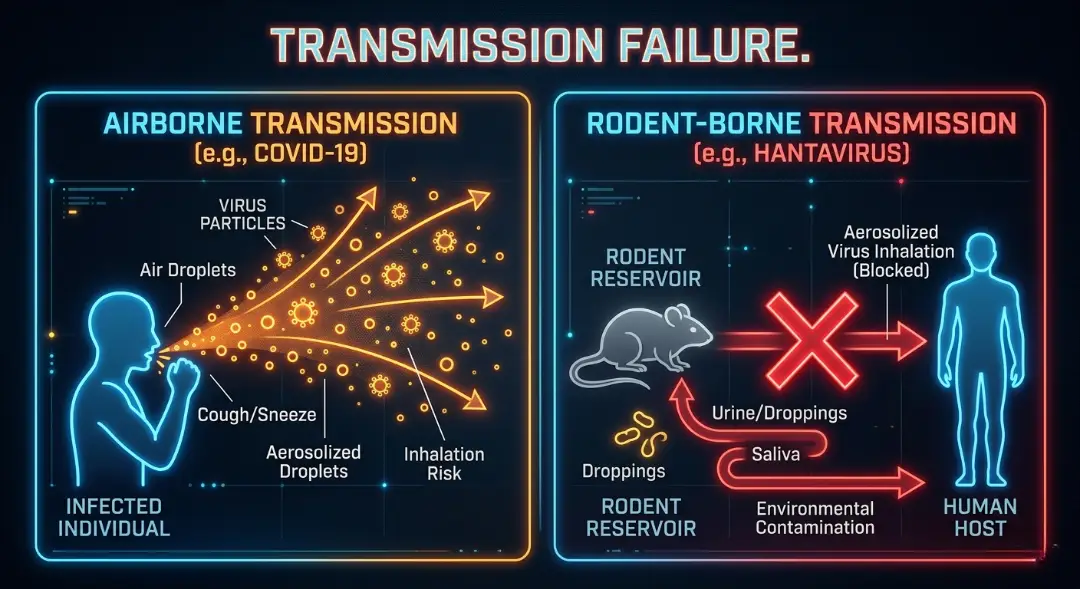
The fundamental driver of any pandemic is transmission. COVID-19 spread because it was airborne one infected person could cough or breathe in a crowded room and infect dozens. Hantavirus does not work that way. In almost all known strains, the virus requires a very specific and direct route of transmission: a human must inhale aerosolized particles from the dried urine, saliva, or feces of an infected rodent. This means that unless you are physically present in a contaminated environment think abandoned barns, rural storage facilities, or spaces heavily infested with deer mice your risk of exposure is negligible.
There is no casual transmission. There is no sneezing-on-a-bus scenario. There is no elevator encounter that turns deadly. The virus’s own biology works against it becoming a pandemic pathogen.
DECODING THE CRUISE SHIP OUTBREAK
So how did Hantavirus appear on a cruise ship in May 2026, seemingly spreading among passengers?
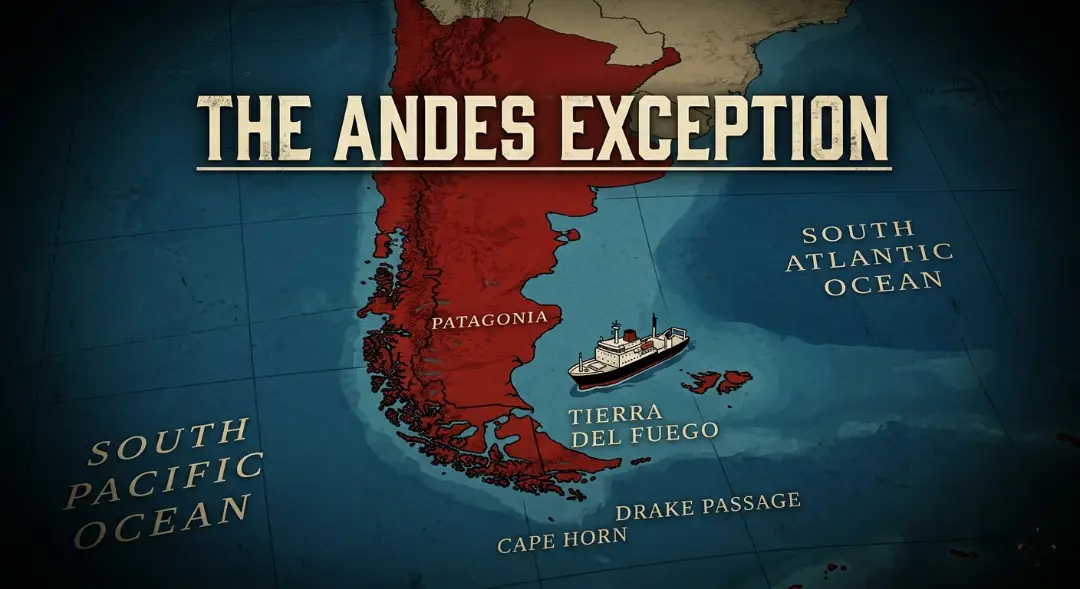
This is where the story becomes genuinely fascinating and where scientific nuance matters most. According to the World Health Organization, among all known strains of Hantavirus, only one the Andes Virus, found in South America has demonstrated the ability to spread from human to human. Every other strain remains locked in its rodent-to-human pathway.
And even with the Andes Virus, transmission is not casual. It requires prolonged, intimate contact involving direct exposure to bodily fluids. Sitting near someone at dinner will not do it. Sharing a hallway will not do it. The MV Hondius outbreak, traced to the Andean region of South America, represented a rare and geographically specific anomaly not evidence of a new global threat.
Epidemiological models confirm this. The basic reproduction number (R0) of Hantavirus the measure of how many people one infected person will go on to infect sits below 1.0. Any R0 under 1 means the outbreak naturally fades. By comparison, the original COVID-19 strain had an R0 of approximately 2.5 to 3. Hantavirus simply does not have the biological machinery to sustain widespread human-to-human chains of transmission.
THE REAL THREAT: FOR WHOM SHOULD THIS BE A WARNING?
None of this means Hantavirus should be ignored. For specific populations, it represents a very real and serious danger.
People living in or working around rural areas with high rodent populations particularly in the Americas, Europe, and Asia face genuine exposure risk. Agricultural workers, hikers camping in wildlife-dense regions, and individuals living in poorly maintained structures where rodent infestations go unchecked are the true vulnerable demographics. For them, Hantavirus is not a headline. It is a health hazard that demands prevention protocols: sealing food storage, using proper protective equipment when cleaning rodent-infested spaces, and seeking immediate medical care at the first symptom of unexplained fever, fatigue, or respiratory distress.

THE BOTTOM LINE
Hantavirus is a serious, localized threat one that deserves scientific attention, proper public health education, and support for affected communities. But it does not have the evolutionary architecture of a pandemic pathogen. It cannot spread freely through the air. It cannot sustain itself in human-to-human chains at scale. And a single outbreak aboard a cruise ship, however tragic, is not the prologue to another global lockdown.
The real virus spreading right now is not biological. It is informational. Misleading headlines, out-of-context statistics, and panic-driven content are the transmission vectors of mass anxiety and they are far more contagious than Hantavirus will ever be.
Stay informed. Stay critical. And when the next headline tries to terrify you, ask the one question every good journalist asks first: What is the full story?
For fact-checked, unbiased, and research-backed digital journalism follow Elaan Today.
Sources: World Health Organization (WHO) | Centers for Disease Control and Prevention (CDC) | Published Epidemiological Research on Hantavirus Strains