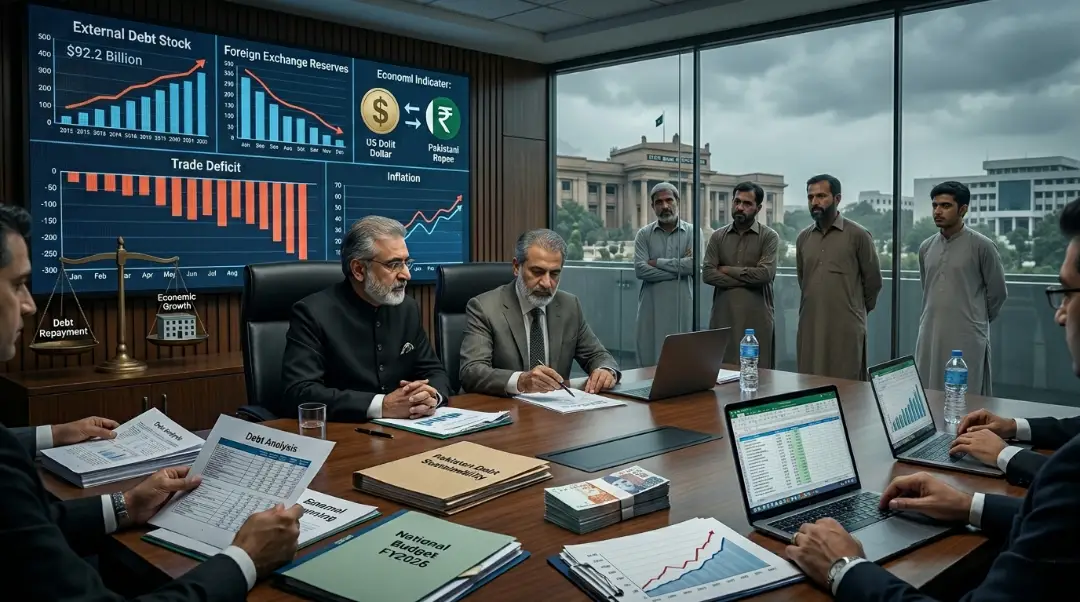
As Pakistan’s external debt is projected to reach a staggering $92.2 billion by March 2026, the nation finds itself in a delicate economic dance, balancing growth with fiscal responsibility. This milestone presents both significant challenges and opportunities for the South Asian country, prompting a closer examination of its economic policies and strategies. The rising debt levels are a reflection of deeper systemic issues that need addressing, while also highlighting areas where strategic investments could spur recovery and development.
Root Causes of the Debt Surge
Understanding the factors contributing to Pakistan’s burgeoning debt is crucial for devising effective solutions. Economic experts point to a combination of domestic challenges and global economic pressures. Domestically, persistent fiscal deficits, a widening trade imbalance, and dwindling foreign reserves have put immense pressure on the economy. Externally, volatile global markets, coupled with rising interest rates and the need to service existing debts, have exacerbated the situation. These factors create a vicious cycle of borrowing and repayment, leaving little room for economic maneuverability.
The Impact on Pakistan’s Economy
The implications of this swelling debt are profound, affecting everything from government spending to the everyday lives of citizens. With a larger portion of the national budget earmarked for debt repayment, essential services like education, healthcare, and infrastructure development could face budgetary constraints. This diversion of funds not only hampers immediate economic growth but also stymies long-term development goals. Furthermore, increased borrowing costs can lead to inflationary pressures, reducing purchasing power and increasing the cost of living for the populace.
Potential Strategies for Debt Management
Despite the challenges, there are viable pathways Pakistan can explore to manage and mitigate its external debt. Crucial among these is the diversification of its economic base to reduce reliance on imports and bolster exports. By strengthening sectors like technology, agriculture, and manufacturing, Pakistan can improve its trade balance and generate more foreign exchange. Additionally, engaging in structural reforms to enhance fiscal policies and governance can improve investor confidence, ultimately fostering more sustainable economic growth.
Conclusion: A Crossroad for Pakistan’s Economic Future
As Pakistan approaches the $92.2 billion debt mark, it stands at a crossroads that will define its economic future. While the road ahead is fraught with challenges, it is also rich with opportunities for transformation. By embracing comprehensive economic reforms and strategic debt management, Pakistan has the potential to not only stabilize its economy but also lay the foundation for a more prosperous future. This journey will require concerted efforts from the government, private sector, and international partners to navigate these turbulent waters together.
Frequently Asked Questions
What are the main causes of Pakistan’s rising external debt?
The main causes include persistent fiscal deficits, a worsening trade imbalance, low foreign reserves, and global economic conditions that impact borrowing costs. Domestic policy inefficiencies also contribute to the need for increased borrowing.
How does increased external debt affect ordinary Pakistanis?
Increased debt can lead to higher taxes, reduced government spending on essential services, and inflation. These factors combine to decrease the purchasing power of ordinary citizens, making everyday life more expensive and challenging.
Can Pakistan manage its debt more effectively?
Yes, through economic diversification, structural reforms, and better fiscal governance. By focusing on boosting exports and attracting foreign investment, Pakistan can improve its economic resilience and reduce reliance on external borrowing.
What role do international organizations play in Pakistan’s debt situation?
International organizations can provide financial assistance, policy advice, and debt restructuring options. Their involvement can help stabilize the economy and support reforms that lead to sustainable growth.
Is there a potential for positive economic change despite rising debt?
Absolutely. With strategic planning and reforms, Pakistan can transform its economic landscape. Focusing on sectors with growth potential and improving governance can create a more robust economic environment and pave the way for a prosperous future.




 Muhammad Abdullah |
June 12, 2026
Muhammad Abdullah |
June 12, 2026