







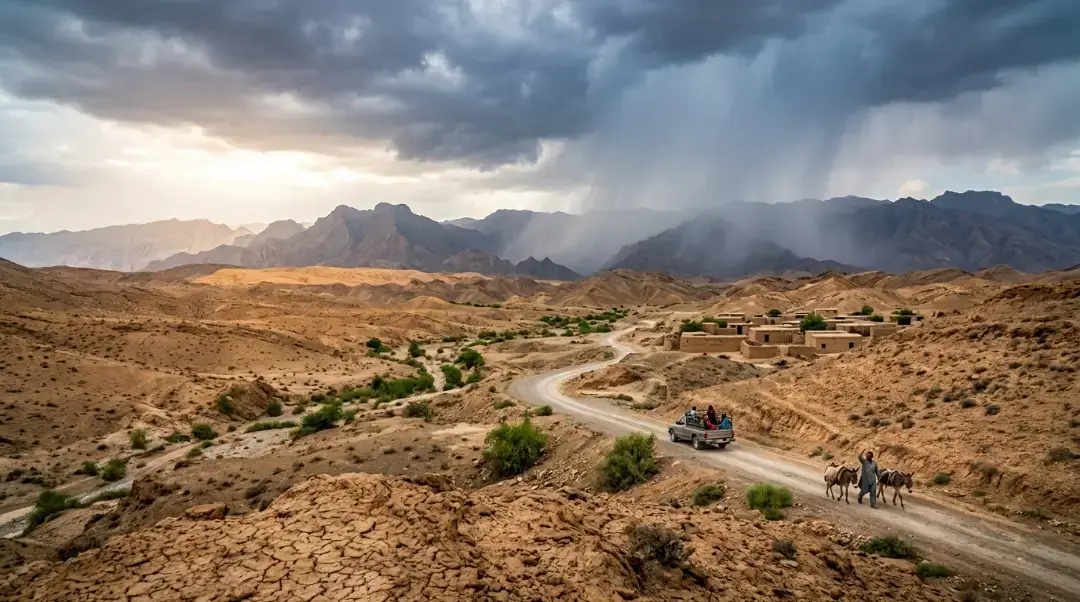

Introduction to Balochistan’s Rain Scenario
As the month of June heralds the dawn of a potential rainy season in Balochistan, the region, known for its arid landscapes and scarce rainfall, waits in anticipation. The Provincial Disaster Management Authority (PDMA) has predicted showers starting from June 4, sparking hope and cautious preparation. These forecasts have initiated conversations among environmentalists, farmers, and local citizens on the potential impacts of this precipitation. In a region that precariously balances on the edge of drought, any rainfall can signify both a blessing and a challenge.
The Significance of Rain in Balochistan
Balochistan, Pakistan’s largest province by area, is characterized by its rugged topography and extreme climatic conditions. The expected rainfall, therefore, is not just a meteorological event but a crucial component of the province’s socio-economic fabric. Agricultural practices, largely reliant on rain-fed systems, stand to benefit immensely from the predicted showers. It promises reprieve for local farmers who struggle under the pressures of water scarcity, potentially increasing crop yields and bolstering food security. Moreover, the replenishment of water sources could have cascading effects on daily life, impacting everything from drinking water availability to ecosystem health.
Challenges Accompanying the Rainfall
However, it’s important to recognize that rainfall in a region unaccustomed to it can also present significant challenges. Balochistan’s infrastructure, which includes roads and sewage systems, is often ill-equipped to handle sudden downpours. Flash floods are a recurring threat, capable of causing widespread damage and displacement. The PDMA has likely initiated precautionary measures and alert systems, but historical precedents show that these efforts can sometimes be overwhelmed by the sheer volume of water. Additionally, the risk of landslides and erosion in hilly areas could disrupt not only transportation and communication networks but also livelihoods and lives.
A Broader Environmental Perspective
Zooming out, these developments in Balochistan fit into larger environmental patterns influenced by climate change. Alterations in global and regional weather patterns may lead to more unpredictable and extreme weather events. For Balochistan, this could mean fluctuations between prolonged droughts and intense rainfall. Understanding these dynamics is crucial for long-term planning and risk management. Environmental scientists and policy makers must work in synergy to develop adaptive strategies that can mitigate adverse effects while maximizing the advantages of increased precipitation.
Conclusion: A Balanced Approach to Weather Readiness
As Balochistan awaits the anticipated rains, the moment calls for a balanced approach that combines enthusiasm for potential gains with vigilance against potential threats. Collaborative efforts involving governmental agencies, local communities, and environmental experts are essential to navigate these complexities. By harmonizing preparations and embracing adaptive strategies, Balochistan can not only survive but thrive and turn this meteorological event into a long-term opportunity for sustainable growth and resilience. Whether it’s through strengthening infrastructure or educating the public, proactive measures today could pave the way for a more secure and prosperous future.