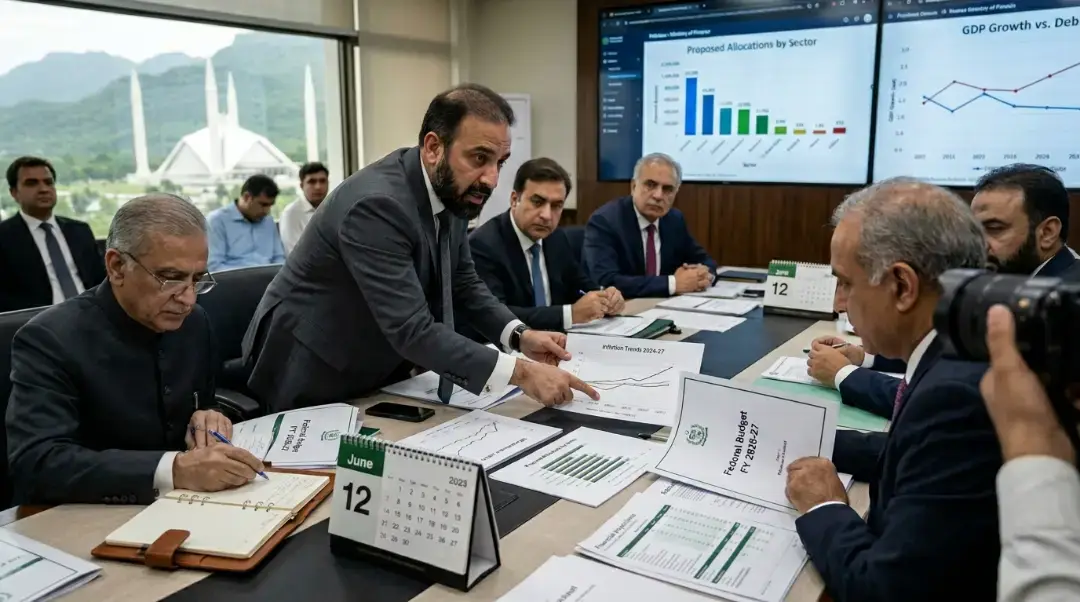
The much-anticipated announcement of the Budget 2026-27 has been tentatively delayed, with new expectations set for June 12th. This delay has stirred discussions across economic circles, leaving businesses, policymakers, and citizens in a state of suspended anticipation. The budget, an annual financial blueprint, plays a crucial role in determining government spending, allocations, and future economic strategies. The delay presents a breadth of challenges and possibilities, particularly in how it might impact various sectors and the overall economic climate of the nation.
Understanding the Implications of the Delay
Delaying a national budget’s presentation disrupts the usual cycle of economic planning and forecasting. Such a shift can signal an array of underlying issues, ranging from administrative restructuring to unexpected economic developments. For businesses, this postponement may trigger uncertainty in planning investments, growth strategies, and operational adjustments. Public sector projects, often reliant on timely budget approvals for funding and continuation, might also face setbacks. This ripple effect could ultimately influence the nation’s GDP growth forecasts and affect confidence from international investors.
Economic Context and Potential Reasons
Understanding the root causes behind the delay can provide valuable insights into broader economic dynamics. Financial policy adjustments are sometimes postponed due to the need for thorough analysis and recalibration in light of fluctuating global and domestic conditions. For instance, any emerging economic trends, such as inflation spikes or trade deficits, may compel policymakers to revisit initial budget assumptions. Therefore, this delay could be a strategic step, allowing the government to align the budget more closely with the reality of the emerging economic situation, thus optimizing its efficacy.
The Potential for Strategic Opportunities
While delays might typically suggest concerns, they could also open the door to strategic opportunities. The extra time offers policymakers a chance to incorporate feedback from various stakeholders, including industry leaders and financial institutions. By engaging in comprehensive dialogues, the government might refine its strategies to address issues such as unemployment, technological innovation, and sustainability. A well-articulated and inclusive budget can pave the way for more resilient economic architectures, even if it arrives later than originally planned.
Conclusion: Preparing for the Future
As we look toward June 12th, the delay in the budget presentation underscores the importance of adaptability in navigating economic complexities. This period provides an opportunity for reflection on how best to align fiscal policies with the evolving demands of the nation and the world. Although the delay may sow seeds of uncertainty, it simultaneously invites an invaluable chance to recalibrate and set a more thoughtful and robust financial course. Stakeholders are encouraged to use this time to anticipate potential impacts, adjust plans accordingly, and engage proactively with policymakers to ensure that the forthcoming budget supports sustainable growth.
Frequently Asked Questions
Why has the budget presentation been delayed?
The delay may be attributed to several factors, including the need for more comprehensive analysis of current economic conditions, and potential adjustments to strategies in response to recent financial developments. It allows for more inclusive stakeholder engagement and consideration of emerging economic trends.
How might the delay affect businesses?
Businesses might experience uncertainty in their planning and investment strategies due to potential changes in financial policies and allocations. They could face challenges in adjusting operational plans and growth forecasts while waiting for the new budgetary guidelines.
Could this delay provide any benefits?
Yes, the delay could provide essential time for thorough policy analysis and stakeholder consultations. This period could lead to a more refined and effective budget, one that might address critical issues more comprehensively and lay down a better foundation for economic resilience.
What sectors might be most affected by the delayed budget?
Public sector projects could be directly impacted due to reliance on government funding. Additionally, industries sensitive to fiscal policies, such as infrastructure and social services, might experience particular pressures or uncertainties.
What should businesses and individuals do in light of this delay?
It is advisable for businesses and individuals to remain vigilant, staying abreast of any government communications or pre-budget discussions. Proactively engaging in dialogues with industry bodies and policymakers can help stakeholders adjust to eventual changes, ensuring preparedness and strategic alignment.



 Muhammad Abdullah |
June 9, 2026
Muhammad Abdullah |
June 9, 2026