







Understanding NEPRA’s Decision on Electricity Tariff Reduction
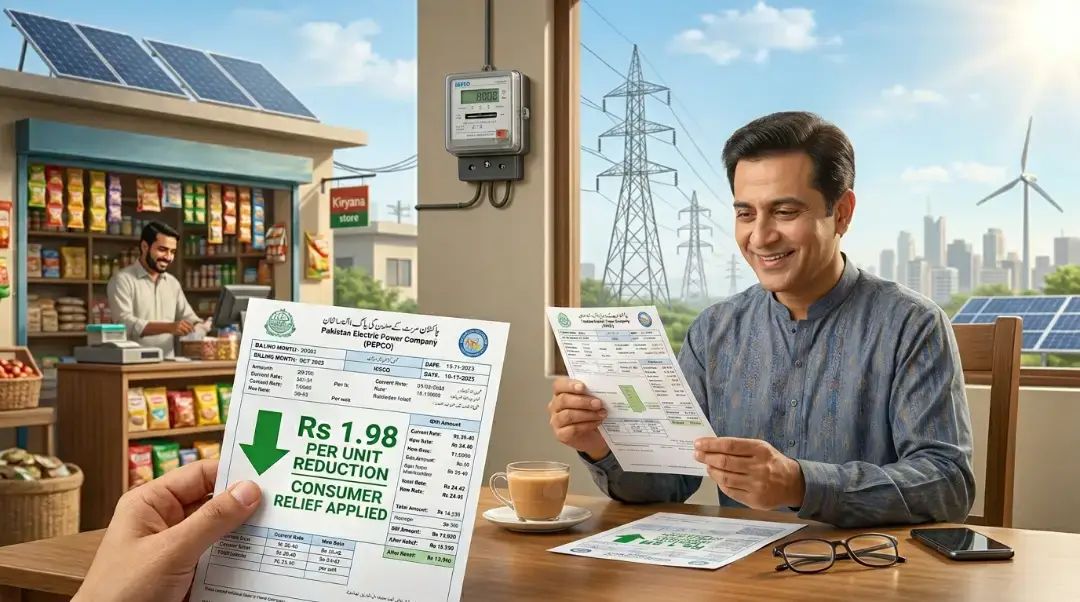
In a significant move to alleviate the financial strain on consumers, Pakistan’s National Electric Power Regulatory Authority (NEPRA) has announced a reduction in electricity tariffs by Rs1.98 per unit. This decision is poised to bring some much-needed relief to households and businesses grappling with high utility costs. But what motivated this change, and what could it mean for the future of energy consumption in Pakistan? Let’s explore the implications of this tariff cut in detail.
The Economic Implications of Lower Electricity Costs
The decision to lower electricity tariffs has broad economic implications. By decreasing the cost of electricity, NEPRA is not only providing immediate relief to consumers but also potentially stimulating economic activity. Reduced energy costs can lower operational expenses for businesses, leading to increased investment and possibly the creation of new jobs. For households, the savings can enhance disposable income, allowing for increased spending in other areas, which could support local businesses and boost the economy.
Environmental Considerations: A Double-Edged Sword?
While the tariff reduction is a welcome change for many, it raises some environmental concerns. Lower electricity costs could lead to increased consumption, which might strain the existing power infrastructure and increase carbon emissions, especially if the additional demand is met through non-renewable energy sources. This scenario underscores the need for a balanced approach that encourages energy efficiency and investment in renewable energy projects. NEPRA’s decision could be a catalyst for promoting more sustainable energy solutions if leveraged wisely.
Impact on the Energy Sector
For the energy sector itself, this tariff reduction presents both challenges and opportunities. On one hand, a decrease in revenue per unit may affect the financial health of electricity providers, particularly smaller companies that might struggle with reduced margins. On the other hand, the necessity to innovate and reduce operating costs could drive technological advancements and efficiency improvements across the sector. This dynamic may foster a more competitive and resilient energy market, ultimately benefiting consumers.
Looking Ahead: The Path Forward
NEPRA’s decision is a pivotal step in what could be a transformative phase for Pakistan’s energy landscape. Stakeholders must now focus on implementing complementary measures that maximize the benefits of this tariff reduction while mitigating potential downsides. Encouraging investments in smart grid technologies, enhancing regulatory frameworks, and supporting renewable energy initiatives are crucial strategies to ensure sustainable and equitable progress in the country’s energy policies.
Conclusion: A Balanced Approach is Key
The reduction of electricity tariffs by NEPRA marks a strategic move to support both economic growth and consumer welfare in Pakistan. As the country navigates the challenges and opportunities presented by this decision, a thoughtful and balanced approach will be essential. By carefully managing energy consumption and fostering innovation within the sector, Pakistan can set a precedent for achieving economic and environmental goals simultaneously. It is a time of change and, with the right measures, a time of tremendous potential.