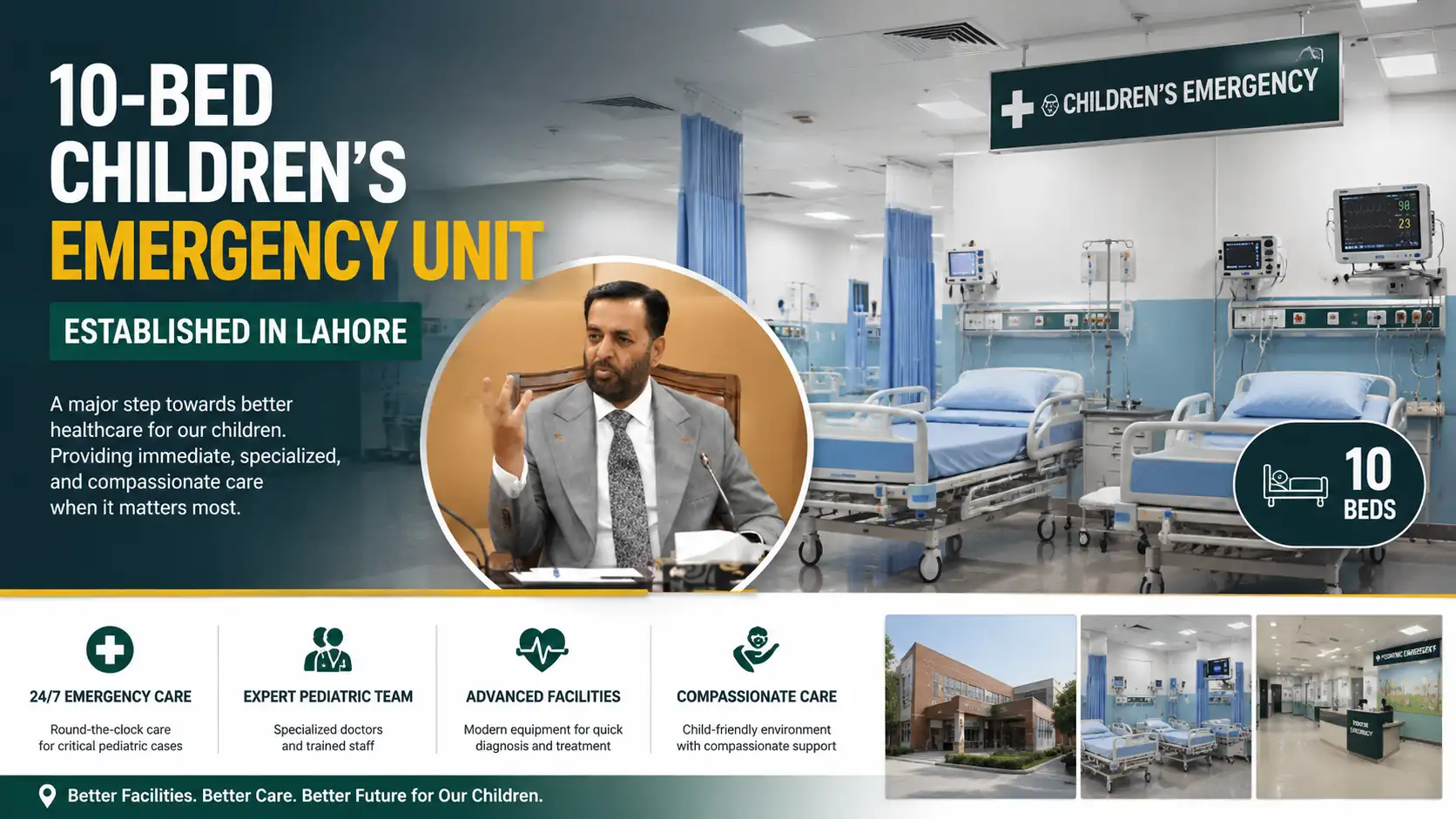
The establishment of a 10-bed children’s emergency unit marks a significant milestone in pediatric healthcare in Lahore, Pakistan. Signed recently through a memorandum of understanding (MoU) between Sheikh Zayed Postgraduate Medical Institute and the ChildLife Foundation, this initiative aims to provide specialized emergency services to children in need. Recognizing the growing demands for dedicated pediatric care in emergency situations, this unit will serve as a critical resource within the community and the healthcare system as a whole.
Understanding the 10-Bed Children’s Emergency Unit
The new 10-bed children’s emergency unit is set to be a state-of-the-art facility equipped with advanced medical technology specifically tailored for pediatric patients. This unit aims to provide immediate care to children suffering from acute conditions, ensuring they receive timely treatment in a safe environment. With specially trained healthcare professionals focused on pediatric care, the unit promises to enhance the overall quality of healthcare services available to children.
Emergency units in hospitals play a crucial role in mitigating critical health risks, particularly for vulnerable populations like children. This 10-bed facility aims to address some of the challenges faced by existing emergency services, including long wait times and lack of specialized equipment and personnel. By tailoring its resources to meet the specific needs of children, this unit aims to bridge significant gaps in pediatric emergency care.
Community involvement and awareness are also vital components of the 10-bed children’s emergency unit’s success. By engaging parents and caregivers in understanding the emergency protocols and the services offered, the unit seeks to enhance its outreach efforts effectively. This focus on community collaboration could significantly contribute to the health outcomes of pediatric patients, ensuring they access necessary medical services timely.
The impact of such an initiative extends beyond immediate healthcare provision. It symbolizes a broader commitment to understanding and accommodating the unique medical needs of children, which are often overlooked in general emergency settings. The presence of age-appropriate medical equipment and child-friendly spaces are vital in reducing anxiety and improving compliance with treatment plans, ultimately leading to more effective care.
The Role of Sheikh Zayed Postgraduate Medical Institute
Sheikh Zayed Postgraduate Medical Institute has long stood as a beacon of excellence in healthcare education and services in Lahore. By signing the MoU to establish the 10-bed children’s emergency unit, the institute serves not just as a medical establishment but also as a leader in innovative healthcare solutions targeted at specific demographic needs.
With an array of specialized departments and training programs, the Institute continues to prepare future healthcare professionals, emphasizing the importance of pediatric care. The newly created emergency unit is expected to function as a training ground for medical students and residents, providing them the opportunity to gain hands-on experience and training in treating pediatric emergencies.
Moreover, the reputation of Sheikh Zayed Postgraduate Medical Institute will allow for collaborations with various organizations and NGOs, fostering a network dedicated to improving healthcare delivery. Strategic partnerships, like that with ChildLife Foundation, can enhance resource allocation, training, and access to shared knowledge and technology, creating a more cohesive healthcare ecosystem.
The integration of teaching and practical exposure within this unit is expected to elevate standards of pediatric care. By supporting interdisciplinary collaboration among medical students, nurses, and specialists, the Institute can foster a holistic approach to healthcare, nurturing future leaders in pediatric medicine.
ChildLife Foundation’s Commitment to Pediatric Care
ChildLife Foundation is committed to revolutionizing pediatric healthcare in Pakistan. With a network of hospitals and emergency units across the country, the organization focuses on enhancing the quality of care provided to children. Their collaboration with Sheikh Zayed Postgraduate Medical Institute highlights their dedication to addressing the pressing needs in pediatric healthcare delivery.
Through various initiatives, ChildLife Foundation has established modern pediatric emergency departments aimed at alleviating the fangs of inadequate emergency services often experienced in public hospitals. The introduction of the 10-bed unit will drastically improve access to critical healthcare services for children in Lahore, showcasing a vital response to growing health concerns.
Additionally, ChildLife Foundation emphasizes volunteer engagement and community awareness. This multilayered approach guarantees that families are informed of available resources and services, empowering them to seek help swiftly when emergencies occur. By prioritizing education, ChildLife Foundation is enhancing community resilience and awareness regarding pediatric healthcare challenges.
The organization’s strategic vision extends to long-term healthcare sustainability. By focusing on preventative measures, health education, and ongoing community engagement, ChildLife Foundation aims to reduce the incidence of emergencies, ultimately alleviating the burden on healthcare facilities. This forward-thinking approach positions them as pioneers in creating sustainable pediatric healthcare ecosystems.
The Growing Demand for Pediatric Emergency Services
The need for specialized pediatric emergency services has become increasingly apparent. The rising incidences of childhood illnesses, accidents, and injuries emphasize the importance of dedicated emergency units exclusively for children. Many existing facilities do not cater specifically to pediatric needs, often leading to delays in treatment and suboptimal care.
Furthermore, the distinctive physiological and psychological needs of children require a unique approach to emergency medicine. Inadequate training in pediatric emergency procedures can lead to misdiagnoses or incorrect treatments, impacting health outcomes. The establishment of the 10-bed children’s emergency unit helps address these challenges by ensuring that healthcare professionals are equipped with the necessary tools and knowledge to care for children appropriately.
Additionally, with the heavy influx of patients in emergency departments, a dedicated pediatric unit provides a streamlined approach to treatment, creating a more efficient system. Specialization leads to quicker diagnoses, customized treatment plans, and ultimately, better health outcomes for children.
The concept of specialized pediatric emergency care reflects a global trend towards more tailored healthcare services that respect the unique developmental stages and needs of various age groups. This movement represents a philosophical shift in healthcare from uniform treatment to personalized care, emphasizing the dignity and individuality of pediatric patients.
Also Read This Article : Dalbandin Airport Runway Closed for Flight Operations for One Year
Impact on Family and Community Health
The introduction of a 10-bed children’s emergency unit not only focuses on the health of the individual child but also positively affects family dynamics and community health. Parents often face significant stress when dealing with a child’s medical emergency, and having an accessible and specialized unit can help alleviate some of that burden. By providing a welcoming and well-equipped environment, parents can trust that their children are receiving the best possible care.
This new unit also has implications for community health as a whole. Improved pediatric emergency services may lead to increased health literacy among parents and caregivers. When families are educated about the signs and symptoms that necessitate a hospital visit, they can act more decisively in seeking treatment, which ultimately benefits the overall community health. Effective communication and outreach can cultivate a sense of empowerment within neighborhoods, facilitating public engagement in health initiatives.
Furthermore, the establishment of this emergency unit may serve as a model for other cities and regions in Pakistan, demonstrating the importance of focusing on specialized healthcare for children. Its success could spawn similar initiatives aimed at improving pediatric care across the country.
By fostering a culture of proactive healthcare and preventive measures, this unit is expected to become a cornerstone of pediatric advocacy within the community. Families engaged in ongoing dialogues regarding their children’s health are more likely to contribute to building a supportive, health-conscious culture. This collaborative effort could lead to the development of community support groups, enhancing collective resilience and shared learning.
Challenges Ahead for the 10-Bed Children’s Emergency Unit
While the establishment of the 10-bed children’s emergency unit is a significant achievement, it is important to recognize the challenges that lie ahead. Resource allocation, consistent funding, and training are crucial for ensuring that the unit operates effectively. Without continuous investment, the potential of this unit may not be fully realized.
Furthermore, attracting skilled healthcare professionals to work in pediatric emergency services can pose a challenge. There is often a generalized shortage of specialists willing to work in emergency settings, especially in high-stress environments. Strategies need to be put in place to recruit, retain, and train dedicated staff committed to pediatric healthcare.
Additionally, there will be ongoing requirements for community education and engagement. Merely establishing the unit is not sufficient; parents and caregivers must be informed about how and when to utilize the services available. Building awareness and promoting health literacy in the community will be key to the success of this new emergency department.
Addressing these challenges will require a multifaceted approach that involves stakeholders at various levels, from policymakers to community leaders. Developing robust training programs, coupled with incentive schemes to attract and retain talent, will be essential components in ensuring the unit’s sustainability and effectiveness.
Future Perspectives on Pediatric Healthcare in Lahore
The establishment of the 10-bed children’s emergency unit heralds a new era for pediatric healthcare in Lahore. With modern infrastructure and an emphasis on specialized care, one can anticipate a significant improvement in health outcomes for children in the region. This initiative may encourage further investments in pediatric healthcare, motivating other institutions to develop similar units.
Moreover, the collaboration between Sheikh Zayed Postgraduate Medical Institute and ChildLife Foundation sets a precedent for future partnerships. It showcases how synergies between educational institutions and healthcare organizations can lead to meaningful advancements in public health. The combination of education, community involvement, and dedicated services can create a more resilient healthcare system for children in Pakistan.
Reflecting on the broader implications, this model of healthcare integration may set the stage for innovative practices in adult emergency care as well. Lessons learned from this model can translate into improved approaches towards public health and emergency services across various demographics.
As Lahore continues to develop into a healthcare hub, the principles and practices pioneered by the 10-bed children’s emergency unit could inspire nationwide initiatives. This ripple effect would enhance the national healthcare landscape, setting new benchmarks for excellence in service provision and collaboration.
Conclusion
The signing of the memorandum of understanding for the 10-bed children’s emergency unit symbolizes a transformative step in pediatric healthcare in Lahore and potentially throughout Pakistan. As the healthcare landscape continues to evolve, the future of pediatric care looks promising, driven by initiatives like this that prioritize specialized services for children.
With dedicated facilities tailored to address the unique needs of children, this emergency unit aims to improve care delivery, enhance training opportunities for healthcare providers, and foster community engagement. Each of these elements plays a critical role in shaping healthier futures for children and families alike.
Ultimately, the 10-bed children’s emergency unit will not only serve as a lifeline for children facing medical emergencies but also represents hope, resilience, and innovation within the healthcare system. It reflects a growing recognition that investing in specialized pediatric care is paramount for the well-being of future generations, thus ensuring better health outcomes for children across the region.
Frequently Asked Questions
What is the importance of the 10-bed children’s emergency unit?
The 10-bed children’s emergency unit is crucial as it provides specialized healthcare for pediatric patients, which addresses unique medical needs and contributes to better health outcomes.
What organizations are involved in establishing this unit?
The unit is being established through a collaboration between Sheikh Zayed Postgraduate Medical Institute and the ChildLife Foundation, showcasing a commitment to enhancing pediatric healthcare.
How will this unit affect healthcare delivery in Lahore?
This 10-bed children’s emergency unit is expected to improve healthcare delivery by reducing wait times, providing specialized care, and creating a more efficient treatment environment for pediatric patients.
What training opportunities will this unit provide for medical professionals?
The unit will offer training for medical students and healthcare providers, ensuring they gain experience and skills necessary for treating pediatric emergencies effectively.
How can the community engage with the new emergency unit?
The community can engage with the 10-bed children’s emergency unit by participating in health education programs, understanding the available services, and fostering supportive networks for caregivers.



 Muhammad Abdullah |
August 11, 2026
Muhammad Abdullah |
August 11, 2026