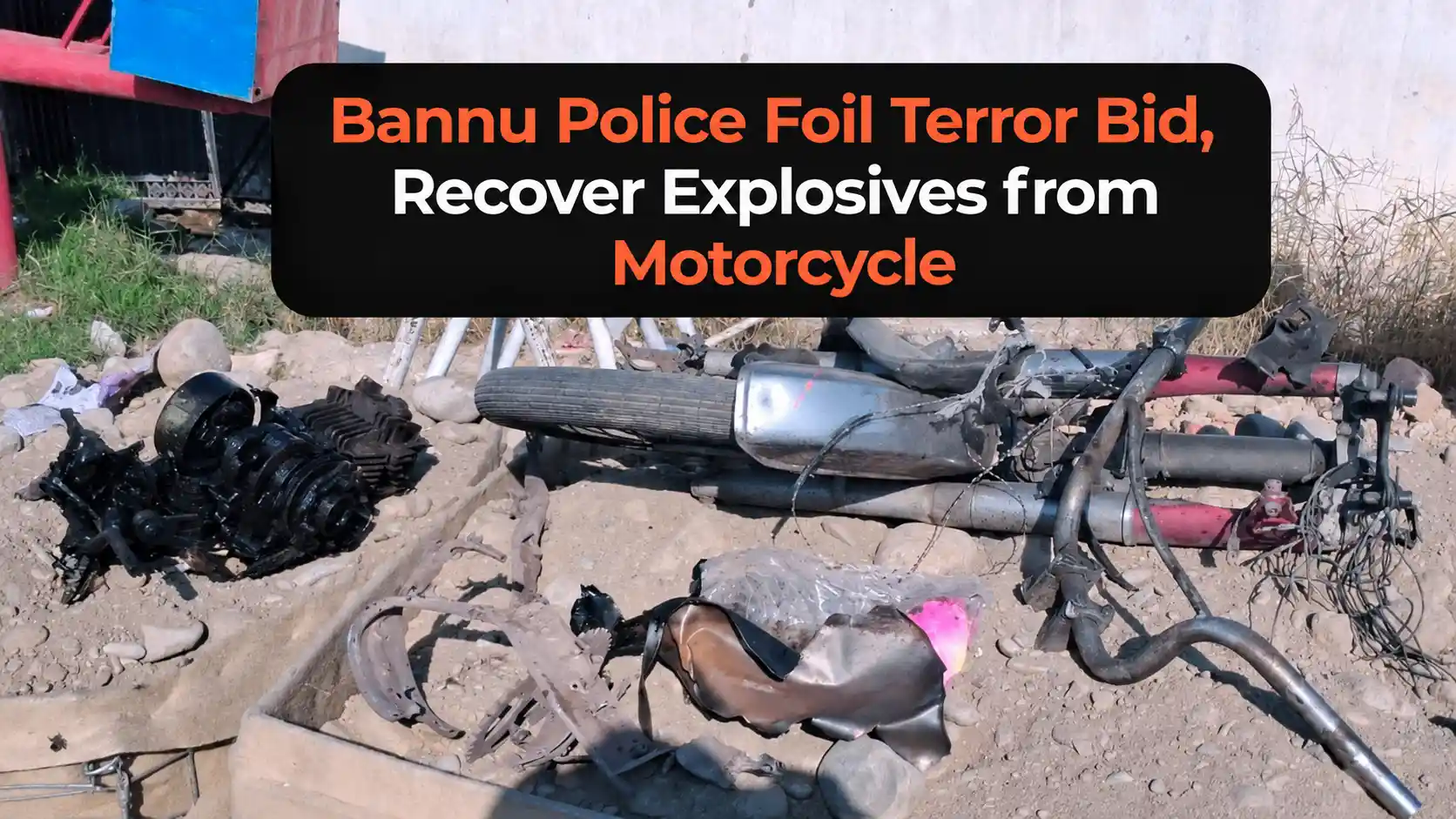
Bannu police foil terror bid, showcasing their commitment to public safety and security. This significant operation involved the recovery of 3-5 kg of explosives from a motorcycle, revealing the ongoing threat posed by terrorism in the region. Such incidents highlight the importance of vigilance and quick action by law enforcement agencies who strive to protect communities against the pervasive threat of terrorism. With the ever-evolving tactics used by terrorists, it is paramount that police forces remain prepared and equipped to respond effectively. This incident reflects not only the challenges faced by security agencies but also their dedication to maintaining peace and order amid rising tensions.
Bannu Police Foil Terror Bid: A Closer Look
The recent event highlights how law enforcement agencies are a frontline defense against terrorism. The Bannu police’s successful intervention demonstrates their capability after recovering 3-5 kg of explosives from a motorcycle, thereby averting a potential catastrophe. Such proactive measures are essential as terrorism has always posed a significant threat, especially in regions susceptible to such attacks.
The explosives were not just a random discovery but rather part of a premeditated attack that could have severely impacted the local community. Every recovered kilogram of explosives represents a potential life saved, and the gallant efforts of the police department shouldn’t go unnoticed. The quick action taken underscores the importance of intelligence sharing and community cooperation, such elements play a vital role in foiling terrorism-related attempts.
Moreover, the threat of vehicle-based attacks has been a recurring theme in terrorist activities worldwide; from suicide bombings to car bombs, motorcycles have often been used for such heinous purposes due to their maneuverability and inconspicuous nature. The Bannu police’s vigilance in addressing this specific type of threat is commendable and emphasizes the need for law enforcement authorities to be equipped with proper intervention strategies for handling explosives safely and efficiently.
Understanding the broader implications of this operation requires analyzing how successful interventions can set a precedent for future operations. When such attempts are thwarted, not only is the immediate threat neutralized, but it also dissuades potential future plans of a similar nature. This success spreads a powerful message of resilience to both local residents and those beyond the community’s borders.
The intervention reflects a deeper understanding of the sociopolitical dynamics of the region. The Bannu police, by effectively countering the threat, reinforce the state’s resolve in ensuring the security of its citizens. It underlines the commitment to disrupt any attempts that jeopardize the public’s peace, emphasizing that the rule of law remains intact regardless of attempts to undermine it.
The Role of Intelligence in Foiling Terrorist Plans
Intelligence operations are at the core of counter-terrorism efforts. The successful operation in Bannu relies heavily on the various intelligence sources available to the police. These sources, whether they stem from traditional policing, community reporting, or technology-aided surveillance, create a web of information that can detect and deter threats before they materialize.
In this case, the apprehension of potential attackers was likely facilitated by timely intelligence that revealed certain suspicious activities related to the motorcycle. Law enforcement agencies increasingly rely on such evidence for their operations, making it vital to recognize the role of community vigilance. The trust and communication between the community and police bolster efforts to ensure safety.
Developing a safety-focused community can instigate stronger relationships between local residents and security forces. When individuals are aware of their environment and report unusual activities, it can provide key insights to law enforcement. This mutual cooperation can act as an early warning mechanism against planned attacks, making it invaluable to counter-terrorism strategies.
Moreover, working in tandem with international intelligence agencies can enhance the information pool accessible to local police, thus enabling a more comprehensive approach to thwarting plots. By sharing intelligence with global counterparts, informed patterns and trends can be identified, helping countries like Pakistan refine their own security measures based on broader data.
Enhancing technological competency in intelligence gathering assures rapid assessment, which is crucial in time-sensitive operations. Advances in AI and data analytics provide officers with predictive insights into potential threats, reflecting how modern policing is evolving into an intelligence-led model.
The Psychological Impact of Terrorism on Communities
Terrorism leaves behind emotional scars on individuals and communities, creating an atmosphere of fear and uncertainty. The recent incident where Bannu police foil terror bid reminds citizens that threats can occur anywhere, igniting a cycle of anxiety and paranoia. Understanding the psychological impact that such incidents impose is essential for community healing and resilience.
Following efforts by law enforcement agencies to neutralize potential threats, the focus must shift to the community’s response. Collective trauma can be mitigated through available mental health resources and community mechanisms that promote resilience. Engaging mental health professionals to counsels affected individuals can begin to address concerns and fears stemming from such incidents, promoting a healthier community response.
Moreover, healthier communication about safety can foster a sense of empowerment rather than helplessness. Communities can band together to prioritize safety, engage in dialogue, and help alleviate the psychological burden that comes from living under the shadow of terrorism.
Societal resilience is built when communities enhance solidarity by forming support groups and engaging actively in each other’s well-being. Such initiatives could incorporate trauma-informed care practices, helping communities adapt to stressors by focusing on coping mechanisms and emotional health reinforcement.
The media also plays a pivotal role in managing fear post-threat by ensuring responsible reporting that aims to inform rather than incite panic. News outlets, by adhering to ethical practices, can alleviate misinformation and help communities focus on positive narratives of courage and unity.
Historical Context of Terrorism in Pakistan
To fully understand the significance of the Bannu police’s operation in foiling a terror bid, it’s crucial to analyze the historical context of terrorism in Pakistan. This region has faced numerous insurgent and militant movements that have dramatically affected its socio-political landscape. After the U.S.-led invasion of Afghanistan in the early 2000s, the Pakistani territory began to witness a rise in radical extremism.
Terrorist groups such as the Taliban and others emerged, and many of these factions resorted to various attack forms targeting not only local communities but also foreign interests. The recurring struggles between state forces and terrorist groups can be traced to failings in governance and the rise of sectarian divisions. Such a backdrop augments the responsibilities of local law enforcement to truly address emerging threats effectively.
In recent years, efforts have been made to counter radicalism through a combination of military action and police interventions, showcasing the complexities involved in counter-terrorism. The Bannu police’s recent operation is part of a larger struggle facing the country in its ongoing battle to combat terrorism, and reflects how officers must evolve continually alongside changing threats.
Understanding the geopolitical factors that impact terrorism also holds weight in crafting effective strategies. Proxies, external influences, and economic disparities contribute to regional instability, framing a complicated battle that police must navigate in coordination with military counterparts.
Educational reform and public policy initiatives also form an essential dimension in attempting to mitigate radical ideologies. Focusing on youth engagement and offering viable economic opportunities are integral to reshaping long-term societal narratives surrounding extremism.
Also Read This Article : NAB Karachi Recovers 435 Acres of Land Worth Rs 2.61 Billion in Thatta
Community Engagement: A Key to Prevention
Community involvement is fundamental in the pursuit of safety and security in an ever-threatened environment. Strategies devised that incorporate citizen involvement support the endeavors of police and other law enforcement agencies. The recent successful operation demonstrating how Bannu police foil terror bid serves as an example of the importance of cooperation between community members and security forces.
Communities can take preventive actions by establishing open channels of communication with law enforcement. Awareness campaigns that educate residents on recognizing suspicious behaviors can be instrumental. Such community policing strategies can encourage local citizens to report anything unusual, thus empowering them to play an active role in safeguarding their surroundings.
Through workshops and interactive sessions with the police, municipalities can enhance awareness and preparedness. Engaging workshops can help communities understand potential threats while fostering trust and a bond with the police. This recognition can lead to both effective crime prevention and a flourishing partnership that strengthens civic ties.
By integrating comprehensive school programs that speak directly to younger generations about safety protocols, bullying prevention, and community stewardship, the process fosters life-long involvement with civic duties among future adults.
Civil society organizations and NGOs can further assist by providing platforms that bridge the gap between authorities and hesitant citizens. Such intermediaries facilitate peacebuilding and open dialogue, ensuring that policies and initiatives align sensibly with community needs.
The Need for Policy Reform in Counter-Terrorism
The operation that led to the Bannu police foiling a terror bid emphasizes the strengths and weaknesses of existing counter-terrorism policies. While local law enforcement agencies demonstrate agile responses to potential attacks, there is always room for improvement. Effectively addressing the multifaceted nature of terrorism requires a collaborative approach that transcends conventional policing.
Policy adjustments are essential to accommodate the evolving strategies of terrorist groups. What worked a decade ago may not apply in today’s context, as groups become more adaptive and sophisticated. Policymakers should study successful case frameworks from around the world, making relevant amendments based on empirical evidence, best practices, and on-the-ground feedback.
Furthermore, targeted funding and resources must be allocated to enhance training programs for police forces, focusing on explosives handling and advanced tactical strategies. Proactive support encourages agencies like the Bannu police to remain on the cutting edge in counter-terrorism measures.
Legislation must be thoroughly reviewed to ensure it provides adequate jurisdictional powers for timely arrests and interventions. Collaborations with international experts can yield new legislation drafts that evolve alongside technological progressions, harmonizing local needs with global standards.
Engaging in policy discourse with civilian groups ensures that reforms resonate with the population’s reality and aspirations, helping diminish friction between government intentions and citizen experiences.
Technological Innovations in Counter-Terrorism
With rapid advancements in technology, counter-terrorism efforts are entering a new era marked by enhanced capabilities. The successful advance of the Bannu police foiling a terror bid emphasizes how incorporating technology can amplify effectiveness in thwarting potential attacks. From using drones for surveillance to employing data analytics for threat assessment, technological progress leads to more informed decision-making.
Technology can enhance response time through more efficient communication channels and streamlined reporting methods. Digital platforms allow information to flow rapidly between agencies, thus fostering a collaborative environment where information can be utilized promptly. This interconnectedness not only leads to faster response but also boosts efficiency in planned operations.
Additionally, adopting predictive policing methods through advanced algorithms can help analyze patterns in criminal behavior, offering law enforcement the foresight they need to anticipate potential threats. By investing in innovations, the ability of police forces like those in Bannu can improve significantly, demonstrating that combating terrorism requires the marriage between human vigilance and technological prowess.
The integration of virtual reality (VR) simulations for training purposes exposes officers to realistic scenarios without real-world risks, sharpening skills in strategic decisions and crisis management while minimizing practical threats during rehearsals.
Another promising area is using biometric surveillance to monitor entry and exit points across regions, ensuring detailed tracking of suspicious movements backed by robust privacy laws to maintain public trust while elevating domestic security levels.
Conclusion: The Importance of Ongoing Vigilance
Ultimately, the incident where the Bannu police foil a terror bid signifies that ongoing vigilance and proactive measures are crucial in combatting the persistent threat of terrorism. The swift action taken underscores the role and responsibility of law enforcement in safeguarding communities, working alongside citizens in a united front. In a landscape fraught with unpredictability, effective intelligence, community engagement, and policy reform are important components of a holistic approach to ensuring security.
The psychological impact experienced by communities highlights the need for support systems, encouraging cross-sector collaboration between law enforcement and mental health services. Investing in technological advancements proves effective in enhancing counter-terrorism capacities, reflecting on the evolving nature of threats and newly devised strategies.
As conditions change and terrorist tactics evolve, constant evaluation and the integration of new methodologies remain key drivers in the quest for safety. The vigilance of the Bannu police, alongside community cooperation, can serve as a robust model for other regions grappling with similar challenges, shaping a safer tomorrow.
Frequently Asked Questions
What led to the Bannu police foiling the terror bid?
Bannu police foiled a terror bid through timely intelligence which identified a suspicious motorcycle potentially fitted with explosives. This intervention was crucial in preventing a possible attack and protecting the local community.
How much explosives were recovered by the Bannu police?
The Bannu police recovered approximately 3-5 kg of explosives from the motorcycle, showcasing the serious threat that was effectively neutralized during this operation.
What role does community engagement play in preventing terrorism?
Community engagement is vital in preventing terrorism as it fosters trust and cooperation between residents and law enforcement, encouraging prompt reporting of suspicious activities, thereby supporting proactive measures like the Bannu police foiling a terror bid.
What are the psychological impacts of terrorist attacks on communities?
Terrorist attacks can lead to collective trauma, anxiety, and fear among community members. Addressing these psychological impacts through support systems can aid in community healing and resilience.
How can technology aid law enforcement in counter-terrorism efforts?
Technology plays a significant role in counter-terrorism by enhancing surveillance capabilities, improving communication, and enabling predictive analysis of potential threats, thereby assisting operations like the one where Bannu police foil a terror bid.




 Muhammad Abdullah |
August 24, 2026
Muhammad Abdullah |
August 24, 2026