






Diplomacy on the Line: Navigating US-Iran Talks with Pakistan’s Mediation
The geopolitical tension between the United States and Iran has long been a focal point in international relations, capturing the world’s attention with every shift in their strained discourse. Recently, US President Donald Trump highlighted a novel approach—telephone diplomacy—in engaging Tehran for discussions that hinge upon two crucial aspects: nuclear disarmament and regional stability. This approach, underscored by Pakistan’s mediatory role, presents a fresh yet intricate dynamic influenced by historical animosity and urgent security concerns.
The Intricacies of Remote Diplomacy
Faced with a considerable geographical divide and years of diplomatic distance, Trump’s insistence on holding talks via telephone underscores a modern take on international negotiations. By avoiding the need for a physical meeting, the US adopts a position of strength, communicating the notion that Iran holds the responsibility to initiate contact. This decision, although practical in reducing logistical challenges, may also imply a reluctance to fully commit to conventional diplomatic engagement, potentially leaving key dialogue points unaddressed.
Pakistan’s Strategic Involvement
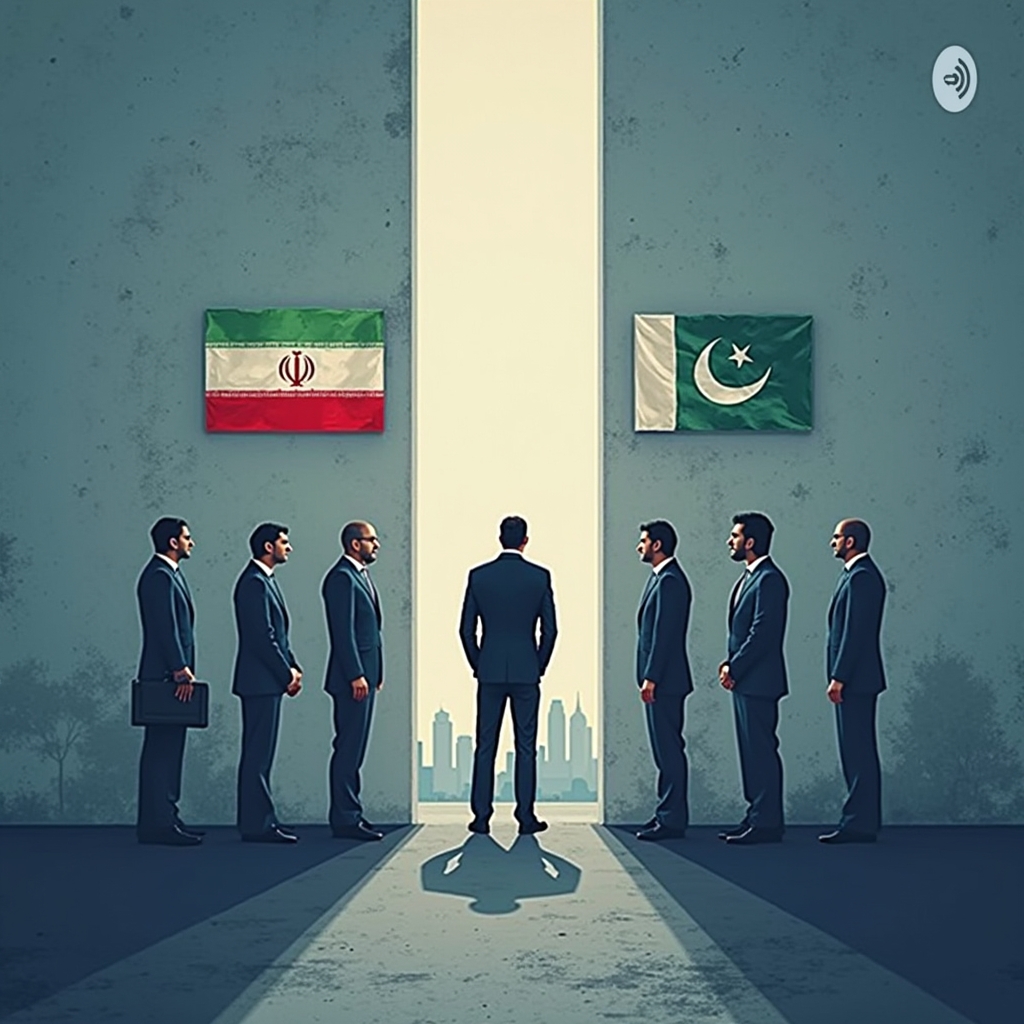
Pakistan’s role as a mediator showcases its growing influence in the global arena. With Islamabad fostering initial dialogue, it underscores its capacity to bridge significant international rifts. The first round of talks in Pakistan’s capital might have ended ambiguously, yet its continuation through remote channels could pave a nuanced path forward. Islamabad’s influence stems from its strategic position and historical ties with both nations, positioning it as a potential stabilizer in this sensitive dialogue.
Navigating Key Challenges
As the US maintains its stance against Iran’s nuclear weapon capability, another focal point remains: ensuring unrestricted navigation through the Strait of Hormuz. This crucial conduit for global oil supplies epitomizes the ongoing tensions, further exacerbated by the US’s blockade of Iranian ports. The challenge lies in finding a balance where global energy security isn’t compromised, while addressing Washington’s concerns over Iran’s nuclear ambitions. Successful navigation of these issues is essential for attaining a sustainable agreement.
A Future Unfolding
The unfolding diplomatic saga between the US and Iran, with Pakistan playing a pivotal intermediary role, exemplifies the complexities and potential of twenty-first-century diplomacy. While telephone diplomacy might seem an unorthodox strategy, it offers a unique avenue to mitigate historical tensions without the immediacy of face-to-face confrontations. This method, if implemented thoughtfully, can foster incremental progress by maintaining steady communication. Ultimately, the outcome rests upon each party’s willingness to bridge divides, adhere to proposed points, and commit to real, cooperative progress.