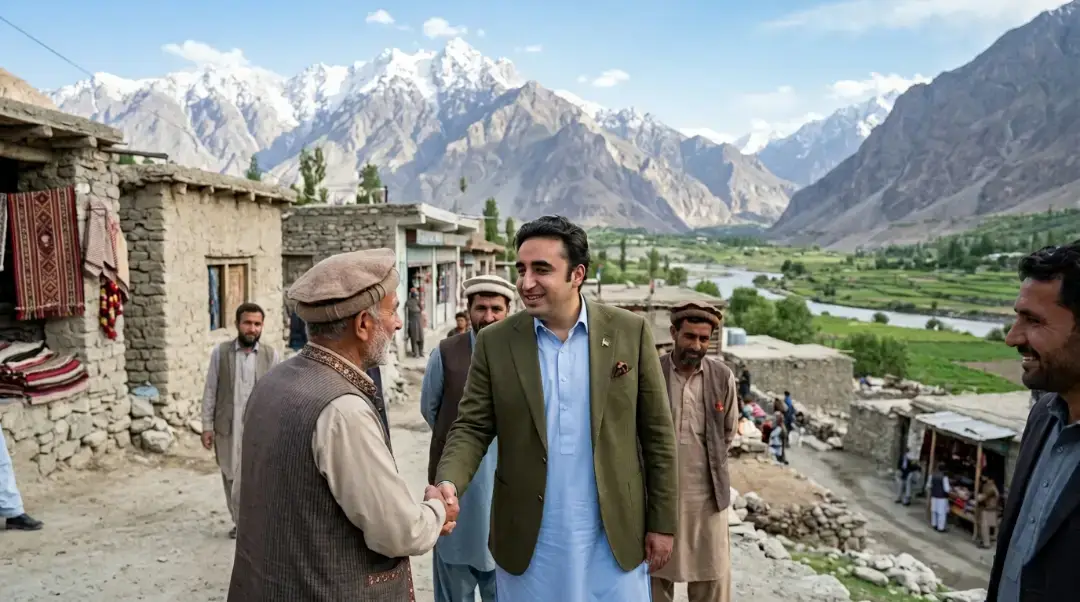
In a move that underscores his dedication to the people of Gilgit-Baltistan (GB), Bilawal Bhutto Zardari recently declined the government’s request to cut short his visit to the region. This decision not only highlights his commitment to understanding and addressing the local issues but also reinforces his role as a significant political figure in Pakistan. His presence in GB appears to be a strategic move to connect with the electorate, signal solidarity, and push forward his party’s agenda.
The Political Landscape of Gilgit-Baltistan
Gilgit-Baltistan, with its stunning landscapes and unique cultural heritage, holds a distinct place within Pakistan’s socio-political framework. The area has long been neglected in terms of infrastructural development and policy focus. By prioritizing his visit, Bilawal Bhutto Zardari is making a statement that the voices of Gilgit-Baltistan will not go unheard. This region has become a political battleground where parties vie for influence, and Bhutto Zardari’s unwavering decision suggests a strategic investment in the area’s future.
A Leader’s Resolve: Navigating Pressures
Rejecting the government’s request demonstrates Bhutto Zardari’s determination to prioritize local concerns over potential political pressures. This resistance to external influence showcases his leadership qualities and his commitment to his constituents. In doing so, he sends a signal not only to his political opponents but also to his supporters, that his leadership ethos is grounded in transparency and accountability. His stance could also inspire a more engaged and dynamic political dialogue within the region.
Implications for the Pakistan People’s Party
The Pakistan People’s Party (PPP), historically anchored by Bhutto’s family legacy, stands to gain significantly from this gesture. By spending time in Gilgit-Baltistan, Bilawal Bhutto Zardari can engage with the local populace directly, understand their issues, and tailor his party’s policy platform to reflect these insights. This could potentially strengthen the PPP’s foothold in the region, expanding their influence and possibly altering the political dynamics of the upcoming electoral battles. The impact of such grassroots engagement can resonate deeply, carving pathways for democratic growth and political reform.
Concluding Thoughts: A Pathway Forward
Bilawal Bhutto Zardari’s decision to continue with his planned visit despite governmental pressure is a testament to his political acumen and unwavering commitment to the people of Gilgit-Baltistan. This move could reshape how political leaders engage with underrepresented regions. By choosing dialogue, engagement, and perseverance, Bhutto Zardari not only fortifies his leadership image but also galvanizes the PPP’s mission to foster a more inclusive and equitable political landscape in Pakistan. The true impact of his actions will be measured in time, as the region and its leadership navigate the complexities of its future challenges and opportunities.
Frequently Asked Questions
Why was Bilawal Bhutto Zardari asked to cut short his visit?
The government made the request, likely due to administrative or political considerations, but specifics were not widely disclosed. It is common for politicians to face pressures surrounding their travel and engagements.
How does this visit benefit Gilgit-Baltistan?
Bhutto Zardari’s visit provides a platform for local voices to be heard, potentially influencing policy focus and resource allocation. It also signifies a commitment to understanding the region’s distinct challenges and opportunities.
What are the political implications of this decision?
This decision positions the Pakistan People’s Party favorably within the region, potentially enhancing their electoral prospects. It reflects a strategic focus on marginal areas, which can reshape political narratives and influence power dynamics.
How does this affect Bilawal Bhutto Zardari’s political image?
The refusal to cut short his visit enhances his image as a dedicated and resolute leader. It underscores his commitment to the constituents and his ability to stand firm against external pressures.
What challenges does Gilgit-Baltistan face that necessitate such visits?
Gilgit-Baltistan faces developmental challenges, including infrastructural deficits, healthcare access, and economic opportunities. Political visits allow leaders to directly assess these challenges and advocate for targeted solutions.



 Muhammad Abdullah |
June 5, 2026
Muhammad Abdullah |
June 5, 2026