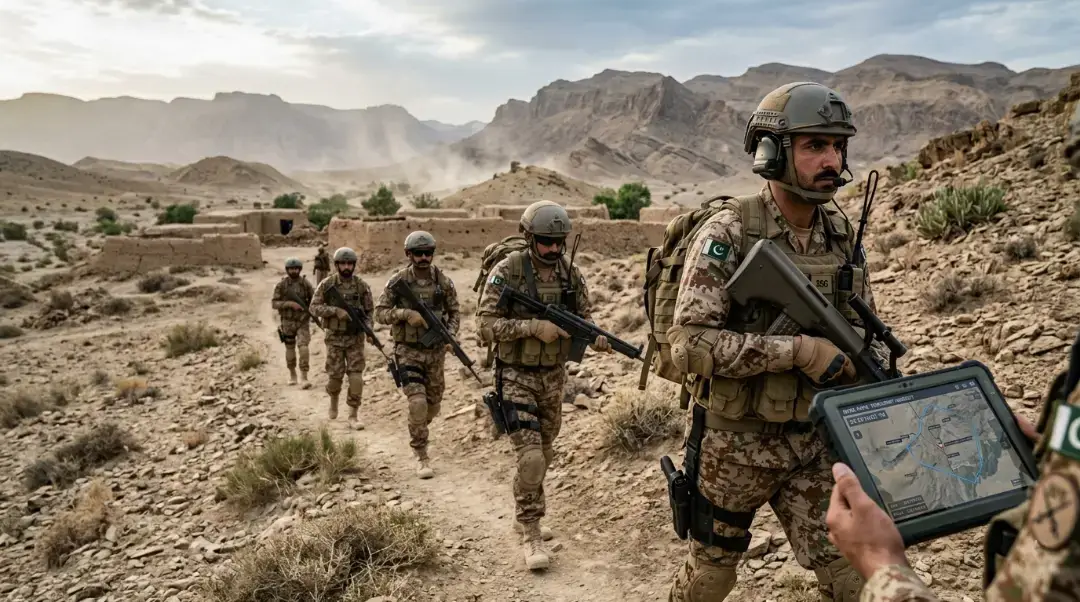
The ongoing battle against terrorism saw significant progress with the elimination of six terrorists in a recent operation conducted by security forces in Pakistan’s Panjgur district. According to the Inter-Services Public Relations (ISPR), this intensive intelligence-based operation (IBO) showcases a strategic win in the broader fight against terrorism in the region. The success of such operations is crucial not only for ensuring immediate safety but also for long-term stabilization. This article delves into the implications of such military actions, the role of intelligence in counterterrorism, and the broader impact on regional security.
The Role of Intelligence in Successful Operations
The operation in Panjgur underscores the critical role that intelligence gathering plays in ensuring the success of counterterrorism missions. Without actionable intelligence, such operations would lack the precision necessary to minimize collateral damage and ensure the neutrality of targeted threats. The success of this IBO illustrates an effective synergy between ground intelligence, modern technology, and strategic planning. Intelligence is often gathered through a combination of human sources and technological means, including satellite imagery and intercepted communications, which altogether facilitate the precision strike executed by the security forces.
Impact on Regional Stability
While the immediate removal of terrorist threats is a victory, the broader impact on regional stability cannot be overlooked. Panjgur lies in the province of Balochistan, a region that has long faced challenges related to insurgency and ethnic tensions. The elimination of these terrorists sends a strong message to hostile elements and serves as reassurance to the local populace, enhancing their confidence in national security measures. It also deters potential recruitment by these groups, as it presents the security forces as formidable adversaries capable of intercepting and neutralizing threats with precision.
The Broader Counterterrorism Strategy
This operation fits into the larger tapestry of Pakistan’s counterterrorism strategy, which involves both kinetic and non-kinetic measures. While military actions are the most visible, they are complemented by efforts to deradicalize individuals, disrupt funding networks, and address socio-economic grievances that fuel insurgency. It’s a multi-pronged approach that acknowledges that military might alone cannot eradicate terrorism. The underlying social and political issues must also be addressed to prevent the resurgence of militant activities. The Panjgur operation is evidence of the country’s commitment to this strategy, signifying both strength and strategic depth in dealing with complex challenges.
Conclusion
The successful neutralization of six terrorists in Panjgur is a testament to the effectiveness of ongoing counterterrorism efforts by Pakistan’s security forces. It highlights the importance of intelligence, careful execution, and an unwavering commitment to eradicating terrorism. This victory, however, is one of many stepping stones toward lasting peace and stability in a region historically plagued by violence. By ensuring sustained efforts across multiple domains—military, economic, and social—Pakistan can gradually move towards a future free from the grasp of terrorist threats. The Panjgur operation, therefore, stands not only as a tactical victory but as part of a strategic journey towards enduring peace.
Frequently Asked Questions
What is an IBO?
An IBO, or intelligence-based operation, is a tactical procedure that relies on gathered intelligence to locate and neutralize threats. It ensures that military actions are precise and targeted, minimizing collateral damage.
Why is Panjgur significant in counterterrorism efforts?
Panjgur is part of Balochistan, a region with historical tensions and insurgent activity. Successful operations here are crucial for stabilizing the area and sending a strong message to terrorist groups.
How does intelligence contribute to these operations?
Intelligence provides actionable information that enables security forces to carry out operations with precision. It involves data from human informants, technology, and satellite imaging to ensure targeted and efficient strikes.
What other measures complement military operations in counterterrorism?
Besides military interventions, efforts such as deradicalization programs, cutting off funding networks, and addressing socio-economic issues complement the fight against terrorism. These measures help tackle the root causes of insurgency.
How does this operation affect local communities?
Operations like the one in Panjgur boost local confidence in security forces and diminish the recruitment appeal of terrorist groups. They reassure communities of their safety and contribute to the broader goal of regional stability.




 Muhammad Abdullah |
June 5, 2026
Muhammad Abdullah |
June 5, 2026