Backdrop of Current Political Tensions
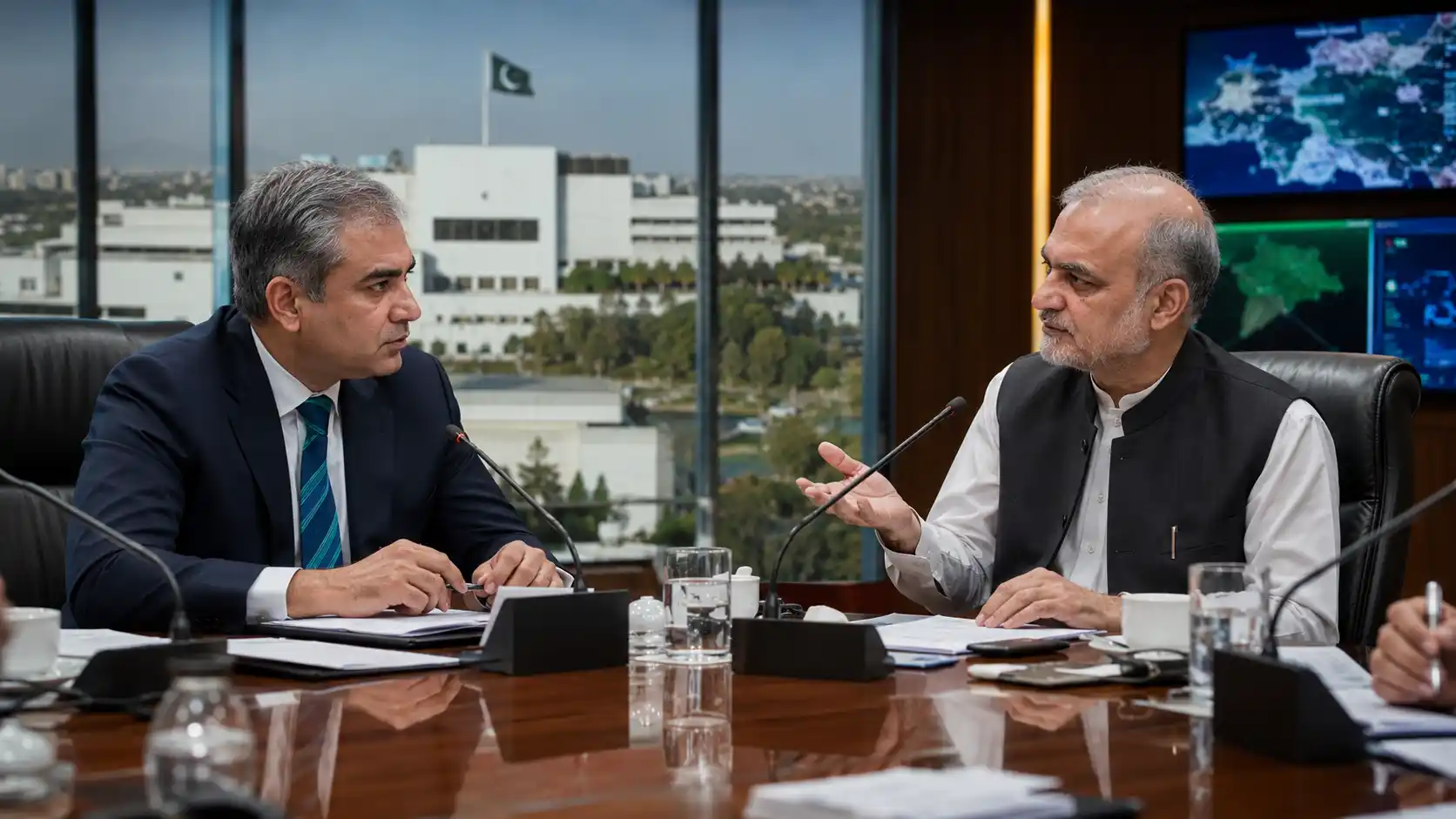
In recent weeks, the political landscape has been shifting rapidly, with numerous challenges arising that require immediate solutions. Central figures in this unfolding drama, Mohsin Naqvi and Hafiz Naeem, have taken the initiative to engage in dialogues that aim to address the country’s pressing concerns. Their discussions focus on creating pathways towards stability and progress.
Their meeting highlighted the urgent need for a concerted effort by political leaders to address underlying issues, many of which stem from longstanding complexities within the governmental framework.
Key Issues on the Table
Political Unrest and Negotiations
At the heart of their discussions was the current political unrest that has gripped the nation. Both leaders emphasized the importance of dialogue over discord, advocating for negotiations as a means to prevent further escalation of tensions. The conversation steered towards establishing protocols that encourage open communication among parties.
This approach aims to create a climate where political factions feel heard and included, potentially paving the way for more collaborative governance models.
Security Concerns and Strategic Planning
Security remains an omnipresent topic in their agenda, as both Naqvi and Naeem recognize the multifaceted nature of threats facing the country. Deliberations included discussions on bolstering intelligence capabilities and enhancing cross-border cooperation to curb security risks.
Their strategy underscores a proactive stance on maintaining vigilance while adapting to new challenges that may arise, ensuring a robust defense framework to safeguard national interests.
Potential Outcomes of the Dialogue
The potential outcomes of these discussions could set the tone for future political and security policies. Initiatives born out of these meetings may lead to incremental reforms and open up venues for fresh political alliances aimed at reinforcing democratic institutions.
These dialogues are not just about immediate resolutions but also about laying the groundwork for long-term strategies that will cultivate national stability and growth.
Concluding Thoughts
As the country navigates through its current challenges, the dialogues between Mohsin Naqvi and Hafiz Naeem represent a significant step towards bridging divides and fostering unity. Their efforts in debating solutions and seeking common ground resonate with a larger vision for a more cohesive and secure future.
Their commitment to an inclusive political process serves as a beacon of hope in these turbulent times, highlighting the crucial role open communication plays in national progress.
Frequently Asked Questions
What are the main objectives of Mohsin Naqvi and Hafiz Naeem’s discussions?
The primary objective is to address the country’s political instability and security concerns through dialogue and negotiation, aiming to find sustainable solutions.
How do these discussions impact the political climate?
These discussions can lead to reduced tensions and promote understanding between political factions, potentially paving the way for collaborative governance approaches.
What security issues are being prioritized?
The discussions emphasize enhancing intelligence and strategic cross-border cooperation to address existing and emerging security threats effectively.
Can these talks lead to significant political reforms?
While immediate reforms are challenging, the talks lay a foundation for future policy changes that could strengthen democratic institutions and foster long-term stability.
How might these conversations influence public perception?
The proactive engagement in dialogue may boost public confidence, portraying leaders as committed to resolving crises through peaceful and constructive means.



 Muhammad Abdullah |
June 16, 2026
Muhammad Abdullah |
June 16, 2026