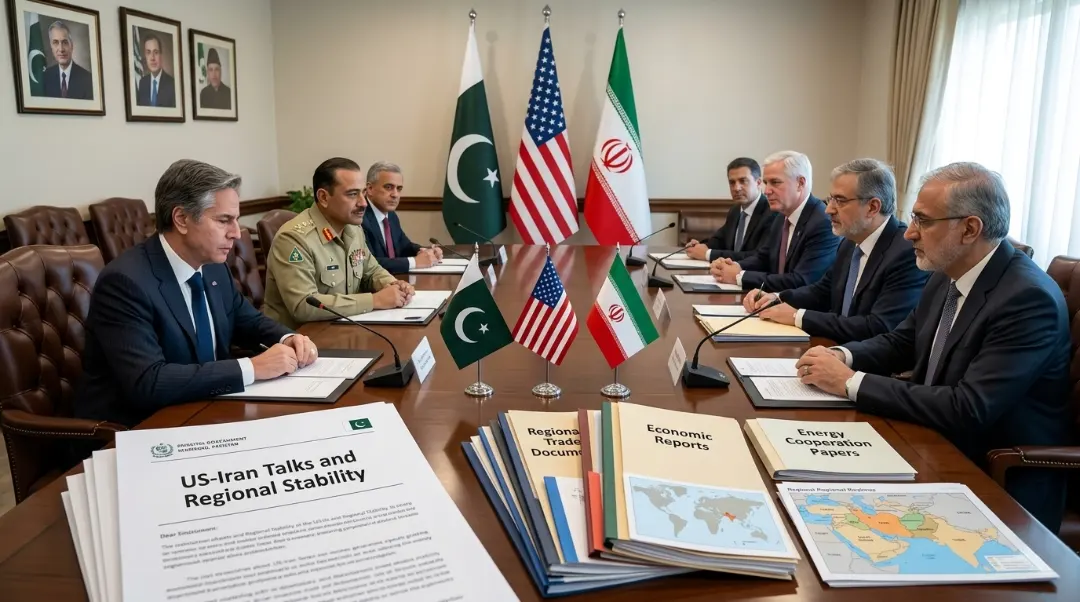
The recent US-Iran talks have been hailed as a significant achievement for Pakistan, according to Field Marshal Asim Munir. These discussions are seen as a potential turning point in regional diplomacy, offering new avenues for cooperation and stability. For Pakistan, positioned strategically in South Asia, the ramifications of improved US-Iran relations are profound. This development has opened up possibilities for economic growth, enhanced security, and a strengthened geopolitical stance. Munir’s optimism reflects a broader sentiment of anticipation and hope within the region that these talks could lay the groundwork for a more peaceful future.
The Context of US-Iran Talks
The US-Iran talks have garnered worldwide attention, given the longstanding tensions between the two nations. Historically, diplomatic ties have been fraught with challenges, rooted in decades of mutual distrust and conflicting interests. The recent initiatives indicate a shared willingness to address core issues, marking a potential departure from past hostilities.
These talks were initiated as part of a broader strategy to stabilize the Middle East, which has been a key foreign policy objective for successive US administrations. For Iran, engaging in dialogue presents an opportunity to alleviate economic sanctions that have stifled its economy for years.
This diplomatic engagement is also reflective of shifting global alliances, highlighting the importance of multilateral discussions in a rapidly changing international landscape. For Pakistan, a neighbor to Iran and a regional ally of the US, these talks could herald a new era of regional cooperation and economic integration.
Moreover, these talks are symbolic of a larger trend in international relations, where countries are increasingly looking towards diplomacy to resolve protracted conflicts. The persistent discord between the US and Iran has often influenced regional dynamics, affecting neighboring countries like Pakistan. By engaging in sustained dialogue, both parties are setting a precedent for diplomatic conflict resolution.
Through these talks, the US and Iran are attempting to find common ground on issues like nuclear proliferation, regional stability, and counterterrorism. The significance of these discussions cannot be understated, as they set the tone for future engagement not just between these two nations but within the broader international community.
Field Marshal Asim Munir’s Perspective
Field Marshal Asim Munir, a prominent figure in Pakistan’s military and political landscape, has openly praised the US-Iran talks. His endorsement is significant, as it underscores Pakistan’s strategic interests in fostering dialogue and understanding between the two nations.
Munir has long advocated for regional stability through diplomatic channels. His positive stance on the talks highlights a shift in Pakistan’s foreign policy priorities, emphasizing diplomacy over confrontation. By supporting the normalization of US-Iran relations, Pakistan aims to enhance its own geopolitical relevance.
Munir’s comments suggest a recognition of the broader implications of these talks, particularly in terms of economic and security considerations. By building stronger ties with both the US and Iran, Pakistan stands to benefit from increased trade opportunities, security collaborations, and a more conducive environment for investment.
Field Marshal Munir appreciates that the success of these talks could affirm Pakistan’s position as a mediator and peace facilitator in the region. This role enhances its stature on the global stage, showcasing Pakistan’s ability to balance complex international relations with prudence and foresight.
Furthermore, Munir highlights the potential for these talks to serve as a model for resolving other regional issues, such as those concerning the Afghan peace process. By demonstrating the efficacy of dialogue, the US-Iran talks may inspire a renewed commitment to peaceful resolution of conflicts across South Asia.
Implications for Pakistan’s Economy
The improvement in US-Iran relations carries numerous economic implications for Pakistan. As a country striving for economic growth and stability, Pakistan could leverage improved regional relations to boost its own economy.
Firstly, reduced tensions can lead to enhanced trade opportunities. With sanctions potentially eased, Iran could open up as a viable market for Pakistani goods. Additionally, improved relations could facilitate joint ventures and collaborations in sectors such as energy, where Pakistan faces significant challenges.
Furthermore, an influx of foreign investments could result as regional stability increases investor confidence. This could aid in Pakistan’s infrastructure development, key to supporting its burgeoning population and economic needs.
A more stable regional environment may also lead to increased cross-border trade, benefiting industries ranging from textiles to agriculture. Pakistan’s strategic location along major trade routes can be maximized as tensions ease and economic corridors flourish.
Moreover, Pakistan’s burgeoning technology sector could see new opportunities arise from this development. With a more open market in Iran, Pakistani tech firms could explore partnerships and collaborations that tap into new consumer bases and drive innovation.
Geopolitical Shifts in South Asia
The US-Iran talks also indicate possible geopolitical shifts within South Asia. Historically, Pakistan has balanced its diplomatic relations with major powers, including the US, China, and Iran. The talks enable Pakistan to recalibrate its alliances and strengthen its position as a key regional player.
This shifting dynamic presents opportunities for Pakistan to mediate and facilitate further dialogue on mutual concerns, such as energy security and counterterrorism. By positioning itself as a bridge between the US and Iran, Pakistan can leverage its geographical and political influence.
This opportunity also allows Pakistan to address internal security challenges, benefitting its long-term stability. Leveraging improved geopolitical relations to combat extremism and promote regional dialogue will be crucial in ensuring sustained peace and security.
The US-Iran talks create a complex geopolitical tapestry where Pakistan can maneuver strategically, enhancing its historical relations with China while fostering new opportunities with the Middle East and Western powers. This multifaceted diplomacy can help Pakistan maintain equitable relations with all its neighbors.
Furthermore, harmonious US-Iran relations might allow for collaborative efforts in addressing the geopolitical challenge of maintaining peace across volatile borders. Pakistan can play a pivotal role in these endeavors, acting as a mediator and safeguarding its interests alongside those of the wider region.
The Role of Regional Partnerships
Regional partnerships are central to ensuring the success of the US-Iran talks and their benefits for Pakistan. The strengthening of regional alliances can lead to collaborative efforts in addressing cross-border challenges such as terrorism, drug trafficking, and climate change.
Pakistan, through multilateral forums like the Economic Cooperation Organization (ECO), can play a pivotal role in spearheading regional economic initiatives. Joint infrastructure projects and trade agreements can kick-start a new era of economic prosperity.
Additionally, enhanced cooperation can address water scarcity and other environmental issues that transcend borders. By working with Iran and other regional partners, Pakistan not only secures its own interests but also contributes to regional stability and sustainable development.
Moreover, regional partnerships can leverage the collective strengths of the involved nations to advance shared goals. By collaborating on projects that address social issues such as education and healthcare, these alliances can improve the quality of life for millions across South Asia and beyond.
Pakistan’s diplomatic efforts can serve as a model of regional cooperation, inspiring neighboring countries to pool their resources and expertise across diverse fields, from technological advancement to agriculture. Such collaborations can drive long-term prosperity, enabling the region to compete globally.
Challenges in Implementation
While the US-Iran talks are promising, significant challenges remain in their implementation. Historical grievances and existing geopolitical tensions pose hurdles in translating dialogue into tangible actions.
For Pakistan, navigating these complexities requires diplomatic finesse. Balancing relations with other regional powers, notably Saudi Arabia and India, which have their stakes in regional politics, will be critical. Efforts to enhance relations with Iran should not strain Pakistan’s ties with its other allies.
Additionally, fostering mutual trust between the US and Iran will take time and commitment. Pakistan must remain a neutral facilitator, ensuring that its domestic interests are also safeguarded amidst evolving alliances.
Moreover, there are logistical challenges in implementing new policies and agreements that result from these talks. For Pakistan, integrating new economic policies and trade practices within its existing frameworks will require careful planning and execution.
Resistance from domestic groups and regional polarizations also poses a challenge. Managing diverse political opinions and aligning them with international goals will test Pakistan’s political resolve as it pursues these new diplomatic opportunities.
Potential for Security Cooperation
Security is a chief concern that can greatly benefit from improved US-Iran relations. This can pave the way for enhanced regional security cooperation, particularly in counterterrorism operations that affect Pakistan’s national security.
Collaborative frameworks between US, Iran, and Pakistan can address transnational threats, such as terrorism and drug trafficking, creating a united front in tackling these issues. This could lead to increased sharing of intelligence and resources.
Moreover, these efforts can enhance border security, enabling more controlled and secure cross-border movement, which is crucial for a peaceful and prosperous region. Pakistan can thus reinforce its role as a proactive partner in ensuring regional security.
Security cooperation can extend to maritime boundaries, where coordination is essential to manage piracy and illegal fishing activities. Strengthening maritime security enhances regional trade and provides stability in public waters, which is critical for economic development.
The prospect of a broader security framework allows Pakistan to integrate its military capabilities with international forces, offering a robust response to any threats. This cooperation reinforces Pakistan’s commitment to regional security, fostering trust and reliability among its allies.
Impact on Energy Cooperation
Energy cooperation stands as one of the most beneficial aspects of improved US-Iran relations for Pakistan. Iran, rich in oil and gas reserves, could become a crucial energy partner.
With potential easing of sanctions, Pakistan could explore importing energy from Iran to help address its own energy shortages. Collaborative projects, like the Iran-Pakistan gas pipeline, could finally come to fruition, alleviating energy crises in the region.
Furthermore, partnerships in renewable energy sectors can also be explored, expanding sustainable energy initiatives and reducing dependency on traditional energy sources.
The potential collaboration in solar and wind power projects offers an additional avenue to tackle Pakistan’s energy challenges. By investing in renewable energy, Pakistan can diversify its energy sources, providing a more sustainable and environmentally friendly solution.
Energy cooperation could spur technological innovation as well. Cross-border collaboration in energy technology can lead to the development of more efficient power-generation methods, ensuring that Pakistan remains at the forefront of new advancements in the energy sector.
The Path Forward for Diplomacy
For these benefits to materialize, progressive diplomacy and continued dialogue are essential. Building a framework for constructive engagement between the US and Iran will require forward-thinking policies and sustained effort.
Pakistan, by continuing its advocacy for dialogic engagement, can foster a diplomatic atmosphere conducive to ongoing negotiations. By embracing a role as a mediator, Pakistan can ensure its interests are represented while facilitating broader regional cooperation.
This path forward demands transparency and a commitment to mutual goals among all involved parties, securing peace and promoting inclusive growth across the region.
A commitment to continuous dialogue ensures that differences are addressed constructively, maintaining momentum in the reconciliation process. Pakistan’s active involvement will reflect its dedication to long-term regional stability and prosperity.
Future diplomatic endeavors could extend beyond US-Iran relations, offering a blueprint for resolving other regional conflicts. By fostering a culture of dialogue and negotiation, Pakistan can help shape a more harmonious South Asia.
Conclusion: A New Era for Pakistan
The US-Iran talks mark a pivotal moment for Pakistan, with Field Marshal Asim Munir recognizing the opportunity they present for regional harmony and development. While challenges persist, the potential benefits outweigh the obstacles, paving the way for improved economic, geopolitical, and security conditions.
As the talks progress, Pakistan must maintain its commitment to facilitating dialogue and promoting peace. By capitalizing on these diplomatic opportunities, Pakistan can achieve substantial economic growth and stability, establishing itself as a key player on the regional stage.
This new era of cooperation signals hope for a more stable and prosperous future, setting a precedent for how diplomatic engagement can transform regional alliances and foster global peace.
Through wise diplomacy and strategic collaborations, Pakistan can enhance its global standing and ensure a prosperous future for its citizens. The US-Iran talks are a step towards a brighter, more cooperative world, with Pakistan playing a central role in this transformation.
Frequently Asked Questions
What are the main outcomes of the US-Iran talks?
The talks aim to reduce longstanding tensions, offering opportunities for economic cooperation, easing sanctions, and strengthening regional security partnerships.
How does Field Marshal Asim Munir view these talks?
He views the talks as a major success for Pakistan, highlighting the potential for improved relations and regional stability.
Why are these talks significant for Pakistan?
The talks represent significant diplomatic opportunities for enhanced economic and security cooperation, positioning Pakistan as a pivotal regional player.
What challenges might Pakistan face due to these talks?
Pakistan may face diplomatic balancing challenges with other regional powers and must navigate historical grievances and geopolitical tensions adeptly.
How could improved US-Iran relations benefit Pakistan’s economy?
They could lead to increased trade, energy cooperation, and foreign investments, boosting economic growth and development in Pakistan.



 Muhammad Abdullah |
June 22, 2026
Muhammad Abdullah |
June 22, 2026