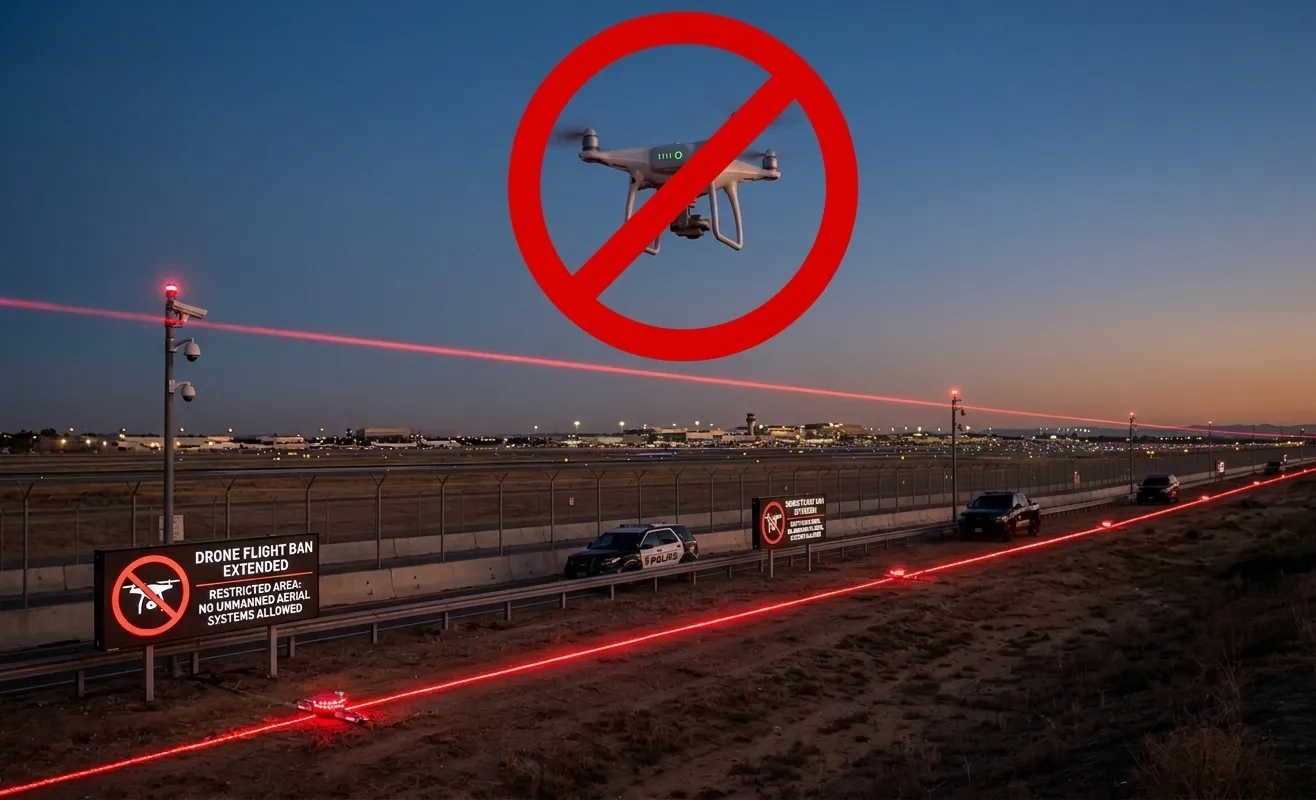
The drone flight ban in Punjab has been extended for an additional 30 days under section 144. This move reflects the state’s focus on maintaining security and control over drone activities in the region. Understanding the implications and reasons behind this extension is crucial for stakeholders, including hobbyists, businesses, and law enforcement agencies. As drones continue to grow in popularity for various applications, the regulation of their flight becomes a topic of significant importance. Let’s delve into the details surrounding this decision, its impact, and future perspectives on drone regulations in Punjab.
Understanding Section 144 and Its Application
Section 144 is a legal mechanism in India that allows authorities to issue orders in urgent cases of nuisance or apprehended danger. The usage of this section for the drone flight ban aims to address potential threats by temporarily restricting specific activities. In the context of Punjab’s drone flight regulation, it emphasizes the need for vigilance against unauthorized activities that could compromise regional security.
The application of section 144 in this scenario is indicative of the state’s proactive approach to managing unforeseen challenges. By curtailing drone usage temporarily, the administration can assess potential risks and respond adequately to any arising threats. Understanding this legal framework enables citizens and stakeholders to grasp the broader implications of such orders, especially when public safety is a priority.
Given the strategic importance of Punjab, nestled near international borders, the risks associated with unauthorized drone operations cannot be understated. This extension must therefore be viewed as a preventive measure, aiming to fortify the state against possible disruptions that could arise from unregulated aerial activities.
Moreover, this regulatory approach allows Punjab’s authorities to engage with communities and gather feedback on the effectiveness of such measures. By involving local populations and garnering a deeper understanding of the socio-political landscape, the state can fine-tune the application of section 144 to effectively communicate security measures and build public trust.
This context also fosters inter-agency cooperation, requiring collaboration between technology experts, law enforcement, and legal bodies, both at state and national levels. Such coordination ensures that the application of section 144 aligns with strategic security objectives while respecting civil liberties and encouraging compliance.
The Rationale Behind the Drone Flight Ban in Punjab
The primary rationales for implementing a drone flight ban in Punjab revolve around security concerns, law enforcement, and protection of public privacy. As technology advances, drones have become diverse tools capable of performing tasks from recreational flying to complex surveillance operations. This dual nature presents unique challenges because what could be benign in one context might be hazardous in another.
In recent years, concerns about drones being used for illicit activities, such as the smuggling of contraband across borders, have grown. Punjab, given its geographical proximity to international borders, experiences heightened security paradigms. Drones, in the wrong hands, can facilitate illegal activities that pose significant national security threats.
Thus, the extension of the drone flight ban is a strategic response aimed at mitigating such risks. By restricting drone usage, Punjab’s authorities can ensure that any aerial activities are thoroughly monitored and controlled, thereby safeguarding its citizens and infrastructure against undue threats.
Furthermore, public privacy is a key consideration underpinning the ban. Drones equipped with advanced cameras and recording devices could impinge upon personal privacy without regulation. Establishing boundaries that protect private spaces becomes vital in preventing unintentional intrusions into individuals’ lives, especially in populous settings or private properties.
Additionally, in leveraging this ban, the state can prioritize administrative capacity building by training law enforcement personnel on modern technologies, enhancing their capability to address potential drone-related threats quicker and more efficiently. Investment in technological solutions can be pivotal in improving the response time to possible incidents, creating a safer environment for all.
Impact on Varied Sectors
The decision to extend the drone flight ban in Punjab has broad implications that touch various sectors—from agriculture to logistics, entertainment to research. Each of these industries employs drones for purposes that range from crop surveillance to filmmaking. Therefore, understanding the impact of this ban assists stakeholders in planning alternate strategies to cope with these restrictions.
In agriculture, drones have revolutionized how farmers monitor crop health and manage resources. They provide aerial views that are invaluable for precision agriculture. However, the extension means farmers will need to revert to traditional methods or find technological alternatives compliant with current regulations.
The logistics sector, similarly, must contend with delays and adjustments in delivering goods. Companies leveraging drones for last-mile deliveries will have to seek alternative means during the ban’s duration. While this presents challenges, it also provides an opportunity for innovation in seeking compliant technologies.
Beyond agriculture and logistics, the research and development sector faces hurdles too. Many academic institutions and private enterprises are invested in studying drone technologies and their applications. These research projects may experience interruptions, necessitating recalibration and potentially stalling technological advancements temporarily.
The entertainment industry, which has embraced drones for dynamic filming and photography, also needs to reassess its methodologies. Filmmakers and photographers might resort to traditional equipment or augment their practices by adopting stationary aerial platforms, which could alter production timelines and budgets.
Public Perception and Challenges
Public opinion about the drone flight ban extension in Punjab is mixed. On one side, there is an understanding and support for the ban as a necessary step to ensure safety and security, especially in sensitive areas. On the other, there are frustrations due to the disruptions it causes for industries that rely heavily on drone technology.
For local communities, especially those near high-risk zones, such as border regions, the ban is largely seen as a reassuring move that enhances their security. They recognize the importance of preemptive actions to mitigate threats from unauthorized drone flights.
However, commercial entities and drone enthusiasts express concerns about limitations on their operations. The ban affects not only their daily activities but also the potential for innovation and development in drone technologies in the region. Balancing public safety with technological advancement remains an ongoing challenge that requires careful navigation by policymakers.
This divide in public perception underscores the importance of transparent communication from authorities regarding the rationale and expected outcomes of the ban. Engaging citizens through informational seminars or public meetings can bridge the understanding gap and foster a cooperative community eager to comply with safety measures.
Moreover, offering incentives or support to affected businesses and enthusiasts might alleviate some of the ban’s economic pressures. Through government programs focusing on resilience and adaptation, the state can nurture an environment that encourages innovation while adjusting to temporary setbacks.
The Role of Drones in Modern Society
Drones have quickly transitioned from novel gadgets to essential tools across multiple sectors. Their applications range from recreational usage to essential services in disaster management, photography, and environmental monitoring. As such, they represent a significant technological advancement in modern society.
In disaster management, drones provide quick and efficient surveys of affected areas, supplying vital information to first responders without the burden of risking additional human lives. This functionality reflects their potential to save lives and resources in critical situations.
Moreover, in environmental conservation efforts, drones aid in the monitoring of wildlife and tracking poaching activities, providing a non-intrusive method to collect important ecological data. The expansion of drone technology into these fields highlights its importance and the necessity for balanced regulatory frameworks.
Beyond these examples, drones are shaping societal functions in areas like meteorology, where they gather critical atmospheric data aiding in weather predictions and climate change analysis. Their deployment in infrastructure inspection, such as bridges and power lines, showcases their potential to enhance the safety and efficiency of maintenance procedures.
This continuous integration of drones into the societal fabric emphasizes the need to cultivate public understanding of their benefits, foster innovation, and implement regulations that accommodate growth while maintaining safety protocols.
The Future of Drone Regulations in Punjab
The future of drone regulations in Punjab is poised to be a substantial topic as the balance between security and progress continues to be debated. Policymakers must consider evolving technological capabilities and ensure that regulations keep pace with innovation to harness the benefits of this emergent technology effectively.
One crucial step forward could be the development of a comprehensive framework that classifies drones based on their application and potential risks, allowing for more nuanced regulatory approaches. This would enable responsible users to continue employing drones within defined limitations without compromising safety.
Furthermore, the introduction of advanced training programs and certification courses for drone operators could ensure that only qualified individuals are permitted to operate drones, reducing risks associated with amateur handling. As technology evolves, such measures could pave the way for a safe and secured aerial ecosystem.
Encouraging collaborations between educational institutions and drone manufacturers might also promote a harmonized development of technologies that are compliant with future regulations. This partnership can uncover innovative approaches to overcome current challenges, leading to thriving industries and benefiting Punjab’s socio-economic landscape.
Additionally, engaging international best practices through conferences or inter-regional dialogues can provide Punjab with insights into successful strategies implemented worldwide, adapting them to local circumstances for maximum efficacy.
Security Concerns and Threat Mitigation
Security concerns remain at the forefront of justifications for extending the drone flight ban in Punjab. The region’s geopolitical sensitivity intensifies the potential threats posed by unmonitored drone activities, necessitating rigorous security measures.
The threat mitigation strategy involves deploying technology-based solutions that can detect, track, and neutralize unauthorized drones. Implementing drone detection systems within sensitive areas provides a technological buffer against potential security threats.
Collaborative efforts across national and international agencies could further strengthen Punjab’s capabilities in identifying and addressing aerial threats. As part of a broader security strategy, these measures reinforce the necessity of teaming technological advancements with legislative actions.
Implementing predictive analytics to identify and anticipate potential drone threats can preemptively avert unauthorized operations through data-driven strategies. This strengthens the intelligence framework that supports physical and digital defenses against drone incursions.
Further investment in public-private partnerships can aid in developing local technologies specifically designed to target regional threats. Such collaboration ensures the state is not solely relying on imported solutions, but building bespoke systems that cater to Punjab’s unique security landscape.
Comparative Analysis with Global Regulations
Analyzing Punjab’s drone regulations within the global context reveals insights into the commonalities and differences in handling aerial technologies. Different countries adopt varying approaches based on their security situations, technological advancements, and public policy frameworks.
For instance, in the United States, the Federal Aviation Administration has established guidelines that permit commercial drone flights under specified conditions with proper licensing. This regulatory approach balances commercial innovation with governmental oversight.
In contrast, countries like the United Kingdom implement a risk-based regulation system where drone operations are classified based on risk assessment. Such comparative analyses can inspire Punjab to adopt a more sophisticated regulatory framework that aligns with international best practices.
Australia’s drone regulation, focusing on drone education and safety awareness programs, represents another model for inclusive governance that empowers users with information and skills to operate drones responsibly. This perspective can influence Punjab to create educational initiatives fostering safe drone operations.
Furthermore, insight from regions with stringent regulations, like the autonomous no-fly zones established in metropolitan areas within China, provides context on balancing the commercial potential of drones with urban safety considerations.
Economic Implications of the Ban
The economic implications of the drone flight ban extension in Punjab cannot be overlooked. It significantly affects industries reliant on drone technology, hindering growth, and operational efficiencies. Businesses across sectors must navigate these challenges to mitigate financial setbacks.
Particularly in the rapid delivery and logistics sectors, delays and additional costs associated with alternate transport methods could impact profit margins and customer satisfaction. Companies will need to innovate or incorporate compliant alternatives into their business models to sustain economic viability.
While the immediate economic effects may lean towards the negative, this period also opens avenues for growth in technology that ensures greater safety and compliance. This situation could foster innovation that aligns with new regulatory standards, encouraging sustainable progress.
The ban may also facilitate focus on other technologically driven avenues, such as enhancing AI and automation in logistics and agricultural processes, potentially offsetting some economic losses with the advent of novel, compliant technologies still under exploration.
Additionally, the state could leverage this time to build financial incentives and incubators supporting startups developing drone-based solutions that align with regulatory prescriptions, fostering an innovative ecosystem even within confines.
Conclusion: A Path Forward
The extension of the drone flight ban in Punjab reflects a strategic decision aimed at prioritizing security while reconciling the coexistence of technology and governance. As drones continue to become integral to multiple sectors, finding equilibrium between innovation and regulation is crucial.
The path forward involves crafting a detailed regulatory framework that comprehensively addresses the diverse applications and risks associated with drones. Policymakers must work collaboratively with industry experts, technologists, and security agencies to create policies that ensure safety and foster innovation.
By embracing a forward-thinking approach, Punjab can harness the potential of drone technology while safeguarding its citizens and infrastructure from unintended consequences. This initiative would not only enhance security but also solidify Punjab’s reputation as a progressive region adept at managing technological evolution.
As Punjab navigates its regulatory trajectory, ongoing dialogue with stakeholders and global entities will remain pivotal to understand and implement solutions that prioritize both progress and safety. Building on this foundation, the region can inspire other jurisdictions facing similar challenges, thereby establishing itself as an innovator in drone regulation and implementation.
Frequently Asked Questions
Why has the drone flight ban been extended in Punjab?
The extension addresses ongoing security concerns and aims to mitigate risks associated with unauthorized drone activities.
How does the drone flight ban impact local businesses?
Businesses relying on drone technology face challenges in operations and logistics, necessitating alternative solutions during the ban.
What legal framework governs the drone flight ban?
The ban is enforced under section 144, which allows for preventive orders to ensure public safety and security.
Are there alternatives to drone usage during the ban?
Businesses and individuals can explore compliant technology solutions or revert to traditional methods during the ban.
What is the international perspective on drone regulations?
Globally, countries adopt varying regulatory approaches balanced between innovation and oversight to ensure secure drone operations.



 Muhammad Abdullah |
June 29, 2026
Muhammad Abdullah |
June 29, 2026