The Punjab rain alert issued by the Provincial Disaster Management Authority (PDMA) for July 1-6 has prompted various stakeholders to brace themselves for potential heavy rainfall. As weather forecasts predict significant precipitation across Punjab, understanding the implications of this alert is crucial for both public safety and effective resource management. This detailed analysis explores the reasons behind the alert, the expected impact on the region, and measures residents can take to prepare for the adverse weather conditions.
The Science Behind Rain Alerts
The issuance of a Punjab rain alert signifies the prediction of unusual weather patterns that could lead to substantial rainfall. A combination of meteorological data, satellite imagery, and historical weather trends are analyzed to anticipate potential floods or storms. Meteorologists offer insights into atmospheric conditions, which play a significant role in developing such forecasts.
Predicting weather patterns is increasingly refined through technological advancements. Utilizing sophisticated models, weather predictions incorporate variables such as humidity, wind directions, and temperature fluctuations to offer precise alerts. For Punjab, understanding these dynamics allows authorities to respond effectively and mitigate potential disasters.
The continuous gathering of these data sets forms the bedrock of weather forecasting, allowing the PDMA to provide timely alerts. Public understanding of the complexities involved in such predictions fosters greater appreciation and responsiveness to these warnings.
Moreover, public awareness about the science behind these alerts can lead to greater trust in the systems developed to predict them. Programs designed to educate citizens on basic meteorological concepts can empower communities to interpret alerts with confidence. Such initiatives can bridge the gap between complex scientific information and everyday understanding, ultimately leading to more robust community preparedness.
Furthermore, exploring the psychological aspects of how alerts are received by the public can improve the communication of these warnings. Understanding public perception helps tailor messages that are more likely to be acted upon, thus enhancing the effectiveness of the warnings themselves.
Impact of Heavy Rainfall on Punjab’s Infrastructure
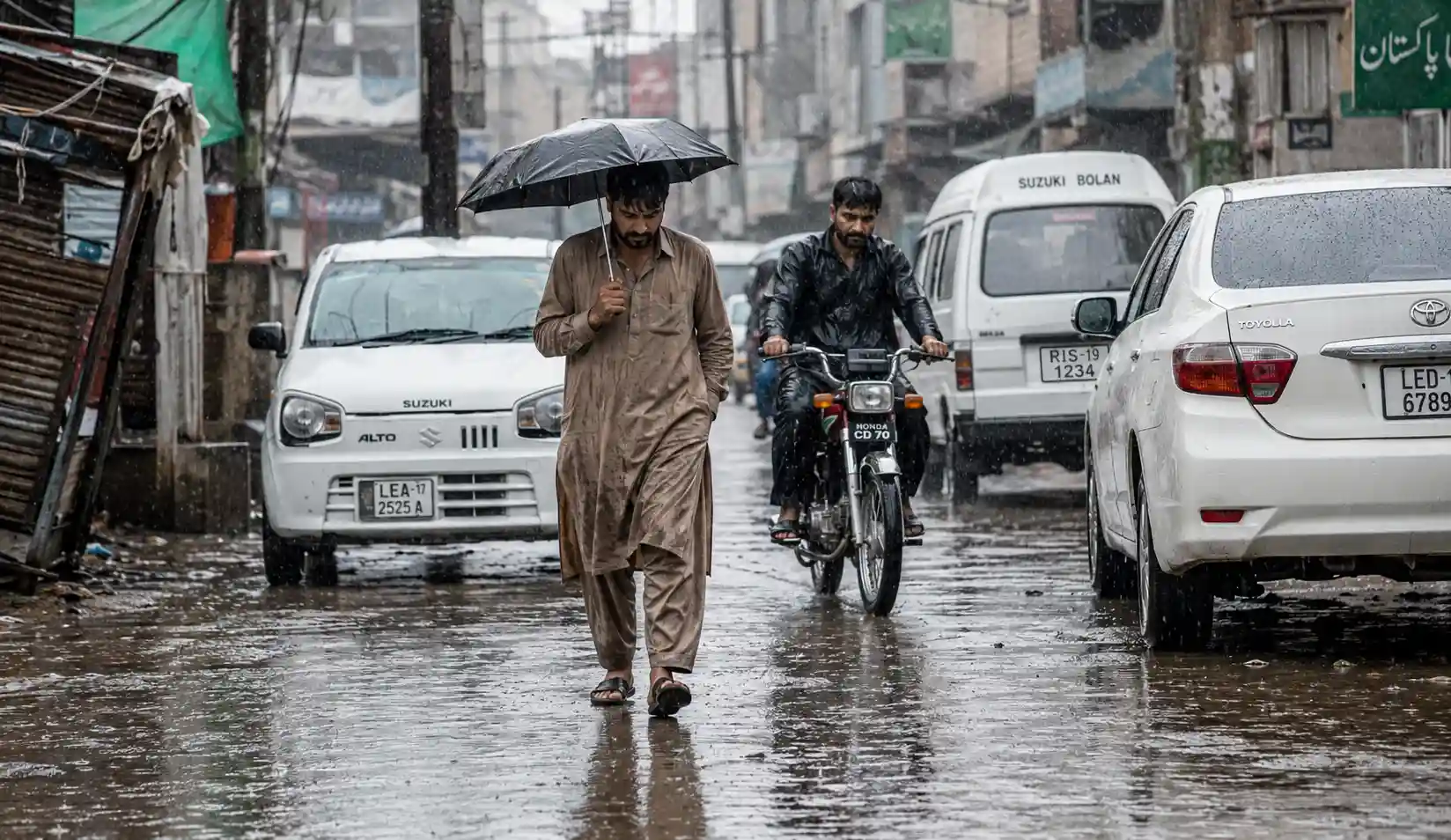
The Punjab rain alert underscores the potential for significant disruptions to the region’s infrastructure. Heavy rainfall often leads to flooding, which poses threats to road networks, bridges, and public amenities. Understanding these impacts is essential for government bodies to prepare appropriate responses.
Flooded streets cause public transportation delays and can hinder emergency response operations. This necessitates the development of robust infrastructural plans to counter the severity of expected weather conditions. Also, the authorities need to focus on maintaining drainage systems to avoid urban flooding.
Public awareness campaigns regarding protective measures and emergency contacts can alleviate some risks associated with infrastructure collapse. Thus, preparedness involves a collaborative effort between governmental agencies and the public.
Additional considerations include the role of modern engineering solutions in mitigating these infrastructural impacts. Innovative urban planning, such as the creation of green spaces to absorb excess rainwater, can serve as effective countermeasures. Implementing updated building codes and standards can also help to create resilient infrastructure capable of withstanding heavy rainfall conditions.
The economic implications of infrastructural damage must be contemplated, including the costs related to repairs and prolonged disruptions in daily activities. Understanding these financial burdens can lead to more strategic investments in infrastructure resilience, ultimately benefiting the entire community.
Agricultural Concerns Arising from Rain Alerts
Punjab’s rain alert poses immediate concerns for the agricultural sector, which is heavily reliant on stable weather patterns. Farmer communities could face crop damage, affecting yield production significantly. Adverse weather conditions can lead to waterlogging, creating an environment unfavorable for many crops.
Farmers must remain vigilant and deploy preventive measures such as improved drainage in fields and protective coverings for vulnerable crops. The government may also advise on insurance schemes that mitigate potential financial burdens due to severe weather impacts.
Moreover, expert agronomists can provide strategic planting advice, encouraging resilience against frequent weather disruptions. Integrating traditional knowledge with modern technologies ensures a well-rounded approach to preservation efforts in agriculture.
Furthermore, examining case studies of regions that have effectively managed agricultural challenges during heavy rains can provide valuable lessons. Exploring successful strategies, such as crop diversification or soil management techniques, can aid farmers in adapting to climatic challenges. Support from government programs and agricultural cooperatives can further enhance these adaptive measures.
The social implications of agricultural disruptions are also noteworthy. Farmers’ livelihoods and local food security are at stake, highlighting the necessity of community support and coordinated response efforts in times of crisis. Strengthening social networks and sharing resources can lead to more resilient agricultural communities.
Health Risks Linked to the Rain Alert
The Punjab rain alert also raises public health concerns. Prolonged rainfall can result in waterborne diseases as stagnant water becomes breeding grounds for mosquitoes, leading to outbreaks like malaria and dengue. Health organizations need to be proactive in preventive measures.
Public advisories about sanitation and clean water usage are crucial during this period. Additionally, health departments should coordinate with local authorities to manage possible disease outbreaks swiftly.
Ensuring healthcare centers are equipped for increased demand during and after the alerted period is essential. Collaborations between health professionals and communities create a resilient framework for handling health crises effectively.
Adding to this, the role of education in preventing health risks cannot be underestimated. Health education campaigns tailored to various demographics can ensure that preventive measures are understood and adopted widely. This, in turn, can help flatten the curve of potential health crises resulting from heavy rainfall.
The mental health impacts of prolonged adverse weather conditions are another aspect that requires attention. Stress and anxiety may arise due to disruptions in daily life and fears of health risks. Healthcare providers can offer support services and community outreach programs to address these psychological effects, ensuring a more holistic approach to public health.
Emergency Preparedness Measures for Residents
Following the Punjab rain alert, emergency preparedness is a critical aspect for residents. Essential actions include understanding evacuation routes, preparing emergency kits, and securing property to minimize damage. Public awareness programs initiated by authorities can guide residents in these efforts.
Equipping households with basic needs such as non-perishable food, clean water, and first aid supplies can provide temporary relief and secure safety during emergencies. Networking with neighbors to share resources and information also builds communal resilience.
Local disaster management drills may enhance readiness by simulating potential scenarios and offering practical responses. Emphasizing community unity fosters a swift, coordinated reaction to emergencies.
Expanding upon this, the importance of involving diverse community groups in emergency preparedness cannot be overstated. Tailoring preparedness programs to meet the specific needs of vulnerable populations, such as the elderly or those with disabilities, ensures an inclusive approach that enhances overall community resilience.
Similarly, exploring new technologies for emergency preparedness can transform traditional approaches. Using mobile applications to disseminate real-time information or employing digital platforms for community training sessions can reach a wider audience, thereby enhancing the effectiveness of preparedness efforts.
The Role of Media in Disseminating Rain Alerts
Effective communication of the Punjab rain alert relies heavily on media channels. Both traditional media outlets and digital platforms play a significant role in spreading timely information to the masses. Media’s obligation is to offer clear, accessible updates that prevent panic while encouraging preparedness.
The incorporation of real-time updates through social media can widen reach and foster an informed public. Influencing positive engagement and interactions enhances the public’s ability to cope with the implications of such weather alerts.
Trust and reliability in media reporting are fundamental standards that must be upheld to ensure audience loyalty. Collaborating with meteorological experts provides authenticity and authority to media coverage during these critical periods.
Diversifying the messaging strategies to cater to various audiences, including language variations and accessibility options for those with disabilities, ensures that the messages reach everyone effectively. Media channels that offer inclusive content gain trust and create a community bond that is vital during emergencies.
Case studies of media’s role in past emergencies may serve as templates for effective communication strategies in current scenarios. Lessons learned from past experiences can guide media outlets in crafting messages that are timely, accurate, and resonate with public needs, ultimately fostering stronger public trust.
Historical Patterns in Punjab’s Rainfall
Understanding historical rainfall patterns gives context to the current Punjab rain alert. Examination of past data reveals trends that influence the heavy rain predictions made today. Notably, Punjab’s monsoon seasons have seen fluctuating levels of precipitation, some leading to severe floods.
Historical analysis of previous response measures showcases strategies that succeeded or failed, providing a learning curve for current efforts. Studying these patterns aids in predicting future occurrences, allowing proactive planning rather than reactive responses.
The interpretation of historical data also offers insight into climate change effects and evolving weather patterns, encouraging continuous adaptation in strategies and regulations.
Further exploration into the impact of broader climatic phenomena like El Niño and La Niña on historical rainfall trends in Punjab can enhance the contextual understanding of current conditions. This knowledge can aid in refining predictive models and tailoring specific response strategies.
Collaboration with international meteorological bodies in analyzing global weather patterns provides additional layers of data and expertise. This collaboration ensures that Punjab’s weather forecasting is aligned with international standards and best practices, enhancing regional resilience to climate variability.
Policy Implications of Frequent Rain Alerts
The frequency of rain alerts in Punjab hints at broader implications for policy development concerning climate resilience and mitigation strategies. Policymakers are tasked with integrating weather forecast strategies into broader urban planning and developmental agendas.
Investments in infrastructure improvement and sustainable development are crucial to withstanding similar challenges in the future. Policy frameworks may encourage research and development investments to enhance predictive models and disaster readiness.
Collaboration across governmental departments ensures aligned goals and seamless execution of strategies, facilitating more effective responses to frequent rainfall alerts.
Furthermore, policy implications extend to education and public awareness initiatives. Incorporating climate education into school curriculums and community programs fosters a culture of awareness and preparedness from a young age, laying the groundwork for a future generation more attuned to environmental challenges.
Global cooperation in policy development provides a framework for sharing best practices and aligning efforts to address cross-border climate challenges. Learning from international success stories in climate resilience can inspire innovative policy measures that enhance Punjab’s ability to navigate frequent rain alerts.
Community Involvement and Awareness
The Punjab rain alert underlines the significance of community involvement. Empowering residents with knowledge about safety measures and the importance of vigilance fosters community resilience against adverse weather conditions.
Workshops and community meetings offer platforms for knowledge exchange on weather impacts and collective strategies. Encouraging local leadership within communities helps in organizing relief efforts efficiently during potential crises.
Cultural engagement also plays a role in sustaining awareness through local art, narratives, and traditions, translating technical information into accessible formats that resonate with community values and practices.
Exploring the role of digital platforms in enhancing community engagement can unlock new avenues for coordinated response efforts. Platforms that facilitate real-time communication among community members and local authorities encourage a unified approach to managing adverse conditions.
In preserving cultural traditions and leveraging them as tools for environmental education, community awareness programs can marry traditional wisdom with modern scientific understanding. This fusion creates a more relatable and effective means of communicating preparedness strategies, fostering a stronger community identity and resilience.
Conclusion: Navigating Future Rain Alerts in Punjab
The Punjab rain alert for July 1-6 serves as a reminder of the complex interplay between weather forecasting, infrastructure, agriculture, health, and policy. Comprehensively understanding and addressing these interconnected domains equip Punjab to face these challenges more robustly.
Collaboration among government agencies, media, communities, and other stakeholders ensures a coordinated response that enhances safety and minimizes disruptions. Continuous learning from historical data and adapting policy frameworks remain key to future preparedness.
By acknowledging both the opportunities and challenges posed by such alerts, Punjab can develop robust systems to manage weather-related adversities, safeguarding its people and maintaining resilience in the face of climate variability.
Emphasizing the importance of ongoing research and development in weather technology and climate science is vital to staying ahead of potential challenges. By engaging in continuous dialogue with global experts and stakeholders, Punjab can align itself with cutting-edge solutions, ensuring a proactive stance against future weather perturbations.
Looking ahead, fostering a culture of adaptability and resilience through strategic education, policy alignment, and community involvement will be crucial. As weather patterns evolve, so must Punjab’s strategies to ensure that its response capacity remains robust, comprehensive, and inclusive.
Frequently Asked Questions
What is the PDMA’s role in issuing rain alerts?
The Provincial Disaster Management Authority (PDMA) is responsible for monitoring weather patterns and issuing alerts like the Punjab rain alert to prepare and protect communities.
How can residents prepare for the Punjab rain alert?
Residents can prepare by securing their homes, preparing emergency kits, understanding evacuation routes, and participating in community awareness programs.
What impact does heavy rainfall have on agriculture?
Heavy rainfall can lead to crop damage and waterlogging, affecting agricultural yields. Farmers are encouraged to adopt preventive measures and consider agricultural insurance.
How does media contribute during rain alerts?
Media plays a crucial role by disseminating information quickly to a wide audience, ensuring that residents are informed and can take necessary precautions.
Why is understanding historical rainfall patterns important?
Historical patterns help predict future occurrences and guide policy development, enhancing the region’s ability to prepare for similar weather events.




 Muhammad Abdullah |
June 29, 2026
Muhammad Abdullah |
June 29, 2026