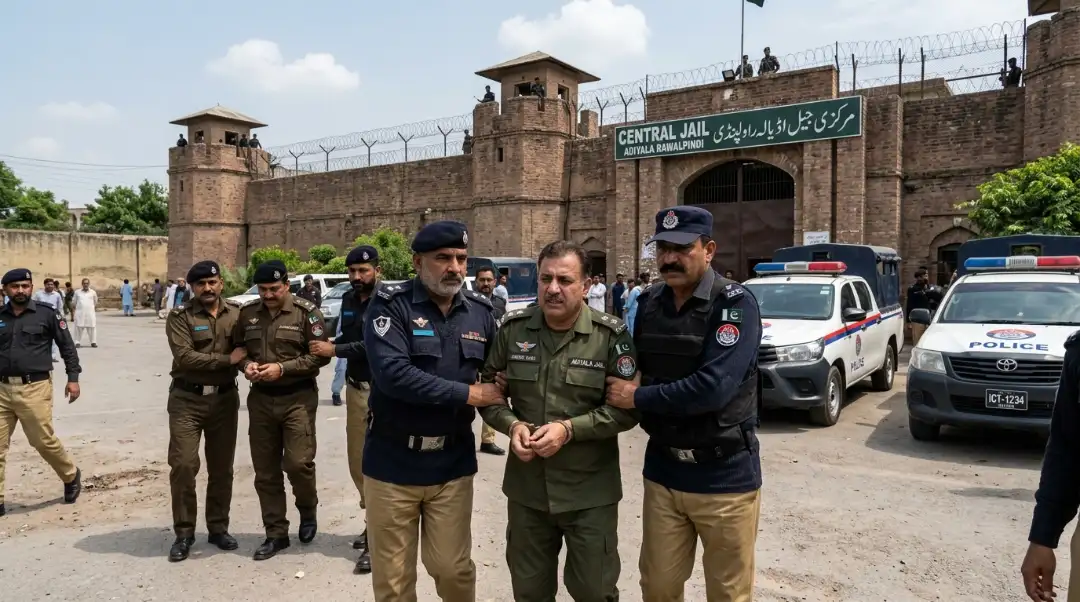
The recent arrest of five Adiala jail officials following the escape of 14 prisoners has sent shockwaves throughout the region, reigniting debates about the state of prison security and administration in Pakistan. This incident not only questions the integrity and reliability of the jail system but also highlights numerous underlying issues, from corruption and inadequate training to systemic failures. The outcome of these arrests will be pivotal both for the justice system and for public perception about law enforcement efficacy.
The Incident: What Happened at Adiala?
The escape of 14 prisoners from Adiala jail marks one of the most significant breaches in recent history. On the surface, it appeared as a simple escape, but the subsequent investigation revealed a deeper, more intricate plot involving negligence and collusion. The prisoners, who were being held for various offenses, managed to cut through bars and circumvent security measures, escaping into the night without raising any immediate alarms.
Security footage and preliminary inquiries indicated that the escape was not a solitary effort. It involved meticulous planning both inside and outside the prison walls. The arrested officials allegedly played a critical role in facilitating the escape by providing tools and turning a blind eye to unusual activities within the premises.
This incident has exposed glaring vulnerabilities in the prison’s security apparatus and called into question the standard operating procedures that were in place to prevent such occurrences. Questions have arisen about the guards’ training and the overall vigilance of the prison staff. Were there lapses in monitoring systems or were there deliberate oversights?
Moreover, discussions about the psychological effects on staff who may face pressure or threats from the inmates or outside parties have emerged. How do these pressures influence their judgment and integrity? Are there support mechanisms in place to help staff resist these pressures, or does the system itself need reform?
Security Flaws in Prisons: A Nationwide Concern
The incident at Adiala jail is not an isolated one when discussing security in correctional facilities across Pakistan. Prisons across the nation are often underfunded, understaffed, and ill-equipped to handle the demands of modern-day security needs. The inadequacies in training, combined with outdated surveillance technology, contribute to an environment where breaches can and do occur.
Recent reports suggest that many prisons operate beyond their capacity, leading to issues like overcrowding and insufficient guard-to-inmate ratios, which can compound these security flaws. Additionally, the reliance on manual security checks, rather than adopting technological advancements, further exacerbates the problem.
The case of Adiala has become a focal point in calls for nationwide prison reform, aiming to tackle these systemic security issues head-on. One potential solution being discussed is the deployment of advanced technology, such as AI-driven surveillance systems, which can provide real-time monitoring and early warning indicators of potential breaches.
This incident raises the question of infrastructure investment in prisons. Are there enough funds allocated to upgrade existing facilities, or is the budget perpetually strapped? How do these financial constraints affect long-term strategic planning for correctional reforms and what steps need to be taken to secure appropriate funding?
Responsibilities and Failures of Adiala Jail Officials
The arrests of the Adiala jail officials underline the ethical and procedural failures that were at play. As key figures responsible for maintaining the integrity of the institution, their involvement in the escape has raised serious ethical concerns, suggesting potential for corruption and dereliction of duty.
The officials were custodians of the law, tasked with ensuring that justice was served fairly and securely within the institution. However, their alleged involvement has sparked outrage, leading to questions about the vetting and oversight mechanisms in place for prison staff.
This incident has highlighted the need for rigorous periodic reviews of prison staff conduct and comprehensive integrity checks to prevent future occurrences of collusion or negligence. Beyond just periodic reviews, there is a need for a culture of accountability and continuous improvement in operational practices.
A systemic analysis of the prison environment’s effect on staff morale and ethics is also crucial. Are staff adequately compensated and valued to deter them from corruption? Exploring motivational factors and incentives to maintain integrity could provide new avenues for policy improvements.
Legal Implications of the Escape
The legal ramifications of this escape are far-reaching. Not only are the escaped prisoners now fugitives, but the arrested officials are also facing severe charges, including conspiracy and breach of duty. These charges, if proven, could lead to significant legal consequences and set precedents for similar cases in the future.
Legal experts have weighed in on the potential outcomes, predicting lengthy trials that could unveil even deeper-seated issues within the prison administrative framework. The involvement of law enforcement agencies and the judiciary in this case will be under the microscope as the nation watches the legal process unfold.
This incident could potentially lead to reviews and the strengthening of legal frameworks governing prison operations and employee conduct across the country. Legal scholars have suggested that this might be an opportune moment to review existing laws regarding prison management, with particular attention to accountability and transparency.
The potential impact on international relations also needs consideration. How will neighboring countries perceive Pakistan’s legal robustness, and could there be advice or pressure from international bodies to ensure the rectification of systemic issues?
Historical Comparisons: Lessons from Other Escapes
The escape from Adiala jail bears resemblance to several high-profile prison breaks in history, both domestically and internationally. Looking at past incidents can provide valuable lessons on how such events unfold and what preventative measures can be enacted.
Globally, countries like the United States, Brazil, and Mexico have experienced dramatic prison escapes that involved various levels of inside assistance. These cases almost always led to structural reforms in the justice and correctional systems.
By studying these global examples, Pakistan can adopt best practices, focusing on technological enhancements and stringent staff protocols to mitigate similar risks in the future. Historical analyses also reveal common factors leading to escapes, such as inadequate security personnel training, poor infrastructure, and lack of proper inmate classification systems.
Other valuable lessons can be learned from international cooperation and information-sharing mechanisms that could prevent future escapes. Could partnerships with international correctional institutions provide insight into best practices and innovative security measures?
Public Reaction and Media Coverage
The public and media reaction to the Adiala jailbreak has been intense. The news has dominated headlines, with many expressing concern over the apparent vulnerabilities in one of the nation’s key correctional facilities. Social media platforms have been ablaze with questions and theories, reflecting public unrest and diminishing trust in the institutions meant to ensure safety and justice.
Media outlets have been relentless in their coverage, conducting interviews with legal experts, former inmates, and human rights advocates to shed light on the broader implications of the incident. The consensus is clear—the nation demands accountability and reassurance that justice will be served.
This coverage has highlighted the role of the media as a powerful watchdog, ensuring public awareness and triggering critical discussions about systemic reform. Additionally, the media’s role in shaping public perception and influencing policy decisions is increasingly evident in how the story is framed and presented.
Reflecting on the media’s role, one must consider the balance between sensationalism and responsible journalism. Is the coverage sparking meaningful discussion and awareness, or merely feeding scandal cycles that may affect the nation’s image both domestically and abroad?
Impact on Prison Policy and Reforms
In the wake of the Adiala incident, policymakers are under pressure to initiate reforms targeting prison administration and security. The need for a multi-faceted approach, incorporating technological, procedural, and human resource changes, has never been more apparent.
There has been discussion about increasing budgets for correctional facilities to enable the integration of advanced surveillance technologies and enhanced training programs for staff. Moreover, implementing more stringent hiring practices and ongoing staff evaluations can help maintain a skilled and ethical workforce.
If properly leveraged, the lessons from this incident can spearhead meaningful policy changes, strengthening the entire prison system in Pakistan. Political will and public support for reform initiatives will play critical roles in realizing these envisioned changes.
Exploring innovative solutions such as virtual training for prison staff or the implementation of predictive analytics could be groundbreaking. How could digital transformation efforts collaborate with law enforcement agencies to implement more holistic and effective prison reforms?
Psychological and Social Factors
The psychological aspects surrounding prison breaks, particularly in the case of Adiala, shed light on broader socio-economic issues. Many prisoners might see escapes as a desperate response to harsh conditions, highlighting the need for infrastructural and psychological reforms within prison walls.
The societal perception of prisons as punitive rather than rehabilitative institutions can contribute to the cycle of crime and escape attempts. A shift in perspective towards more reformative practices may reduce the likelihood of future incidents.
By addressing the psychological needs of inmates and fostering an environment of rehabilitation rather than merely punishment, authorities can mitigate some of the underlying motivations for escape. Collaborative efforts with psychologists and social workers to address mental health needs could be a pivotal part of this reform.
Rehabilitation programs that focus on skills training, education, and reintegration could transform how prisoners perceive their future. Are there successful models globally, perhaps from Scandinavian countries, that provide a blueprint for reformative approaches?
Future Prevention Strategies for Jail Breaks
Preventing future jailbreaks necessitates a proactive and comprehensive strategy involving modern technology, enhanced training, and vigilant oversight. Incorporating advancements such as AI-driven surveillance and automated alert systems can dramatically improve security outcomes.
Collaborative approaches involving local communities and law enforcement agencies can also create an additional layer of security, potentially reducing the likelihood of successful escape attempts. Engaging communities in rehabilitation initiatives further smooths the path for reintegration of former inmates upon release.
By combining technological advances with community engagement, authorities can create a more secure and collaborative framework for preventing future jailbreaks. Strategic partnerships with technology firms and intelligence agencies could foster a culture of innovation and security readiness.
Could prevention strategies also incorporate restorative justice principles that focus on healing and community involvement, thus reducing recidivism rates and building public trust?
The Global Context: Comparative Analysis
Understanding how other nations have tackled similar crises provides a wealth of knowledge for forming effective prevention strategies. Countries around the world have implemented a variety of techniques, from high-tech security systems in Singapore to community-focused rehabilitation models in Norway.
Examining the successes and failures of these international approaches can inform more nuanced policies in Pakistan. How might global collaborations contribute to a more secure and humane incarceration environment? Would partnerships with international NGOs dedicated to prison reform become feasible?
Global perspectives on prison reform often highlight a core tension between security and humanity, an area ripe for exploration. Are there lessons from both developed and developing countries that could inform a more balanced approach?
Conclusion: The Path Forward for Adiala and Beyond
The jailbreak from Adiala jail has unveiled significant challenges within the prison system, demanding an immediate, coordinated response from all stakeholders. The arrest of the five officials represents only the beginning of what needs to be a thorough examination of policies, security measures, and administrative practices.
While the incident has undoubtedly shaken public confidence, it also opens the door for transformative change and improvement within the system. By addressing both the immediate concerns and the broader systemic issues, authorities have the opportunity to reinforce the prison justice framework, ensuring fairness, safety, and integrity.
Moving forward, a focus on accountability, transparency, and innovation will be crucial in rebuilding trust and safeguarding against future incidents. The lessons learned here could serve as a catalyst for much-needed reforms, both in Adiala jail and throughout the nation’s correctional facilities.
What emerges from this crisis could be a landmark transformation in Pakistan’s correctional approach, blending security with rehabilitative compassion. How will these reforms shape the future landscape of the country’s law enforcement and societal values?
Frequently Asked Questions
What led to the escape from Adiala jail?
The escape involved meticulous planning and collaboration with the jail staff, who allegedly provided tools and overlooked security protocols.
What are the consequences for the arrested Adiala jail officials?
The officials face severe charges, including conspiracy and breach of duty, which could result in significant legal consequences if proven.
How has the public reacted to the Adiala jail escape?
The public reaction has been one of concern and unrest, with calls for accountability and systemic reforms dominating the discourse.
What reforms are being proposed for prison security?
Proposed reforms include investing in advanced surveillance technologies, enhanced staff training, and more stringent hiring practices.
How may other countries’ experiences with jailbreaks inform Pakistan’s approach?
By studying global examples, Pakistan can adopt best practices focusing on technological improvements and stringent staff protocols.




 Muhammad Abdullah |
June 30, 2026
Muhammad Abdullah |
June 30, 2026