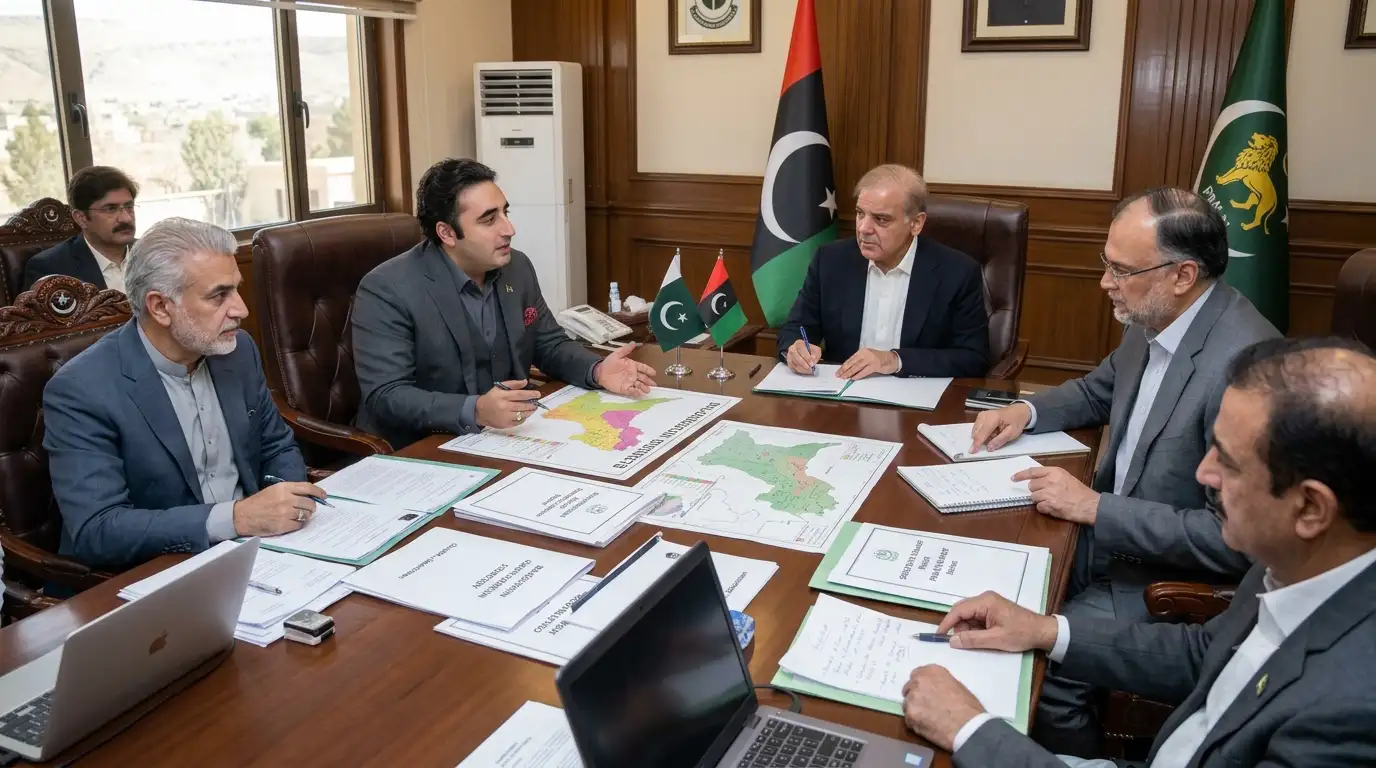
The political landscape of Pakistan is undergoing significant shifts as major parties like Pakistan People’s Party (PPP) and Pakistan Muslim League-Nawaz (PML-N) engage in crucial discussions regarding the Balochistan cabinet change. The decisions taken within these meetings do not merely impact the local governance of Balochistan but also reflect larger national political strategies. Balochistan, often considered the heart of Pakistan due to its strategic geographic position and wealth of natural resources, is facing a potential cabinet reshuffle that could alter the region’s political and economic trajectory. The current consultations underscore an intricate blend of political maneuvering, strategic alliances, and the ever-present desire for stability in volatile regions.
The Political Importance of Balochistan
Balochistan is not just a province; it’s a cornerstone in Pakistan’s political fabric. Its importance stems largely from its strategic location bordering Iran and Afghanistan, as well as its wealth of natural resources including coal, gold, and natural gas. For parties like PPP and PML-N, controlling this region bolsters their national influence and cements their political narratives. Historically, Balochistan has been a region of unrest due to both internal and external factors, making its governance particularly challenging.
The ongoing consultations suggest that both PPP and PML-N recognize the fragility and potential of the region. They understand that any change in the Balochistan cabinet must be carried out with precision and foresight to avoid exacerbating tensions. This reflects a larger national strategy aimed at stabilizing politically sensitive areas.
At the heart of these discussions are agreements on power sharing, economic interests, and developmental goals that would ensure a measure of political stability and economic progress in the region. This situation showcases how local governance in Balochistan can have ripple effects across the nation, impacting trade, security, and international relations.
The province’s significance is further underscored by its role in major projects like the China-Pakistan Economic Corridor (CPEC), which has regional and international implications. The strategic coastline offers critical access routes for trade, making it a vital asset for national economic development. Balancing national and provincial interests is crucial, as the decisions made can affect not only local populations but also Pakistan’s standing on the global stage.
Historical Context of Political Alliances
The collaboration between PPP and PML-N regarding the Balochistan cabinet is emblematic of the fluid nature of political alliances in Pakistan. Both parties have a storied history of rivalry and cooperation. Understanding their dynamics requires a deep dive into Pakistan’s political history—an arena where partnerships can be as fleeting as they are critical.
Historically, the PPP and PML-N have been the two dominant political forces in Pakistan. However, regional politics, such as that in Balochistan, often necessitate cooperation over competition. This is not the first time these parties have looked beyond their differences to form alliances in the face of greater challenges.
The current discussion is reminiscent of past collaborations where both parties have come together to address national crises or to counterbalance other political forces, such as the rise of Pakistan Tehreek-e-Insaf (PTI). By coming together, PPP and PML-N aim to create a balanced political environment, one that can withstand internal challenges while also addressing external pressures.
The rich tapestry of political alliances in Pakistan often showcases how governance is influenced by pragmatic decisions. Navigating the dynamic nature of political relationships involves skillful diplomacy and an understanding of mutual benefits. This cabinet change serves as a reminder of how important tactical cooperation is when addressing issues that have far-reaching consequences at both regional and national levels.
Economic Implications of Cabinet Reshuffle
The potential reshuffle of the Balochistan cabinet also carries significant economic implications. The province’s economy is deeply intertwined with its political stability. Changes in the cabinet can directly impact the flow of investment, the implementation of development projects, and the overall economic outlook of the region.
Given the province’s wealth in natural resources, effective governance is crucial to unlocking its economic potential. An unstable political environment can lead to disrupted projects and wary investors, further delaying the much-needed economic progress in Balochistan. Therefore, the stakes are high for both PPP and PML-N as they deliberate over the best course of action.
Strategic economic goals are likely at the forefront of their discussions, aimed at leveraging Balochistan’s resources for greater economic benefits while ensuring equitable resource distribution. This also includes setting up frameworks to attract both national and international investments, fostering a business-friendly environment that could lead to sustainable growth.
The economic potential of Balochistan isn’t just about local prosperity but also involves broadening pathways to international markets. Optimizing trade routes through Gwadar Port, and encouraging industrial zones, could transform Balochistan into a vibrant economic hub. This necessitates comprehensive policies that cover infrastructure development, regulatory reforms, and incentives designed to draw investments that could energize the region economically.
Social Impact and Public Perception
Beyond political and economic ramifications, the cabinet change in Balochistan is likely to have sweeping social impacts. It is crucial to consider how these political maneuvers will be perceived by the public, particularly in regions characterized by ethnic diversity and historical grievances.
The social fabric of Balochistan is complex, with a multitude of ethnic groups including Balochs, Pashtuns, and Hazaras, each with unique expectations and contributions to the local culture. The manner in which this cabinet reshuffle is handled could either mitigate or inflame existing tensions, making public perception a key aspect of the ongoing discussions.
PPP and PML-N must navigate these intricacies carefully, ensuring that the resulting governmental structure reflects the diverse social makeup of the province. Transparency, inclusion, and dialogue are essential components that will determine how the populace views these political developments. A failure to adequately address social concerns could sow seeds of discontent and undermine the region’s long-term stability.
Moreover, engaging community leaders and civil society in the cabinet transition process can foster a sense of ownership and alignment with governmental objectives. Empowering local communities with decision-making roles acknowledges their importance in the political system and promotes a culture of participation that goes beyond token representation.
Balochistan Cabinet Change in the National Context
The Balochistan cabinet change is not an isolated event; it must be viewed within the larger national context where political, economic, and security concerns are intricately linked. As the largest geographic and one of the most resource-rich provinces, Balochistan plays a pivotal role in national strategies.
For the PPP and PML-N, the timing of this cabinet change is significant. Nationally, both parties are attempting to consolidate their positions and expand their influence. With General Elections on the horizon, showcasing effective governance in Balochistan can be a vital component of their election strategy.
Moreover, stability in Balochistan contributes to broader national security. The province’s stability is crucial in countering insurgencies and managing border relations with neighboring countries. Hence, the Balochistan cabinet change is not just about regional politics but a strategic move with wide-ranging implications.
As political strategies are reevaluated and realigned, the interplay between national policies and regional demands becomes a key focus area. The insights gained from managing Balochistan’s cabinet transition can inform national-level decisions regarding decentralization, autonomy, and equitable distribution of power among provinces. This precedent could pave the way for more inclusive governance models across Pakistan.
Security Considerations in Balochistan
Security is a key concern in Balochistan, a region prone to insurgency, militant threats, and cross-border tensions. The cabinet reshuffle brings new leadership dynamics that could either enhance or complicate the security landscape. PPP and PML-N have to ensure that any political changes strengthen the province’s security apparatus.
The security stability of Balochistan also impacts national and regional peace. It’s essential to integrate the military’s perspectives with political strategies, creating a cohesive approach to safeguard the region. This balance between military and civilian governance is a significant aspect of the cabinet change discussions.
Additionally, international stakeholders have vested interests in Balochistan’s security due to its global economic linkages and strategic position. As such, PPP and PML-N must consider a multifaceted approach to security, going beyond military presence to include socio-economic development and community engagement as pillars of sustainable peace.
Addressing security concerns involves not only managing immediate threats but also implementing long-term strategies focused on human security. Initiatives that promote education, healthcare, and economic opportunities can be instrumental in eradicating the root causes of instability. By enhancing human development indices, the leadership can contribute to a more secure and resilient Balochistan.
The Role of Leadership and Governance
Effective leadership is crucial to navigating the complexities of Balochistan’s political landscape. The new cabinet will require leaders with strong vision and the capability to execute strategic plans. Identifying such leaders is a priority for the PPP and PML-N during their consultations.
Governance in Balochistan necessitates a dynamic understanding of regional issues, including tribal dynamics, economic disparities, and developmental needs. Leaders who can bridge the gap between traditional governance structures and modern political requirements are essential for the province’s progress.
Moreover, governance in Balochistan involves tackling corruption head-on, ensuring transparency in decision-making, and fostering trust between the government and the populace. These governance issues are likely focal points in the ongoing cabinet discussions, with an aim to turn political promises into reality.
As new strategies unfold, building robust governance frameworks that uphold integrity and accountability will be crucial. Leaders must embody a forward-thinking approach that aligns provincial goals with national priorities while staying receptive to local voices. Continuous engagement with various stakeholders, including non-governmental organizations and international partners, can provide the insights and resources necessary for comprehensive governance improvements.
PPP and PML-N’s Strategic Objectives
The strategic objectives of both PPP and PML-N in the Balochistan cabinet change reflect broader political goals. For PPP, increasing its influence in Balochistan reaffirms its position as a key player in national politics. For PML-N, strengthening its foothold in the province can translate to greater electoral gains and leverage against other political opponents.
Both parties are keenly aware that their actions in Balochistan could set the tone for future provincial and national elections. As such, their strategic objectives include showcasing effective governance, ensuring resource maximization, and projecting unity—factors that can sway public opinion and political capital in their favor.
These consultations also represent a test of the parties’ diplomatic skills and the ability to maneuver through complex political terrain without losing sight of their long-term ambitions. The outcomes could have profound implications on their future political trajectories and their roles on the national stage.
A successful collaboration could serve as a blueprint for future political maneuvers, where strategic partnerships are forged based on mutual interests rather than ideological divides. This adaptability to political realities showcases a maturity in governance that can lead to greater political stability and consistency in policy implementation across Pakistan.
Concluding Thoughts on the Balochistan Cabinet Change
The ongoing dialogue between PPP and PML-N regarding the Balochistan cabinet change signifies a crucial moment in Pakistan’s political landscape. This collaboration is more than a regional power play; it is a lesson in political strategy, governance, and coalition-building. As both parties navigate through complex power dynamics, the implications of their decisions will reverberate throughout the country.
Understanding the full scope of changes in Balochistan requires a multifaceted analysis, from examining political alliances to recognizing social and economic impacts. The province’s future is intricately tied to national stability and progress, making these discussions of paramount importance.
Ultimately, the Balochistan cabinet change illustrates a pivotal opportunity for PPP and PML-N to demonstrate leadership and vision, both regionally and nationally. The outcomes will shape not only Balochistan’s trajectory but could redefine political paradigms in Pakistan, offering insights into how major political players can collaboratively address intricate challenges.
This moment is a testament to the evolving nature of Pakistan’s political engagement, where local actions translate into national narratives and set precedents for future governance. The lessons from this process can inspire a more harmonious, cohesive approach to addressing challenges not only in Balochistan but throughout the country.
Frequently Asked Questions
What is the significance of Balochistan’s cabinet change?
The cabinet change in Balochistan is significant due to its strategic location and resource wealth, influencing both regional stability and national politics.
How do PPP and PML-N view Balochistan?
PPP and PML-N view Balochistan as a crucial province for establishing political influence and fostering economic growth, understanding its potential to impact national strategies.
What are the potential economic impacts of the cabinet reshuffle?
Economic impacts include influencing investment flows and development projects, as stable governance in Balochistan is vital for economic progress.
How are security issues in Balochistan addressed?
Security challenges are addressed through a combination of military presence and political strategies, aiming to integrate socio-economic development with security measures.
Why are political alliances important for this change?
Political alliances, such as that between PPP and PML-N, are crucial for stability and effective governance amidst Balochistan’s complex political landscape.



 Muhammad Abdullah |
June 30, 2026
Muhammad Abdullah |
June 30, 2026