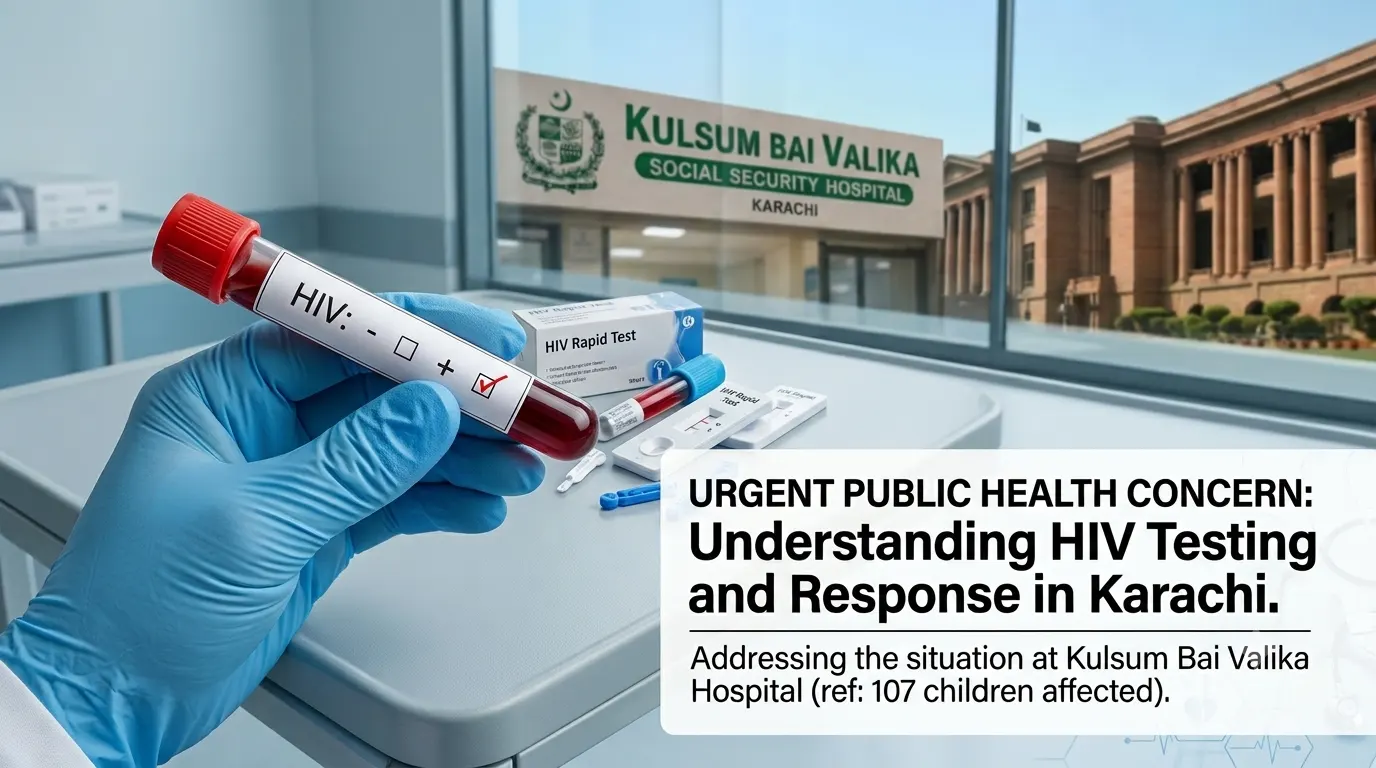
In response to a recent outbreak at Valika Hospital, a mass HIV testing campaign is being conducted in Pathan Colony, Karachi. This initiative aims to address the public health crisis exacerbated by the outbreak, offering testing to thousands of residents in the locality where the occurrence has heightened fears and stigmas associated with the disease. The testing comes as a vital step to manage and contain the spread of HIV, providing essential health interventions and encouraging community awareness and participation.
The Valika Hospital Outbreak: A Catalyst for Action
The outbreak at Valika Hospital has been a turning point in Pathan Colony, raising alarms not just within medical circles but throughout the community. The hospital, which serves as a primary healthcare facility in the area, identified a cluster of new HIV cases, drawing urgent attention from local authorities and global health organizations.
The immediate need for mass testing arose from the sheer number of individuals who could potentially be affected, given the hospital’s central role in the community’s healthcare. The outbreak highlighted gaps in infection control practices and underscored the critical need for improved healthcare infrastructure. Addressing these gaps has become a central focus, with efforts directed towards strengthening hospital protocols, training healthcare providers, and enhancing communication strategies to prevent similar incidents in the future.
Furthermore, the outbreak has prompted increased dialogue among healthcare professionals and policy-makers regarding the necessity for stringent safety protocols. The incident has underscored the importance of regular audits and the implementation of standardized procedures to prevent such outbreaks in the future.
The outbreak at Valika Hospital also serves as a reminder of the global nature of HIV/AIDS and the ongoing battle against this virus worldwide. International health organizations have shown interest in the measures being implemented in Pathan Colony, making it a potential case study for responding to similar crises in developing regions.
Understanding HIV and Its Impact on Communities
Human Immunodeficiency Virus (HIV) is a major global public health issue. It affects various demographics and socio-economic groups, leading to significant health, economic, and social challenges. Understanding HIV’s impact aids in developing tailored strategies to combat its spread in impacted regions like Pathan Colony.
HIV disproportionately affects marginalized communities, often exacerbated by factors such as poverty, lack of education, and limited access to healthcare. In settings like Pathan Colony, these issues are prevalent, making the community particularly vulnerable to the spread of the virus.
The mass testing initiative not only addresses immediate health concerns but also serves as an opportunity to educate the community on HIV prevention, safe practices, and the importance of regular health check-ups. Such efforts are crucial in dispelling myths and reducing stigma associated with HIV.
Moreover, understanding the socio-economic dynamics and cultural beliefs of Pathan Colony is crucial in formulating effective intervention strategies. Community-specific programs that align with local practices and beliefs can significantly enhance the success of mass testing and subsequent treatment plans.
By integrating cultural competencies into healthcare delivery, authorities can ensure that the interventions resonate with the local populace, thus increasing participation rates and fostering a supportive environment for those affected by HIV.
Importance of Mass HIV Testing
Mass HIV testing is a critical tool in managing public health crises. It helps in identifying undiagnosed cases, ensuring timely treatment and reducing further transmission. The initiative in Pathan Colony is designed to reach as many residents as possible, providing free and confidential testing services.
This campaign aims to normalize HIV testing as a routine healthcare practice, encouraging individuals to be proactive about their health. By enhancing accessibility and eliminating financial barriers, the program seeks to create a community-centered approach to healthcare.
Through widespread testing, health authorities can gather valuable epidemiological data, informing future public health policies and improving resource allocation to areas most in need.
The availability of such data plays a fundamental role in understanding the prevalence and transmission dynamics of HIV within Pathan Colony. It provides crucial insights for targeted interventions, enabling healthcare providers to allocate resources more efficiently and effectively.
Mass testing also paves the way for a stronger healthcare system, one that is prepared to tackle not only HIV but also other infectious diseases. It highlights the need for continuous surveillance and preventive measures to safeguard public health.
Navigating Stigma and Building Trust
Stigma surrounding HIV remains a significant barrier to testing and treatment. In many communities, fear and misinformation prevent individuals from seeking the care they need. In Pathan Colony, efforts are being made to combat these issues through education and engagement.
Building trust within the community is essential. Health workers and volunteers are trained to approach individuals with sensitivity and respect, emphasizing confidentiality and support. Community leaders play a pivotal role in encouraging participation and dispelling common myths.
By fostering an environment of understanding and acceptance, the mass testing initiative aims to create lasting changes in how HIV is perceived and managed within the community.
The challenge of overcoming stigma is compounded by cultural and historical factors that have long shaped attitudes towards diseases like HIV. Creating open dialogues and safe spaces for discussions can aid in breaking down these barriers. The involvement of respected figures within the community, such as religious leaders or local influencers, can significantly influence public perception and acceptance. By endorsing the testing initiative and promoting accurate information, these leaders can help shift cultural norms towards a more accepting stance.
The Role of Healthcare Infrastructure
Healthcare infrastructure plays a crucial role in the success of mass testing initiatives. In Pathan Colony, the outbreak at Valika Hospital has prompted assessments of existing systems and calls for improvements. Investment in healthcare facilities, staff training, and resource allocation are vital components of a robust response strategy. Strengthening laboratory capacities and ensuring the availability of HIV testing kits are immediate priorities.
Collaborative efforts between government agencies, non-governmental organizations, and private sectors are essential to bolster healthcare delivery and establish sustainable systems for ongoing health monitoring and crisis response. The role of modern technology and innovation cannot be overlooked. Implementing digital health solutions, such as electronic record-keeping and mobile health applications, can optimize the efficiency and reach of mass testing programs.
Technological advancements also provide opportunities for remote consultations and follow-ups, ensuring that patients receive consistent care and support throughout their treatment journey. Pathan Colony could serve as a testing ground for such innovations, ultimately setting a precedent for other regions.
Challenges Faced by Healthcare Initiatives
Implementing mass HIV testing in Pathan Colony is not without its challenges. Logistics, cultural barriers, and resource constraints are just a few of the obstacles faced by health care providers.
Issues such as limited funding, inadequate medical supplies, and the need for culturally sensitive approaches are critical considerations. Tailoring outreach strategies to suit the unique needs and dynamics of the community is essential for success.
Ongoing support and evaluation are necessary to overcome these hurdles, ensuring that the testing initiative achieves its goals and makes a meaningful impact on public health outcomes.
Additionally, addressing the challenge of reaching remote or underserved areas within Pathan Colony requires tactical planning and community collaboration. Mobile testing units and temporary clinics can extend the reach of these initiatives.
Continual monitoring and feedback loops are indispensable for identifying areas of improvement and adapting strategies to optimize the effectiveness of the testing efforts. Such adaptable frameworks are crucial in managing the ever-evolving landscape of public health.
Impact on Local and National Health Policies
The situation in Pathan Colony has significant implications for local and national health policies. It highlights the need for comprehensive strategies to address infectious disease outbreaks and improve public health resilience.
Policymakers are urged to prioritize investments in healthcare, focusing on prevention, education, and infrastructure development. The lessons learned from Pathan Colony can inform broader health initiatives, shaping policies that promote health equity and sustainable development.
Moreover, the campaign serves as a model for other regions facing similar challenges, demonstrating the effectiveness of coordinated community responses and the importance of government support.
Integrating the insights garnered from the Pathan Colony initiative into policy frameworks could transform public health strategies nationwide. Policy shifts towards early detection and prevention can drastically reduce healthcare costs and improve patient outcomes in the long run.
The initiative also calls for a re-evaluation of public health education curriculums, emphasizing the role of awareness and community involvement in combating disease outbreaks. Such systemic changes can cultivate a more informed and proactive populace.
Community Engagement and Response
Engaging the community is crucial to the mass testing initiative’s success. In Pathan Colony, efforts have been made to involve residents in planning and implementation, fostering a sense of ownership and commitment.
Public forums, workshops, and informational sessions are held to educate individuals about HIV, testing procedures, and the benefits of participation. Community leaders and influencers are engaged as advocates, helping to increase awareness and drive positive change.
The community’s response has been encouraging, with many residents expressing gratitude for the initiative and actively participating. This engagement highlights the importance of community involvement in public health interventions.
Community engagement extends beyond mere participation — it encompasses empowerment and capacity building. Educating residents about public health practices and equipping them with tools to maintain hygiene can significantly enhance community resilience against future health crises.
Establishing a feedback mechanism where community members can voice their experiences and suggestions fosters transparency and strengthens the relationship between healthcare providers and the people they serve. This continuous exchange of information is essential for building a health-conscious community.
The Future of HIV Management in Karachi
The mass HIV testing in Pathan Colony marks a significant step forward in HIV management in Karachi. It sets a precedent for proactive, community-centered health initiatives that address both immediate and long-term health challenges.
Looking to the future, it is crucial to build on the momentum generated by the testing campaign. Efforts must continue to focus on prevention, education, and support for individuals living with HIV.
Collaboration between local authorities, international organizations, and the community will be key in sustaining these efforts, fostering a healthier, more resilient Karachi.
Future strategies could include long-term projects aimed at eradicating HIV, leveraging both scientific advancements and community engagement. Collaborative research initiatives with global health organizations might yield novel solutions and insights into tackling the virus.
By establishing strong partnerships with academic institutions, Pathan Colony could become an epicenter for HIV research and innovation, setting exemplary standards for disease management and prevention across the region and beyond.
Conclusion
The initiative for mass HIV testing in Pathan Colony is a pivotal development following the Valika Hospital outbreak. It reflects a comprehensive approach to addressing an urgent public health crisis within the community. By prioritizing access to testing and care, tackling stigma, and enhancing healthcare infrastructure, Pathan Colony sets a powerful example for similar regions globally.
As the campaign progresses, it is expected to yield valuable insights that extend beyond immediate health benefits, contributing to a broader understanding and management of HIV. Continued engagement, education, and policy reform remain essential to sustaining progress and promoting health equity in Karachi and beyond.
Frequently Asked Questions
What caused the HIV outbreak at Valika Hospital?
The outbreak at Valika Hospital is believed to be due to lapses in infection control and hygiene practices, highlighting the need for improved healthcare protocols.
Why is mass HIV testing important?
Mass HIV testing helps identify undiagnosed cases, ensuring timely treatment and reducing transmission, particularly in high-risk communities like Pathan Colony.
How is the community responding to the testing initiative?
The community has shown support for the testing initiative, with many residents participating and expressing appreciation for the effort to improve public health.
What measures are being taken to address stigma?
Efforts to combat stigma include public education, community engagement, and ensuring confidentiality in testing processes to foster a supportive environment.
What does this mean for Karachi’s future health policies?
The situation underscores the need for robust health policies focusing on prevention, education, and infrastructure, potentially informing future public health strategies throughout Karachi.




 Muhammad Abdullah |
July 8, 2026
Muhammad Abdullah |
July 8, 2026