





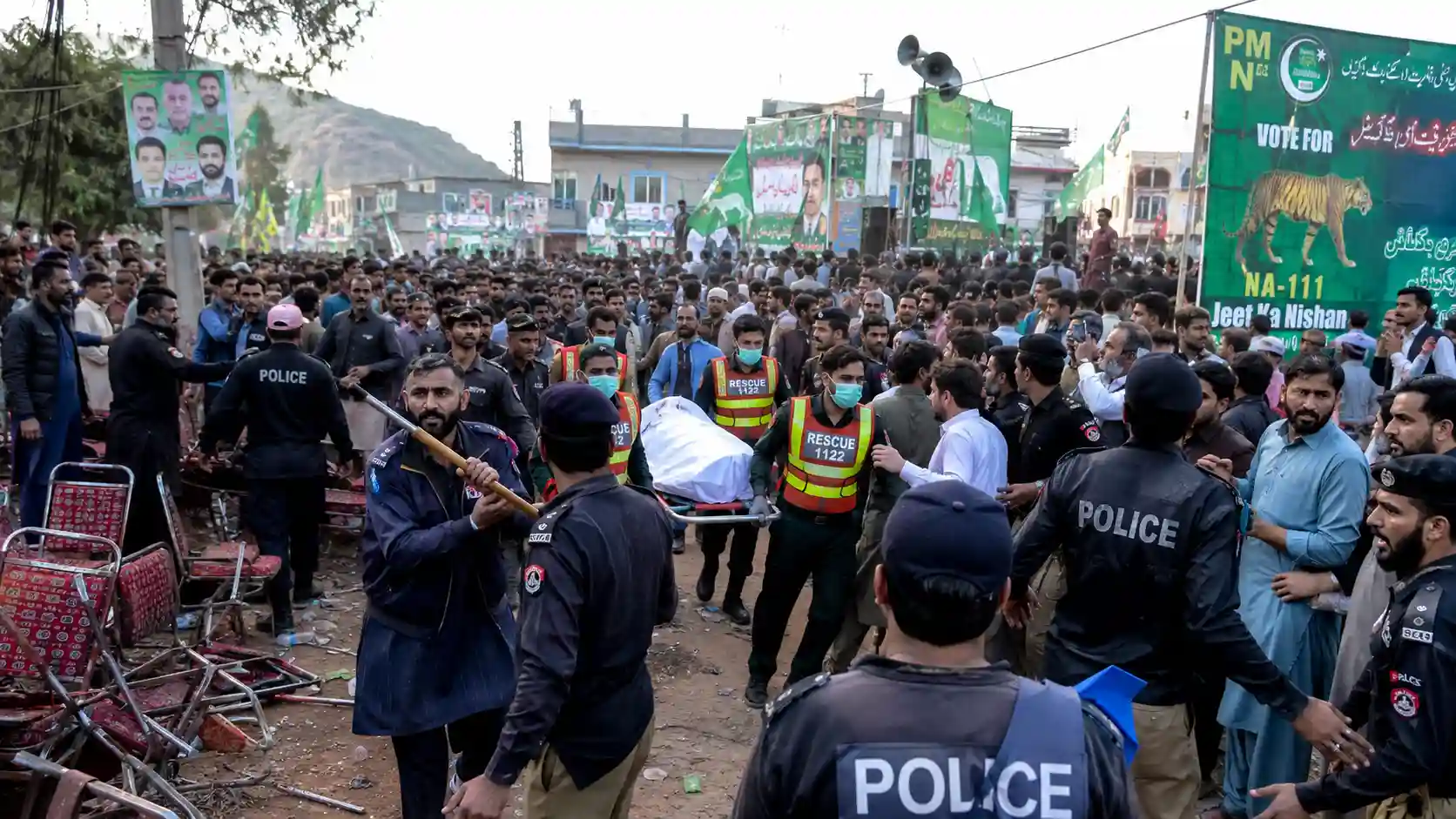

In a shocking turn of events, election rally violence has erupted in Kotli, Azad Jammu and Kashmir (AJK), leading to the tragic death of a Pakistan Muslim League-Nawaz (PML-N) worker and injuries to two others. This incident has thrown a harsh spotlight on the intensifying political tensions in the region, stirring a storm of discussions about the security of political events and the measures needed to prevent such occurrences. As the political landscape heats up in anticipation of upcoming elections, the violence in Kotli serves as a somber reminder of the volatility that can accompany democratic exercises. The safety of party members and supporters is paramount, yet incidents like these highlight a disturbing trend. How did a political rally turn into a scene of tragedy, and what does it signify for the future of AJK politics?
Background of Political Tensions in AJK
The region of Azad Jammu and Kashmir has a history of political tensions, often exacerbated by territorial disputes and differing political ideologies. Over the years, these tensions have occasionally resulted in confrontations, though rarely to the extent witnessed in Kotli recently. The political arena in AJK is dominated by several parties, each vying for influence and control. This competitive atmosphere can, unfortunately, lead to friction.
Moreover, the strategic significance of AJK adds another layer of complexity. The region’s contentious status has meant that local elections often draw widespread attention, both nationally and internationally. This focus invariably increases pressure on parties to perform, sometimes at the expense of peace and stability. It is within this politically charged environment that the recent election rally violence occurred.
Understanding the broader political dynamics at play helps contextualize this tragic event. The death of a PML-N worker is not just a personal tragedy but a reflection of the incendiary nature of political engagements in AJK. As elections approach, the need for dialogue and de-escalation becomes more critical.
Recent years have seen a rise in competitive party politics in AJK, driven by increasing voter engagement and the infusion of younger politicians into the political fold. While this democratization can be seen as a positive development, it also brings with it heightened tensions and the risk of confrontation. Political parties must navigate these waters carefully, balancing the drive for political success with the need to maintain public order and safety.
The international dimension of AJK’s political climate adds to the complexity. The Kashmir issue, a longstanding point of contention between India and Pakistan, affects local dynamics as well. External influences, coupled with internal disputes, contribute to a volatile environment where incidents such as the Kotli rally violence can occur. Political stakeholders must be particularly vigilant in ensuring that local politics are not exacerbated by these broader geopolitical tensions.
The Incident: Firing at the Election Rally
The election rally that led to the untimely death of a PML-N worker was one of many such events being held by political parties in the region. According to eyewitness accounts, the rally was progressing in high spirits until gunfire erupted, resulting in chaos and panic among attendees. The suddenness of the violence caught many by surprise, emphasizing the urgent need for increased security measures at such gatherings.
Details about the perpetrators remain scarce at this moment, but initial investigations suggest that the attack might have been premeditated, aimed at disrupting the rally’s proceedings. The identity and motives of those behind the attack are subjects of ongoing investigation, with authorities keenly aware of the potentially disruptive implications.
The incident has underscored the risks associated with political events in regions fraught with tension. It also highlights the deficiency in preemptive security measures that could have possibly averted the tragedy. Establishing a secure environment for political discourse is vital to ensure that democratic processes proceed unobstructed.
This brutal interruption of an otherwise peaceful rally raises pertinent questions about the preparedness of security forces tasked with safeguarding such events. Given the politically charged atmosphere, the need for vigilance cannot be overstated. Political parties might often overlook these security details, favoring the scale and visibility of their rallies.
Besides the immediate shock and grief, this incident forces a reckoning with the responsibilities of both the political organizations and the authorities to prioritize the safety of all participants. The absence of a comprehensive risk assessment protocol leaves rallies vulnerable to unforeseen attacks. Lessons from international practices, such as the use of surveillance technology and meticulous crowd control plans, could be crucial in preventing future mishaps.
Immediate Aftermath and Responses
The immediate aftermath of the election rally violence in Kotli was marked by a rush to provide medical assistance to the injured parties and a swift response from the local authorities. Emergency response teams arrived promptly at the scene to manage the chaotic situation and transport the injured to nearby medical facilities for urgent care.
The shock and outrage following the incident were palpable, with political party leaders expressing grief and condemning the attack. Leaders from various parties called for calm while urging a thorough investigation to bring perpetrators to justice. It was apparent that this incident had not only impacted the immediate victims but had rippled through the political fraternity, casting a shadow over upcoming election activities.
Public reaction has also been vociferous, with calls for immediate actions to ensure the safety of political workers and leaders. The incident has been widely reported across media channels, emphasizing the need for enhanced security protocols during the election season. Community leaders are urging both citizens and politicians to engage in peaceful dialogue to prevent further violence.
In the days following the incident, a heightened sense of anxiety pervaded the region. Gatherings at subsequent rallies have seen visible reductions in numbers, as fears of violence linger. In response, authorities have pledged an immediate review of security procedures at political events, with plans to deploy additional forces to ensure public safety. Political parties have been urged to adhere strictly to the guidelines suggested by law enforcement to minimize risk.
Moreover, discussions around the psychological impact of such events on the community have surfaced. Academic institutions and civil society groups are emphasizing the importance of mental health support for those affected directly and indirectly by the violence. The incident serves as a stark reminder of the fragility of peace and the continuous effort required to sustain a just, equitable, and stable political environment.
Historical Context of Rally Violence in the Region
Violence at political rallies is not a new phenomenon, yet the recent events in Kotli have reignited conversations about the frequency and cause of such violence in AJK. Historically, political rallies in contentious regions often serve as flashpoints for violence, driven by intense competition and deep-rooted animosities among rival groups.
In AJK, the history of political rivalry is deeply intertwined with the broader conflict over Kashmir, which influences local politics significantly. Over the years, violence has occasionally marred elections, though large-scale violence remains rare. However, the recurrence of smaller incidents, such as the recent one in Kotli, point to underlying tensions that require proactive measures to address.
Understanding the history of violence provides valuable insights into current events and prompts stakeholders to consider strategies that have proven successful in bringing about political stability. Learning from past incidents can guide the implementation of informed strategies to safeguard future political activities.
Rally violence in AJK often reflects wider socio-political and economic disenfranchisements, driving individuals to express their frustrations through aggressive means. Past investigations have pointed to a myriad of factors contributing to rally violence, ranging from inadequate policing capacities to political provocations aimed at intimidating or influencing voter behavior.
Comparative analysis of election violence in other regions demonstrates the importance of public confidence in political institutions. In many instances, violence can be preempted through increased transparency and community policing initiatives that seek to build trust between the public and law enforcement agencies. Such an approach, if adopted in AJK, could serve to mitigate the conditions conducive to rally violence, creating a more stable electoral environment.
Security Measures and Their Importance
In light of the violence at the recent election rally in Kotli, the importance of robust security measures cannot be overstated. Ensuring the safety of both participants and leaders at political events is crucial for the functioning of democratic systems, especially in regions with a history of political strife.
Security agencies must perform thorough risk assessments prior to political events to identify potential threats and vulnerabilities. This should be accompanied by detailed planning that includes measures such as increased police presence, crowd management strategies, and rapid response units prepared to handle emergencies.
Furthermore, collaboration between party organizers and security forces is vital to prevent similar incidents in the future. Open channels of communication can help in understanding the security needs of specific events and implementing measures tailored to those specific requirements. The tragic incident in Kotli thus serves as a call to action for authorities to prioritize security strategy revitalization.
An analysis of successful security frameworks from regions with similar tension profiles reveals several key components that could enhance security in AJK. These include the establishment of a dedicated election security force trained specifically for handling large crowds under tense conditions, utilizing drones and surveillance technology for real-time monitoring, and engaging in community-based security initiatives where local stakeholders collaborate with authorities to provide intelligence and support.
Additionally, stakeholder training on how to respond during emergencies is critical. Equipping rally participants with the knowledge of emergency protocols through awareness campaigns and simulations could significantly reduce chaos in the event of an incident, potentially saving lives. Public safety awareness not only helps in mitigating risks but also fosters a culture of vigilance that can deter potential aggressors.
Also Read This Article: Iran Iraq Pilgrims: New Rules in Pakistan
Political Repercussions and Implications
The tragic incident in Kotli is likely to have significant political repercussions, influencing both the present election dynamics and future political engagements in the region. This act of violence has cast a shadow over the electoral process, prompting questions about the safety and fairness of the elections.
Political parties might resort to leveraging this incident to bolster their positions, calling for investigations and using it as a point of contention against rivals. The atmosphere of distrust this creates can further polarize an already divided political arena, making it more difficult to establish common ground.
In the long term, repeated instances of violence could dissuade public participation in political processes, eroding democratic values. It becomes imperative for political leaders to use this opportunity to advocate for dialogue, reconciliation, and policies that address the root causes of political violence, promoting peace and stability.
The ongoing violence could also affect voter turnout, with intimidation playing a significant role in discouraging participation. Historically, insecure environments during elections have led to decreased engagement from the public, undermining the legitimacy of electoral outcomes. Beyond the immediate political landscape, such incidents have the potential to create enduring societal divides that could take years to heal.
Furthermore, the ramifications on international relations cannot be ignored. Election unrest in AJK is often scrutinized by neighboring countries and the global community, particularly given the geopolitical sensitivities surrounding the Kashmir conflict. Ensuring a robust response to these incidents is crucial to maintaining both internal and external credibility and demonstrating a commitment to democratic norms.
The Role of Media in Reporting Election Violence
The media play a vital role in reporting incidents of election violence, shaping public perception, and holding perpetrators accountable. In the case of the Kotli incident, media coverage has been crucial in drawing national and international attention to the matter, ensuring that the narrative remains at the forefront of public discourse.
Responsible reporting is essential, as sensationalized coverage can exacerbate tensions and provoke further unrest. Media outlets must strive for accuracy and sensitivity, focusing on factual reporting while avoiding inflammatory rhetoric that could incite further violence.
Through thoughtful analysis and commentary, the media can facilitate conversations around peacebuilding and conflict resolution. By providing platforms for expert opinions and community voices, media can highlight solutions and encourage preventive measures against future violence.
The amplification of such incidents by the media also serves as a critical tool for accountability, ensuring that the political and security establishments cannot ignore their responsibility. Investigative journalism can play an integral role in uncovering the nuances of such incidents, providing depth and context to the issues at hand.
Furthermore, responsible reporting can aid in digital literacy campaigns that help the public discern factual information from misinformation, which often proliferates during periods of unrest. Partnering with tech companies and regulatory bodies to address false information is becoming an integral aspect of modern media’s role in ensuring election integrity and safeguarding democracy.
Efforts Towards Peacebuilding and Reconciliation
In response to incidents like the one in Kotli, peacebuilding and reconciliation efforts become more critical than ever. Engagements aimed at bringing together diverse groups to foster understanding and cooperation can go a long way in mitigating tensions.
Civil society organizations play an integral role in these efforts by organizing dialogues and workshops that address the fears and grievances underlying political violence. Building trust between conflicting parties is a gradual process that requires commitment from all stakeholders involved.
Additionally, involving international peace organizations can provide fresh perspectives and strategies informed by global best practices. It is through these collaborative efforts that sustainable peace can be achieved in regions like AJK, preventing recurrence of tragedies like those witnessed at the election rally.
The integration of conflict-resolution education within the school curricula can also aid in long-term peacebuilding, equipping younger generations with the tools needed to handle disputes constructively. By fostering empathy, critical thinking, and negotiation skills, societies can nurture citizens who are better prepared to contribute to peaceful cohabitation.
Similarly, investing in socio-economic development that addresses underlying grievances is a critical element of peacebuilding. Economic disparities often exacerbate political tensions, and targeted development programs aimed at reducing inequalities can serve as a catalyst for stability. Collaborative efforts between government, private sector, and NGOs can help address these disparities, offering hope and opportunity instead of division and conflict.
Future Outlook for Elections in AJK
The future of elections in AJK, particularly in light of recent violence, hangs in the balance as stakeholders reflect on what needs to change. Ensuring secure, fair, and peaceful elections will be a priority for both political leaders and the electorate moving forward.
Implementing comprehensive electoral reforms that prioritize safety alongside transparency can help in restoring public confidence in the process. Such reforms might include better regulatory frameworks for campaign conduct, transparent election monitoring, and a robust enforcement of election laws.
As AJK prepares for future elections, the Kotli incident stands as a critical reminder of the challenges that lie ahead. With diligent efforts, however, the region can chart a course towards more peaceful electoral engagements that honor the democratic aspirations of its people.
The process of electoral reform in AJK must involve an inclusive dialogue with political stakeholders, security experts, and civil societies. A participatory approach will ensure that reforms are comprehensive and culturally sensitive, aligned with the expectations and needs of the electorate.
Moreover, embracing technological advancements in election administration could enhance both the efficiency and security of electoral processes. Digital voter registers, biometric verification, and electronic voting machines, if transparently managed and secure, might offer AJK a path towards modernizing its electoral system. As the region examines its next steps, innovative solutions that complement traditional practices could hold the key to overcoming the hurdles of election violence.
Conclusion: Reflecting on the Path Forward
The tragic violence at the election rally in Kotli serves as a somber reflection on the vulnerabilities that exist within political processes, especially in regions fraught with tension like AJK. The loss of life and resulting trauma highlight the urgent need for comprehensive measures to ensure such incidents do not occur again.
It is a call to action for political leaders, security agencies, and civil society to collaborate in creating a secure environment where democratic values can thrive without fear. Engaging in meaningful dialogue, implementing effective security protocols, and fostering a culture of peace are pivotal steps in this journey.
As stakeholders work towards understanding the root causes of this violence and addressing them, there lies an opportunity to transform this tragedy into a catalyst for positive change. By honoring the democratic spirit and prioritizing the safety and well-being of communities, AJK can move towards a future where elections embody the true essence of democracy, free from the shackles of violence and fear.
The onus is on all involved to view this incident not as a setback but as an impetus for robust change. Our collective responsibility extends beyond addressing the immediate aftermath to ensuring a legacy of peace and democratic integrity for future generations. As AJK moves forward, the reflections and lessons drawn from Kotli will undoubtedly shape its democratic trajectory, with hopes that through resilience and reform, brighter and safer political horizons await.
Frequently Asked Questions
What was the incident at the election rally in Kotli?
During an election rally in Kotli, AJK, gunfire erupted, resulting in the death of a PML-N worker and injuries to two others. The incident highlighted the volatility of political events in the region.
Who is responsible for the violence at the Kotli rally?
As of now, the perpetrators remain unidentified. Investigations are ongoing to determine those responsible for the violent attack and their motives.
How have political leaders reacted to the Kotli incident?
Political leaders have unanimously condemned the violence, expressing grief and calling for calm. They have urged thorough investigations to ensure justice is served.
What measures can prevent election rally violence?
Implementing comprehensive security measures, such as risk assessments, increased police presence, and collaboration between party organizers and security forces, can significantly reduce the risk of violence.
What are the implications of this incident for future elections in AJK?
The violence underscores the need for electoral reforms focused on security and transparency to ensure safe and fair elections, restoring public confidence in the democratic process.