






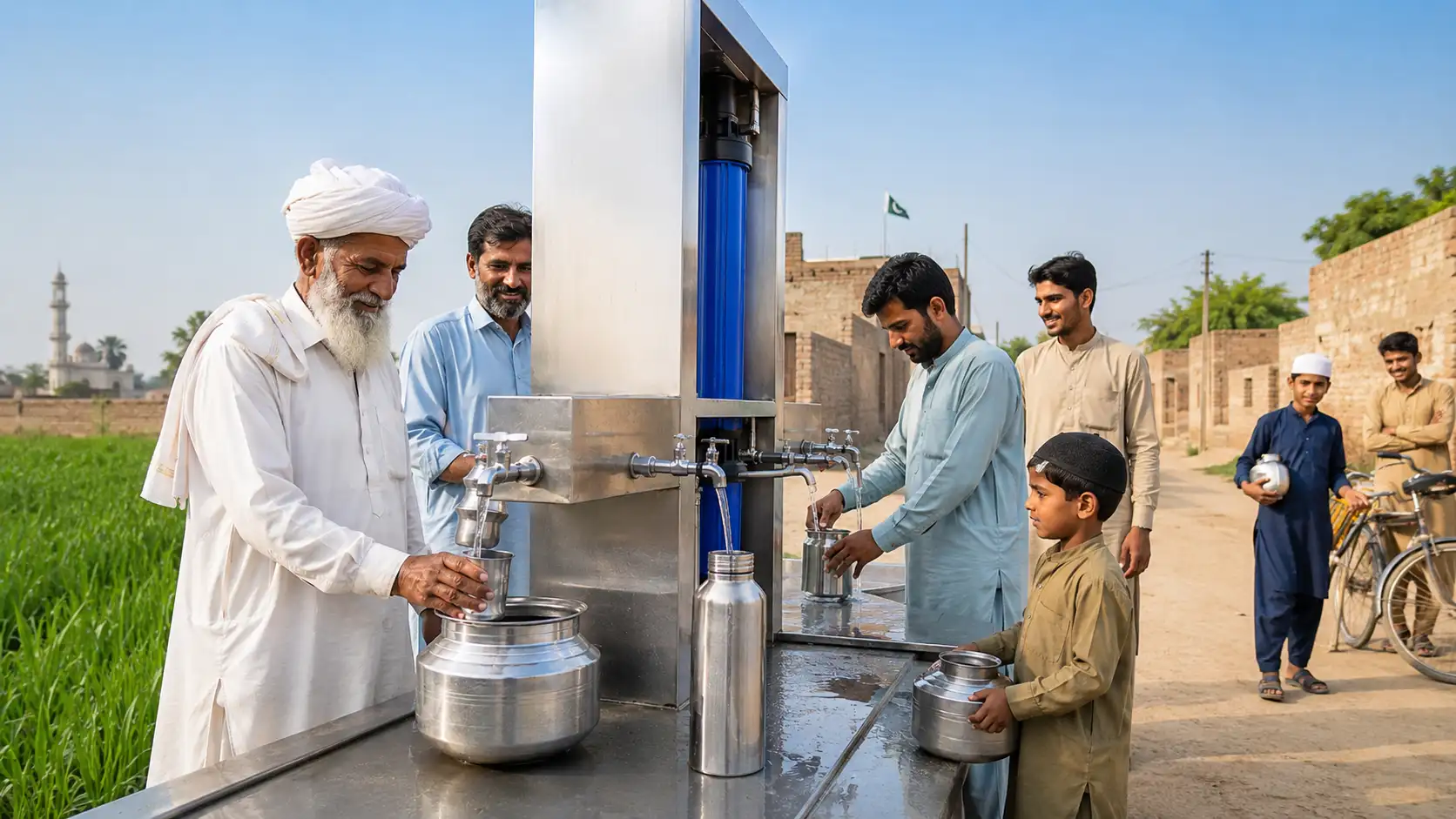

Maryam Nawaz is championing a transformative initiative to ensure clean drinking water access across Punjab. This vital endeavor seeks to address an essential human right access to clean water as millions in the region struggle with inadequate supply and contamination issues. The importance of this initiative cannot be overstated, as it aims to safeguard public health, enhance quality of life, and foster sustainable development in Punjab.
Background on Water Access in Punjab
The necessity for clean drinking water in Punjab has never been more urgent. Despite being one of Pakistan’s most agriculturally rich provinces, Punjab faces significant water scarcity due to over-extraction and pollution. Groundwater depletion and surface water contamination have compounded the issue, with industrial effluents and agricultural runoff being major contributors.
The problem is further exacerbated by urbanization. As cities expand, so does the strain on municipal water systems, leading to insufficient and intermittent supply. Rural areas, on the other hand, often lack infrastructure altogether, forcing residents to rely on unsafe sources.
Addressing these challenges requires a comprehensive strategy, not just for immediate relief but for long-term sustainability. Maryam Nawaz’s plan for clean drinking water access could be a game-changer for Punjab, offering hope for a healthier and more prosperous future.
Historically, the region’s reliance on monsoon rains has made it vulnerable to climatic shifts. The variability in rainfall patterns due to climate change adds another layer of complexity to water management. Initiatives that focus on resilient water infrastructures capable of withstanding these environmental shifts are crucial for long-term sustainability. Additionally, transboundary water issues with neighboring regions highlight the intricate geopolitical dynamics that must be navigated as part of any comprehensive water policy.
The Health Implications of Poor Water Quality
The health impacts of poor water quality in Punjab are alarming. Waterborne diseases such as cholera, dysentery, and hepatitis A are widespread, primarily affecting children and the elderly. Contaminated water is a silent killer, responsible for thousands of preventable illnesses and deaths each year.
Moreover, the economic burden of healthcare for waterborne diseases is substantial. Families often spend a significant portion of their income on medical treatment, trapping them in a cycle of poverty. This has far-reaching implications for the region’s development, affecting everything from productivity to educational attainment.
Ensuring clean drinking water access is a public health imperative. By reducing the incidence of waterborne diseases, Maryam Nawaz’s initiative could lead to improved health outcomes and a better quality of life for Punjab’s residents.
The psychological toll of water scarcity is equally significant. Anxiety over obtaining safe water can lead to stress and mental health challenges. School attendance among children often drops due to illness or the need to fetch water, impacting their educational opportunities. Comprehensive solutions must address these mental, physical, and economic dimensions, acknowledging that health is intricately linked to the availability and quality of water.
Infrastructure Challenges and Opportunities
One of the biggest hurdles in providing clean drinking water is the state of existing infrastructure. Many of Punjab’s water supply systems are outdated, inefficient, and incapable of meeting current demands. Leaking pipes, insufficient treatment facilities, and lack of maintenance are commonplace.
However, these challenges also present opportunities for investment and innovation. By modernizing infrastructure, employing advanced water treatment technologies, and implementing effective maintenance regimes, Punjab can significantly improve water quality and availability.
Public-private partnerships may play a crucial role in this transformation. With the right investment and a strategic approach, Punjab could become a model for other regions struggling with water access issues.
Furthermore, digital transformation in the water sector could introduce unprecedented efficiency. Implementing smart grid technology to monitor and analyze water distribution in real-time can help detect leaks and optimize water flow, ensuring equitable distribution. Embracing renewable energy sources for water supply systems may also offer sustainable solutions to the energy-intensive nature of water processing and distribution.
The Role of Policy in Water Management
Effective water management policies are crucial to ensuring access to clean drinking water. Comprehensive legislation that addresses water rights, usage regulations, and pollution control is needed to tackle the multifaceted water crisis in Punjab.
Maryam Nawaz’s plan emphasizes the need for robust policy frameworks that promote sustainable water use and protect resources from contamination. This includes reinforcing regulations on industrial waste disposal and incentivizing efficient water use practices in agriculture.
Policy reforms must also focus on community engagement, empowering local groups to participate in water management decisions. Such inclusive approaches can lead to more effective and sustainable outcomes.
In addition, aligning local policies with national water strategies is crucial for coherence and impact. Punjab can pioneer innovative policy pilots that, if successful, could be scaled nationwide. Establishing governmental bodies specifically focused on water resources can enhance policy execution, ensuring accountability and progress tracking.
Also Read This Article: Saturday Holiday Abolished in Schools
Sustainable Practices for Water Conservation
Sustainability is at the heart of Maryam Nawaz’s initiative for clean drinking water access. Implementing conservation practices is essential to ensure long-term water availability and quality.
One strategy involves rainwater harvesting, which captures and stores rainwater for domestic use. This method is both cost-effective and sustainable, reducing reliance on groundwater. Furthermore, community-based water management initiatives can foster local stewardship of water resources.
Adopting water-efficient technologies in agriculture, such as drip irrigation, can drastically reduce water consumption while increasing crop yields. By promoting such practices, the initiative seeks to balance water use with the needs of the population and the environment.
Educational programs aimed at farmers and communities about the benefits of sustainable practices can amplify their adoption. Moreover, leveraging local knowledge and traditional practices as complementary strategies can enhance the efficacy of modern conservation technologies.
Community Engagement and Public Awareness
Community involvement is a cornerstone of effective water management. Maryam Nawaz’s plan stresses the importance of public awareness campaigns to educate citizens about water conservation and quality issues.
Empowering communities to participate in local water management decisions fosters a sense of ownership and responsibility. Grassroots movements can often drive change more effectively than top-down approaches, as they are rooted in the community’s unique needs and circumstances.
Public awareness initiatives should also focus on hygiene practices to prevent waterborne diseases, reinforcing the link between water quality and health.
Additionally, school-based programs that teach children about water conservation and hygiene can create a generation of informed individuals who value water resources. Collaborating with community leaders to tailor messages to different demographics ensures inclusive and culturally sensitive outreach.
International Support and Cooperation
Addressing Punjab’s water crisis requires collaboration beyond its borders. International support and partnerships can provide access to advanced technologies, expertise, and funding.
Maryam Nawaz’s initiative may seek to align with global water security goals, leveraging international frameworks like the United Nations’ Sustainable Development Goals, particularly Goal 6: Clean Water and Sanitation.
By collaborating with international organizations and neighboring regions, Punjab can benefit from shared knowledge and resources, developing strategies that have been successful elsewhere.
Participation in international water conferences and forums can facilitate exchange of best practices. Accessing international funding opportunities, such as the Green Climate Fund, may provide financial backing for large-scale projects that Punjab needs to effectively tackle its water-related challenges.
Technology and Innovation in Water Management
Innovation is key to overcoming Punjab’s water challenges. Advanced technologies can transform water management practices, making supply systems more efficient and sustainable.
For instance, smart water meters can optimize water use by providing real-time consumption data, identifying leaks, and reducing wastage. Furthermore, mobile applications can raise public awareness and encourage community participation in water conservation efforts.
Investing in research and development of new water purification technologies can also be pivotal, ensuring that even the most contaminated sources can be made safe for consumption.
Collaborations with tech startups could yield innovative solutions tailored to Punjab’s unique needs. Encouraging local innovation ecosystems through hackathons and competitions centered around water solutions can spur creativity and engagement, potentially leading to groundbreaking advancements in how we manage water resources.
Potential Impact on Punjab’s Development
The successful implementation of clean drinking water access can have a profound impact on Punjab’s socio-economic landscape. Improved health outcomes lead to increased productivity and educational attainment, as healthy individuals are better equipped to work and learn.
Moreover, reliable access to clean water can attract investment, improve agriculture yields, and support the region’s burgeoning industrial sector, laying the foundation for sustained economic growth.
Punjab’s development hinges on water security. By addressing this fundamental need, the initiative can unlock new opportunities and drive progress across the province.
The multiplier effect of clean water access touches all facets of life from empowering women who often bear the responsibility of water collection to fostering economic resilience against climate impacts. As Punjab becomes a water-secure region, it could serve as a vital hub for regional trade, benefitting from its geographical positioning and rich cultural heritage.
Conclusion: A Path Forward for Punjab
Maryam Nawaz’s initiative to ensure clean drinking water access across Punjab represents a critical step towards a healthier, more sustainable future. By tackling water scarcity and quality issues, the plan offers hope for transformative change in the region.
Collaboration, innovation, and comprehensive policymaking are essential components of this endeavor. As Punjab moves forward, the implications of this plan will resonate beyond its borders, offering a model for addressing water challenges in similar regions worldwide.
With collective effort and strategic implementation, clean drinking water access can become a reality for all of Punjab’s residents, fostering an era of unprecedented health and prosperity.
A solid commitment to transparency and accountability can further bolster the initiative’s success. Regular progress reports, open stakeholder forums, and responsive policy adaptations will ensure that Punjab’s journey towards water security is collaborative, informed, and adaptable to emerging challenges.
Frequently Asked Questions
Why is access to clean drinking water important?
Access to clean drinking water is vital for preventing waterborne diseases and promoting overall health. It also supports economic development by improving productivity and reducing healthcare costs.
What challenges does Punjab face in achieving clean water access?
Punjab faces challenges like outdated infrastructure, pollution, and groundwater depletion. Addressing these requires investment in technology and effective policy reforms.
How does Maryam Nawaz plan to address these issues?
Maryam Nawaz’s plan focuses on infrastructure modernization, community engagement, and sustainable practices to provide clean drinking water across Punjab.
What role can international support play in this initiative?
International support can provide funding, technology, and expertise, aligning Punjab’s efforts with global water security frameworks and best practices.
What are the long-term benefits of ensuring clean drinking water access?
Long-term benefits include improved public health, economic growth, and sustainable development, making Punjab a more resilient and prosperous region.