





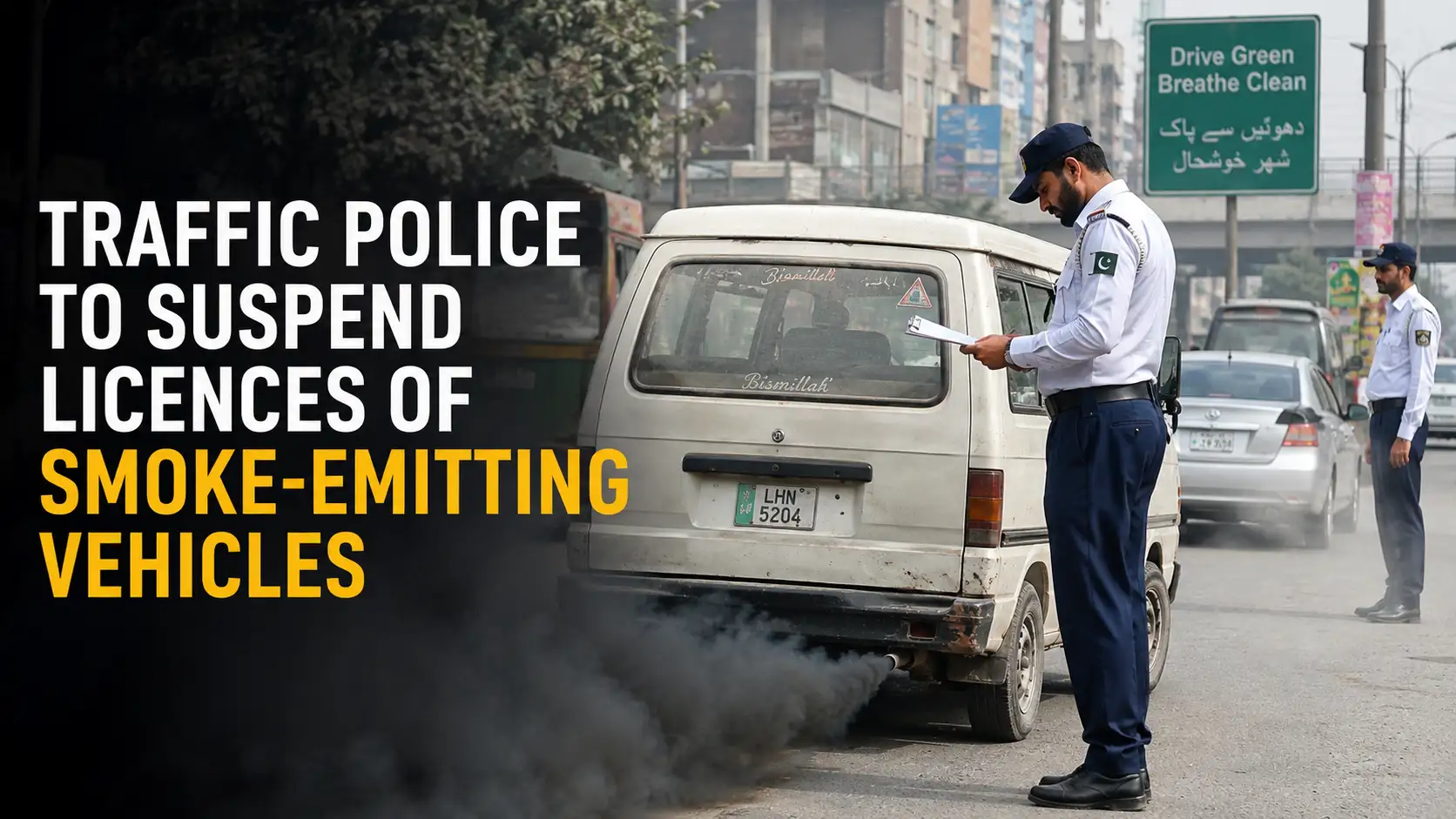

The traffic police have announced decisive action against smoke-emitting vehicles as part of their enduring commitment to environmental responsibility and public health. By suspending the licenses of drivers operating these vehicles, the initiative is poised to reduce air pollution significantly. This measure highlights the growing urgency and accountability needed to tackle vehicular emissions, the primary source of urban air pollution worldwide. The drastic step is expected to send a clear message to vehicle owners and operators, emphasizing the importance of maintaining their vehicles properly to prevent excess emissions.
The Environmental Impact of Smoke-Emitting Vehicles
Smoke-emitting vehicles are major contributors to urban air pollution, releasing harmful pollutants that compromise air quality. These pollutants include carbon monoxide, nitrogen oxides, and particulate matter, all of which adversely affect the environment and human health. As traffic congestion grows, so does vehicular pollution, exacerbating this critical issue.
Various studies have drawn correlations between emission levels and respiratory diseases. Cities with high concentrations of vehicular emissions report a higher prevalence of asthma, bronchitis, and other lung diseases. The impact extends to climate change, with vehicle emissions contributing to global warming.
Working towards achieving better air quality, legislation targeting smoke-emitting vehicles is crucial. By enforcing stringent measures, cities worldwide can witness a substantial improvement in their air quality, safeguarding ecosystems and public health.
Moreover, addressing air pollution from vehicles is not just an environmental imperative but also a socio-economic one. The economic burden of health care costs related to pollution-linked illnesses underscores the importance of reducing emissions. Enhanced air quality can lead to healthier populations, which in turn boosts productivity and reduces medical expenditures.
At a community level, reduced emissions can improve the quality of life. Cleaner air translates to better living conditions, contributing to increased happiness and lowered levels of stress and anxiety. The transformation encourages urban areas to be more livable and attractive for residents and businesses alike.
How Suspension Affects Drivers and Compliance
The suspension of licenses serves as both a punitive and corrective measure. For drivers, this means the immediate inability to operate their vehicles, which can lead to significant inconveniences, especially among those reliant on their vehicles for daily commuting or business operations. The policy compels drivers to ensure their vehicles are in compliance with emission standards, thus promoting routine maintenance and adherence to environmental norms.
Compliance is propelled by the financial and social repercussions stemming from non-adherence. Drivers can face not only the suspension but also fines, vehicle impoundment, and increased insurance premiums. Hence, the measure motivates vehicle owners to prioritize emission tests and timely repairs regarding their vehicles.
In addition to immediate consequences, this policy fosters a long-term culture of environmental responsibility among drivers. Educating the public on the intricate links between vehicular emissions, personal health, and environmental sustainability can deepen compliance.
Beyond personal consequences, the enforcement of such policies can lead to broader societal changes. A community aware of the consequences of non-compliance becomes more likely to engage in responsible transportation choices: opting for public transport, carpooling, or using non-polluting alternatives like bicycles.
The ripple effect of creating aware drivers means families and communities are engaged in cleaner practices, setting a generational shift that integrates environmental considerations into daily life. This long-lasting behavioral change supports a holistic adoption of eco-friendlier lifestyles across the board.
Technical Inspection and Maintenance for Emission Control
The cornerstone of preventing smoke-emitting vehicles lies in rigorous technical inspections and consistent maintenance. Regular vehicle inspections can identify potential emission issues before they manifest into visible smoke emissions. This process involves checking essential components like exhaust systems, catalytic converters, and engine efficiency.
Routine maintenance, including oil changes, air filter replacements, and tire pressure checks, further contribute to maintaining optimal emission levels. Vehicle owners are encouraged to adhere to manufacturer-recommended maintenance schedules to ensure their cars remain within legal emission limits.
Governments and environmental agencies often provide guidelines and incentives to encourage vehicle owners to practice responsible maintenance. Policy incentives can include tax credits, reduced inspection fees, and subsidies for eco-friendly vehicles, creating a culture of proactive environmental stewardship.
The role of the auto repair industry in supporting these efforts is also crucial. Skilled technicians and service centers focused on emission reduction services ensure that vehicles meet regulatory standards, empowering owners with knowledge and options.
An increase in demand for maintenance and inspection services stimulates economic activity and job creation within the sector. As people prioritize vehicle care, there’s a broader societal impact through increased employment opportunities and market growth.
The Role of Technology in Reducing Emissions
Technological advancements are pivotal in curbing pollution from smoke-emitting vehicles. The emergence of hybrid and electric vehicles showcases a significant stride towards reducing the global carbon footprint. These vehicles produce little to no emissions, offering a sustainable alternative to traditional combustion-engine vehicles.
Automotive technology has also evolved to include improved emissions control systems, such as advanced catalytic converters and enhanced fuel injection systems, which efficiently minimize pollutants. Information technology further aids in tracking vehicle health, enabling predictive maintenance through smart sensors and telematics.
Incentivizing the adoption of such technologies, alongside the implementation of robust transportation policies, can accelerate the transition to cleaner vehicles, drastically reducing the number of smoke-emitting vehicles on the roads.
Moreover, the integration of IoT (Internet of Things) within vehicle systems has led to innovations such as GPS-based monitoring and real-time emission tracking. This enables users to receive instant updates on vehicle performance and emission levels, empowering them to make informed decisions on maintenance and repairs.
Alongside vehicle-specific technologies, infrastructure-based innovations like smart traffic management systems optimize traffic flow, reducing congestion and consequently vehicular emissions. These systems, through real-time data processing, manage traffic in a way that minimizes idle time, contributing to a reduction in overall city pollution.
Also Read This Article: FIA Inducts 50 SSU Commandos on Deputation
Legal Framework and Enforcement Challenges
While the suspension of licenses is a clear policy directive, enforcement presents various challenges. Authorities must ensure that the legal framework is robust enough to handle appeals, administrative processes, and disputes arising from license suspensions.
Effective enforcement relies on technological solutions such as automated surveillance, emission testing through smart infrastructure, and real-time data monitoring. However, implementing and maintaining such technologies require substantial investment and policy support.
Moreover, balancing this approach with public acceptance and avoiding socio-economic disparities in enforcement can prove complex. Authorities must ensure fair application of the law, preventing discriminatory practices against vulnerable populations who may be disproportionately affected by vehicular compliance costs.
To support fair enforcement, adaptive legal frameworks incorporating community feedback and pilot testing may prove advantageous. Engaging diverse community stakeholders helps identify potential impacts and develops strategies that equitably address all demographics.
To overcome data privacy challenges associated with technological enforcement, clear policies ensuring transparency and accountability in data management must be established. Building public trust in these systems is essential for achieving widespread compliance and acceptance.
The Economic Ramifications of Emission Policies
Emission control policies directly impact the economy, influencing sectors such as automotive manufacturing, fuel, and maintenance industries. Stricter emission standards can drive innovation by pushing manufacturers to develop cleaner, more efficient automobile technologies.
Transitioning to greener vehicle fleets supports the establishment of new industries related to electric vehicle manufacturing, battery production, and renewable energy development. However, traditional sectors related to maintenance and fuel may experience disruption.
Economic policies supporting workforce transitions, re-skilling programs, and incentives for clean technology investments can mitigate economic impacts, leading to a healthier economy and environment.
The shift towards green technologies creates a robust demand for skilled labor in new sectors, offering employment opportunities in manufacturing, research, and development. The burgeoning green industry becomes a vital component of economic growth, aligning sustainability with profitability.
Strategic international trade agreements supporting low-emission technologies can spur economic growth. By leading in green technology exports, countries can position themselves as leaders in environmental innovation, tapping into emerging markets and fostering economic resilience.
Global Comparisons in Tackling Vehicular Emissions
Countries around the world have introduced various strategies to combat smoke-emitting vehicles, offering valuable lessons for policy-makers. For instance, cities like London and Paris have implemented low-emission zones that restrict access to high-emission vehicles while promoting public transport and cycling infrastructure.
In the United States, programs such as California’s strict emission standards have led the way in pioneering cleaner transport laws. These standards have successfully lowered smog-forming emissions and inspired adoption in other states and countries.
Drawing from these global examples, countries can tailor their policies to local contexts, utilizing a mix of legislative actions, public initiatives, and technological investments to effectively control emissions.
Comparing different approaches offers insights into best practices and potential pitfalls. For example, incentivizing electric vehicle adoption seen in Norway demonstrates how concerted policy efforts can shift consumer behavior towards sustainability.
Additionally, the emphasis on international cooperation, such as through multi-nation agreements on emission reductions, highlights the importance of collaborative efforts in addressing climate change. Shared technology, research, and resources strengthen countries’ capabilities to reduce vehicular emissions effectively.
The Role of Public Awareness and Education
Raising public awareness about the impacts of smoke-emitting vehicles is crucial for the success of emission control measures. Educating citizens on the health risks associated with air pollution encourages more people to support and comply with relevant policies.
Initiatives can range from public health campaigns and school programs to community workshops detailing vehicle maintenance and eco-friendly driving practices. Such programs empower individuals with actionable knowledge, fostering a collective effort towards cleaner air.
Furthermore, public awareness campaigns can highlight the progress achieved through emission reduction strategies, incentivizing broader participation and highlighting the collective benefits of improved air quality.
Educational partnerships with schools and universities introduce young minds to the principles of sustainability early on, embedding awareness into curricula that shape future leaders and decision-makers.
Through social media channels and digital platforms, governments and organizations can expand the reach of awareness campaigns, utilizing insightful and engaging content to prompt meaningful dialogue and participation in emission control measures from a diverse audience.
Future Directions in Vehicular Emission Control
The future of vehicular emission control rests on embracing sustainable practices and innovative technologies. Trends suggest a move towards an increasingly electrified road transport sector, with governments around the world aiming to phase out internal combustion engine vehicles over the coming decades.
Investing in public transportation infrastructure, supporting research in clean technologies, and introducing cross-sectoral policies that integrate transport, energy, and urban development are vital steps forward. Cities will play a significant role, embracing smart city technologies to monitor and manage traffic flow, enhance air quality, and reduce emissions sustainably.
In this evolving landscape, collaboration between governments, industries, and communities will be essential to achieving long-term sustainability and curtailing the impacts of smoke-emitting vehicles comprehensively.
Innovation continues to advance in fields like hydrogen fuel cells and biofuel development, promising new avenues for emission reduction that complement existing electric vehicle initiatives. Research funding and government grants can accelerate advancement in these areas, paving the way for a diverse and comprehensive clean transport future.
Global collaborations, such as shared research platforms and international policy coalitions, will further streamline emission control advancements. By working together, countries can overcome barriers and support each other in attaining ambitious emission reduction goals, ensuring a healthier planet for future generations.
Conclusion
The decision to suspend licenses of drivers operating smoke-emitting vehicles marks a pivotal shift towards more aggressive policies in combating air pollution. These measures demonstrate the integral role of regulatory oversight in ensuring vehicular compliance and protecting public health. They also highlight the need for an integrated approach that combines policy enforcement, technological advancement, and public engagement to address the complex challenges posed by vehicular emissions.
As these policies take effect, they set precedence for communities to rethink transportation norms, spearhead technological advancements, and foster a culture of environmental consciousness. Moving forward, nations worldwide can draw on such initiatives, reinforcing the global commitment to a cleaner, healthier future.
Frequently Asked Questions
What triggers a suspension of licenses for smoke-emitting vehicles?
The suspension is triggered when a vehicle fails to meet emission standards, releasing visible smoke or exceeding legal pollution limits during inspections.
How can vehicle owners ensure compliance with emission standards?
Owners should conduct regular maintenance, including emission tests and timely repairs, to meet prescribed standards and avoid penalties.
What are the broader implications of this policy on the automotive industry?
The policy encourages innovation towards cleaner technologies while pushing manufacturers to prioritize efficient engine designs and emission control systems.
How does this measure affect urban air quality?
By targeting smoke-emitting vehicles, the policy aims to significantly reduce urban air pollution, thereby improving overall air quality and public health.
What role can the public play in supporting these emission control measures?
The public can support by participating in awareness initiatives, maintaining their vehicles responsibly, and advocating for sustainable transport solutions.