




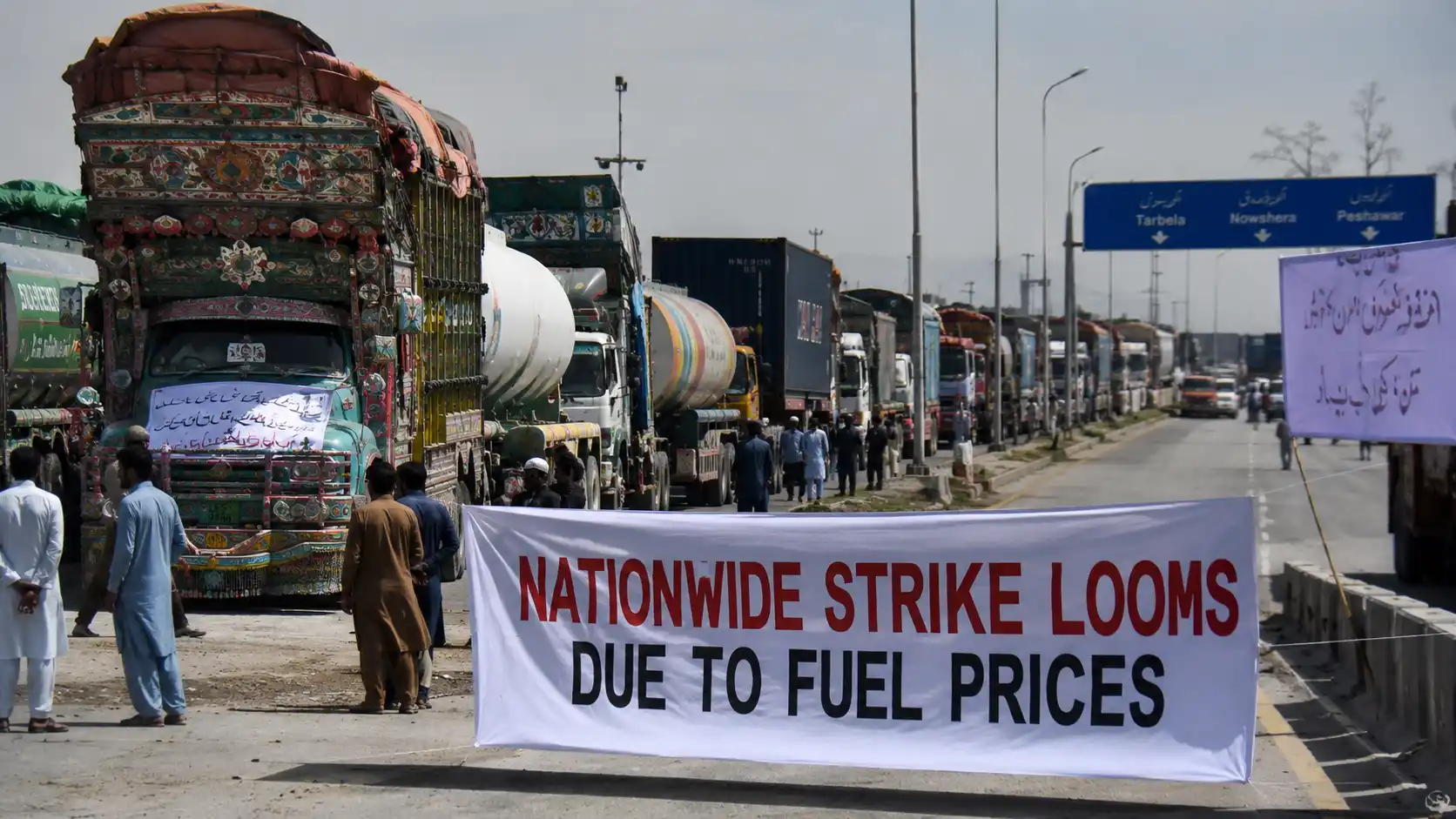

Fuel prices have reached a critical point, prompting goods transporters across the country to warn of a nationwide strike. This strike could significantly disrupt supply chains, impacting everything from local grocery stores to international trade. The rising costs directly affect transporters’ profitability, leading them to take drastic measures. For consumers and businesses alike, the consequences of such a strike are far-reaching. As we delve deeper into the implications of this potential strike, it becomes clear that everyone from policymakers to everyday citizens will feel its impact.
The Current State of Fuel Prices
Fuel prices have been climbing steadily, driven by a mix of global market dynamics and localized factors. International tensions, supply chain disruptions, and decisions by major oil-producing countries have all played a role in this escalation. As a result, transporters, who rely heavily on diesel and petrol, face mounting operational costs.
The situation is exacerbated in regions heavily dependent on road transport. Fuel costs are a major component of logistics expenses, and any increase has a cascading effect on profitability. Transporters are unable to absorb these costs indefinitely without passing them on to consumers.
Compounding this issue are local taxes and regulations that can vary widely, influencing the final price at the pump. Transporters, already squeezed by high fuel costs, also face bureaucratic hurdles that add to their challenges.
Additionally, fluctuations in currency rates can further compound fuel price issues. In countries with volatile currencies, the impact is even more acute, as import costs for fuel can vary drastically. This unpredictability makes it challenging for transporters to plan long-term strategies.
Notably, some regions have begun exploring the idea of fuel hedging as a method to manage future fuel costs. By committing to buying fuel at a set price in advance, some companies aim to shield themselves from sudden spikes in prices. This approach, however, requires substantial expertise and capital to execute effectively.
The Role of Transporters in the Economy
Transporters are the backbone of the economy, facilitating the movement of goods across vast distances. From raw materials to finished goods, they ensure that companies maintain a steady supply chain. Their role is critical in maintaining economic stability and growth.
Without efficient transport systems, industries would struggle to access essential supplies, causing production delays and economic slowdowns. A nationwide strike would disrupt this delicate balance, threatening business operations and consumer access to goods.
Furthermore, transporters play a vital role in connecting rural areas with urban markets. This connectivity is crucial for developing economies, enabling farmers and small businesses to participate in broader markets.
Transporters also contribute significantly to employment, both directly and indirectly. The sector provides jobs for drivers, logistics coordinators, warehouse staff, and administrative positions. A strike would not only affect supply chains but potentially lead to temporary unemployment for thousands of workers.
Moreover, transporters facilitate global commerce. They enable the import and export of goods, fostering trade relationships across countries. Any disruption here can cause international ramifications, impacting global business ties and economic partnerships.
Impact of a Nationwide Strike
A nationwide strike would have immediate and far-reaching effects. Consumers would experience shortages of goods, from fresh produce to essential supplies, as distribution networks grind to a halt. Prices for available goods would likely spike due to scarcity.
Industries reliant on just-in-time inventory systems would face production stoppages, increasing operational costs and potentially leading to job losses. The ripple effects would permeate through the economy, impacting investment and growth.
Furthermore, international trade could also suffer. Ports and export businesses rely on efficient transportation networks to move goods rapidly. Any significant delay could damage relationships with international partners and harm the national export economy.
The impact would also trickle down to small businesses, which often operate with thinner margins and less capacity to absorb shocks. For them, increased costs or supply shortages can mean the difference between staying open and closing permanently.
In the health sector, essential supplies and emergency services may suffer delays, jeopardizing patient care. Hospitals and clinics depend on timely deliveries of medications and medical equipment, and disruptions could risk lives.
The Government’s Response
In response to the looming strike, governments need to engage directly with transport associations to address their concerns. Short-term relief through subsidies or tax reductions could provide immediate support to transporters.
Long-term strategies must focus on stabilizing fuel prices, perhaps through strategic reserves or diversifying energy sources. Investing in alternative fuels and infrastructure could also reduce dependency on traditional fuel, cushioning the impact of future price spikes.
Moreover, governments can streamline regulatory processes to reduce the bureaucratic burden on transporters, ensuring that their operations remain viable. Policy dialogues focused on ensuring fair pricing mechanisms and transparency in fuel taxation may also help improve trust between transporters and the government. Such efforts can facilitate cooperative approaches to price stabilization.
Public-private partnerships could play a role in developing infrastructure to support alternative transportation methods. By investing together, both sectors can share risks and benefits, fostering innovation and resilience against future disruptions.
Historical Comparisons
Historically, fuel price increases have precipitated strikes and widespread protests. The 1973 oil crisis, for example, resulted in significant economic turmoil. Governments at the time had to implement sweeping measures to stabilize markets.
In more recent times, fuel protests have led to policy changes; for instance, the Yellow Vest movement in France prompted the government to reconsider fuel tax strategies. Such instances highlight the critical need for governments to balance fiscal measures with economic realities.
Learning from these historical events, policymakers today must act decisively to address transporters’ concerns while maintaining economic stability.
Reflecting on these events, it becomes evident that countries with proactive energy policies and strategic reserves were better able to withstand previous crises. Countries lacking such foresight bore the brunt of economic disruptions and social unrest.
By examining the response strategies that worked in the past, today’s leaders can craft more effective and nuanced policies. Learning from history is key to avoiding repeated mistakes and ensuring a more stable economic future.
Different Perspectives
Various stakeholders view the situation differently. Consumers generally express frustration at rising costs and potential shortages. Industries reliant on road transport worry about operational disruptions affecting their bottom line.
Environmental groups may advocate for the strike as a catalyst for accelerating renewable energy adoption, arguing that reliance on fossil fuels is unsustainable in the long term. Transitioning to cleaner energy sources could build resilience against future disruptions.
Policymakers are caught balancing short-term economic pressures with long-term environmental goals, striving to address immediate concerns while planning for sustainable development.
For transporters, the strike represents both a necessity and a final recourse in their efforts to advocate for fairer fuel pricing. While aware of the potential consequences, they see it as a critical way to obtain the attention of policymakers and bring about necessary change.
Local governments and municipalities also face unique pressures, as they must address constituents’ concerns while working within tighter budgets. Balancing local infrastructural needs with broader economic policies is a delicate, often challenging task.
Potential Solutions and Innovations
To mitigate the impact of fuel prices, the transport sector could explore alternative fuels like biofuels, electric vehicles, and hydrogen. These technologies promise to reduce emissions and operational costs, though initial investments are significant.
Telematics and logistics technology can optimize fuel efficiency. By employing data analytics, companies can streamline routes, reduce idle times, and improve vehicle maintenance schedules.
The government could incentivize the adoption of such innovations, offering tax breaks or subsidies to companies investing in cleaner technologies. This approach would promote sustainability and economic resilience.
Collaboration among tech companies, energy providers, and transport businesses could lead to breakthroughs in energy efficiency and eco-friendly practices. Industry-wide innovations often arise from such cross-sector partnerships.
Education and skill development for the workforce transitioning to new technology in the transport sector can ensure successful implementation of alt-fuel solutions. Offering training and education will make the workforce adaptable to future technological advancements.
The Future of Fuel Pricing
Fuel pricing will likely remain volatile due to unpredictable geopolitical and economic factors. However, with strategic planning, nations can better insulate their economies from such shocks.
Policies encouraging energy diversification and investing in renewable technologies will play a crucial role. By securing a stable energy future, countries can reduce their dependency on volatile international fuel markets.
Education campaigns to promote energy conservation and efficiency can also contribute to reducing demand pressures, ultimately helping stabilize prices.
International cooperation could enhance energy security. Global partnerships focusing on shared research and development in renewable energy can foster advancements globally, creating a less fragmented approach to energy security.
The need for transparent pricing mechanisms in the fuel industry is vital for consumer trust and economic stability. Enhanced transparency could decrease market speculation, creating more stable prices for end-users.
Consumer Adaptation During Strikes
In anticipation of a strike, consumers might adopt several strategies to cope with potential shortages. These include stockpiling essential goods and seeking alternative transportation options. Carpooling or using public transportation can reduce individual fuel consumption, though widespread adoption requires improved infrastructure and services.
Additionally, consumers may explore buying local products to reduce reliance on long-distance transportation, indirectly supporting local economies and reducing carbon footprints.
Communities might form cooperative purchasing groups, aggregating buying power for essential goods, thereby stabilizing supplies and maintaining available inventory during periods of scarcity.
Technological solutions, such as app-based resource-sharing platforms, could help streamline consumer response, offering real-time updates on supply availability and alternative transportation options.
Concluding Remarks on Fuel Prices and Strikes
The warning of a nationwide strike due to rising fuel prices underscores the interconnected nature of the economy, energy, and transport sectors. Addressing this issue requires immediate and coordinated efforts from governments, industries, and consumers.
While immediate relief measures are essential, long-term strategies focused on sustainability and energy diversification could provide lasting solutions. The situation serves as a reminder of the fragility of current systems and the urgent need for innovation.
Ultimately, collaboration between all stakeholders will be crucial in navigating the challenges posed by fuel price fluctuations and ensuring economic resilience moving forward. Cultural shifts towards sustainability and conscious consumption habits can further contribute to broadening acceptance of alternative fuels, supporting the transition towards a more sustainable future.
Proactive educational initiatives to raise awareness about the critical nature of fuel price impacts can empower citizens to engage actively in measures that foster economic resilience and environmental stewardship.
Frequently Asked Questions
What is causing the rise in fuel prices?
Fuel prices have been increasing due to global market dynamics, geopolitical tensions, and decisions by oil-producing nations impacting supply and demand.
How might the nationwide strike affect consumers?
Consumers could face shortages and increased prices for goods as supply chains experience disruptions due to halted transportation services.
What steps can governments take to address transporters’ concerns?
Governments can consider subsidies or tax reductions for transporters, along with measures to stabilize fuel prices and streamline regulations.
Are there alternative solutions to relying on traditional fuels?
Yes, alternative fuels like biofuels, electric vehicles, and hydrogen offer potential solutions, though they require significant initial investments.
How have historical events influenced current fuel pricing strategies?
Past events like the 1973 oil crisis have shown the need for balanced policies, highlighting the importance of stabilizing markets and addressing economic impacts.