






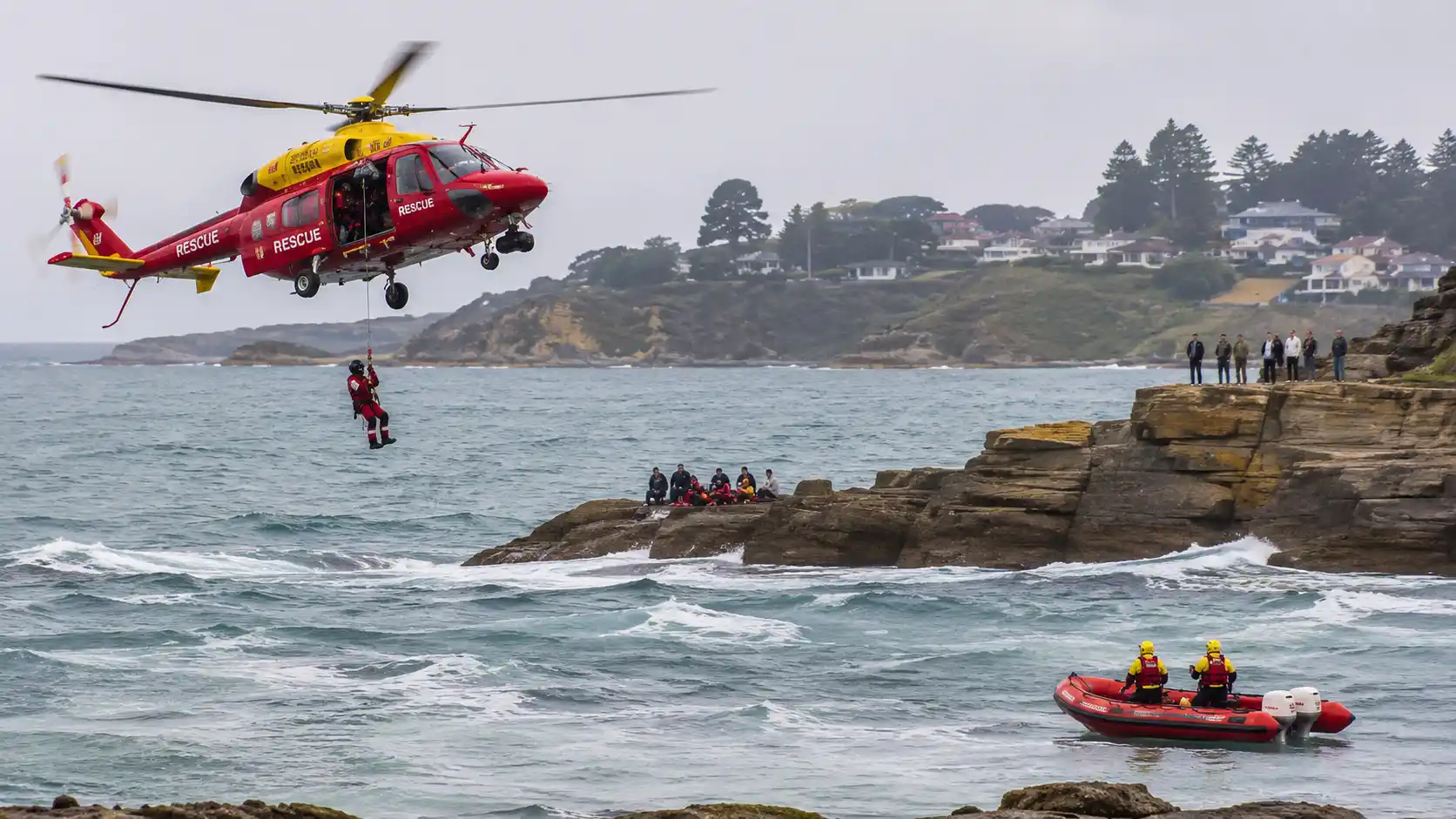

The recent Hawkes Bay rescue, where six youths were saved from drowning, has brought new attention to the importance of beach safety. This dramatic event serves as a stark reminder of how unpredictable the sea can be and underscores the vital role that well-prepared lifeguard teams and public awareness play in preventing tragedies. As beachgoers flock to scenic locations like Hawkes Bay, ensuring that safety protocols are robust and well-followed becomes increasingly crucial.
The Unfolding of Events at Hawkes Bay
The Hawkes Bay rescue began to unfold when the six youths, enjoying a day at the beach, suddenly found themselves caught in a strong riptide. This powerful sea current pulled them away from the shore, creating a life-threatening situation. Such incidents can occur without warning, especially in areas where tides are strong and beach visitors may not be aware of the potential dangers.
Witnesses on the beach quickly noticed the distress of the youths and raised the alarm. Their quick response highlights the importance of community vigilance in preventing drownings. While lifeguards are often the first line of defense, individuals on the beach play a crucial role in recognizing when someone is in trouble.
The lifeguards on duty sprang into action, deploying rescue equipment and approaching the struggling youths. Their swift and coordinated effort was instrumental in ensuring a successful rescue, further emphasizing the importance of having trained personnel readily available in high-risk areas.
This incident also underscores the unpredictability of the ocean, where even familiar beaches can become treacherous in changing conditions. Beachgoers must be aware that relaxations can turn into emergencies within moments, demanding readiness and alertness from everyone present. This specific event at Hawkes Bay reveals not just the courage of the youths and the determination of rescuers but also the fragility of human control when faced with nature’s forces.
Moreover, the coordination between beachgoers and professionals exemplifies a model of effective emergency response that can inspire strategies in other coastal regions. It shows how mutual support and timely intervention can drastically shift the outcome of seemingly dire situations. As more details emerge, communities worldwide can learn from Hawkes Bay in crafting their beach safety and emergency response plans.
Understanding Riptides: A Hidden Danger
The Hawkes Bay rescue is a reminder of the dangers posed by riptides. These powerful currents can quickly pull even strong swimmers away from shore, leading to dangerous situations. Riptides are typically difficult to detect from the shore, and their strength can take beachgoers by surprise.
Educating the public about identifying and responding to riptides is crucial. Signs that a riptide may be present include differences in water color, a break in wave patterns, or visible debris moving seaward. By knowing these signs, swimmers can avoid areas that may pose an increased risk.
Moreover, understanding how to react if caught in a riptide can save lives. Swimmers are advised to swim parallel to the shore to escape the current, rather than trying to fight against it directly. This knowledge is an essential part of beach safety education.
To understand riptides better, it’s essential to explore their formation and behavior. Riptides often form when water gathers between the shore and a sandbank, creating channels where the trapped water flows back to sea with increased force. Environmental factors, such as the configuration of the offshore terrain and weather conditions, can influence their intensity and location.
Efforts to monitor and map potential riptide locations have led to scientific advancements. Oceanographers use radar, buoys, and satellite technology to predict dangerous currents, thereby enhancing warnings and safety measures. Integrating this scientific perspective into public education can increase awareness and reduce panic in emergencies. Encouraging partnerships between scientists and local authorities can lead to more informed strategies that better equip both regular beachgoers and tourists.
Lifeguards: The Guardians of Our Beaches
The lifesaving efforts witnessed during the Hawkes Bay rescue highlight the indispensable role of lifeguards. These trained professionals are equipped with both the skills and the knowledge required to manage emergency situations and save lives.
Lifeguards are trained to recognize signs of distress and react promptly. Their ability to assess situations quickly and deploy the necessary rescue techniques can mean the difference between life and death. Continuous training ensures that they remain prepared for a variety of emergency scenarios.
Their presence also acts as a deterrent to risky behavior among beachgoers. Regular patrols and well-marked observation points provide reassurance to visitors, knowing that help is always close by should an emergency arise.
Lifeguard services often go beyond mere vigilance. They involve comprehensive preparation, including rigorous physical training and psychological readiness. It’s a role that requires not just physical stamina but mental resilience. Regular drills and updating rescue protocols are crucial to align with the latest methodologies and technologies. This constant evolution is necessary to meet the varying challenges presented by different beach environments.
Furthermore, the community’s trust in lifeguards fosters a sense of security. Such trust is built over time as lifeguards present themselves not only as first responders but also as educators who promote daily safety habits. Programs, including workshops and hands-on demonstrations, can bring lifeguards and communities closer, enhancing cooperation and shared responsibility for safety.
Community Involvement in Beach Safety
The Hawkes Bay rescue illustrates the power of community involvement in ensuring beach safety. Witnesses who raised the alarm played a critical role in the successful outcome of the rescue. This underscores the importance of fostering a culture of awareness and responsibility among all beachgoers.
Education initiatives aimed at informing the public about beach dangers and first-response actions are essential. Community workshops, informational signage, and collaboration with local schools can enhance public knowledge and preparedness.
A well-informed community acts as an extended support network for lifeguards, allowing for faster recognition of and response to emergencies. Empowering beachgoers with the knowledge to act appropriately in emergencies complements professional rescue efforts.
Community involvement extends beyond immediate alertness to a broader preventive approach. By engaging different community segments, such as schools, local businesses, and civic organizations, a deeper sense of collective responsibility can be cultivated. Initiatives like community-based beach patrols, citizen volunteer programs, and partnerships with local authorities can bring diverse groups together under the common cause of safety.
Empowering local voices that advocate for safety policies ensures that official measures resonate with the unique needs of the community. Tailoring these initiatives to address specific regional concerns can make them more effective, as local engagement often leads to more sustained and enthusiastic participation.
The Role of Technology in Modern Rescues
In conjunction with human efforts, technology plays an increasing role in modern beach rescues. New tools and innovations can enhance the efficiency and effectiveness of rescue operations, as seen in scenarios like the Hawkes Bay rescue.
For instance, drones equipped with floatation devices or surveillance capabilities can be deployed to aid in the monitoring and rescue of individuals in distress. These devices provide lifeguards with a broader view of the beach and can quickly deliver aid where it is most needed.
Other technological advancements, such as GPS-enabled safety systems and mobile apps that provide real-time information about sea conditions, serve as additional layers of safety that can prevent accidents or assist in timely rescues.
The integration of artificial intelligence into monitoring systems can further amplify beach safety measures. Machine learning algorithms, capable of analyzing data from multiple sources, can identify unusual patterns and predict potentially hazardous conditions before they manifest. This preemptive approach allows authorities to warn beachgoers and take action well in advance.
Furthermore, collaborations with tech companies to develop specific apps for local beaches can enhance user engagement and customization. These apps could provide detailed insights, historical data, and personalized safety reminders, transforming technology from an emergency tool to a daily safety companion. When technology is integrated seamlessly into daily life, it builds a safety culture even before reaching the shore.
Lessons Learned from the Hawkes Bay Incident
The successful Hawkes Bay rescue provides critical lessons about preparedness, community involvement, and technological integration. It demonstrates how a combination of vigilant beachgoers, skilled lifeguards, and effective communication can prevent tragedies.
This event should encourage continuous investment in training programs for lifeguards and the development of community-led safety initiatives. Increasing public knowledge about beach safety can create an informed and proactive community able to respond to emergencies.
By analyzing the success factors in this incident, coastal authorities can refine their safety protocols and strategies to enhance resilience against future emergencies.
Reflecting on this incident, authorities can explore a holistic approach that encompasses both prevention and response. By emphasizing synergy across various dimensions—be it through consistent collaboration between rescue organizations and communities or through flexible policies accommodating unique local beach dynamics—more comprehensive solutions can be crafted.
These learnings not only shape the immediate future policies but also aid in building an adaptable framework that can handle varied coastal situations. Maintaining open channels of feedback and continuously engaging in dialogue with stakeholders build resilience that transcends specific events and lays the foundation for sustainable safety practices.
The Psychological Impact on Rescuers and Victims
While the physical outcomes of rescues like the one at Hawkes Bay are evident, the psychological impacts on both rescuers and victims should not be overlooked. Such traumatic events can leave lasting mental and emotional effects, requiring appropriate support and counseling.
Lifeguards who intervene in life-threatening situations often face significant stress and emotional challenges. Access to mental health support and counseling is crucial to their well-being and continued ability to perform their duties effectively.
Similarly, victims of near-drowning experiences may suffer from anxiety or fear of the water afterward. Providing them with access to psychological support can aid in their recovery and reinforce important lessons for future safety.
Psychological resilience can be nurtured through structured debriefing sessions, where both immediate interventions and longer-term therapeutic support are offered. These sessions can help normalize the emotional aftermath, reducing stigma and encouraging openness about struggles faced by rescuers and survivors alike.
The establishment of support networks, where individuals can share experiences and coping strategies, adds an extra layer of healing. By fostering a community-oriented approach to mental well-being, victims and rescuers can build relationships that offer mutual support and understanding. This focus on psychological safety complements physical security, ensuring holistic recovery and preparation for future events.
Building a Culture of Preparedness
The Hawkes Bay rescue underscores the need for a culture of preparedness among the general public and authorities. Such a culture ensures swift reaction times and positive outcomes when emergencies arise.
Public safety campaigns that engage local communities, focus on educational outreach, and encourage collaboration with professional organizations, can foster a collective mindset of readiness and awareness at beaches.
Through regular drills and scenario planning, beach authorities can maintain high standards of preparedness, allowing them to respond effectively to both expected and unforeseen challenges.
Developing a readiness culture involves evolving mindsets from reactive to proactive. Educational outreach that resonates with cultural values and social dynamics enhances participation. By embedding preparedness within community festivals, local traditions, and youth programs, this mindset becomes an intrinsic part of community identity.
Encouraging local leadership in preparedness campaigns, where community champions take charge of initiatives, promotes personal investment and ownership. This collective approach magnifies the reach and impact, making readiness an exciting and engaging cause rather than just a mandatory responsibility.
Balancing Recreation and Safety at Beaches
Beaches like Hawkes Bay are popular recreational destinations that attract visitors seeking relaxation and adventure. Balancing the pursuit of enjoyment with safety is key to ensuring that these natural spaces remain safe for everyone.
Visitor education on the potential risks and recommended safety measures is necessary for maintaining this balance. Encouraging adherence to safety guidelines and respecting lifeguard instructions creates a sustainable environment for recreation.
The implementation of clear signage, community awareness programs, and frequent updates on current sea conditions contribute to a harmonious relationship between leisure and safety.
Striking this balance also involves understanding diverse visitor motivations and needs. While some seek adventure, others may prioritize tranquility. Creating diverse zones, where specific rules or amenities cater to different groups, ensures that every visitor has an appropriate and safe space for enjoyment.
Engaging visitors through interactive experiences, such as guided tours or themed safety workshops, enhances their understanding and compliance with guidelines. By framing safety as an integral part of the broader recreational experience, authorities can ensure that leisure and safety coexist, providing enjoyable experiences without compromising well-being.
Conclusion: Ensuring Safe Beach Experiences for All
The rescue at Hawkes Bay serves as a profound reminder of the fragility and unpredictability of our natural environments. By fostering a collaborative effort between individuals, communities, and authorities, we can ensure that beaches remain safe havens for recreation and enjoyment.
The incident highlights the importance of vigilance, preparedness, and continuous education in preventing tragedies. It calls for ongoing investment in personnel training, technological advancements, and community engagement to build a comprehensive safety net.
Moving forward, the lessons from this rescue should guide policies and practices to protect lives and create resilient, informed communities that can effectively respond to emergencies at our beloved beaches.
Frequently Asked Questions
What happened during the Hawkes Bay rescue?
During the Hawkes Bay rescue, six youths were caught in a riptide and were struggling to stay afloat. Lifeguards and beachgoers responded quickly to bring them to safety.
What are riptides and how do they form?
Riptides are strong sea currents that move away from the shore, often forming near breaking waves. They can occur suddenly and are challenging to detect without prior knowledge.
How can technology help in beach rescues?
Technology such as drones and real-time monitoring apps can enhance rescue efforts by providing a broader view and faster response to emergencies, aiding efforts like those in the Hawkes Bay rescue.
What role did the community play in the rescue?
The community played a vital role by quickly notifying lifeguards of the danger, demonstrating the importance of public vigilance in ensuring safety at beaches.
What steps can be taken to improve beach safety?
Improving beach safety involves a combination of public education, professional training for lifeguards, technological enhancements, and community involvement to ensure aware and prepared visitors.