





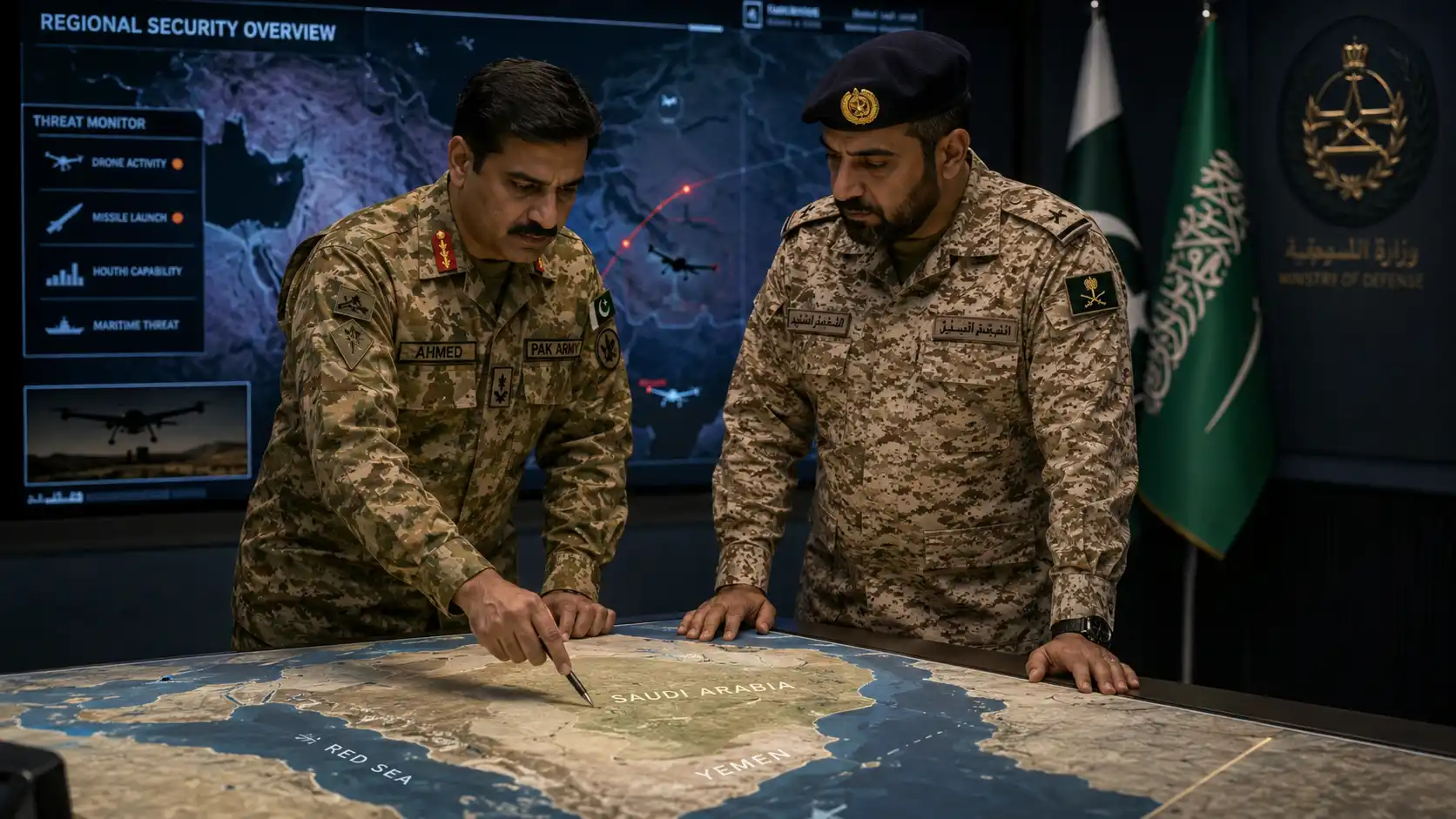

Pakistan has strongly condemned the recent threats from the Houthi rebels targeting Saudi Arabia and has issued warnings regarding potential attacks on maritime interests. This response highlights the delicate geopolitical dynamics at play in the region, where alliances and enmities have a significant impact on global security. The involvement of Pakistan in addressing Houthi threats against Saudi Arabia underscores the strategic importance of Saudi-Pakistani relations and the broader implications for regional stability.
Background: Understanding the Houthi Movement
The Houthi movement, formally known as Ansar Allah, emerged in the 1990s as a religious and political group in Yemen. Rooted in the Zaydi branch of Shia Islam, the movement initially sought to address issues of economic inequality and political marginalization in Yemen. However, over the years, the Houthis have evolved into a significant military force, engaging in numerous conflicts within Yemen and against external forces. Their rise has been closely linked to the broader sectarian and geopolitical struggles in the Middle East.
In recent years, the Houthis have gained notoriety for their conflict with the Yemeni government, which is backed by a Saudi-led coalition. This conflict has devastatingly affected Yemen, leading to a humanitarian crisis. The group’s strategic use of missile and drone attacks has escalated tensions, drawing condemnation from many international actors, including Pakistan.
Understanding the origins and goals of the Houthi movement provides insight into why their threats against regional powers like Saudi Arabia are taken seriously and how these threats are shaped by complex geopolitical factors.
The Houthis’ rise to power was not abrupt but rather the result of years of dissatisfaction and marginalization within Yemen. Their stronghold in northern Yemen and strategic alliances with regional powers like Iran add layers of complexity to the conflict. The geopolitical chessboard of the Middle East is further complicated by the Houthis’ actions, which have become a focal point for powers like Iran and Saudi Arabia, both seeking to expand their influence.
Additionally, the Houthis have cleverly employed modern warfare tactics, including the use of drones and sophisticated missiles, which have targeted key installations in Saudi Arabia. These attacks not only challenge Saudi military capabilities but also raise concerns about the vulnerability and resilience of Gulf infrastructure. This strategic prowess of the Houthis highlights the escalating arms race in the region and the dire need for comprehensive security frameworks.
Pakistan’s Strategic Interests in the Middle East
Pakistan’s foreign policy and strategic interests in the Middle East are shaped by a combination of religious, economic, and security concerns. The country shares strong religious bonds with many Gulf States, Saudi Arabia being one of the foremost, considering the shared Sunni majority. Economically, Saudi Arabia is a significant source of investment and employment for Pakistanis, and Pakistan in return offers military support.
Security is another crucial component of Pakistan’s interest in the region. The Middle East’s stability directly affects Pakistan due to proximity and the potential for spillover of extremism and conflict. Additionally, the free flow of oil from the region is essential for Pakistan’s energy security, further intertwining its interests with regional stability.
By condemning the Houthi threats, Pakistan reinforces its commitment to the security of its allies while safeguarding its strategic interests, demonstrating support for terms of peace and cooperation in the region.
Furthermore, Pakistan’s vast diaspora in the Gulf provides a crucial economic lifeline through remittances. Any instability that affects employment opportunities or the safety of its citizens abroad is of significant concern to Islamabad. This intertwines with broader security concerns, as the radicalization of isolated expatriate communities could have repercussions on domestic security within Pakistan.
The burgeoning economic ties between China, Pakistan, and the broader Middle East, particularly under initiatives like the China-Pakistan Economic Corridor (CPEC), underscore the pivotal role the region plays in Pakistan’s economic future. This makes peace and stability in the Gulf critical not only for traditional security reasons but also for the realization of broader economic ambitions.
Saudi-Pakistani Relations: A Historical Perspective
The relationship between Saudi Arabia and Pakistan is deeply rooted in history, shared values, and mutual interests. This relationship extends beyond diplomatic niceties, enveloped in economic cooperation, military assistance, and diplomatic support on international platforms.
Historically, Saudi Arabia has provided crucial economic aid to Pakistan, supporting its economy during challenging times. In return, Pakistan has often stood by Saudi Arabia in regional conflicts and crises, providing military training and occasionally troops.
The enduring alliance between the two nations is underscored by continuous diplomatic engagements and strategic collaborations. Pakistan’s response to the Houthi threats is a reaffirmation of this longstanding bond, emphasizing shared goals of security and prosperity.
Over the years, this partnership has evolved to include more nuanced and multifaceted engagements. For instance, Saudi investments in Pakistan have spanned sectors beyond oil and energy, including infrastructure, real estate, and telecommunications. Similarly, Pakistani defense exports to Saudi Arabia and joint military exercises signify a deepening of military cooperation.
The changing geopolitical landscape of the Middle East also necessitates a reevaluation of these historical ties. Both nations are exploring modernization trajectories—Pakistan through initiatives like CPEC and Saudi Arabia through Vision 2030—requiring alignment in economic visions and defense strategies to address emerging challenges collaboratively.
The Impact of Houthi Threats on Maritime Interests
One significant dimension of the Houthi threat is its potential impact on maritime interests and security in the region. The Red Sea, a critical maritime corridor for global trade, could be severely affected by the escalation of threats and hostilities.
The Strait of Bab-el-Mandeb, at the southern tip of the Red Sea, is one of the world’s busiest maritime chokepoints. A disruption in this waterway could have far-reaching economic and security implications, affecting not only the Middle Eastern nations but the global supply chain and oil prices.
Pakistan’s warning against attacks on maritime interests highlights the broader concerns over regional stability and the importance of securing sea lanes for unimpeded trade and transit, which are vital for both regional and international economies.
The Red Sea’s significance extends beyond immediate economic considerations, encompassing broader strategic implications. Navies from across the world, including those of the United States, China, and European nations, routinely patrol this corridor to ensure unimpeded passage, underscoring its global importance. In this context, any threats to maritime interests are likely to draw international attention, potentially escalating regional tensions further.
Moreover, the fishing economies of countries bordering the Red Sea stand at risk, with potential disruptions affecting local livelihoods. This underlines the interconnectedness of military threats, economic stability, and human security in the region, further necessitating comprehensive security frameworks to ensure the safe passage of vessels and the protection of regional economies.
Analyzing Pakistan’s Diplomatic Response
Pakistan’s diplomatic response to the Houthi threats is multifaceted, intertwining condemnation with calls for restraint and dialogue. The official statements from Pakistan emphasize the importance of resolving conflicts through peaceful means and reflect its broader commitment to diplomatic solutions.
This approach aligns with Pakistan’s historical preference for diplomatic engagement over military interventions, which reflects its foreign policy principles. By vocally opposing the Houthi threats, Pakistan seeks to reinforce its role as a responsible regional actor advocating for peace and stability.
Pakistan’s timely and strategic diplomatic activities also indicate its willingness to mediate and de-escalate tensions, reaffirming its position as a peace broker in the complex Middle Eastern geopolitical landscape.
Such diplomatic undertakings are not solely altruistic but aligned with Pakistan’s strategic imperatives. By positioning itself as a moderating voice, Pakistan enhances its international standing and reasserts its relevance in Middle Eastern geopolitics. This also opens avenues for Islamabad to engage more constructively with Western powers and forums like the United Nations in advocating for peaceful resolutions.
Furthermore, internal stakeholders within Pakistan, including influential clerics and business leaders, back these diplomatic overtures, ensuring coherence between domestic opinions and foreign policy actions. For a nation where domestic and international politics are deeply intertwined, this alignment is crucial in pursuing sustained peace initiatives in the region.
The Role of International Law and Organizations
International law and organizations play a crucial role in mitigating conflicts like those involving the Houthis. The United Nations and other multilateral organizations have been involved in Yemen, providing humanitarian aid and facilitating dialogue among conflicting parties.
Pakistan’s position underscores the importance of adhering to international laws, particularly those concerning maritime security and territorial sovereignty. The nation’s diplomatic efforts align with resolutions by the UN Security Council, aimed at ending hostilities and bringing about sustainable peace in Yemen.
Additionally, Pakistan advocates for collective efforts by the international community to curb militancy and terrorism, emphasizing the necessity of global cooperation to safeguard maritime freedom and security.
International maritime law, as governed by the United Nations Convention on the Law of the Sea (UNCLOS), provides a critical framework to address the security threats posed by groups like the Houthis. The Gulf nations, along with Pakistan, emphasize the significance of these treaties, advocating for consistent enforcement to protect trade routes.
The collaboration with international organizations also enables Pakistan to project its foreign policy objectives onto a global stage, facilitating multilateral dialogues crucial for regional peace. Such platforms also allow Islamabad to collaborate on broader counterterrorism strategies, leveraging its experience in combating militancy to contribute to global security frameworks.
Comparing Regional Responses to Houthi Aggressions
The Houthi threats have elicited varied responses from different countries in the region, each shaped by their strategic priorities and geopolitical alignments. Saudi Arabia, as a direct target, has reacted with military resolve, often resulting in retaliatory attacks to curb the Houthis’ influence.
The United Arab Emirates (UAE) and other Arab allies have supported Saudi Arabia with military aid and diplomatic backing, underscoring the interconnected nature of regional security. In contrast, nations like Oman have focused on mediation, attempting to broker peace deals between the parties.
Pakistan stands out for its balanced approach, combining diplomatic condemnation with offers of dialogue and peace promotion. This highlights a strategic divergence in addressing Houthi threats compared to other regional powers focused primarily on military solutions.
This diversity in responses highlights the different national interests at play. While some nations, like Egypt, prioritize securing maritime routes for their trade, others like Kuwait emphasize diplomatic resolutions to avoid regional escalation. Such varied approaches underscore the complexity of regional alliances and the multifaceted nature of the Middle Eastern geopolitical chessboard.
With influential nations like Iran supporting the Houthis, any aggressive actions bear the risk of exacerbating sectarian divides, making diplomatic engagement and skilled negotiation paramount. Pakistan’s emphasis on dialogue thus positions it as a potential mediator, capable of bridging divides and negotiating peace when other nations might opt for more confrontational tactics.
Implications for Yemen’s Civil War
The immediate consequence of the Houthi threats and the ensuing responses is the potential escalation of Yemen’s civil war. The involvement and backing of foreign states on opposing sides could potentially complicate peace efforts, making a resolution more elusive.
The civil war in Yemen has already caused a severe humanitarian disaster, with millions displaced and in need of aid. Pakistan’s stance indicates the pressing need for diplomatic resolutions to the conflict, aimed at averting further humanitarian fallout.
By condemning aggressive acts and advocating for dialogue, Pakistan supports initiatives focused on bringing warring parties to the negotiating table, a necessary step towards ceasing hostilities and initiating reconstruction efforts in Yemen.
Moreover, the prolonged conflict in Yemen threatens to further destabilize the Arabian Peninsula, spreading instability to neighboring countries, which in turn threatens global oil supply chains. This necessitates a more concerted international effort to address the root causes of conflict and exploit avenues of peace wherever possible.
Pakistan’s diplomatic overtures, therefore, play a crucial role in international peace-building efforts. It highlights the importance of regional countries leading peace talks and the role of international organizations in supporting negotiation processes aimed at durable peace solutions.
The Future of Pakistan’s Foreign Policy in the Middle East
Pakistan’s strong reaction to Houthi threats showcases its evolving foreign policy in the Middle East, highlighting a pragmatic blend of diplomacy, strategic partnerships, and security interests. This approach is likely to shape its future engagements in the region.
The country’s commitment to peaceful conflict resolution via diplomatic channels exhibits its intent to position itself as a constructive player in regional politics. Pakistan’s foreign policy direction will likely continue to emphasize military and economic partnerships alongside diplomatic engagements.
Considering the complex dynamics of Middle Eastern geopolitics, Pakistan’s role as a stabilizing force can contribute significantly to the region, provided it navigates the existing alliances and tensions carefully while promoting peace and security.
Looking forward, Pakistan’s foreign policy must also adapt to the emerging dynamics of great power competition, especially between the United States and China. In this respect, balancing its alliances, reinforcing its economic presence, and maintaining strategic partnerships will be essential for coherent and effective policy in the Middle East.
The pursuit of economic diversification and deepening energy ties are likely to dominate its agenda alongside security concerns, providing Pakistan with avenues to assert its regional interests while promoting a collective vision of stability and prosperity in conjunction with Middle Eastern allies.
Conclusion: Toward Stability and Security
Pakistan’s condemnation of Houthi threats against Saudi Arabia and maritime interests underscores its strategic priorities within a complex geopolitical landscape. The nation’s response reflects its commitment to its allies, underlining both the historical bonds and contemporary strategic partnerships that bind it to Saudi Arabia.
This stance also denotes Pakistan’s broader vision for regional stability encompassing economic growth, peace efforts, and collective security. Its diplomatic efforts emphasize dialogue and adherence to international law as essential pathways to resolving conflicts and fostering long-term stability in the Middle East.
Moving forward, Pakistan’s role in mediating conflicts and supporting peaceful resolutions will be crucial in shaping the evolving narrative of Middle Eastern geopolitics. Its actions will continue to influence the pathways toward cooperation, stability, and peace in one of the world’s most intricate regions.
The country’s ability to balance strategic imperatives with peaceful overtures will not only safeguard its national interests but also position it as a vital player in the globally connected landscape of Middle Eastern politics, highlighting the power of diplomacy amidst the shadows of conflict.
Frequently Asked Questions
What prompted Pakistan to condemn Houthi threats?
Pakistan condemned the Houthi threats due to its strategic interests in the region, strong ties with Saudi Arabia, and the potential implications on maritime security.
How does Pakistan view its relationship with Saudi Arabia?
Pakistan views its relationship with Saudi Arabia as vital, historically grounded in mutual support, religious affinity, and strategic cooperation.
What is the significance of the Red Sea in this context?
The Red Sea is crucial for global trade routes, and threats to its security could disrupt vital maritime traffic, affecting international economies.
Why is there a focus on international law regarding this issue?
Adherence to international law ensures maritime security and territorial sovereignty, which are essential for regional peace and stability.
What role does Pakistan play in Middle Eastern geopolitics?
Pakistan acts as a stabilizing force in Middle Eastern geopolitics, advocating for peace and maintaining strategic partnerships with regional powers.