





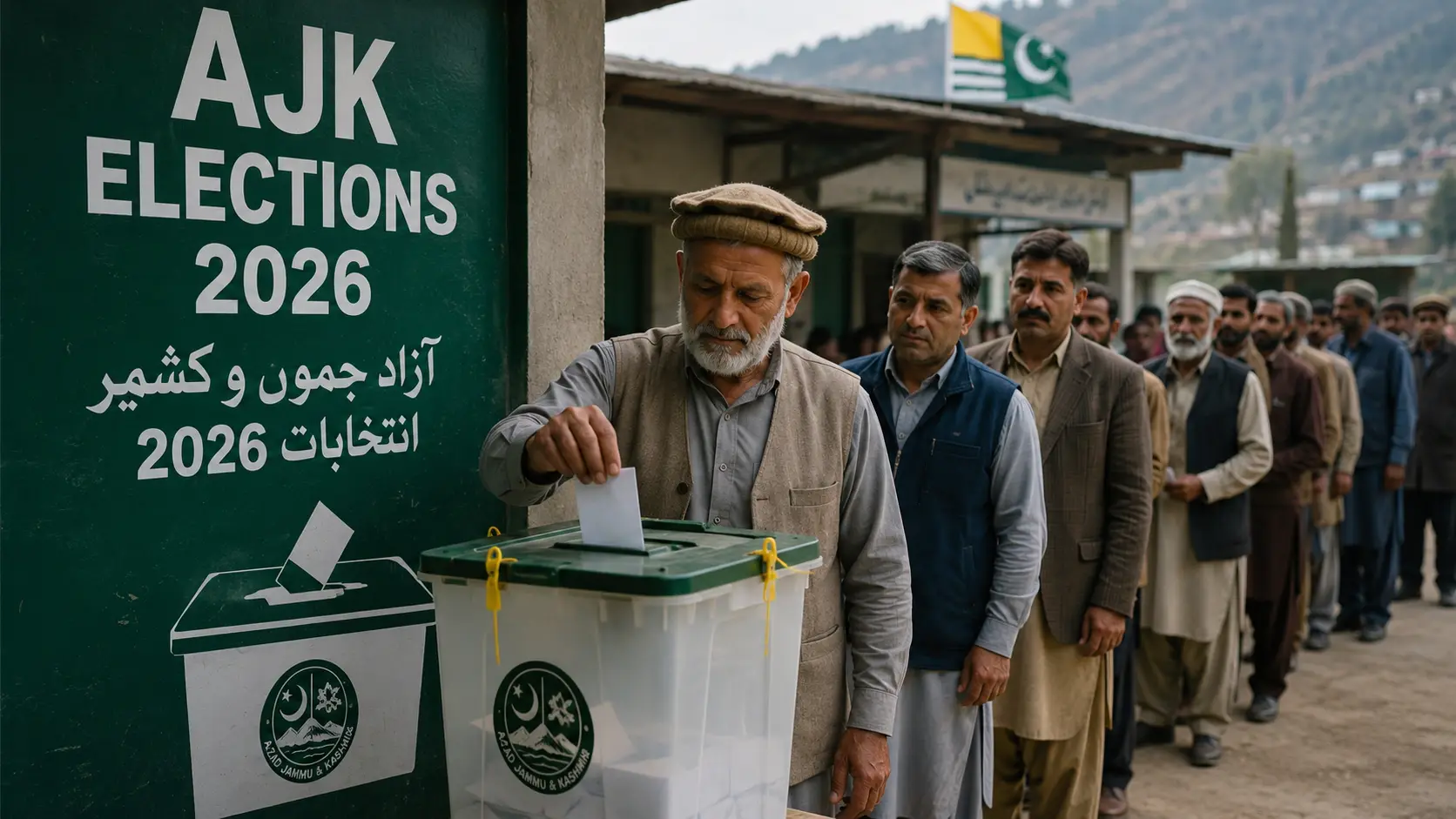

The AJK elections 2026 mark a significant event in the region’s political landscape, drawing attention to the meticulous review of the polling process by the Mirpur commissioner and the Deputy Inspector General (DIG). The review process is essential to ensuring fairness, transparency, and legitimacy in elections that will shape the future of the Azad Jammu and Kashmir region. With preparations already underway, this examination underscores the commitment to democratic processes and highlights areas for improvement and innovation.
Understanding the Importance of AJK Elections 2026
The upcoming AJK elections in 2026 hold vital significance for the governance and autonomy of the region. Azad Jammu and Kashmir operates under a semi-autonomous status, where local elections play a pivotal role in determining the region’s legislative assembly. This assembly is responsible for enacting laws and governing policies that directly impact the lives of residents.
Historically, these elections have both local and international implications, as the region’s status remains a point of interest in geopolitical discourses. The 2026 elections are particularly crucial in maintaining peace and stability while upholding democratic principles. Ensuring that the voting process is fair and transparent is paramount to gaining and maintaining political legitimacy.
The review of the polling process by the Mirpur commissioner and the DIG showcases a proactive approach to address challenges early. Their involvement highlights the unbiased nature of the process and aims to leverage their experience in ensuring law and order during election periods.
The significance of these elections extends beyond the region itself. For instance, international bodies often look at the democratic processes within AJK as a measure of regional stability in South Asia. Effective elections could play a role in managing relationships between neighboring nations, potentially easing tensions and leading to more positive diplomatic engagements. This highlights why a transparent and well-managed polling process is pivotal not only for the local populace but for international observers as well.
Furthermore, these elections are an opportunity to strengthen civic participation. As new generations of voters come of age, there is an increased emphasis on civic education and engagement. This not only empowers individuals to partake in electoral processes actively but also instills a sense of responsibility towards sustaining democratic institutions. Thus, the AJK elections 2026 are not just about determining political leadership but also about reinforcing the democratic ethos among the citizens.
The Key Players: Mirpur Commissioner and DIG
The roles of the Mirpur commissioner and the DIG in the AJK elections are multifaceted, blending administrative oversight with enforcement of electoral laws. The commissioner’s responsibilities include coordination among various departments, ensuring adherence to election regulations, and facilitating logistical arrangements. Their goal is to create an environment where eligible voters can exercise their rights without intimidation or hindrances.
The DIG, on the other hand, focuses on maintaining security and public order throughout the election process. This includes managing police deployment, overseeing security plans for polling stations, and preventing any potential disruptions. Their review acts as a checkpoint to identify and mitigate risks that could jeopardize the integrity of the elections.
Collaboration between these two offices is critical. By working closely, they form a comprehensive framework that enhances both the logistical and security aspects of the polling process, minimizing the chances of malpractice and ensuring seamless conduct on election day.
Their collaborative efforts are further augmented by technological advancements and strategic planning. Recent developments in digital communication allow for real-time monitoring and communication between various branches of election management. This interconnected approach helps in swiftly addressing any incidents or irregularities that might arise during the elections, ensuring that law and order is maintained across all constituencies.
Moreover, these roles embody accountability at the highest levels. Constant interactions with other governmental and non-governmental organizations allow these figures to lead with transparency and integrity. This is essential not just for building trust among the voting public but also for maintaining the overall sanctity of the electoral process. By reinforcing a conforming chain of command, they ensure that the logistics and security are managed in a well-coordinated manner, which is crucial for the success of the AJK elections 2026.
Steps in the Polling Process Review
The review process of polling involves a series of methodical steps aimed at evaluating the current status and potential improvements required for smooth election conduction. This includes assessing previous election feedback, reviewing ground realities at polling stations, and analyzing logistical support and manpower allocation.
First, historical data from prior elections are scrutinized to identify past issues and successes. This retrospective examination helps in forming baseline expectations and setting realistic goals. Moreover, insights from previous elections provide a solid foundation for adjusting strategies and protocols necessary for 2026.
Subsequently, on-ground inspections are carried out. These inspections involve checking the physical conditions of polling venues, availability of facilities, and accessibility for voters, especially those with disabilities. This groundwork allows for necessary adjustments and improvements well ahead of the elections, contributing to an overall efficient process.
Engaging with local communities during this review process also bears significant benefits. Feedback from community leaders and residents gives a grassroots perspective that can highlight unique challenges or considerations specific to certain areas. This localized knowledge is invaluable in addressing issues that may not be apparent through data analysis alone, thus ensuring that every eligible voter is accounted for in the logistical planning.
Moreover, the implementation of modern technological tools in these reviews can bring more accuracy and foresight into the process. For example, Geographic Information System (GIS) mapping can be used to visualize demographic distributions and identify optimal polling station locations. Such technologies allow for a more data-driven approach to solve logistical challenges, ensuring that the polling infrastructure is robust and capable of handling the expected voter turnout efficiently.
Challenges in Conducting AJK Elections
Despite the organized framework, conducting elections in AJK is fraught with challenges ranging from logistical to political. One of the primary concerns is ensuring the security of polling stations, especially in remote areas that may be more susceptible to instability or interference.
Logistical issues such as transportation of election materials and reaching remote polling stations pose significant challenges. The rugged terrain of the region necessitates careful planning and resource allocation to ensure all materials and personnel are in place ahead of time.
Political tensions can also influence voter turnout and behavior. Efforts are made to educate voters about their rights and the importance of participating in the democratic process. Ensuring a fair representation and minimizing fraudulent practices require robust mechanisms and constant vigilance, underscoring the need for a comprehensive review.
Additionally, natural elements like harsh weather conditions and unforeseen environmental hazards introduce another layer of complexity to election planning. Adequate contingency plans are necessary to address potential natural disruptions that could impede access to polling stations or affect voter turnout. Efforts to ensure that polling personnel and infrastructure are prepared for such eventualities are integral to successful elections in the region.
The socio-political landscape also plays a significant role in shaping the election dynamics. Factionalism and vested interests can sometimes overshadow the democratic essence, necessitating diplomatic engagement and consensus-building initiatives before the elections. These measures are crucial in maintaining a harmonious political environment, allowing for a peaceful election period and preventing fissures that could disrupt the democratic process.
The Impact of Technology on Polling Processes
The incorporation of technology in the electoral process has emerged as a game changer in global elections, and AJK is no exception. The implementation of electronic voting machines (EVMs) and biometric verification systems can significantly enhance the efficiency and transparency of the elections.
Electronic Voting Machines can streamline the voting process by reducing the time taken to vote and minimize human error. Moreover, EVMs can also provide immediate results, thus eliminating significant delays that are often characteristic of manual counting.
Biometric verification systems, on the other hand, are essential in preventing electoral fraud by verifying the identity of voters through unique physical traits. This technology ensures that each vote is legitimate, thus fostering trust in the electoral process.
Furthermore, the integration of blockchain technology for secure vote counting and data storage is under consideration. This could potentially eliminate tampering risks by providing a transparent and unchangeable record of the votes counted. Such innovations lead to more reliable elections and can be particularly beneficial in contested regions where credibility is paramount.
Additionally, online platforms for voter registration and awareness campaigns also exemplify the transformative role of technology in the AJK elections 2026. By shifting these processes online, the administration can reach and engage a wider demographic, especially the younger and tech-savvy population, thereby increasing participation and involvement in the democratic process.
Ensuring Voter Education and Awareness
A vital aspect of the elections is voter education and awareness. Empowering voters with the necessary knowledge about the voting process, election manifestos, and the importance of their participation is crucial.
Voter education campaigns aim to inform citizens about their rights and the practical aspects of voting. Dissemination of information through various platforms, including social media, local broadcasts, and community events, ensures maximum reach and engagement.
Educational initiatives also focus on sensitizing citizens about issues such as vote-buying and intimidation. By raising awareness, individuals are more likely to recognize and resist such illegal practices, thereby contributing to a fairer electoral process.
Additionally, partnership with educational institutions can further extend the reach of voter education efforts. Conducting workshops and seminars on the importance of voting and civic responsibility can instill a democratic culture from a young age, creating a more informed and engaged electorate over time.
Moreover, organizing public forums and debates where candidates can discuss their policies and address constituent concerns directly adds depth to voter awareness. This transparency facilitates more informed decision-making among voters, ensuring that choices made at the ballot box reflect a true understanding of each candidate’s vision and capabilities.
The Influence of International Observers
International observers often play a significant role in enhancing the credibility of the electoral process. Their presence is a testament to the transparency and legitimacy of the elections.
Observers monitor various aspects of the elections, from polling station setup to vote tallying, ensuring adherence to international electoral standards. Their reports provide an unbiased assessment of the conduct and are crucial for post-election analysis.
Engagement with international observers not only fosters confidence among voters but also reinforces the global perception of AJK as a democratic region committed to fair processes. This international oversight acts as a deterrent to potential electoral malpractices.
The involvement of international observers also encourages the adoption of best practices from other regions, promoting a constant feedback loop and improvements in electoral policies and procedures. This cross-border exchange of ideas is instrumental in evolving the democratic practices in AJK, ensuring that they meet global standards and expectations.
Furthermore, the presence of international observers can sometimes provide a buffer against external pressures that may seek to influence the election outcomes. By maintaining impartial surveillance, these observers hold all parties accountable, contributing to a more balanced and equitable election process that respects the will of the people.
Historical Context of AJK Elections
The elections in AJK have always been a significant affair due to the region’s unique geopolitical situation. Over the years, electoral practices have evolved, incorporating more robust methods to ensure free and fair elections.
The political landscape of AJK has witnessed considerable changes over the decades, with varying influence from local factions and external pressures. Understanding the historical context helps in appreciating the progressive strides made towards achieving a more democratic electoral environment.
Studying the evolution of electoral processes in AJK offers valuable insights into how various reforms and international cooperation have shaped the current practices and laid down a framework for continuous improvement.
An examination of past election cycles reveals a trajectory of learning and improvement. From the days when manual counting was the norm to the current use of digital aids, the journey reflects a commitment to enhancing efficiency and integrity. Each election cycle brings its set of lessons, which have been instrumental in refining strategies and adopting new technologies to address previous shortcomings.
Additionally, reflecting on the struggles and triumphs within this historical context provides a narrative of resilience and the unyielding pursuit of democratic ideals. It serves as a reminder of the progress that has been made and the potential for continued advancements in electoral justice and efficacy within the AJK region.
Implications for the Future of AJK
The successful conduction of the AJK elections 2026 will have far-reaching implications for the region’s future. A secure and efficient election fosters confidence in local governance structures and contributes to political stability in the region.
It demonstrates a commitment to democratic principles and sets a precedent for transparency and accountability in future elections. Such outcomes are vital for attracting investment and fostering economic growth in the region, as stable political environments are conducive to development.
Furthermore, successful elections can act as a model for similar regions globally, showcasing how resilience and dedication to fair practices can overcome challenges and lay down the foundation for a brighter democratic future.
The socioeconomic benefits of successful elections extend even further. With political stability comes the potential for an enhanced quality of life, as governance can focus on advancing infrastructure, education, and healthcare. These improvements create a cycle of prosperity that benefits all citizens, strengthening the social fabric of AJK.
Moreover, the cultural implications are profound. As AJK positions itself as a beacon of democratic excellence within a tumultuous region, the elections become a source of pride for its citizens. This collective pride can translate into a unified commitment to community building and regional reconciliation, fostering an environment where peace and democracy thrive hand in hand.
Conclusion: The Path Ahead for AJK
The AJK elections 2026 and the thorough review of the polling process represent a significant step towards consolidating democracy in the region. As the Mirpur commissioner and DIG pioneer efforts to enhance transparency, the focus remains on building a reliable, inclusive, and efficient electoral system.
The path to free and fair elections is fraught with challenges, but with diligent preparation and cooperation among key players, these challenges can be transformed into opportunities for growth and improvement. The emphasis on voter education, technological upgrades, and international collaboration paves the way for a more robust electoral system.
Looking forward, the lessons learned from the 2026 elections will act as a guiding light, helping AJK navigate its unique political landscape while reinforcing its commitment to democratic values and regional stability.
In moving forward, it becomes essential to maintain this momentum of positive change and adaptation. By consistently examining and refining policies in light of contemporary challenges, AJK can build an electoral process that not only meets today’s needs but is also adaptable to future demands, thereby safeguarding its democratic institutions for generations to come.
The spirit of innovation and determination observed in these preparations characterizes a broader regional vision. This vision, deeply rooted in democratic tenets, aims not just to reinforce governance structures but to inspire a wave of democratization that could ripple across borders, encouraging other regions to embark on similar journeys towards political inclusivity and accountability.
Frequently Asked Questions
What is the significance of the AJK elections 2026?
The AJK elections 2026 are crucial for the region’s autonomy and governance, impacting both local and international political dynamics.
Who are the main players in the polling process review?
The main players include the Mirpur commissioner and the DIG, who oversee the administrative and security aspects of elections.
How does technology influence the polling process?
Technology such as electronic voting machines and biometric systems enhances efficiency and transparency during elections.
What are the challenges faced in the AJK elections?
Challenges include logistical issues, security concerns, and political tensions that require careful planning and oversight.
How do international observers affect the elections?
International observers enhance election credibility and transparency, fostering confidence in the electoral process with the focus on AJK elections 2026.