





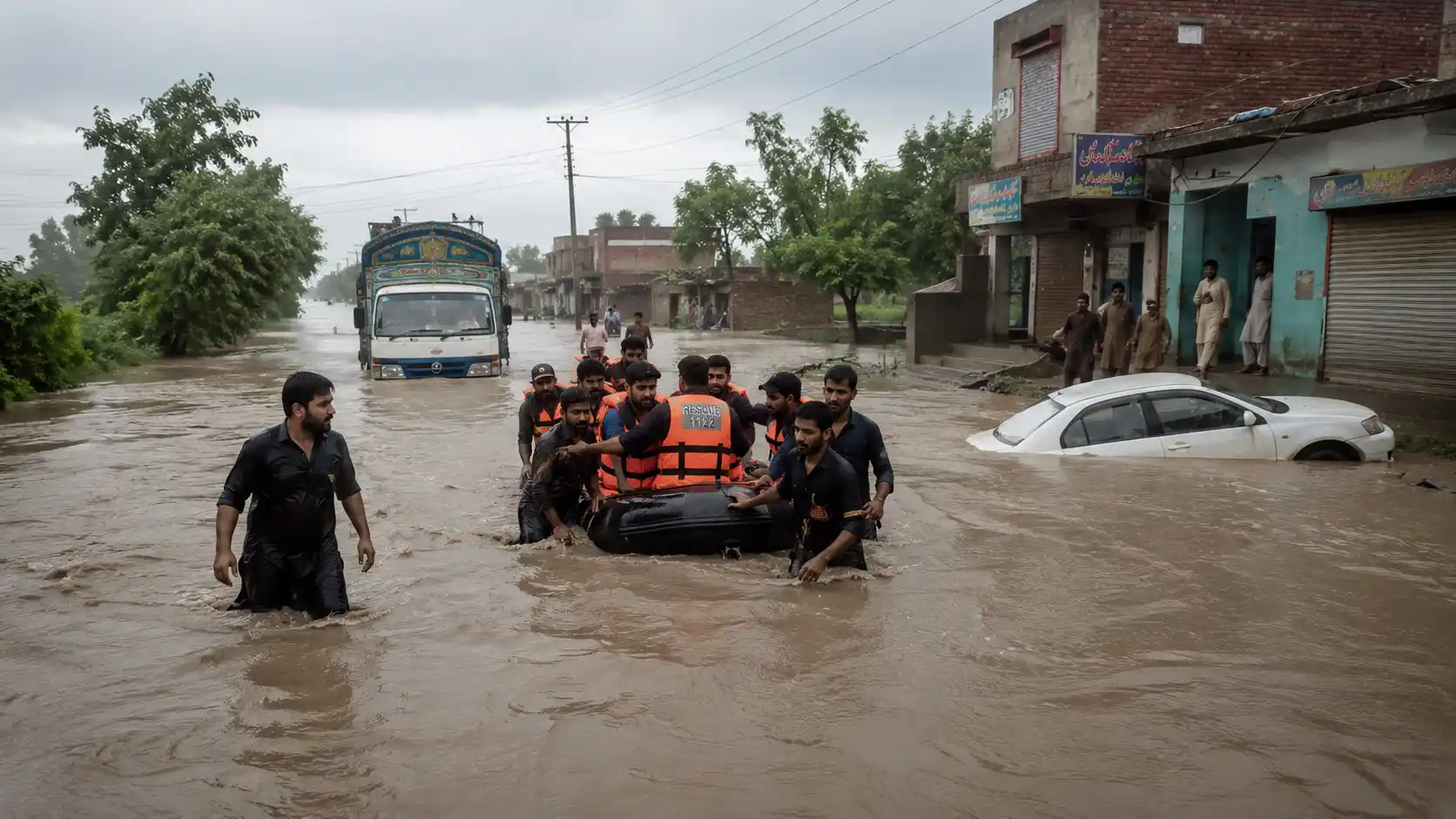

The recent onslaught of monsoon rains in Punjab has left a trail of destruction, causing significant loss of life and numerous injuries. This natural calamity has resulted in six deaths and left several others injured, highlighting once again the vulnerability of the region to extreme weather events. As monsoon rains batter Punjab, the impact reverberates throughout communities, disrupting daily life and challenging infrastructure resilience. In the following analysis, we will delve into the causes, impacts, and larger implications of these recurring weather patterns in Punjab.
Understanding Monsoon Patterns in Punjab
The monsoon season in Punjab typically occurs between June and September, bringing vital rainfall to fuel agriculture. However, these rains can also lead to destructive flooding and landslides. This duality makes monsoons a critical topic for both farmers and policymakers, requiring balanced approaches to harness their benefits while mitigating their risks.
Historically, monsoon rains in Punjab have contributed significantly to the region’s agricultural productivity. Yet, the increasing unpredictability linked to climate change has caused variations in the intensity and distribution of rain, complicating traditional agriculture calendars and practices.
The economic dependency on monsoon rains, combined with inadequate infrastructure to manage excess water, often leads to calamities like floods. Understanding these patterns is essential for developing effective adaptation and mitigation strategies.
In recent years, the oscillation between intense downpours and periods of drought has become more pronounced, indicating a disruption in expected monsoon patterns. The Indian Meteorological Department has been working to improve forecasting techniques, but the challenges remain significant. Accurate predictions are crucial for farmers who depend on timely rains and for urban planners aiming to minimize flood risks. The integration of satellite data and artificial intelligence in weather prediction models promises potential breakthroughs in understanding monsoon dynamics, however, achieving complete accuracy is still a work in progress.
Impact on Infrastructure and Daily Life
The heavy monsoon rains in Punjab have highlighted the fragility of infrastructure in the region. Roads and bridges crumbled under the onslaught of water, disrupting transportation and communication networks crucial for daily life and emergency responses. Commuters and transporters faced severe challenges as travel became hazardous and, in many cases, impossible.
Apart from roads, urban areas suffered power outages and water logging, causing hardships for residents. Schools and businesses, bearing the brunt of the flooding, had to shut down operations, affecting education and local economies.
The persistent rainfall has also led to an increase in waterborne diseases, threatening public health. The interplay between disrupted infrastructure and health services amplifies the suffering of affected communities, demanding swift governmental intervention.
The economic cost of infrastructure damage due to monsoon rains extends far beyond immediate repairs. The loss of productivity, coupled with the financial burden on local governments to rebuild essential infrastructure, poses substantial challenges. It prompts a re-evaluation of construction practices and standards in flood-prone areas. Innovations in materials and designs, such as permeable pavement and elevated structures, may offer sustainable solutions to bolster infrastructure resilience against future monsoons.
Furthermore, urban planning must incorporate adaptive strategies, such as efficient drainage systems, to withstand unprecedented rainfall. This requires a collaborative approach among engineers, urban planners, and policymakers to create infrastructural resilience in the face of inevitable future challenges.
Comparisons to Historical Precedents
Monsoon rains in Punjab are not a new phenomenon, but comparing current conditions to historical precedents reveals significant shifts in the pattern and impact of these events. Past decades witnessed similar disasters with varying degrees of severity, providing valuable case studies for current and future responses.
For instance, the monsoon floods of 2010 were among the most devastating in recent history, displacing millions and causing extensive damage. This historical context underscores the need for comprehensive disaster management frameworks tailored to evolving climatic and socio-economic conditions.
The increased frequency and intensity of current events raise questions about climate change’s role in these shifts. Understanding this relationship can drive more proactive and informed decision-making in disaster preparedness and environmental policy.
A comparative analysis with past events underscores a troubling trend: the escalation of monsoon intensity and its repercussions. Factors such as deforestation, rapid urbanization, and poor land-use management have exacerbated flood risks. Learning from past mistakes, there is an urgent need to implement reforestation initiatives and enforce zoning laws that restrict construction in vulnerable regions. Moreover, public awareness campaigns focusing on disaster preparedness can significantly mitigate risks by educating local populations about safety measures during monsoon seasons.
Governmental Response and Preparedness
In the wake of these severe monsoon rains, the response from governmental agencies remains a focal point of critique and analysis. Government bodies are tasked with orchestrating relief efforts, coordinating with local units, and planning long-term infrastructure resilience strategies.
The immediate response has involved deploying rescue teams to assist victims and provide essential services like food, water, and medical attention. However, the scale and efficiency of these efforts often fall short due to limited resources and logistical challenges.
Moving forward, enhancing early warning systems and strengthening local capacity for first responders are essential priorities. Addressing systemic issues in preparedness not only minimizes immediate damages but also builds long-term community resilience.
A critical aspect of improving governmental response lies in fostering inter-agency collaboration. The involvement of local authorities, national disaster management agencies, and international bodies can streamline efforts and ensure resources are effectively allocated. Regular drills and simulations can enhance the preparedness levels of officials and communities alike. Investment in training programs for emergency responders and the establishment of more responsive communication networks are also crucial components of a robust disaster response strategy.
Community Resilience and Adaptation
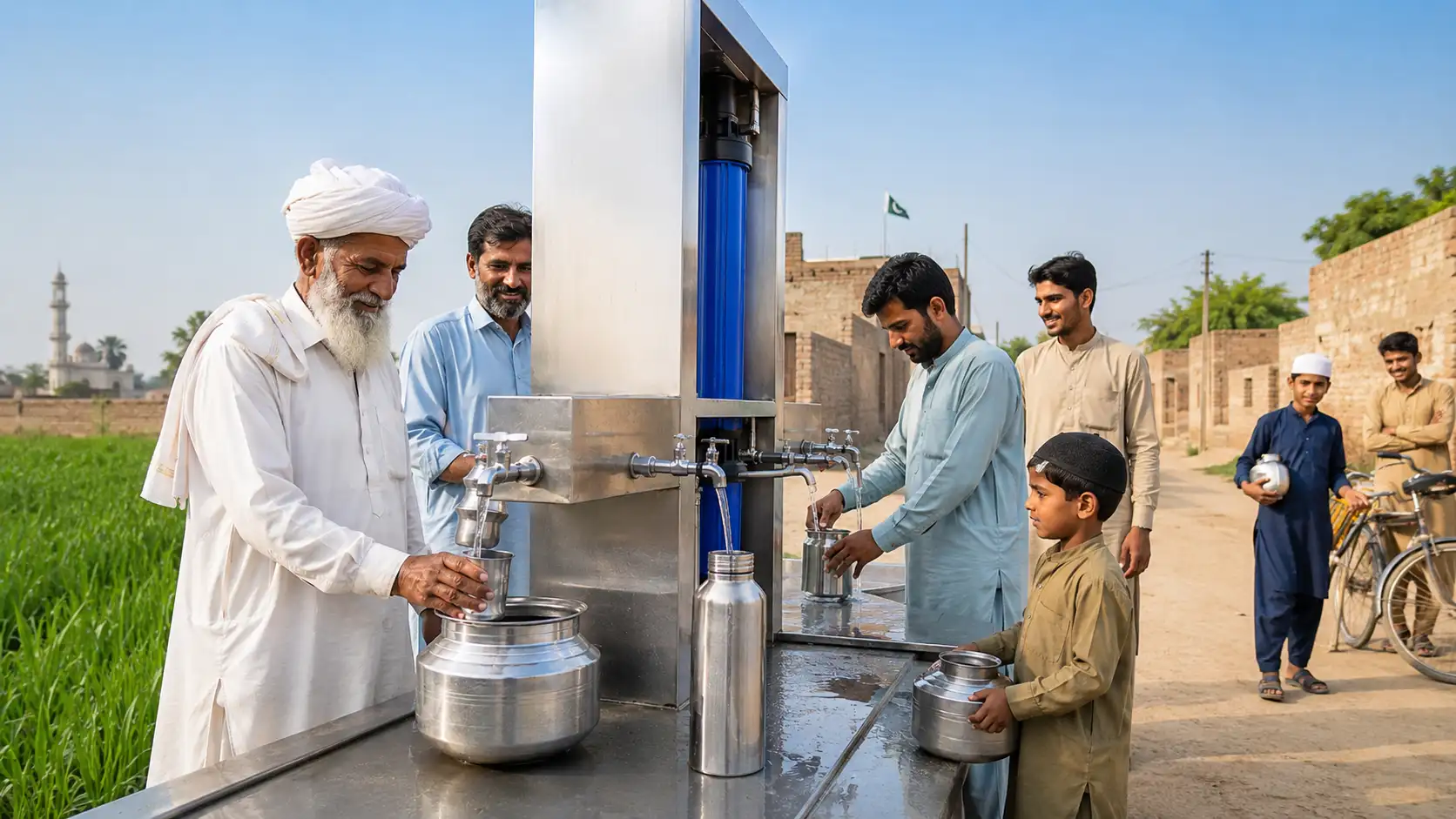
Despite the challenges posed by the monsoon rains, communities across Punjab have displayed remarkable resilience. Grassroots-level initiatives often play a critical role in disaster recovery and adaptation. Local organizations, in collaboration with international NGOs, are instrumental in providing immediate relief and supporting long-term recovery efforts.
Community-driven adaptation strategies include building flood-resistant infrastructure and promoting diversified agriculture to withstand erratic weather patterns. These strategies are vital in reinforcing the capacity of local populations to weather future storms.
The integration of traditional knowledge and modern technologies offers promising pathways for resilient and adaptive strategies. Emphasizing community involvement ensures more inclusive and sustainable development policies.
Empowering women and marginalized groups in community initiatives is essential to building comprehensive resilience strategies. Women’s unique roles in household management and community dynamics offer valuable insights into effective adaptation measures. Training programs focusing on leadership, resource management, and sustainable agricultural practices can bring a broader perspective and strength to community endeavors. Moreover, fostering youth engagement through educational programs about climate change and environmental stewardship can ensure a future-oriented approach to resilience building.
Economic Implications and Recovery
The economic impact of the monsoon rains in Punjab is multifaceted, affecting various sectors differently. Agriculture, a vital component of Punjab’s economy, faces immediate setbacks due to crop damages and waterlogging of farmlands. Farmers bear the brunt of these losses, demanding immediate financial assistance and longer-term support systems.
Beyond agriculture, sectors like retail and services experience disruptions in supply chains and decreased consumer activity. These economic ripples exacerbate existing challenges in employment and growth, stressing the importance of economic diversification and resilience planning.
Economic recovery strategies necessitate coordinated efforts from both public and private sectors. Investment in sustainable infrastructure and climate-smart agriculture is increasingly recognized as a priority to mitigate the adverse effects of future monsoon seasons.
Rebuilding the affected economy requires comprehensive policy measures focusing on both short-term relief and long-term resilience. Implementation of insurance schemes for farmers and vulnerable businesses can provide a safety net in times of crisis. Additionally, promoting alternative livelihoods and encouraging the adoption of water-efficient farming techniques can pave the way for sustainable economic growth. Public-private partnerships can drive investment in infrastructure projects that not only restore but enhance the region’s economic landscape.
Environmental Factors and Climate Change
Climate change has undeniably influenced the dynamics of monsoon rains in Punjab. Rising temperatures and altered rainfall patterns are symptomatic of broader climatic shifts with direct implications for regional weather events.
The altered monsoon patterns result in both excessive rainfall and prolonged dry spells, challenging water resource management. These changes necessitate an integrated approach to ecosystem management and climate adaptation.
Understanding the interplay between local environmental factors and global climate trends helps in devising more holistic and effective policy responses. It also enhances the region’s capacity to mitigate climate-induced disasters, ensuring sustainable development pathways.
An often-overlooked aspect is the health of local ecosystems, which play a critical role in regulating climatic conditions. Deforestation, soil erosion, and wetland degradation contribute to the altered hydrological cycle. Restoration efforts focusing on afforestation and soil conservation can not only improve biodiversity but also help stabilize local weather patterns. Addressing these environmental challenges requires collaboration among governments, conservationists, and local communities to develop strategies that balance ecological stewardship with human needs.
Policy Frameworks for Future Challenges
Recent monsoon-induced disasters in Punjab highlight critical gaps in existing policy frameworks for disaster management and climate adaptation. Developing comprehensive policies that address these challenges is paramount for fostering long-term regional stability.
Policy frameworks must integrate lessons from past experiences while anticipating future challenges. This includes investing in robust infrastructure, enhancing public awareness, and promoting a culture of preparedness and resilience.
Interdisciplinary collaboration between scientists, policymakers, and local stakeholders ensures that policies are pragmatic and evidence-based. Such frameworks, rooted in extensive research and collaboration, can effectively mitigate the impacts of unforeseen monsoon seasons.
Engaging in international dialogue can provide valuable insights into best practices and innovations in disaster management. Learning from regions facing similar climatic challenges, sharing resources, and participating in global climate initiatives can bolster Punjab’s policy frameworks. Establishing dedicated research institutes focusing on climate science and adaptation strategies can further enhance the region’s ability to craft nuanced responses to the evolving monsoon challenges.
The Role of Technology and Innovation
As monsoon rains continue to affect Punjab, technology and innovation are increasingly recognized as essential tools for adaptation and disaster management. From early warning systems to data-driven decision-making, technology offers numerous avenues to enhance response capabilities.
Innovative approaches, like using drones for damage assessment and implementing mobile applications for real-time updates, empower communities with vital information. Such technologies aid in minimizing risks and optimizing resource allocation during emergencies.
The integration and scaling of innovative solutions require sustained investment and capacity building. Empowering local communities with technological tools enhances their ability to respond swiftly and efficiently to future monsoon challenges.
Incorporating green technology, such as solar-powered flood warning systems and renewable energy solutions, can bolster resilience while reducing ecological footprints. Encouraging public and private sector collaboration to develop tech-driven infrastructure projects can help Punjab adapt to changing climate realities. Furthermore, educational programs focusing on science and technology can foster a culture of innovation that equips future generations to tackle monsoon-related challenges effectively.
Concluding Thoughts
The recent monsoon rains in Punjab serve as a stark reminder of the region’s vulnerability to extreme weather events and the pressing need for holistic approaches to disaster management and climate adaptation. Addressing the challenges posed by monsoon rains requires concerted efforts across multiple dimensions—governmental, community, economic, environmental, and technological.
Moving forward, the emphasis must be on building resilient communities capable of withstanding the myriad impacts of monsoon rains. Through comprehensive policy frameworks, technological advancements, and proactive community engagement, Punjab can navigate the complexities of monsoon seasons with greater foresight and adaptability.
Ultimately, learning from past experiences and anticipating future challenges will enable Punjab to not only cope with immediate disasters but also chart a sustainable and resilient path forward.
Frequently Asked Questions
What areas in Punjab are most affected by monsoon rains?
Low-lying areas and regions near riverbanks tend to be most affected by monsoon rains in Punjab due to the risk of flooding and waterlogging.
How are local communities adapting to changing monsoon patterns?
Communities implement flood-resistant infrastructure and diversify agriculture practices, combining traditional knowledge with modern technology to adapt effectively.
What role does climate change play in altering monsoon patterns?
Climate change contributes to altered monsoon patterns by affecting temperature and rainfall distribution, heightening the intensity and unpredictability of these events.
How can policy frameworks be improved to address these challenges?
Policy frameworks can be improved through interdisciplinary collaboration, robust infrastructure investment, and promoting a culture of preparedness and resilience in facing monsoon rains in Punjab.
What technological innovations are aiding in disaster management?
Innovations like early warning systems, drones for damage assessment, and mobile apps for real-time updates are aiding in more efficient disaster management during monsoon seasons.