






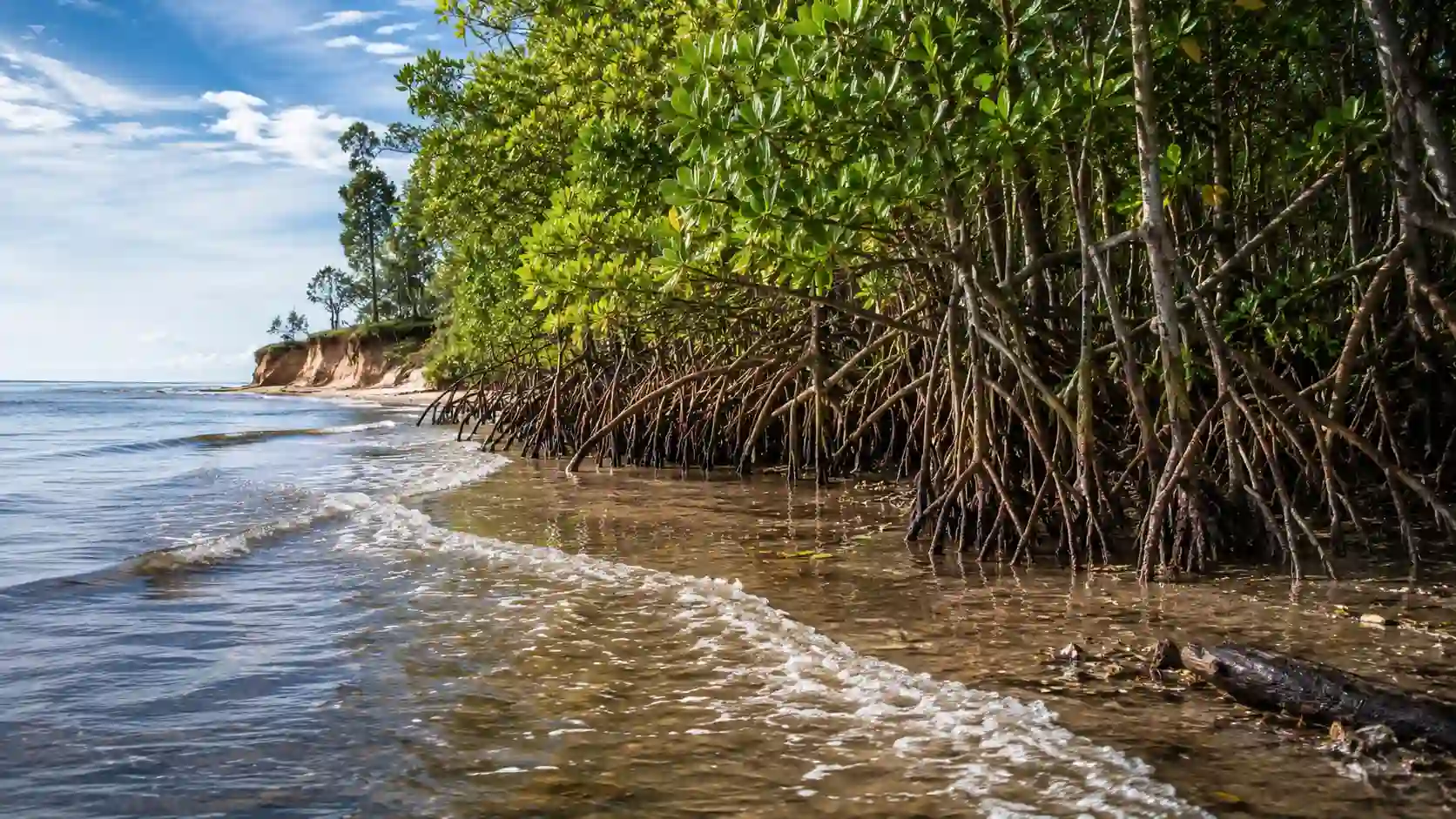

Mangroves, often overlooked, are a vital natural shield against shoreline erosion and flooding. These remarkable ecosystems, found along tropical and subtropical coastlines, are not just a collection of trees and shrubs. They are complex networks that provide essential services, protecting coastal communities from environmental challenges. In this comprehensive exploration, we’ll delve into the importance of mangroves, examining their ecological significance, economic value, and the urgent need for their conservation.
The Ecological Role of Mangroves
Mangroves serve as a critical habitat for a variety of marine life. The intricate root systems of these trees offer shelter and breeding grounds for fish, crustaceans, and other organisms. This biodiversity hotspot supports numerous species, many of which are crucial to local economies and food security. The nutrient-rich environment fostered by mangroves is fundamental to sustaining marine ecosystems.
Moreover, mangroves play a significant role in nutrient cycling. They trap sediments and detritus, enriching coastal waters and maintaining water quality. By stabilizing the shoreline, they prevent excess sediment from smothering coral reefs and seagrasses, which are vital for ocean health.
The loss of mangroves can lead to severe ecological consequences. Without their protective presence, coastal areas become vulnerable to erosion, leading to habitat loss and diminished biodiversity.
Additionally, mangroves are vital in maintaining marine life diversity. Each species within this ecosystem contributes to the overall health and resilience of the area, influencing everything from food chains to carbon cycling. By providing a nursery habitat for juvenile fish, mangroves ensure the continuation of various species that are essential for larger marine predators and human industries alike.
The resilience of mangroves to harsh conditions such as saltwater inundation and unstable sediments is a testament to their evolutionary adaptability. These unique adaptations make mangroves a field of interest for ecological research, providing insights into how ecosystems can persist and thrive under challenging circumstances.
Mangroves as a Defense Against Shoreline Erosion
One of the most crucial functions of mangroves is their ability to protect shorelines from erosion. The roots of mangrove trees are uniquely adapted to bind soil and sediments, effectively anchoring the coastline. This natural barrier diminishes the impact of waves and storm surges, safeguarding coastal communities and infrastructure.
Studies have shown that areas with extensive mangrove coverage experience significantly less erosion compared to deforested regions. The dense root systems dissipate energy from waves, reducing the speed and force with which they hit the shore. This not only minimizes erosion but also prevents land loss.
Mangroves’ role as a natural buffer underscores the importance of preserving these ecosystems, as they provide a cost-effective defense against the constant threat of shoreline degradation.
The engineering prowess of mangrove root systems can rival human constructions, offering a sustainable alternative to artificial barriers. Unlike concrete sea walls that may eventually degrade or require costly maintenance, mangroves naturally regenerate, providing continuous protection and even expanding their reach over time.
The effectiveness of mangroves in coastal defense has inspired various research initiatives aimed at understanding and replicating their unique properties. Coastal engineering projects now increasingly incorporate mangrove management into design considerations, recognizing the potential for combining natural and man-made infrastructures to maximize coastal resilience.
Flood Mitigation Through Mangroves
Mangroves are instrumental in mitigating the effects of flooding. Their complex root systems act as a physical barrier, absorbing and slowing down the movement of water. During storm surges and tidal events, mangroves can reduce the height and impact of waves, significantly decreasing the risk of flooding in coastal areas.
This protective attribute is invaluable, especially in regions prone to typhoons, hurricanes, and monsoons. By reducing the intensity of floods, mangroves help minimize damage to property, infrastructure, and agriculture, ultimately saving lives and reducing economic losses.
The importance of this ecosystem service is increasingly recognized in climate adaptation strategies, highlighting the need to integrate mangrove conservation into disaster risk reduction policies.
The global climate change scenario has made flood mitigation a top priority for planners. In urban coastal areas, where space and resources are limited, mangroves offer a scalable solution to flood management. City planners are now more attentive to the integration of mangroves into urban designs, enhancing natural defenses alongside infrastructure development.
The concept of ‘living shorelines’ is gaining traction, where mangroves are planted alongside artificial structures to create more holistic barriers against floodwaters. This approach not only strengthens the physical barrier but also enhances the ecological robustness, providing added benefits such as habitat creation and improved aesthetic value.
Economic Benefits of Mangrove Ecosystems
Beyond their ecological functions, mangroves provide significant economic benefits. They support fisheries, which are a primary source of livelihood for many coastal communities. The nursery habitats offered by mangroves sustain fish populations, boosting local economies through fisheries and aquaculture.
Mangroves also contribute to tourism, attracting visitors eager to experience their unique beauty and biodiversity. This influx of tourism generates revenue and creates job opportunities in regions that often have limited economic activities.
Additionally, mangroves offer resources such as timber and non-timber products. Sustainable harvesting provides materials for construction, fuel, and traditional medicine, adding to the economic value of these ecosystems.
The economic significance of mangroves extends to ecosystem services, often described as nature’s accounting. According to studies, mangroves provide billions of dollars in ecosystem services annually, ranging from storm protection to carbon sequestration, displaying a high return on conservation investment.
The involvement of mangrove ecosystems in carbon credits trading is another economic aspect worth noting. Countries with expansive mangrove forests can leverage their restoration and conservation efforts in international carbon markets, creating new financial incentives for preserving these vital systems.
Also Read This Article: Monsoon Rains Devastate Punjab: Impact and Analysis
The Threats Facing Mangroves
Despite their importance, mangroves are under threat from human activities. Coastal development, agriculture, and aquaculture expansion have led to significant mangrove deforestation. This destruction not only eliminates critical habitats but also increases vulnerability to erosion and flooding.
Pollution and climate change further exacerbate the threats to mangroves. Rising sea levels, changes in salinity, and increased storm intensity place additional stress on these ecosystems. Without immediate action, the continued loss of mangroves could have dire repercussions for biodiversity and coastal resilience.
It is crucial to raise awareness of these threats and implement strategies to halt mangrove degradation and promote restoration efforts. The agricultural runoff contaminating mangrove areas introduces excess nutrients and pollutants, resulting in harmful algal blooms that deplete oxygen and kill fish, further degrading mangrove conditions. Industrial discharges also contribute to this challenge, often introducing heavy metals that can poison the flora and fauna within these ecosystems.
Urban sprawl encroaches upon mangrove landscapes, often leading to the complete removal of these habitats without proper planning or consideration for alternative conservation and infrastructure coexistence solutions. The cumulative impact of these threats calls for an integrated approach to sustainable development and conservation that balances economic growth with environmental stewardship.
Global Efforts for Mangrove Conservation
Recognizing the value of mangroves, global conservation efforts are underway to protect and restore these vital ecosystems. International organizations, governments, and local communities are collaborating to establish protected areas and develop sustainable management practices.
Efforts such as mangrove reforestation programs are gaining momentum, aiming to restore lost habitats and enhance coastal resilience. These initiatives often involve local communities, promoting community-based conservation and providing socio-economic benefits through restored fisheries and improved tourism prospects.
International agreements like the Ramsar Convention on Wetlands underscore the importance of safeguarding mangroves as part of broader wetland conservation efforts. Such commitments facilitate knowledge exchange and resource mobilization for effective conservation strategies.
A major aspect of global conservation strategy involves the mapping and monitoring of mangroves through satellite technology, enabling scientists to analyze trends in mangrove coverage and health over time. This data-driven approach helps tailor restoration efforts to be more effective and responsive.
Collaborations between public institutions and private firms are facilitating innovative funding mechanisms, such as conservation finance and socially responsible investment funds, which direct resources into mangrove restoration projects while offering returns on investment through ecosystem service valuation.
Innovative Approaches to Mangrove Restoration
Recent advances in restoration techniques are enhancing the potential for mangrove recovery. Innovations such as hydrological restoration, which focuses on restoring natural water flow, are essential for creating conditions conducive to mangrove growth.
Additionally, community engagement plays a crucial role in successful restoration projects. Involving local populations in planting and maintenance ensures sustainability and strengthens community ties to the ecosystems they depend on.
Technological advancements, including the use of drones and satellite imagery, aid in monitoring mangrove health and assessing restoration progress. These tools provide valuable data that inform and refine conservation efforts.
Furthermore, novel genetic studies are investigating mangrove resilience to better understand attributes like disease resistance and adaptive growth capabilities. Such research can lead to the development of more resilient seedling varieties, better equipped to handle changing environmental conditions.
Social media platforms are being leveraged to increase public engagement in mangrove conservation efforts. Campaigns and challenges on these platforms can raise awareness, encouraging people to contribute virtually and physically to mangrove restoration initiatives.
Mangroves and Climate Change Mitigation
Mangroves are increasingly seen as essential players in climate change mitigation. They sequester carbon dioxide at remarkable rates, storing carbon in their biomass and the sediment below. This carbon sink function makes mangroves vital for global carbon management strategies.
The destruction of mangroves releases stored carbon back into the atmosphere, contributing to greenhouse gas emissions. Therefore, conserving and restoring mangroves are critical for maintaining their carbon storage capacity and mitigating climate change impacts.
Integrating mangrove conservation into national climate policies and carbon offset programs can enhance climate resilience while preserving biodiversity and ecosystem services.
Carbon markets and conservation incentives are increasingly focusing on mangrove forests due to their high carbon sequestration potential. These programs not only emphasize the ecological role of mangroves but also involve financial elements such as carbon credits, thus attracting investments in preservation and restoration projects.
Research into blue carbon initiatives continues to chart the pathway for mangrove-inclusive climate policies. These explorations are pushing the boundaries of understanding in how oceanic and coastal ecosystems can be harnessed to arrest climate change, with mangroves playing a leading role in these global discussions.
Policy and Governance for Mangrove Protection
Effective policy and governance frameworks are needed to ensure the protection of mangroves. Establishing clear regulations and incentives for conservation can drive sustainable practices and promote the preservation of these ecosystems.
Policies that incorporate traditional knowledge and value local stewardship increase the effectiveness of conservation initiatives. Empowering indigenous and local communities to manage mangrove forests strengthens sustainable land-use practices and enhances resilience.
International cooperation and legislation are also necessary to address the cross-border nature of ecological threats, facilitating shared responsibilities for mangrove conservation at a global scale.
Government strategies demonstrating successful integration of mangrove conservation with development goals often cite a balance between economic and ecological priorities, highlighting the socio-economic benefits of mangrove proliferation alongside the ecological ones.
Legislative frameworks that incentivize the private sector to engage in mangrove conservation, through mechanisms like tax breaks for eco-friendly practices or penalties for environmental degradation, have shown success in enhancing business compliance towards sustainable practices.
Education and Awareness for Mangrove Conservation
Raising awareness about the importance of mangroves is essential for fostering a conservation mindset. Education initiatives targeting schools, communities, and policymakers can change perceptions and promote action.
Environmental education campaigns highlight the benefits of mangroves, encouraging sustainable practices and community involvement in conservation projects. By understanding their value, individuals and industries are more likely to support efforts to protect mangrove ecosystems.
Collaboration with media outlets and social platforms can further amplify awareness, spreading the message of mangroves’ significance to a broader audience.
Education programs emphasizing the cultural and historical significance of mangroves can also instill a sense of pride and responsibility in communities, reinforcing the social ties to these ecosystems and ensuring their preservation for future generations.
Innovative partnerships with educational institutions to expand curriculum content and hands-on field trips or restoration projects help instill practical conservation skills, creating informed future leaders who are advocates for environmental sustainability.
Conclusion: The Path Forward for Mangrove Conservation
In conclusion, mangroves are an indispensable natural shield against shoreline erosion and flooding, offering immense ecological and economic benefits. Despite facing significant threats, there is hope through effective conservation and restoration efforts. As we move forward, it is vital to integrate mangrove conservation into climate policy, enhance global cooperation, and engage local communities in sustainable practices.
Innovative approaches and technological advancements provide tools for effective mangrove restoration, while education and awareness initiatives foster a culture of conservation. We must continue to prioritize these vital ecosystems, recognizing their role in creating a resilient and sustainable future.
The future of mangroves depends on our collective actions and commitment to preserving the natural shield that protects our coastlines and biodiversity. The collective growth of knowledge surrounding mangroves, from scientific breakthroughs to hands-on community involvement, presents a hopeful pathway forward. By fostering a unified effort that integrates policy, education, and economic incentives, we stand a better chance of preserving these natural wonders for the generations yet to come.
Frequently Asked Questions
Why are mangroves important for coastal protection?
Mangroves are crucial for coastal protection as they stabilize shorelines and reduce erosion. Their roots absorb wave energy and protect against storm surges, reducing flood risks.
How do mangroves contribute to the economy?
Mangroves support fisheries, tourism, and provide resources such as timber. Their ecological services benefit local economies by sustaining marine life and attracting visitors.
What are the main threats to mangroves?
Mangroves face threats from deforestation, pollution, and climate change. Human activities like coastal development and aquaculture pose significant risks to their survival.
How can we restore mangrove ecosystems?
Mangrove restoration involves reforestation, community engagement, and restoring natural water flows. Innovative techniques and technological tools aid in effective restoration.
What role do mangroves play in climate change mitigation?
Mangroves sequester carbon, acting as vital carbon sinks. Their conservation helps mitigate climate change by storing carbon and reducing greenhouse gas emissions.