




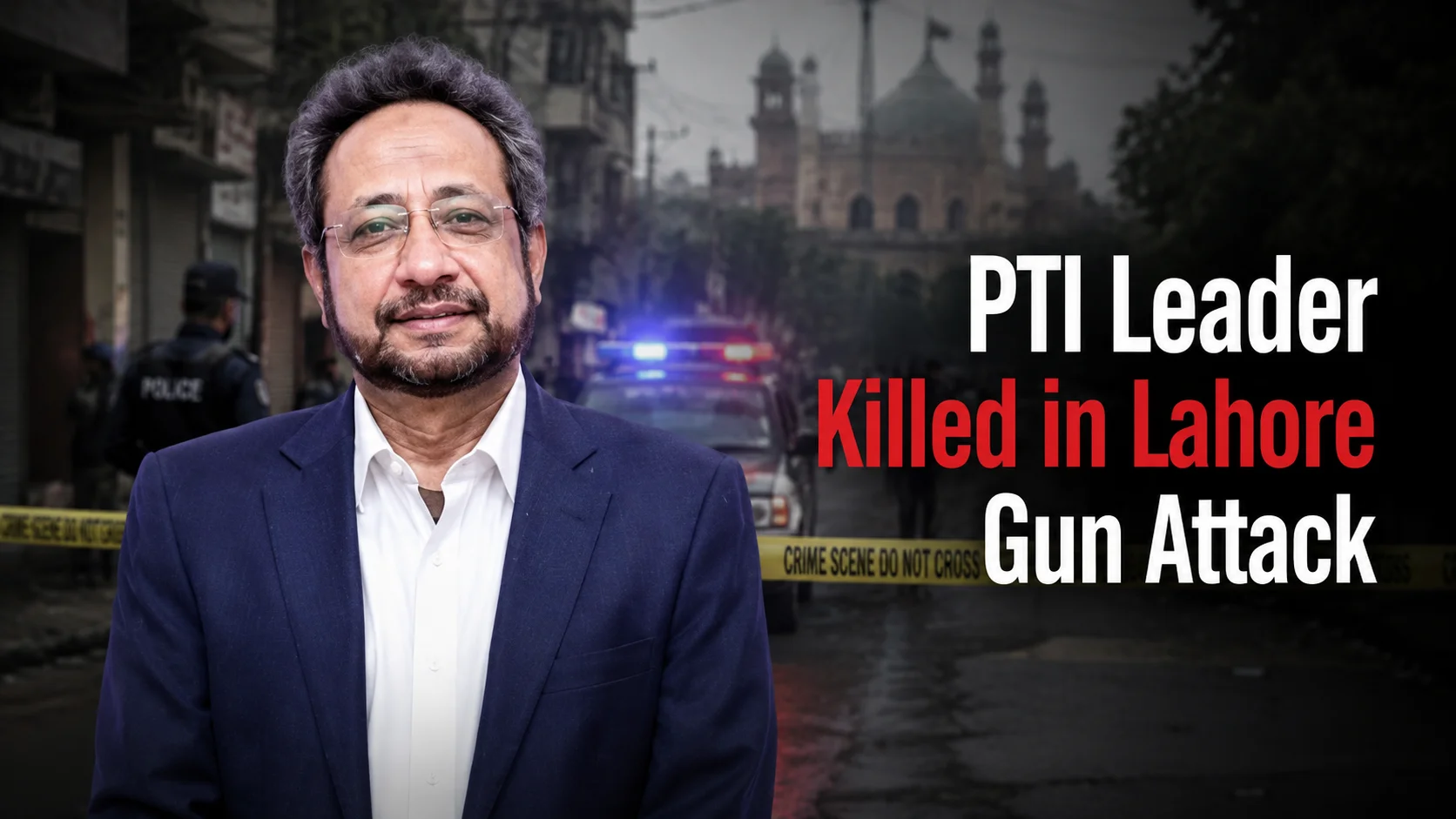

The political landscape of Pakistan was shaken when news broke that a PTI leader was killed in Lahore during a violent gun attack. This tragic event underscores escalating tensions and insecurity within the nation’s political domain, sparking debates and reflections about the implications of such violence in Pakistan’s evolving democracy. As law enforcement agencies rush to investigate the incident, the killing sends ripples through the political corridors and ignites discussions about political safety and the challenges faced by leaders.
Background of the PTI and Its Leaders
The Pakistan Tehreek-e-Insaf (PTI), led by its charismatic chairman Imran Khan, has been a major political force in Pakistani politics. Emerging as a party advocating for change and tackling corruption, PTI has made significant strides since its founding in 1996. Leaders within the party are seen as harbingers of a ‘New Pakistan,’ a slogan that has resonated with the masses.
The party’s rise to power in 2018 marked a significant shift, with PTI promising a clean governance style. However, navigating the political waters of Pakistan is fraught with challenges, often marked by intense rivalries and a history of violence. Any attack on its leaders, therefore, not only affects the individuals involved but also the party’s image and ability to function effectively.
Forging a path in a tumultuous political environment, PTI leaders are both celebrated and scrutinized. This incident of a PTI leader being killed underscores the personal risks faced by those who choose to lead.
Moreover, the PTI has continuously emphasized its commitment to eradicating corruption and fostering transparency, a stance that has both won it support and made it a target in the political arena. The leadership dynamics within the party often reflect broader national issues, with PTI leaders at the forefront of pushing reforms. The loss of a leader not only affects strategic planning but also shifts the focus of its dedicated workforce towards recovery and reevaluation of safety protocols.
Historically, PTI’s leadership has sought to introduce policies that challenge the status quo, often facing pushback from entrenched political adversaries. The impact of violent acts like the killing of a PTI leader complicates these efforts, demanding a reinforced approach towards securing PTI’s mission in the volatile landscape of Pakistani politics.
The Incident in Lahore
The recent attack occurred in Lahore, a city known both for its rich cultural history and as a hub of political activity. The victim, a prominent PTI leader, was targeted in what police have described as a premeditated attack, shaking the local and national political scene.
Eyewitnesses reported hearing multiple gunshots, after which the assailants fled the scene, leaving the community in shock. Immediate calls for justice and enhanced security measures have been raised by party members and supporters, highlighting the ongoing threat faced by politicians in Pakistan.
As authorities continue their investigation, the focus remains on uncovering the motives behind the attack. This tragic event brings into question the effectiveness of current security protocols surrounding political figures.
Lahore, often dubbed the heart of Pakistan, is not new to political unrest. The city’s status as a political epicenter makes it both a stage and a target for political movements and hostilities. This most recent shooting adds to a worrying pattern of violence targeting politicians, intensifying public anxiety and magnifying the spotlight on governmental responsibilities to ensure safety.
The ramifications of such incidents extend beyond immediate political circles, affecting social stability and public perception of safety in Lahore. The specter of fear influences daily life and risks stifling the vibrant political dialogue that Lahore is known for. It underscores the urgent necessity for advancements in security protocols that can adequately address and mitigate threats against political figures.
Impact on Pakistani Politics
The assassination of a political leader can create ripples across the political spectrum, affecting governance, party morale, and public confidence. This specific incident of a PTI leader being killed exacerbates an already tense atmosphere in Pakistan’s political landscape.
Immediate impacts include increased calls for a review of security measures for politicians. Additionally, such acts of violence can deter talented individuals from entering politics, fearing for their safety and that of their families.
Beyond security, the attack fuels political rhetoric, with opponents potentially capitalizing on the instability. The PTI must navigate these challenges while maintaining its focus on governance and addressing national issues.
The challenges faced by Pakistan’s political leadership during such turmoil require a strategic response to maintain public confidence and stability. Leaders must demonstrate resilience and a commitment to transparency in addressing the circumstances surrounding such attacks. The long-term implications of political assassinations involve not just immediate security reassessments but also a broader reflection on the nature of political discourse and competition in the country.
Political violence can also lead to policy paralysis, where fear overshadows decision-making, and governance focuses predominantly on crisis management rather than progressive policymaking. For PTI and other political entities, demonstrating capable leadership in the face of adversity is crucial to reassuring constituents. This involves engaging constituents in open dialogues about the risks politicians face and the steps being taken to protect them, reinforcing democratic engagement and trust.
Security Challenges in Pakistan
Pakistan has long grappled with security issues, especially concerning its politicians, who face threats from various extremist groups and rival political factions. This environment of insecurity places politicians at considerable risk, complicating political processes.
Despite numerous attempts to bolster security, incidents like this attack highlight existing vulnerabilities. Repeated calls have been made to fortify security measures around high-profile political leaders to ensure their protection.
However, such security enhancements come with logistical and financial challenges, requiring a balanced approach to not strain public resources while ensuring effective safety measures.
Moreover, the history of political violence in Pakistan reveals a pattern that adds complexity to the challenge. Electoral seasons often see a spike in such activities, with politicians being targeted to influence outcomes through fear and destabilization. This ongoing cycle impacts the political culture, leading to increased militarization of political events and the perception of politics as a dangerous profession.
In seeking solutions, Pakistan’s leadership must focus on strengthening intelligence networks and fostering community-level surveillance and security systems. By integrating technologies with traditional security measures, the government could enhance early threat detection and response. Additionally, the public’s role in reporting suspicious activities becomes even more critical in creating a comprehensive safety net for political figures.
Also Read This Article : Mangroves: Vital Natural Shield Against Shoreline Erosion
Reactions from Political Circles
The killing of a PTI leader in Lahore drew reactions from across the political divide. Condemnations poured in swiftly from both allies and opponents, reflecting the shared concern over political violence.
Many politicians used social media platforms and public statements to express their grief and solidarity with the PTI. There were unified calls to bring the perpetrators to justice and prevent future attacks.
However, this condemnation often contrasts with political realities, where tensions and rivalries may hinder cooperative efforts towards sustained peace and security. The reactions further highlight the deep divides within Pakistan’s political fabric, where even a call for justice becomes entwined with political posturing. While public displays of unity offer a momentary sense of cohesion, long-term solutions require genuine collaboration among political entities to address the root causes of violence.
Furthermore, the intensity of responses underscores the emotional and symbolic importance of political leadership in Pakistan. The loss of an influential figure prompts discussions not only about immediate political ramifications but also the cultural perceptions of leadership, martyrdom, and the sacrifices inherent in serving the public domain.
The Role of Media in Covering Political Violence
Media coverage plays a critical role in shaping public perception following incidents of political violence. In the case of the PTI leader’s assassination, media outlets nationwide have mobilized to cover the story intensively.
News reports, analysis programs, and opinion pieces provide different perspectives, often influencing public discourse. The media’s role is crucial in ensuring that such incidents are investigated thoroughly and that accountability is upheld.
Yet, the media’s handling of sensitive situations must balance the need for thorough reporting with the avoidance of sensationalism, ensuring that the focus remains on truth and justice.
Effective media coverage requires discerning the line between informative reporting and fearmongering. Responsible journalism emphasizes fact-based narratives that provide context and analysis, steering away from hyperbolic language that could exacerbate tensions. The role of the media in public education is vital, helping citizens understand the implications of political violence and encouraging informed civic engagement.
Additionally, media can serve as a platform for promoting public resilience by highlighting community responses and positive initiatives aimed at preventing future violence. By championing narratives of hope and progress, media outlets can contribute towards building a societal consensus against political violence and fostering a commitment to peace and stability.
Historical Context of Political Assassinations in Pakistan
Pakistan’s political history is unfortunately marked by instances of violence and assassinations. Leaders from various parties have fallen victim to attacks, reflecting the broader challenges within the country’s political framework.
Historical examples include the assassination of Benazir Bhutto in 2007, a pivotal moment that brought global attention to Pakistan’s security issues. Such tragic incidents underscore recurring patterns of violence against political figures, demanding an end to this alarming trend.
Understanding these historical contexts can be vital for developing strategies to prevent future assassinations and protect the democratic process.
Each political assassination in Pakistan’s history has served as a catalyst for change, triggering policy discussions and emergency reforms aimed at safeguarding leaders. The lessons drawn from past tragedies inform current security strategies, underscoring the importance of readiness and vigilance in high-risk environments.
The historical narrative around political violence also points to systemic vulnerabilities, including socioeconomic disparities and ideological extremism, that fuel such acts. Addressing these root causes requires not only improved security measures but also long-term social and economic interventions designed to reduce the appeal of violence as a political tool.
Potential Motivations Behind the Attack
Determining the motivations behind the killing of a PTI leader involves analyzing a web of potential factors, including political, ideological, and personal grievances. In Pakistan, where political competition can be intense and cutthroat, such motivations can be complex.
Some argue that this violence could stem from extremist elements seeking to destabilize the political environment. Others suspect intra-party conflicts or rival political entities may attempt to weaken PTI’s influence.
Thorough investigations are essential to uncover the truth behind such incidents, helping authorities develop interventions to prevent similar acts in the future.
Motivations often overlap with broader regional and national issues, including perceived injustices, economic inequalities, or ideological divides. These factors may inadvertently create environments where political violence becomes a strategic choice for certain groups trying to exert influence or draw attention to their causes.
Moreover, political violence can sometimes be fueled by external influences, with regional geopolitics playing a part in internal conflicts. Investigations must therefore consider international dynamics and potential external benefactors who may have a stake in destabilizing Pakistan’s political landscape.
The International Reaction
This tragic attack has not only drawn domestic concern but has also caught international attention. Pakistan’s stability is of interest to global stakeholders due to its strategic geopolitical position.
International organizations and foreign governments have condemned the act, urging swift action and offering condolences. Such responses highlight Pakistan’s challenges in maintaining political stability amid ongoing global scrutiny.
This international attention can spur both positive developments, such as increased support for security initiatives, and challenges, including heightened diplomatic pressure.
The global response can impact Pakistan’s foreign relations, influencing bilateral and multilateral engagements. Condemnations often come with offers of assistance, such as sharing intelligence or providing training to enhance domestic security capabilities. These partnerships can be crucial for implementing effective protective measures and promoting regional stability.
On the other hand, international scrutiny can also be a double-edged sword, leading to increased pressure for immediate results that may not align with long-term strategic objectives. Balancing international expectations with national priorities requires deft diplomacy and a commitment to transparent governance.
Looking Forward: The Path to Stability
The killing of a PTI leader in Lahore necessitates a concerted effort to steer Pakistan towards stability and peace. The event demands not just immediate responses but long-term strategies to combat political violence.
Going forward, Pakistan must prioritize the protection of its political leaders to maintain democratic integrity. Implementing robust security strategies and fostering political unity are essential steps. Furthermore, promoting dialogue across political divides can create a more cohesive environment less prone to violence. True stability will require a collective commitment from all factions within Pakistan’s political landscape.
Long-term stability hinges on the willingness of political leaders to cultivate a culture of negotiation and mutual respect. Building platforms for open dialogue, encouraging cross-party collaborations, and fostering inclusive political processes can mitigate the root causes of divisive politics and reduce violence incidence.
Investment in education and public awareness campaigns can also play a significant role in transforming the socio-political landscape, empowering citizens with the knowledge and skills to recognize and resist political manipulations aimed at inciting violence. Encouraging civic engagement and public participation in democratic processes will foster a more resilient society capable of withstanding and responding to political challenges without resorting to violence.
Conclusion
The tragic incident of a PTI leader being killed in a gun attack in Lahore paints a grim picture of the current security landscape in Pakistan. It underscores the risks faced by political leaders and the severe implications of such violence on political stability. As the nation mourns, this event serves as a stark reminder of the urgent need for comprehensive safety measures and political cohesion.
For Pakistan to move forward, it must address the root causes of political violence, enhance protective measures for its leaders, and strive for cooperative political engagement. The path to a secure and democratic state lies in acknowledging these challenges and working tirelessly towards solutions.
In this volatile environment, each stakeholder in Pakistan’s political scene must recognize their role in ensuring peace and security. Only through collective action and commitment can such traumatic events be relegated to history.
Despite the challenges that lie ahead, there exists a collective resilience within the political landscape of Pakistan that can act as a foundation for future stability. As the nation grapples with this tragic event, the enduring strength of its institutions and the dedication of its people provide hope for a peaceful and prosperous future founded on democratic ideals and the rule of law.
Frequently Asked Questions
Who was the PTI leader killed in Lahore?
The identity of the PTI leader killed in Lahore has not been disclosed in the news provided. The focus remains on the implications and broader reactions to this tragic event.
What is the PTI’s role in Pakistani politics?
The Pakistan Tehreek-e-Insaf (PTI) is a major political party in Pakistan, known for its anti-corruption stance and governance reforms under the leadership of Imran Khan since its rise to prominence.
How has the Pakistani government responded to the killing?
The government has initiated investigations into the incident, with law enforcement agencies prioritizing the pursuit of justice and assessing current security measures for politicians.
What are the implications of this attack for Pakistani politics?
The killing raises serious concerns about political violence in Pakistan, stressing the need for enhanced security protocols and greater political cohesion.
Has there been international response to the incident?
Yes, the international community has condemned the attack, highlighting the ongoing security challenges in Pakistan and expressing sympathy and support for affected parties.