






The recent Lahore roof collapse in Baghbanpura has claimed ten lives, marking one of the most tragic incidents in the area. The collapse, occurring amid ongoing construction work, highlights critical issues related to building safety in urban Pakistan. Such incidents pose significant questions about regulatory oversight, safety norms, and emergency management. In this article, we provide an in-depth analysis of the Lahore roof collapse, examining the immediate impacts, underlying causes, responses, and long-term implications for city planning and safety standards.
Overview of the Incident
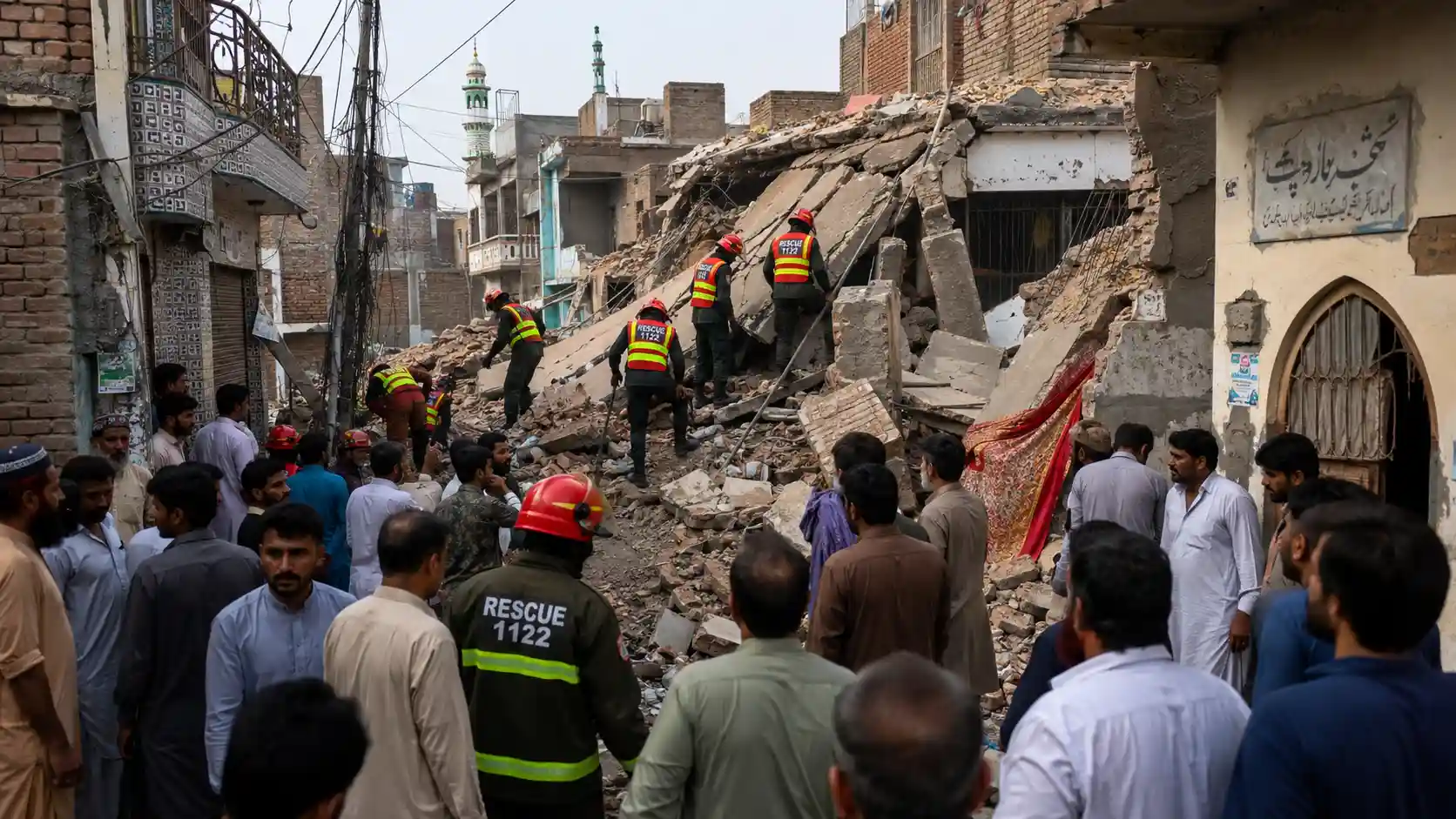
The Lahore roof collapse in Baghbanpura has been a devastating tragedy, affecting not only the victims and their families but also the community at large. The building in question was under renovation, and the roof collapsed without warning. Eyewitnesses reported hearing loud crashing sounds followed by chaos and panic. Rescue operations began immediately, with teams working tirelessly to pull victims from the rubble.
Lahore, a bustling city known for its rich cultural history and rapid urbanization, has faced similar incidents in the past. However, the scale of this collapse, with ten confirmed fatalities, highlights the critical need for better safety scrutiny and enforcement of building regulations.
This incident sets a grim reminder of the vulnerability faced by construction workers and residents in rapidly urbanizing regions where safety is often compromised. Municipal authorities face growing pressure to address these challenges effectively.
In the wake of such a tragedy, it becomes crucial to understand the dynamics of urban growth in Lahore. The city’s rapid expansion has often led to hasty construction practices, where timelines are prioritized over safety. The demand for more housing and infrastructure in limited spaces sometimes results in oversight and negligence. Moreover, the informal labor market often lacks the necessary skills and training, further exacerbating the risks associated with construction activities.
Understanding the Causes
A thorough examination of what led to the Lahore roof collapse is necessary for preventing future tragedies. Initial reports suggest negligence in adhering to safety protocols as a contributing factor. The renovation project might have been accelerated, ignoring crucial structural integrity checks.
Experts emphasize the importance of structural assessments and adherence to government-sanctioned building codes. Failure to utilize skilled labor and materials, focusing on cutting costs, often leads to disastrous outcomes. The Baghbanpura incident is a stark reminder of the cost-cutting measures that can lead to loss of life.
The complex interplay of economic pressures, regulatory gaps, and the informal construction sector’s role further complicate the situation, calling for rigorous oversight and a cultural shift towards prioritizing safety over expedience.
Additional insights into the fundamental causes of such collapses suggest that there may be systemic issues within the regulatory bodies overseeing construction projects. Corruption and lack of transparency can lead to permits being issued without adequate review, compounding the risk of inadequate safety measures. Furthermore, there is often a disconnect between policy and practice, where regulations exist on paper but are not enforced rigorously on-site.
Emergency Response and Rescue Operations
The response to the Lahore roof collapse involved multiple city agencies, local volunteers, and non-governmental organizations. Within hours, paramedics, rescue workers, and fire personnel were at the scene. Despite their efforts, the challenges were substantial due to debris and panic in the area.
Rescue operations highlighted both strengths and deficiencies in emergency management protocols. While the quick response saved lives, the coordination between agencies was sometimes lacking, highlighting the need for better integration and training. Communication gaps often delayed critical operations.
In the aftermath, discussions about improving emergency response capabilities have gained momentum. Investing in better equipment, training, and a unified command structure are seen as vital next steps for enhancing the city’s preparedness for similar disasters.
The incident also demonstrated the resilience and valor of local communities and volunteers who joined hands with official agencies to aid in rescue efforts. Their involvement was crucial in providing immediate assistance, offering a clear example of community solidarity. However, the need for structured volunteer training programs becomes evident to ensure that such efforts are efficient and do not hinder professional operations.
The Community’s Reaction
The Baghbanpura community is struggling to cope with the shock and grief following the Lahore roof collapse. Mourning families demand accountability and justice for their lost loved ones, while community leaders rally for solidarity and support.
The incident has sparked discussions not only about safety measures but also about community resilience. Support networks, comprising neighbors, friends, and local organizations, have become critical in aiding families during this distressing time.
This tragedy also underscores the social dynamics at play, illustrating how communities band together in crises while calling for better policies and regulations to protect vulnerable populations in urban environments.
Moreover, the event has led to increased advocacy for mental health support in the community. Many affected individuals are experiencing trauma and anxiety, underscoring the need for psychological counseling services as part of disaster response efforts. Community healing is a crucial element, with religious and cultural leaders playing a significant role in providing emotional and spiritual support.
Also Read This Article: AJK Elections 2026: Mirpur Commissioner and DIG Review Polling Process
Historical Precedents and Comparisons
The Lahore roof collapse is not an isolated event. Similar tragedies have occurred in other parts of Pakistan, often with eerily similar narratives about construction flaws and oversight failures. Comparing these incidents can offer significant insights into recurring patterns and areas needing urgent reform.
For instance, the 2012 Karachi factory fire and various building collapses in Islamabad have shed light on systemic issues in construction practices, inspections, and worker safety that remain prevalent across the country.
Learning from past mistakes, incorporating advanced technology, and investing in modern safety practices are key to mitigating risk. Looking at international best practices reveals models that Pakistan could adopt to ensure safer construction environments.
Additionally, historical analysis highlights cultural factors that contribute to recurring lapses in safety standards. A deep-rooted disregard for regulatory norms and a reactive rather than proactive approach to building safety contribute significantly to these incidents. Cross-country comparisons also suggest that effective legal frameworks and robust civic engagement are proven components in building cultures of safety.
Government’s Role and Responsibilities
The role of the government in the Lahore roof collapse is under scrutiny. While initial responses focused on rescue and relief, the long-term responsibilities involve policy and enforcement overhauls.
Authorities must overhaul current regulations to address loopholes that enable negligence. Instituting stricter penalties for safety violations, regular inspections, and ensuring transparency in projects are critical components of reform.
Empowering local governments and municipalities with resources and autonomy to manage urban growth responsibly can make a substantial difference. However, political will and public pressure are crucial to driving these changes effectively.
Furthermore, the government’s role extends to educational initiatives that raise awareness about safety standards among builders and the general public. Collaboration with international organizations to develop training modules can enhance local competency. It is imperative that legislative changes are coupled with practical, on-the-ground training and awareness initiatives.
Urban Planning Challenges
The Lahore roof collapse highlights broader urban planning challenges faced by rapidly growing cities without sufficient infrastructure to support the population surge. Urban sprawl, combined with inadequate regulatory frameworks, exacerbates building safety risks.
Integrating safety into urban planning involves forward-thinking strategies that include rigorous zoning laws, sustainable practices, and intelligent city infrastructure. It’s essential for planners to balance growth with safety, ensuring that developments are built to withstand various pressures.
This incident raises critical questions about sustainability, the balance between development and conservation, and the necessity of a holistic approach to urban governance that prioritizes citizen safety and well-being.
Analyzing urban sprawl in Lahore reveals that the rush to accommodate a growing population often trumps meticulous planning. There is a pressing need to innovate urban planning strategies that not only address current deficits but also anticipate future risks, creating cities that are not only livable but resilient to crises. Urban planning must evolve to incorporate resilient architectural designs and environmentally conscious construction practices.
Future Implications and Safety Reforms
The tragic Lahore roof collapse serves as a catalytic event for potential reforms focused on enhancing construction safety and urban development practices. If addressed seriously, it can serve as an impetus for comprehensive policy changes.
Policymakers face the delicate task of aligning economic incentives with safety and regulatory compliance. Incentives for safer practices, coupled with transparent monitoring, could change the construction landscape.
Stakeholder collaboration, including private sector involvement, public engagement, and government leadership, is essential to drive forward the necessary changes. Commitment and consistent effort could transform this tragedy into an opportunity for systemic improvement.
The push for reform might also encourage the development of a comprehensive national database of building safety compliance, an approach seen in some advanced economies. Such a database can facilitate early intervention and provide a framework for regular checks and balances, ensuring that safety measures keep pace with rapid urbanization.
Voices of the Affected
The voices of the victims and their families must be amplified in the narrative of the Lahore roof collapse. Their stories and experiences not only humanize the tragedy but also provide critical insights into the emotional and social impact of such incidents.
Initiatives aimed at giving these families a platform to share their experiences can play a significant role in advocacy and public awareness efforts. Storytelling becomes a powerful tool for change, driving home the need for substantive action.
Their resilience amidst loss highlights the importance of emotional and mental health support as part of disaster response – a dimension often overlooked but crucial for comprehensive recovery.
Amplifying the voices of the affected can also serve as a catalyst for legislative advocacy, highlighting the need for compensatory measures and comprehensive support systems for families impacted by structural failures. Additionally, these narratives can serve as educational tools, fostering a deeper understanding of the human cost behind infrastructural negligence and urging a collective move towards accountability and reform.
Looking Forward: Analyzing Solutions
The way forward from the Lahore roof collapse lies in innovative solutions that marry technology with traditional wisdom to create safer urban environments. Technology, such as AI for structural analysis and drones for inspections, can offer new dimensions to safety management.
Deploying smart city solutions to monitor ongoing construction projects can prevent potential disasters. Integrating community-based monitoring and feedback loops can further strengthen preventive measures. Civic education emphasizing awareness about building safety could empower residents to demand better from builders and authorities. This collective awareness and action, underpinned by robust policies, are essential for a safer urban future.
Furthermore, the integration of IoT (Internet of Things) could provide real-time data on building health and integrity, enabling timely interventions. Schools, universities, and local organizations can play crucial roles in raising awareness and implementing educational programs that focus on empowering communities with the knowledge and tools to participate actively in demanding safer construction practices from developers.
Conclusion
The Lahore roof collapse in Baghbanpura is a tragic event that reverberates far beyond the immediate loss of life. It serves as a wake-up call for authorities, city planners, and the community at large. The incident underscores the urgent necessity for reform in building safety regulations, emergency response strategies, and urban planning paradigms.
For Lahore and similar urban settings, the challenges posed by rapid growth require solutions that are both innovative and vigilant. The responsibility lies not just with governmental bodies but also with the collective societal framework to push for progress.
Moving forward, a multi-faceted approach involving regulatory reforms, community engagement, and technological integration could pave the way for a safer and more resilient urban environment. It remains crucial for the city of Lahore to learn from this disaster and implement meaningful changes that will protect its citizens now and in the future.
Frequently Asked Questions
What caused the Lahore roof collapse?
The Lahore roof collapse was primarily caused by construction oversight and non-adherence to safety protocols. Negligence during renovation, such as inadequate structural assessments, played a significant role.
How many fatalities were reported in the Lahore roof collapse?
The tragic incident resulted in ten confirmed fatalities, causing widespread grief and raising awareness about construction safety.
What measures are being taken to prevent future incidents?
Discussions are ongoing about regulatory reforms, improved emergency responses, and public awareness campaigns to enhance building safety and prevent similar tragedies.
How did the community respond to the collapse?
The community has shown unity and resilience, providing support to affected families and calling for accountability and improved safety measures.
What role does urban planning play in such disasters?
Effective urban planning can mitigate risks by ensuring stringent safety regulations, sustainable growth practices, and robust infrastructural developments, reducing the likelihood of such disasters.