





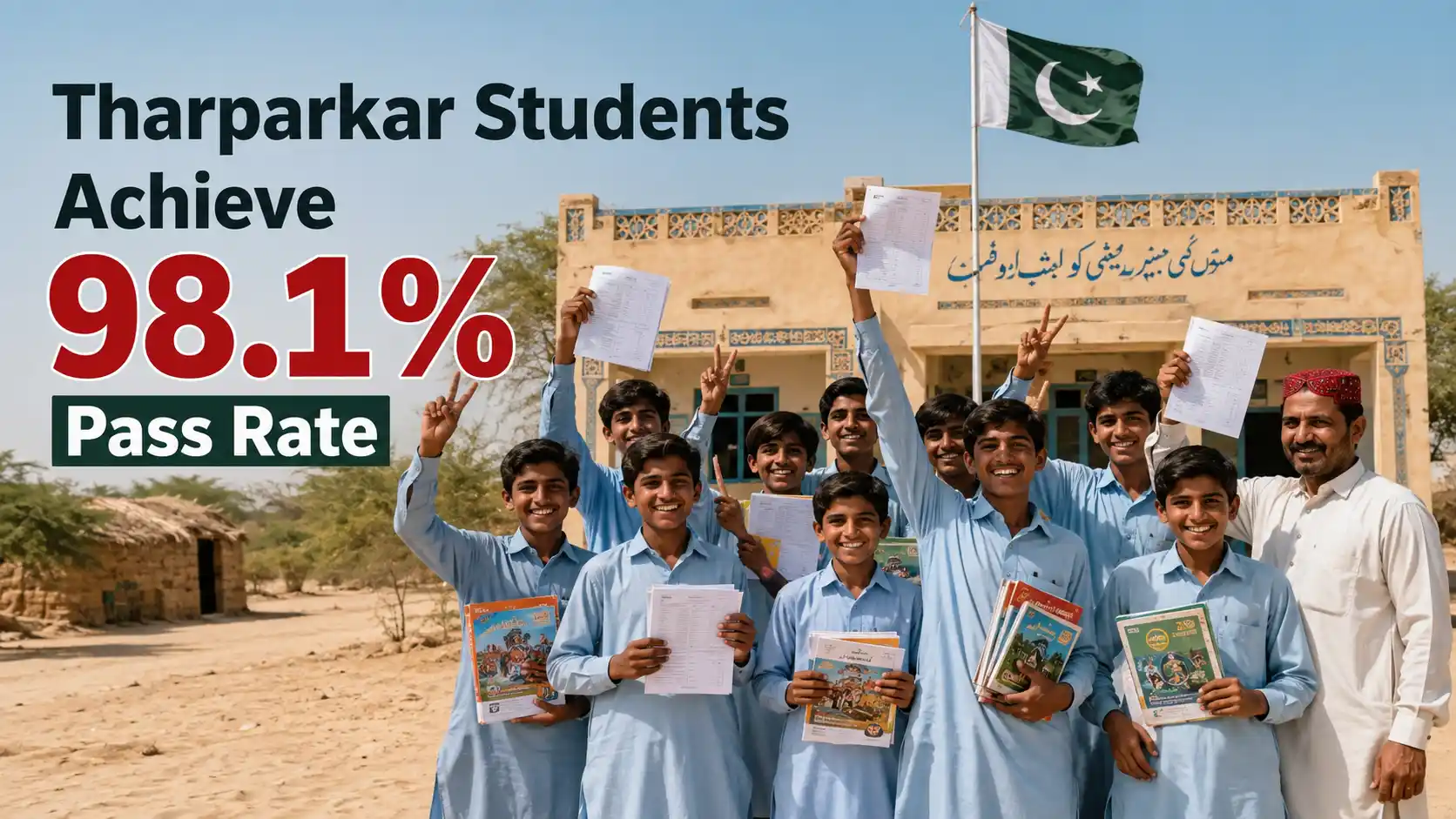

Tharparkar students have made headlines by achieving a remarkable 98.1% pass rate in the Federal Board Class 10 exams. This achievement highlights not only their determination and hard work but also the significant improvements in education within the region. Education is crucial in this era, and such a success story from Tharparkar offers a beacon of hope and inspiration for students, educators, and policymakers alike. With numerous challenges facing students in rural areas, this story emphasizes the potential for success against the odds.
The Context of Tharparkar’s Educational Success
Tharparkar is a district located in the Sindh province of Pakistan. Known for its arid climate and economic challenges, education has often taken a backseat due to socio-economic constraints. However, recent efforts from various stakeholders, including government initiatives and non-governmental organizations, have paved the way for educational improvements. Understanding the broader context of Tharparkar sheds light on the significance of this achievement.
In recent years, the district has benefited from increased governmental focus on education. Investments in infrastructure, provision of resources, and teacher training programs have played a vital role. Yet, without the drive and determination of the students and teachers, these changes would remain merely potential rather than reality.
This educational success also reflects the resilience of the Tharparkar community in their quest for a better future. With education often seen as a gateway to improved livelihoods, communities are increasingly prioritizing educational attainment, believing in its power to break the cycle of poverty.
Furthermore, the efforts in educational progress in Tharparkar align with global movements towards inclusive education. These initiatives aim to ensure that even the most underprivileged regions are given the opportunity to provide quality education. Collaborative efforts involve implementing policies that focus not only on enrollment but also on retention and performance. The remarkable results of Tharparkar students illustrate the rewards of such a comprehensive approach.
Moreover, Tharparkar’s story serves as an exemplary model for other areas facing similar obstacles. The alignment of various agencies in creating a cohesive strategy underlines how unity and shared goals can result in significant societal improvements. As such, Tharparkar stands as a testament to the positive outcomes of focused educational endeavors.
Role of Teachers and Educators in Tharparkar
Teachers and educators have been at the forefront of this educational triumph. Despite limited resources, they have employed innovative teaching methods to engage students more effectively. By adapting to the unique challenges faced by their students, teachers have managed to create a conducive learning environment, even in resource-constrained settings.
Professional development programs for teachers in Tharparkar have also helped foster better teaching practices. Workshops and training sessions focusing on modern pedagogical techniques have equipped educators with the skills necessary to deliver quality education.
Moreover, teachers in Tharparkar have gone beyond the call of duty, often serving as mentors and role models. Their dedication underscores the critical role of educators in achieving such monumental success.
In addition to formal training, many educators have engaged in peer-led initiatives to share effective teaching strategies. These collaborative efforts among teachers have created networks that foster a culture of continuous learning and improvement. By building strong communication channels, educators in Tharparkar have enhanced their professional competencies and further supported their students’ learning experiences.
The commitment of teachers extends beyond the classroom. Many have initiated community projects aiming to address educational challenges at their roots. By collaborating with local leaders and parents, educators have helped build support systems that are crucial in maintaining consistent student engagement and motivation.
Parental Support and Community Involvement
Besides teachers, parents and the community have played a pivotal role in supporting students. Understanding the importance of education for their children’s future, parents have shown increased involvement in their academic endeavors. This involvement has been a crucial factor in motivating students to excel in their studies.
Community support networks have emerged, creating an environment where education is not just encouraged but celebrated. With community leaders advocating for education and addressing cultural barriers, a collective effort has been instrumental in shaping positive educational outcomes.
This communal commitment has created a robust support system that students can rely on, ensuring they have the motivation and resources necessary to succeed academically.
Beyond immediate family, extended family members and community elders often participate in school activities and meetings, further reinforcing the importance of education. Such an inclusive approach creates a unified front, making education a community-wide priority.
Furthermore, local businesses and organizations have contributed by providing scholarships, school supplies, and incentives to high-achieving students. This kind of community investment not only boosts student morale but also establishes long-term support structures that nurture and maintain academic excellence.
Impact of Technology on Education in Tharparkar
The integration of technology in education has been a game-changer for students in Tharparkar. With the advent of digital resources, students now have access to a wealth of information at their fingertips. Educational apps and online tutorials have supplemented traditional learning, providing students with diverse study materials.
Government and NGO partnerships have facilitated the distribution of technological tools, including computers and mobile devices, enhancing the learning experience. Initiatives to introduce technology in classrooms have proven to be effective, allowing students to develop digital literacy from an early age.
Technology has not only improved access to information but has also connected students to a broader educational community, enabling collaborative projects and participation in virtual learning environments.
The incorporation of e-learning platforms has opened new horizons for Tharparkar students. It enables interactive learning, where students can engage with multimedia content, participate in virtual classes, and access remote mentoring from educational experts worldwide. This dynamic approach personalizes education, catering to varied learning styles and needs.
Furthermore, local educators have leveraged technology to monitor progress and tailor instruction to address individual student challenges, thus maximizing educational outcomes. By embracing technology, Tharparkar’s educational system continues to evolve, aligning with global standards and expectations.
Exam Preparation Strategies
A structured approach to exam preparation has been a key factor in the students’ success. Schools in Tharparkar have implemented rigorous study schedules and revision plans, ensuring that students are well-prepared for their exams. Teachers have provided students with past papers and conducted mock exams to familiarize students with the examination format.
Furthermore, peer study groups have been encouraged, allowing students to learn collaboratively and clarify doubts. This strategy fosters an environment of mutual learning and support.
These strategies collectively ensure that students are not just prepared academically, but also emotionally and mentally equipped to tackle the challenges of examinations.
In addition to traditional methods, the use of technology is woven into preparation strategies, enriching the experience. Online study materials, interactive tutorials, and virtual study groups have allowed students to deepen their understanding and retain information more effectively. Such resources offer flexibility and adaptability in learning, accommodating different schedules and learning paces.
Moreover, mentorship programs where older students guide their juniors through the examination process have developed. These relationships foster a community of sharing, with experienced students offering insights and strategies that can only be gained through personal experience. This peer guidance is invaluable, providing personalized tips, emotional support, and motivation.
Challenges Overcome by Tharparkar Students
While the success story is indeed inspiring, it is essential to acknowledge the challenges faced by Tharparkar students. Economic constraints have often limited access to educational resources. However, students have shown resilience in overcoming these barriers through sheer determination and resourcefulness.
Additionally, geographical isolation and lack of infrastructure pose significant challenges in accessing quality education. Despite these hurdles, students have remained focused on their academic goals, driven by the desire for a brighter future. Their ability to persevere in the face of adversity is a testament to the indomitable spirit of Tharparkar students.
Furthermore, other barriers, such as language differences and limited transportation options, add layers of difficulty. Despite these challenges, students’ zeal for education remains undiminished. Their achievement is not just a result of individual effort but also the outcome of a collective drive within their communities.
These students have capitalized on every opportunity, however small, to push forward. From participating in regional educational programs to utilizing local libraries, they exhibit a resourceful attitude that turns challenges into stepping stones. This mindset is crucial in overcoming the inconveniences of geographic remoteness and achieving remarkable academic success.
Government Initiatives in Education
The Pakistani government has played a crucial role in advancing education in Tharparkar. Policies aimed at improving educational access have been implemented, focusing on building infrastructure and enhancing teacher training programs. These efforts are geared towards ensuring that education is accessible to all, regardless of geographical and socio-economic barriers.
In addition, government scholarships and financial aid programs have been made available to students from low-income families, reducing the financial burden and encouraging more students to continue their education.
As a result of these initiatives, education in Tharparkar is witnessing a positive transformation, enabling students to realize their potential and contribute positively to their communities.
The government’s proactive stance includes measures to improve the curriculum, introducing elements that align with modern educational needs. Emphasis on science, technology, engineering, and mathematics (STEM) subjects helps prepare students for future challenges and enhances their employability.
Collaboration between governmental bodies and NGOs focusing on educational development has also created synergies that enhance project sustainability. These partnerships facilitate knowledge exchange, capacity building, and resource optimization, creating robust educational structures that can withstand and adapt to emerging challenges.
The Psychological Impact on Students
Educational success can have a profound impact on the psychological well-being of students. For Tharparkar students, achieving a 98.1% pass rate is not just an academic triumph but a boost to their self-esteem and confidence. This success reinforces the belief that with hard work and dedication, they can overcome any obstacle. It empowers students to envision better futures for themselves and their families, motivating them to pursue further studies and career opportunities.
Moreover, such success stories influence younger students, providing role models and setting a benchmark for educational achievement in the district. Besides bolstering confidence, academic success reduces anxiety related to future uncertainties. Students feel secure knowing they have the skills and qualifications to pursue diverse career paths, which can alleviate stress associated with socio-economic challenges.
Their achievements also foster a sense of community pride. As the story of their success reverberates through Tharparkar, it emboldens other students and cultivates a culture where academic excellence is celebrated and aspired to. This environment enhances the collective psychological resilience of the community, building a foundation of hope and ambition.
Future Prospects for Tharparkar Students
With an outstanding pass rate, the future looks promising for Tharparkar students. This success opens doors to numerous opportunities, from higher education to employment prospects, enabling students to explore various academic and career paths.
Higher educational institutions, both national and international, are recognizing the potential in Tharparkar students, offering them coveted scholarships and admission opportunities. This recognition further emboldens students to continue their educational journey.
Ultimately, this academic success in Tharparkar sets the stage for socio-economic development, as these educated individuals return to their communities, contributing positively through skill and knowledge.
Alongside academic pathways, the entrepreneurial landscape also beckons for Tharparkar’s youth. With their educational foundation, students are equipped to innovate and develop business ideas that can address local needs while creating employment opportunities within the region.
Furthermore, the ripple effects of their success can inspire infrastructural development in rural areas, attracting investments in education and community projects aimed at uplifting the quality of life. This educational triumph is a catalyst for holistic community advancement, forging pathways for generations to follow.
Concluding Thoughts on Tharparkar’s Educational Journey
The achievement of Tharparkar students in the Federal Board Class 10 exams is a milestone in the district’s educational journey. It highlights the power of collective effort, perseverance, and the transformative potential of education. This success should serve as a model for other regions facing similar challenges, emphasizing the need for a collaborative approach involving students, parents, educators, and the government.
Looking forward, it is crucial to maintain the momentum and continue investing in education to ensure that Tharparkar continues to produce generations of students who can make meaningful contributions to society.
This success story is not just about academic achievement; it is a testament to the human spirit’s resilience and potential when provided with the right opportunities and support.
This journey also provides valuable insights for educational policy makers, NGOs, and global educational development programs. By understanding the factors contributing to Tharparkar’s success, similar strategies and investments can be applied to other regions, harnessing the power of education to drive socio-economic growth.
Continued success will depend on sustainable practices that respect local cultures and embrace modern advancements. An inclusive, adaptable educational framework will ensure that students from all backgrounds can realize their dreams and play pivotal roles in their communities and beyond.
Effect of Tharparkar’s Achievement on National Educational Policy
The success of Tharparkar students has reverberated beyond the borders of their district, drawing national attention to policies focused on rural education. This achievement underscores the importance of targeted investments and strategies tailored to specific regional needs, which could inform future educational reforms across Pakistan.
Government and educational authorities can leverage the success stories from Tharparkar to promote initiative-driven educational development. Tharparkar’s model exemplifies the potential of collaborative efforts and can inspire similar approaches in other regions, ultimately leading to a more educated, skilled, and unified nation.
By embracing the insights gleaned from Tharparkar’s journey, national policy makers can align educational objectives with broader socio-economic goals, shaping a future where education thrives as the cornerstone of prosperity and progress.
Cultural Shifts Influencing Education in Tharparkar
As education becomes increasingly prioritized in Tharparkar, cultural shifts have started to emerge, reshaping traditional views and roles within the community. Education is now being seen as a valuable tool for empowerment, not just for boys, but for girls as well, challenging longstanding gender norms.
This shift towards inclusivity enriches the cultural fabric of Tharparkar, encouraging both boys and girls to aspire towards educational attainment and career achievements. The empowerment of women through education contributes to a more equitable society and promises transformative socio-economic effects.
Community leaders and influencers have been instrumental in promoting the importance of education across genders. Such advocacy fosters a supportive environment where everyone is encouraged to pursue their educational aspirations, contributing to a thriving, innovative, and cohesive community.
Frequently Asked Questions
What is the significance of the 98.1% pass rate achieved by Tharparkar students?
The 98.1% pass rate is a significant achievement highlighting the educational progress in Tharparkar, showcasing the hard work of students, teachers, and the supportive community efforts that contributed to overcoming challenges.
What role did technology play in the educational success of Tharparkar students?
Technology played a vital role by providing access to digital resources and enriching the learning experience, enabling students to access diverse educational materials and connect with broader educational communities.
How have parents contributed to the success of Tharparkar students?
Parents have shown increased involvement and support in their children’s education, motivating them to excel and creating an encouraging environment that values academic achievement as a pathway to a better future.
What challenges did Tharparkar students overcome to achieve their success?
Tharparkar students have overcome economic constraints, geographical isolation, and limited resources through resilience and determination, ultimately achieving a remarkable pass rate against these odds.
What are the future prospects for Tharparkar students following their academic success?
The successful pass rate opens up numerous opportunities for higher education and employment, setting a foundation for socio-economic development and creating pathways for further academic and career achievements.