





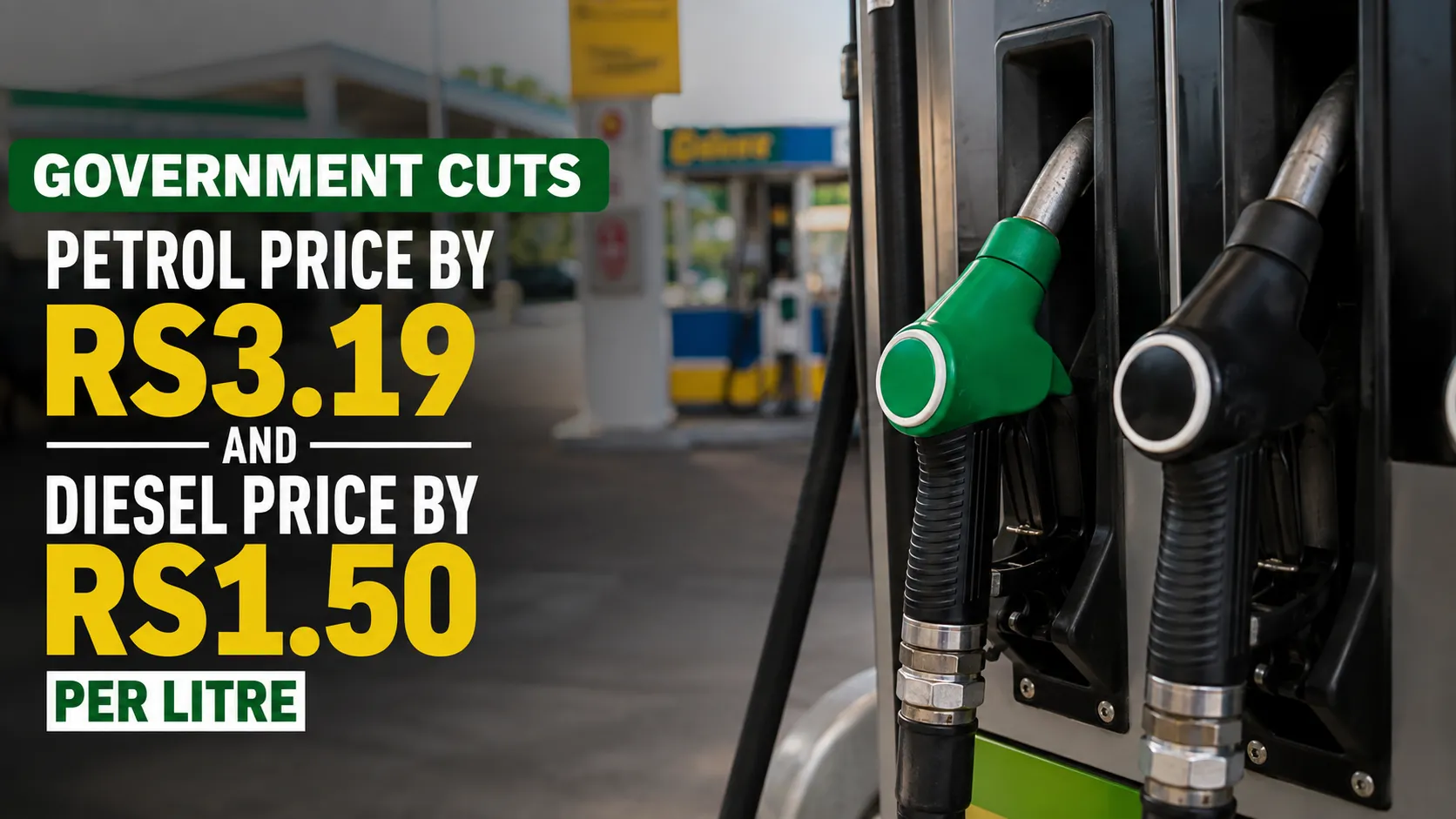

The recent petrol price cut has been a topic of significant interest in Pakistan, particularly after the federal government announced a reduction of Rs3.19 per litre for petrol and Rs1.50 per litre for diesel. This decision, made public on Thursday, is seen as a critical move in response to fluctuating international oil prices and domestic inflationary pressures. Citizens eagerly await the direct benefits of this price adjustment as fuel costs impact various sectors, from transportation to goods pricing and household expenses. Hence, it’s essential to analyze the broader implications of this petrol price cut, assessing its potential impacts on consumer behavior, economic stability, and inflation.
Understanding the Petrol Price Cut in Context
The latest petrol price cut was not made in isolation; it reflects a broader trend observed in global oil markets. Fluctuations in international crude oil prices affect domestic rates directly. Over the past few months, global oil prices have been experiencing volatility, driven by geopolitical tensions, supply chain disruptions, and varying levels of demand as economies rebound from the pandemic. The government’s latest decision allows consumers a respite as fuel costs form a substantial portion of household expenses.
Besides international dynamics, domestic factors also come into play. The government has been under pressure to address the rising cost of living, and a price cut offers immediate relief to citizens affected by growing inflation. Rising fuel costs have been linked to higher prices for goods, making it increasingly difficult for families to manage their budgets. Thus, this petrol price cut can be seen as a strategic move to ease financial burdens on citizens.
Overall, the petrol price cut can be regarded as a response mechanism rather than a standalone solution. While it brings temporary relief, long-term solutions need to address the root causes of price fluctuations and stabilize the economy for sustainable growth.
Furthermore, the timing of this cut cannot be overlooked. As Pakistan navigates economic recovery post-pandemic, the pressure on the government to showcase proactive measures has been immense. Aligning domestic fuel prices with international trends reflects an effort to ensure competitiveness and fairness in the market.
The historical context is also important when considering such cuts. Similar actions have been taken in the past during economic downturns or heightened inflation, serving as a tool not only for economic relief but also to bolster governmental credibility. Such measures, while beneficial in the short term, underscore the need for sustainable energy policies to shield the populace from the whims of the international oil market.
How the Petrol Price Cut Affects Consumers
The direct effects of the petrol price cut on consumers can be profound. Lower fuel prices translate to reduced transportation costs, which can influence everything from daily commuting to the prices of goods and services. For families that rely on private transportation, even minor reductions in fuel prices can have a noticeable impact on their monthly expenses.
Additionally, the reduction in diesel prices is significant for commercial transport operators and logistics companies that depend on diesel-powered vehicles. This group can benefit substantially from lower operating costs, leading to potential price reductions on goods transported across the country. In turn, consumers may see decreasing prices in supermarkets and local stores as businesses pass on the savings to their customers.
However, it is essential to note that the impact of the petrol price cut may not be immediate. While consumers may begin to feel the effects right away, the full benefits could take time to materialize in the market as businesses adjust their pricing structures. The overall integrated effects on everyday life warrant careful observation in the coming weeks.
An important consideration is the psychological impact of fuel price reductions on consumer confidence. Knowing that fuel costs are lower, individuals are more likely to engage in discretionary spending, traveling more frequently, and potentially boosting sectors related to travel and leisure. This uptick can create a domino effect, invigorating areas of the economy that had experienced stagnation.
Furthermore, with lower transportation costs, small and medium enterprises (SMEs) stand to gain as their operational expenses decrease. SMEs play a crucial role in the economy, making it vital to understand the broader implications that such fuel price adjustments entail. In this context, the petrol price cut not only serves as relief to consumers but revitalizes entrepreneurial activities, potentially fostering innovation and growth in various sectors.
The Economic Implications of the Price Cut
The petrol price cut holds significant economic implications for various sectors. Economically speaking, fuel prices are a critical input for numerous industries. As mentioned earlier, a decrease in petrol prices can lead to reduced costs for transportation, impacting everything from agriculture to manufactured goods. The ripple effects through the supply chain can lead to lower prices for end consumers, which is particularly important in a country like Pakistan, where inflation has been a persistent issue.
Moreover, government coffers benefit from fluctuating taxes on fuel. If the average citizen spends less on petrol, they could theoretically have more discretionary income to spend in other areas of the economy. This shift can positively affect sectors like retail and entertainment, allowing businesses to thrive amid the lower costs. Conversely, if the price cuts negatively impact government revenue due to reduced taxation on fuel, it could mean less money for public services that rely heavily on those funds.
The balance of these factors illustrates the complexity of the economy’s response to fuel price changes. While there can be short-term benefits to consumers, the long-term implications need careful navigation and consideration from policymakers.
Another angle to consider is the potential impact on foreign investment. A competitive fuel pricing strategy might attract investors looking at more favorable operating costs, thus boosting foreign direct investment (FDI) in diverse sectors. This influx can yield job creation, technology transfer, and the establishment of a robust industrial base, strengthening economic resilience.
The broader economic landscape presents paradoxical challenges. While consumers and businesses might reap immediate rewards from reduced fuel prices, a delicate tightrope walk is required to ensure that the benefits do not overshadow the need for long-term fiscal health. balancing fuel price regulations with broader economic objectives presents a continual challenge for policymakers, necessitating an approach that is both nimble and visionary.
The Role of Global Oil Markets
Global oil prices are perhaps the most influential element affecting petrol price cuts. With oil being a globally traded commodity, its price changes based on a multitude of factors, including geopolitical events, production levels by OPEC countries, and changing demand patterns in large markets like the United States and China. For Pakistan, as an oil-importing country, global price fluctuations can significantly impact domestic pricing strategies.
As the world emerges from various pandemic-related restrictions, demand for oil and gasoline is surging. Rising global demand can sometimes lead to increased prices, putting pressure on governments like Pakistan’s to maintain fuel prices in line with international trends. In this context, the petrol price cut is a temporary measure to shield consumers from immediate financial distress.
The intricacies of the global oil market make it challenging for governments to implement lasting solutions to fuel pricing. Therefore, while recent cuts are welcome news, stakeholders need to be aware that future price increases may still put pressure on consumers.
In observing the global landscape, insights can be drawn from countries with strategic petroleum reserves or diversified energy portfolios that help hedge against abrupt market shifts. Implementing similar strategies could provide Pakistan with a buffer, allowing for more stable domestic fuel pricing amidst volatile international markets.
Moreover, participation in international energy exchanges and collaborative agreements with major oil-producing nations can allow Pakistan to access more consistent and favorable pricing, diminishing the immediate impact of global disruptions. As the world transitions towards sustainable energy practices, navigating these international diplomatic and economic channels becomes increasingly vital for long-term economic fortification.
Also Read This Artcle : Heavy Rain Batters Rawalpindi and Islamabad: WASA on High Alert
Consumer Sentiment and Fuel Usage
Consumer sentiment regarding fuel prices can have a lasting impact on fuel consumption patterns. The recent petrol price cut may encourage consumers who have been cutting back on discretionary road travel to reconsider their habits. This shift can lead to increased fuel consumption, which increases demand for petrol and diesel, potentially triggering further price increases down the line, especially if global prices surge.
Moreover, consumer sentiment can directly impact macroeconomic health. As consumers feel they can spend more money on travel, vacations, and leisure activities, it can enhance overall economic dynamism. In contrast, keeping fuel prices high may encourage consumers to limit their use of personal vehicles, contributing to slower economic growth.
Consumer behavior is always influenced by both current economic conditions and societal norms. As more people recognize the financial benefits of lower petrol prices, we may see an uptick in road travel and related services, feeding a positive feedback loop that could contribute to economic revitalization.
The way in which perceptions of fuel prices influence environmental consciousness is also noteworthy. As consumer choice leans towards greater fuel consumption, the call for greener alternatives gains urgency. Encouraging the adoption of sustainable practices in conjunction with benefiting from reduced prices represents a dual objective that serves both immediate and future economic interests.
Furthermore, the socio-cultural implications of fuel price perceptions shouldn’t be underestimated. In many ways, fuel prices serve as a barometer of economic well-being. Positive momentum resulting from reduced fuel prices might shift societal conversation towards broader energy reforms, emphasizing renewable adoption and climate-conscious protocols, thereby embedding a future-ready perspective into national planning initiatives.
Future Outlook on Fuel Prices
Looking ahead, the question remains: how stable will petrol prices be in the coming months? Historical data illustrates that fuel prices can fluctuate drastically based on numerous circumstances. Economic analysts often caution that while price reductions bring relief, they may be countered by future increases if the underlying factors create upward pressure.
Policymakers must navigate these complexities prudently, developing a framework that allows for responsive measures in the face of global market variability. Sustainable energy sources and long-term infrastructure improvements can provide long-lasting solutions for reducing dependence on imported oil, thus softening the impact of global market fluctuations on Pakistani consumers.
In addition, diversifying energy portfolios through renewables can provide consumers with stability against oil price swings. As countries worldwide increasingly focus on sustainability, it may be prudent for Pakistan to invest in alternative energy projects. This strategic pivot could lead to reduced pressures on petrol prices, offering consumers greater protection from volatility.
Exploration of hybrid approaches to energy sourcing such as solar, wind, and advanced biofuels can provide dependable alternatives to traditional petrol-based outlets. Making those options more accessible and economically viable could serve to buffer Pakistani consumers against unpredictable international market landscapes further.
The integration of technology and innovation also plays a critical role in shaping the future of energy consumption and pricing. Data analytics, coupled with advances in alternative energy technologies, could offer predictive pricing strategies, allowing for more regulated and less reactionary policy applications. This approach requires robust investment in R&D and collaboration with global energy thought leaders, aiming for a strategic transformation of the energy landscape domestically.
Environmental Concerns Related to Fuel Use
Fuel prices are not only an economic issue; they also carry environmental implications. The recent petrol price cut could potentially lead to increased fuel consumption, raising questions about environmental sustainability. More vehicles on the road can contribute to higher carbon emissions and worsen air quality issues that are already of serious concern in urban areas across Pakistan.
Effective public policy should encourage cleaner transportation options, and simultaneously lower carbon footprints without sacrificing mobility. One possibility is promoting public transportation, electric vehicles, and bike-sharing initiatives to reduce reliance on fossil-fuel-powered vehicles.
The government can also consider integrating environmental taxation strategies that align with fuel pricing. This approach could help balance economic objectives with important environmental goals, ensuring that immediate benefits do not come at the cost of longer-term sustainability.
Furthermore, urban planning initiatives that incorporate elements like green belts, pedestrian zones, and improved cycling infrastructure can alleviate environmental strains posed by increased vehicular activity. Aligned with responsive fuel pricing, responsible urban planning could play a pivotal role in transforming cities into more livable and sustainable spaces.
The promotion of decentralized renewable energy solutions, allowing for autonomous local energy production, could further aid in reducing dependence on non-renewable fuel sources. Implementing educational outreach programs emphasizing the importance of conservation and sustainable transportation choices can aid citizens in making informed, ecologically responsible decisions, supporting a nationwide shift towards greener living.
Political Reactions to Fuel Price Changes
Political reactions to petrol price adjustments often reflect broader societal sentiments. The recent petrol price cut could be viewed as a political move to gain favor with voters amid rising inflation concerns. Some political analysts may argue that such sudden changes in fuel pricing could result from electoral strategy, especially in an election year.
Opposition parties may seize the moment to criticize the government for prior inaction on fuel prices, capitalizing on public sentiment to bolster their stance. Therefore, the political landscape can greatly influence how government actions are perceived and can have lasting implications for future policies.
Political discourse surrounding petrol prices also often highlights issues of economic inequality, with lower-income families disproportionately affected by fuel costs. Policymakers must acknowledge these disparities, creating strategies that equitably distribute the benefits of such price cuts to broader society.
The intersection of political rhetoric with economic policy provides fertile ground for dynamic and often contentious debate. The challenge lies in navigating these areas with an approach that equally weighs economic efficacy, political calculations, and social responsibility.
Moreover, consistent engagement with stakeholders, both within Pakistan and internationally, can amplify governmental efforts to create policies that resonate domestically while aligning with global best practices. Building on these collaborative platforms can allow political actions to translate into sustained socio-economic benefits, fortifying national resilience against both market and political turbulence.
Conclusion: A Balanced Perspective on the Petrol Price Cut
The recent petrol price cut of Rs3.19 for petrol and Rs1.50 for diesel represents a fluid dynamic within the complex framework of economic, social, and environmental interconnections. While this decision provides immediate relief to consumers, it is essential to contextualize these shifts within a broader analysis of global market trends, economic implications, and environmental responsibilities.
For consumers, the decrease in fuel prices can mean more disposable income, leading to heightened spending in other sectors. However, it is equally crucial to recognize that these benefits may be transient, influenced by fluctuating global oil prices and domestic policy decisions. Sustainable energy investments and a shift toward alternative fuel sources could play an integral role in shaping future fuel price stability, reducing dependency on imported oil, thereby mitigating the adverse effects of global price fluctuations.
Ultimately, the petrol price cut serves as a reminder of the proactive measures that can be taken to address economic pressures on citizens. However, ongoing assessments and strategies are required to ensure that these actions culminate in long-lasting benefits for communities across Pakistan, translating these cuts into sustainable practices that benefit the economy without compromising environmental integrity.
Frequently Asked Questions
What is the petrol price cut announced by the government?
The government has announced a petrol price cut of Rs3.19 per litre and a cut of Rs1.50 per litre for diesel, effective immediately. This decision aims to alleviate the financial burden of rising fuel costs on consumers.
When will the new petrol prices take effect?
The new petrol prices will take effect immediately following the government announcement, providing consumers with instant relief from the financial pressures of high fuel costs.
Why did the government decide to cut petrol prices now?
The petrol price cut was largely in response to fluctuating international oil prices and domestic inflation. The government seeks to ease the financial burden on citizens as consumer prices continue to rise.
How will the petrol price cut impact the economy?
The petrol price cut may stimulate consumer spending and reduce transport costs, positively impacting various sectors of the economy. However, it is important to monitor potential revenue losses for the government due to decreased fuel taxes.
What are the long-term implications of the petrol price cut?
While the immediate effect is beneficial for consumers, the long-term implications depend on global oil market trends and may require a strategic shift towards sustainable energy solutions to maintain stable prices and minimize environmental impacts.