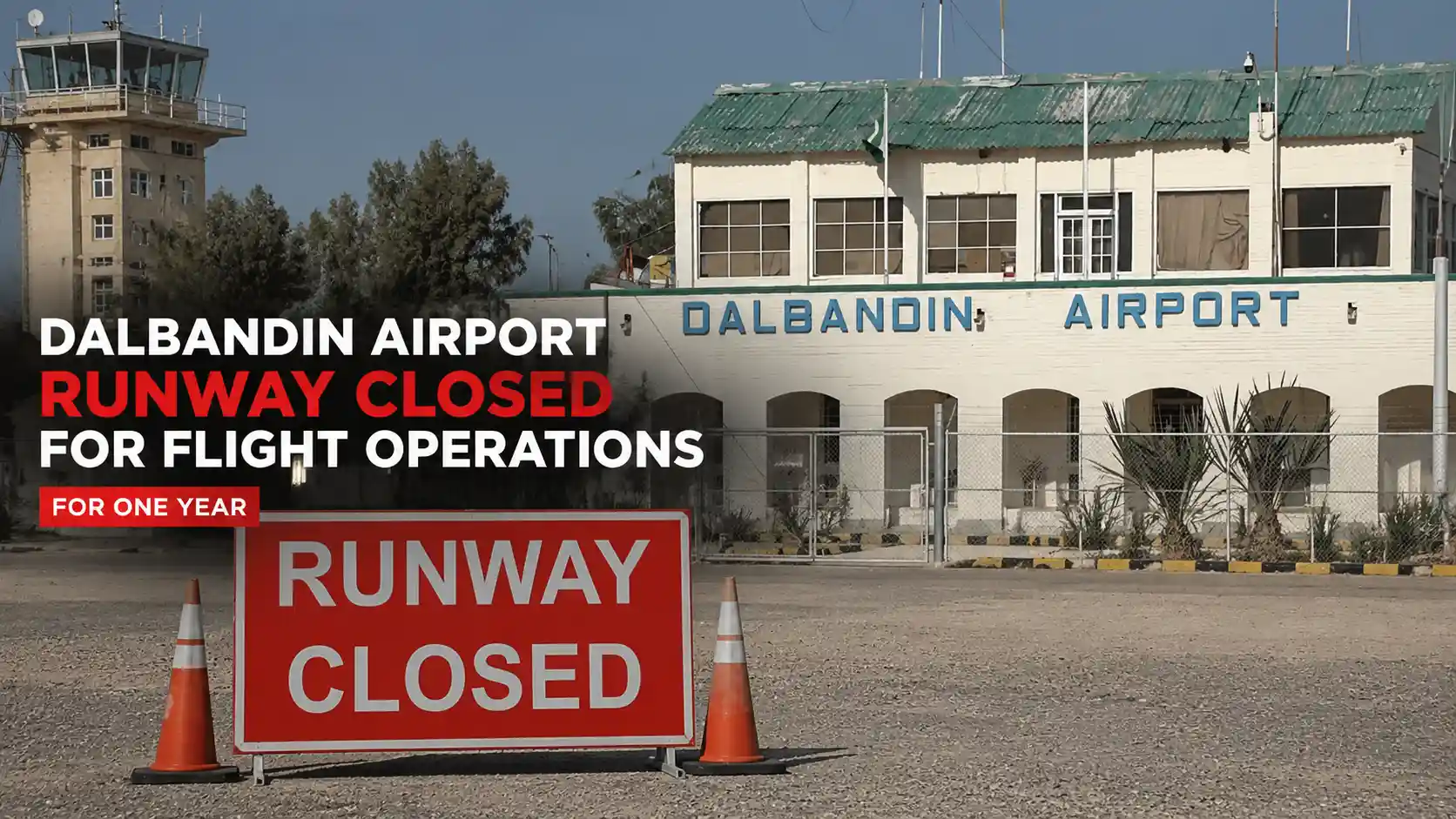
Dalbandin airport runway closure marks a significant turning point for aviation in the region. This announcement has invoked widespread discussion regarding the implications for local transportation, economic activities, and overall accessibility. Being a key transport hub in Balochistan, the runway’s unavailability for an entire year raises various concerns and questions from all stakeholders involved. For many, the absence of a functional runway implies challenges not only in aviation but also in trade, tourism, and healthcare access that depend on timely air travel. This blog will delve deeper into the ramifications of the Dalbandin airport runway closure and explore potential solutions and impacts on the community.
Overview of the Dalbandin Airport
Dalbandin airport has served as a crucial infrastructure component in Balochistan, providing connectivity to various regions in Pakistan and beyond. Established in the late 20th century, the airport is located approximately 16 kilometers from the city of Dalbandin, making it an accessible transport hub for local populations. The airport is primarily utilized for domestic flights, facilitating journeys to major cities like Karachi and Islamabad.
Besides its passenger services, Dalbandin airport also supports cargo operations, thus playing an essential role in the regional economy. Local businesses often rely on the airport for shipping goods, making the runway’s impending closure particularly troubling. In summary, the airport stands not only as a means of transport but as a lifeline for economic activities in the region.
As demands for air travel increase due to population growth and business openings, the significance of Dalbandin airport is expected to rise even further. This situation makes the decision to close the runway for a year even more impactful.
Beyond its functional significance, Dalbandin airport holds symbolic importance for the local community. It represents a gateway to opportunity and development in an area often characterized by limited resources. The closure, therefore, is more than a logistical inconvenience; it is a pause in the community’s collective aspiration for progress and connectivity.
In recent years, Dalbandin airport has seen efforts to enhance its infrastructure to accommodate growing needs, including minor expansions and technological upgrades. These efforts reflect a commitment to aligning with national transportation goals and ensuring the region’s continued integration into Pakistan’s broader economic framework. The upcoming upgrade phase is a necessary step in realizing the airport’s full potential.
Reasons Behind the Runway Closure
The decision for the Dalbandin airport runway closure is primarily rooted in safety and modernization concerns. Regular inspections and assessments of airport infrastructure have shown that the runway requires extensive repairs to meet contemporary aviation standards. The Pakistani Civil Aviation Authority (PCAA) has flagged these issues, emphasizing the need for comprehensive upgrades that can take up to a year to complete.
Moreover, safety remains paramount in air travel. Occasionally, localized weather events or negligible maintenance can further compromise runway operations. Running an airport with outdated facilities puts passengers’ lives at risk, which is why authorities have opted for this closure.
It’s not just the runway that requires attention; ancillary services, such as lighting, signaling systems, and terminal facilities, will also be upgraded. These enhancements are aimed at improving the overall aviation experience and maintaining a logistical chain as secure as possible for future travelers.
The need for technological advancements is another driving force behind the runway closure. Upgrades will ensure that the airport can handle increasing passenger volumes and adapt to technological shifts within the aviation industry. Implementing state-of-the-art navigation and safety systems forms part of these modernization efforts, ensuring that aircraft can operate under diverse conditions while guaranteeing passenger safety.
Additionally, the closure strategy aligns with global sustainable aviation practices, intending to use the downtime to introduce more environmentally conscious solutions. By incorporating renewable energy sources and reducing carbon emissions, the Dalbandin airport is poised to become a model of modern, sustainable infrastructure within the region.
Impacts on Local Communities
The closure of Dalbandin airport runway will have profound implications for the local communities that rely heavily on air travel. For residents who frequently travel for business, education, or family matters, this extended disruption will necessitate seeking alternative modes of transport, often leading to increased travel times and expenses.
Furthermore, the economic impact on local businesses is expected to be substantial. For instance, small enterprises relying on timely delivery of goods may face logistical challenges, affecting their operations and profitability. Businesses involved in tourism will also be affected, as the loss of air travel can deter visitors seeking to explore the natural beauty and culture of Balochistan.
Healthcare accessibility is another crucial concern; residents requiring urgent medical care often rely on air travel for specialized services not available locally. The increased time necessary to reach hospitals in major cities can result in complications and cause preventable health issues.
While the immediate consequences of the runway closure are significant, the community is also likely to experience longer-term sociocultural shifts. An increased reliance on road travel and other transport modes might foster stronger domestic ties as residents are drawn to local resources and networks. This realignment of social and economic patterns could encourage a reevaluation of local priorities, opportunities for community building, and resilience development.
The emotional toll on residents cannot be understated, as many individuals view air travel as essential for maintaining family connections and professional aspirations. The sense of isolation resulting from severely restricted access to national networks must be acknowledged and addressed through community support and innovative solutions.
Alternative Transportation Options
While the Dalbandin airport runway closure poses significant transportation challenges, it also compels the community to explore alternative options. Road travel will, for the most part, be the primary solution. However, roads in Balochistan do not always offer a reliable or safe means of travel due to varying conditions.
Public transport options such as buses and vans that connect Dalbandin to other major cities might serve as alternatives, but they may come with limitations, including infrequent schedules and overcrowded conditions. Thus, trying to catch a bus or van could prove frustrating and time-consuming, making it less appealing for individuals accustomed to the flexibility of air travel.
Moreover, the unpredictability of road travel including potential delays due to weather or road conditions might lead to less efficient journeys, ultimately impacting the livelihoods of those dependent on timely travels. There is also the issue of added costs: while flying is often more expensive upfront, road travel can lead to higher fuel and maintenance costs for private vehicles.
Redefining alternative transportation also entails considering regional rail services as a viable stopgap solution during the runway’s closure. An investment in rail infrastructure could present a sustainable travel option, relieving pressure on the existing road network while providing a reliable connection for businesses and travelers alike. The commitment to rail transport might even serve as a catalyst for longer-term transportation policies, promoting overall regional development.
On a more immediate level, local governments and transport companies could explore establishing temporary shuttle services or demand-responsive transport systems. These initiatives would ensure flexibility and reduce inconveniences for passengers needing access beyond the immediate area, especially within neighboring districts and key urban centers throughout the region.
Also Read This Article : Fresh Rain Spell Likely in Punjab, Islamabad: PMD
Economic Repercussions of the Closure
The economic repercussions following the Dalbandin airport runway closure are multifold. The immediate effects on air travel will likely ripple out to other sectors that depend on a stable transport network. Commerce, for instance, depends on logistical efficiency; delays in goods transport can lead to inventory shortages or surplus, which businesses must manage effectively.
The tourism sector may encounter sharp declines as travelers search for destinations with reliable flights. Local attractions might witness diminutive visitor numbers, ultimately impacting hotel businesses, restaurants, and local guides. Such losses can pose long-term challenges for a sector that offers job opportunities and fosters socio-economic development in Balochistan.
Additionally, regional industries like agriculture and mining may feel the strain. These sectors often rely on air transport to distribute their products quickly to external markets. Consequently, without the runway, any local industry depending on swift transport will face increased costs and decreased competitiveness. Overall, this closure threatens to stymie economic growth in an already underserved region.
Compounding these economic challenges is the potential for increased inequalities as larger businesses with diversified logistical frameworks experience less disruption compared to smaller, locally focused enterprises. This disparity could exacerbate existing economic divides, stressing the importance of targeted interventions aimed at supporting vulnerable industries during this challenging period.
Despite these setbacks, the financial implications may also prompt innovation. Businesses might explore alternative methods for resource optimization, including greater reliance on digital platforms for trade and communication. Such creative solutions may offer efficient means of maintaining commercial activity and cater to shifting consumer behaviors brought about by changing travel dynamics.
Potential Solutions for Air Connectivity
Addressing local concerns surrounding the Dalbandin airport runway closure may require immediate and innovative solutions. While the upgraded runway is essential for future functionality, there are interim measures that can counterbalance connectivity loss during this period. For instance, stakeholders could consider temporarily enhancing bus services and schedules to cater to the increased demand for road travel.
Engaging community leaders and local businesses in discussions could help identify specific transport gaps that require attention, creating a more collaborative response to the challenges posed by the runway closure.
Public-private partnerships could also provide a crucial link during this period. This collaboration can lead to investing in temporary air options, such as charter services, allowing for limited air travel to neighboring regions. This strategy can serve to alleviate some pressure while longer-term infrastructure upgrades are underway.
Long-term strategic planning might involve exploring partnerships that extend beyond purely transport-oriented initiatives, potentially fostering innovation within the logistics and transport sectors. For instance, introducing an integrated regional transport system that includes the alignment of air, road, and rail services can prioritize multimodal transport management and ensure cohesive infrastructure planning in anticipation of future demand.
Further options include leveraging digital technology to streamline transport services, providing real-time updates on available options, cost comparisons, and travel times to aid in seamless journey planning. Such platforms not only enhance user experience but also contribute toward overcoming logistical barriers that frequently disrupt travel efficiency.
Public Reaction and Concerns
Community response to the Dalbandin airport runway closure announcement has been one of discontent, with many citizens expressing concerns about the economic ramifications. Fear of losing jobs related to the airport and its supplementary operations has been a significant worry, as many individuals depend on local employment tied to aviation and tourism. Activists have started discussions regarding the need for expanded transport alternatives and strategic planning for the runway upgrade period.
Concerns have also been raised about the potential for increased road traffic accidents stemming from higher dependence on road travel. The need for additional safety measures, including better road infrastructure and potential police presence, has entered public discussions. Engaging the government and local agencies in addressing these concerns might lead to more informed and safe travel systems.
Social media platforms have also seen increased activity, with citizens expressing their frustrations and suggestions. These platforms can serve as outlets for voicing opinions and mobilizing community action to advocate for effective solutions. By channeling these concerns positively, the community can work toward a collective approach to mitigating the adverse effects of the airport closure.
Public dynamics have also resulted in grassroots movements advocating for transparency and inclusivity in transportation planning. Stakeholders’ commitment toward community engagement and participatory decision-making processes can enable the community to have a voice in the future of transportation in their region.
Importantly, there is also dialogue surrounding environmental implications, transforming public concerns into opportunities for informed environmental stewardship. Encouraging broad-based discussions on topics like emission reduction and eco-friendly alternatives might promote widespread buy-in for innovative solutions that enhance sustainability.
Looking Forward: Future of Dalbandin Airport
The closure of the runway at Dalbandin airport is a call to action for future planning. It highlights the necessity for investment in airport infrastructure to ensure it meets the demands of modern travel. Long-term planning for maintenance, upgrades, and expansions should be prioritized as part of a broader transportation strategy that aligns with the region’s growth.
Moreover, the situation presents an opportunity for stakeholders to explore alternative transport modes that complement and eventually enhance the region’s overall connectivity. Collaborative efforts among governmental, private, and community entities may facilitate discussions on sustainable practices to employ during and after the upgrade phase.
In the long run, despite the current setbacks imposed by the Dalbandin airport runway closure, diligent planning and investment can put the airport back at the forefront of regional connectivity and safety. The lessons learned from this challenging period can serve as a guiding framework for future improvements.
Embracing technological advancements, including digital traffic management systems and advanced airport operations software, may facilitate seamless integration with national and international transport networks. These developments could enable Dalbandin airport to serve as a hub for economic innovation, academia, and industry within a rapidly changing global landscape.
The runway upgrade models an opportunity for insights into broader socio-economic trends in transportation, spurring interest in interdisciplinary research, policy engagement, and regional development initiatives. The outcome of this extensive exercise will demonstrate the power of collaborative action, serving as a testament to the region’s resilience in the face of adversity.
Conclusion
In summary, the Dalbandin airport runway closure will undoubtedly affect various sectors within Balochistan. From economic impacts to increased travel challenges, the local community is bracing for a year of significant transformation. While the upgrade is a necessary component for ensuring safer air travel in the future, immediate solutions need to be evaluated to minimize disruptions.
Engaging with local stakeholders, identifying transport alternatives, and fostering public dialogues will be instrumental during this transition period. It is vital that both the local government and citizens work hand-in-hand to navigate these challenges effectively. By looking towards the future, we can ensure that the Dalbandin airport emerges stronger than before and continues to serve its critical role in connecting Balochistan with the rest of the country.
Frequently Asked Questions
Why is the Dalbandin airport runway closed?
The Dalbandin airport runway closure is primarily due to safety concerns and the need for extensive upgrades to meet modern aviation standards.
How long will the runway be closed?
The Dalbandin airport runway is set to be closed for one year, during which significant renovation work will be undertaken.
What will be the impact on local businesses?
Local businesses heavily rely on the airport for transport. The Dalbandin airport runway closure may lead to delays in goods transport, hampering commerce and tourism.
Are there alternative travel options during the closure?
Yes, residents will need to utilize road travel or public transport, although these options could be more time-consuming and less efficient than air travel.
What future steps are planned for Dalbandin airport?
Post-upgrade, Dalbandin airport aims to improve safety and operational efficiency, ensuring it meets the growing demands of air travel in the region.




 Muhammad Abdullah |
August 10, 2026
Muhammad Abdullah |
August 10, 2026