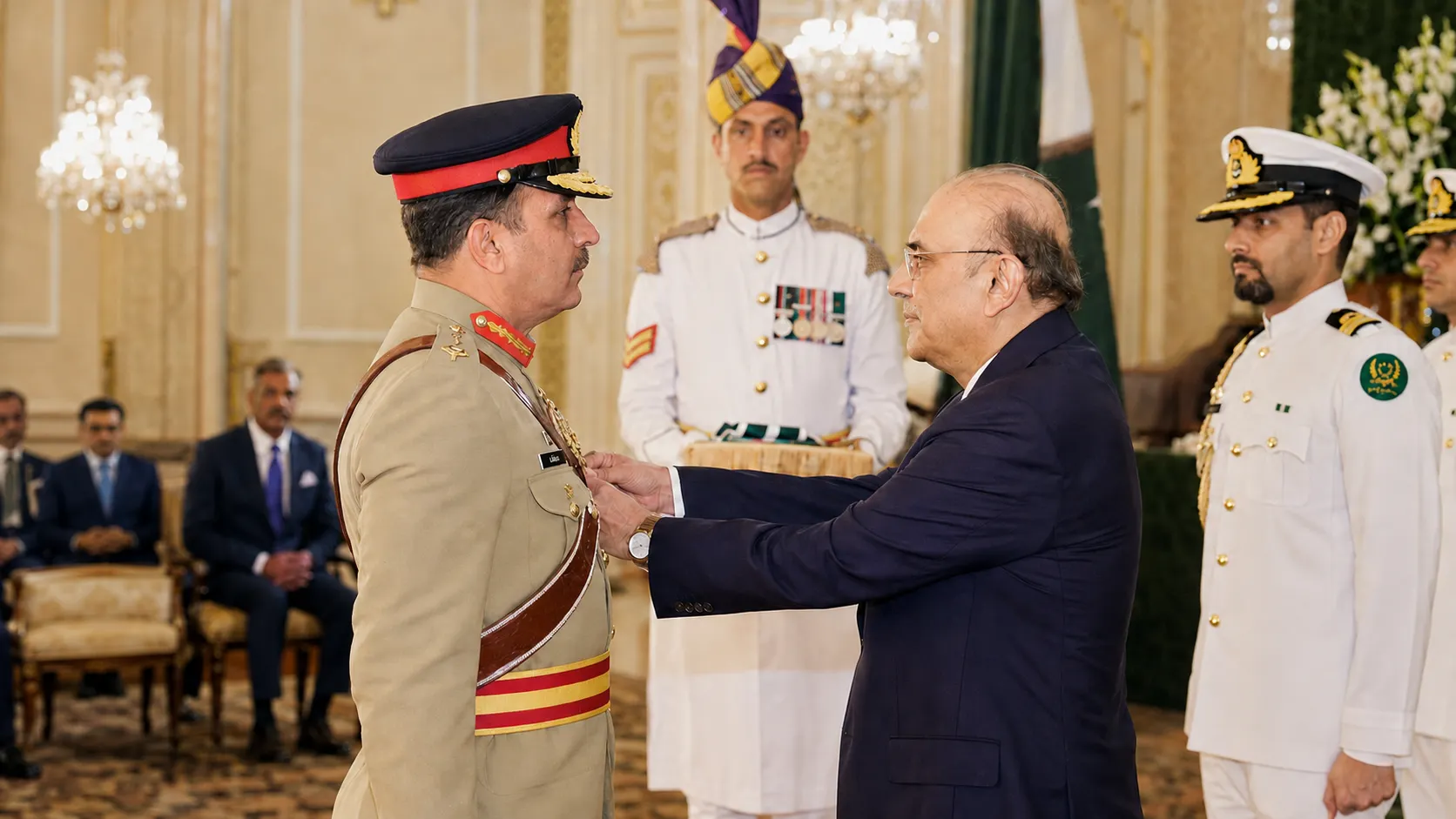
Nishan-e-Imtiaz Gen Raza was recently conferred by President Asif Ali Zardari at a grand ceremony held at the Aiwan-e-Sadr. This prestigious honor not only acknowledges General Raza’s commendable service in the military but also reflects the broader commitment of Pakistan’s leadership to recognize dedication and hard work in the defense sector. The Nishan-e-Imtiaz is the highest civil award given to individuals for their significant contributions to various fields, including military service, and its presentation is a momentous occasion that deserves detailed exploration.
Nishan-e-Imtiaz: Significance and History
The Nishan-e-Imtiaz has a long history of being awarded to those who have made exemplary contributions to Pakistan. Established in 1957, it embodies the spirit of dedication and excellence. This award is not solely restricted to military personnel; it extends to artists, scientists, and those who have made significant contributions in various fields. The criteria for receiving the award are stringent, requiring not just service but also an impact that resonates across the nation.
One aspect that highlights the importance of the Nishan-e-Imtiaz is the way it serves to inspire future generations. Awardees are often seen as role models, showcasing what can be achieved through hard work and commitment to a cause greater than oneself. The ceremony itself is a national event, attracting media attention and speeches from high-ranking officials, adding to its prestige.
In the context of the military, receiving the Nishan-e-Imtiaz crowns a decorated career. For General Raza, this award signifies not only his personal talents and dedication but also the importance of leadership that inspires trust and resilience within the ranks. This honor places him alongside other notable figures, enhancing his legacy and that of the military.
Moreover, the Nishan-e-Imtiaz serves as a bridge between the military and civilian sectors, representing a mutual appreciation of shared values and commitments. It strengthens the national resolve by recognizing that the defense of the country is not a solitary endeavor but a collaborative effort that transcends traditional boundaries.
General Syed Amir Raza: A Profile
General Syed Amir Raza is not just a name; he represents the epitome of resilience, strategic thinking, and leadership within Pakistan’s military framework. Rising through the ranks, General Raza has held various key positions in the National Strategic Command (NSC). His expertise in both military strategy and operational planning has been invaluable in addressing contemporary security challenges faced by Pakistan.
One of the hallmarks of General Raza’s career has been his commitment to professional development and modernization of the military. Recognizing that global threats are constantly evolving, he has been instrumental in spearheading initiatives that enhance national defense capabilities. This forward-thinking approach aligns well with the ethos of the NSC, which prioritizes strategic operability and preparedness.
General Raza’s leadership style also warrants attention. Known for fostering teamwork and empowering subordinates, his approach has led to high morale among troops. This is critical as military forces operate under incredible pressures, and effective leadership can make the difference between success and failure in crucial missions.
Additionally, General Raza’s tenure has been marked by significant diplomatic endeavors, where his ability to navigate complex geopolitical landscapes has further solidified his reputation as a versatile leader. His engagements with international counterparts have strengthened Pakistan’s position on the global stage, showcasing his ability to merge military acumen with diplomatic skills.
The Ceremony at Aiwan-e-Sadr
The ceremony held at Aiwan-e-Sadr, Pakistan’s presidential palace, was a fitting backdrop for such an important event. The Aiwan-e-Sadr, with its historical significance, often plays host to momentous occasions reflecting the country’s values and aspirations. A ceremony of this magnitude not only honors the recipient but also reinforces the government’s vision for national integrity.
President Zardari’s presence adds a layer of seriousness and respect to the event. His remarks during the ceremony emphasized the need for strong leadership in the military, especially in today’s volatile global security environment. By highlighting General Raza’s achievements, Zardari illustrated the importance of recognizing those who dedicate their lives to public service.
The guest list was replete with dignitaries, military officials, and family members, all underscoring the communal appreciation for General Raza’s contributions. The emotional responses from attendees serve as a reminder of the human aspects tied to military service sacrifices, family support, and a deep-rooted sense of duty.
The meticulous organization of the ceremony showcased an underlying respect for tradition and protocol, highlighting the importance of such events in fostering unity and national pride. The blend of solemnity and celebration illustrated how deeply personal and national narratives intertwine in moments of recognition.
Implications for National Security
Awarding the Nishan-e-Imtiaz to General Raza carries far-reaching implications for Pakistan’s national security strategies. It signals recognition of the pivotal role that military leadership plays in shaping the country’s defense architecture. In a world marked by growing threats from terrorism to regional instability having capable leaders at the helm is more crucial than ever.
Moreover, the acknowledgment of efforts by individuals within the military reflects a broader understanding by the government of the importance of morale within the armed forces. A well-recognized leadership fosters trust and unity among troops, essential for maintaining a robust defense posture. The pace at which the security landscape is changing necessitates continuous investment in leadership; General Raza embodies this ethos.
Finally, such honors can serve to motivate other military personnel. Aspiring officers may view General Raza’s accomplishments as a benchmark, thus stimulating them to enhance their capabilities and performance in service to the nation. This cascading effect of recognition can yield significant benefits in operational efficiency and effectiveness across the military.
The careful selection and recognition of leaders like General Raza resonate beyond immediate military circles and influence civilian perceptions of the military’s role in society. It strengthens public trust and reinforces the narrative of national unity in the face of external pressures.
Also Read This Article: Senate Panel Orders Action on Medical Seats: A Closer Look
Challenges Facing the Pakistan Military
While the recognition of leaders like General Raza is a positive stride, it does not deter the multifaceted challenges faced by the Pakistan military today. From battling insurgency to geopolitical tensions, the military is continually operating in a climate of unpredictability. Acknowledging individual contributions is critical, but addressing systemic issues remains paramount.
One challenge is resource allocation. Despite the commendable leadership, the armed forces often grapple with limited budgets, which affect their operational readiness and capability enhancements. These constraints can impede the military’s ability to respond effectively to emerging threats. Thus, a concerted effort from the government to increase funding and support for military initiatives is essential.
Furthermore, the dire security landscape necessitates adaptability and innovation. As threats evolve, so too must the strategies and technologies used to confront them. Leaders like General Raza can drive these transformations, but there also needs to be a broader culture of flexibility and responsiveness ingrained at all levels of the military hierarchy.
The integration of technological advancements into military operations represents another crucial frontier. Embracing innovations such as cyber defense mechanisms, advanced surveillance technologies, and modernized logistical support systems will be key for sustainability and success.
Understanding Military Awards and Recognition
Military awards serve an essential purpose in recognizing individual and collective contributions to national security. The Nishan-e-Imtiaz is among the highest forms of this recognition in Pakistan, but many other awards also exist. Understanding their significance helps highlight the values that shape military culture.
Types of military awards range from medals for valor displayed in battle to those given for long-standing service. The process for receiving these awards typically involves thorough vetting to ensure that the achievements meet stringent criteria. This rigorous process is vital in maintaining the awards’ integrity and meaning.
Furthermore, military awards often have profound psychological impacts on both the recipients and their peers. For many, they symbolize acknowledgment of sacrifices and labor, reinforcing a collective identity among service members. As seen in the case of General Raza, awards can elevate an individual’s status and serve as a source of inspiration for current and future military leaders.
Military awards transcend the realm of mere commendation, embedding themselves into the cultural consciousness and serving as pivotal references for the values and virtues the military holds dear. They craft narratives of bravery, resilience, and sacrifice that inspire collective appreciation and communal bonding.
Public Perception and Media Coverage
The Nishan-e-Imtiaz conferred on General Raza is a story that goes beyond military circles; it reverberates through society. The coverage of military awards shapes public perception of the armed forces and military leadership. High-profile ceremonies receive extensive media attention, portraying the military not only as a defense apparatus but also as an institution of national pride.
Media outlets often highlight personal anecdotes and achievements, creating relatable narratives that resonate with the populace. This can foster a sense of connection between civilian life and military service, making the military institutions more relatable to ordinary people.
Furthermore, positive media coverage helps create role models within the military. When figures like General Raza are celebrated, it encourages an appreciation for military service among youth, illustrating career pathways and aspirations that align with national service. Understanding the importance of strong military figures can galvanize public support for the armed forces and their strategic missions.
Media representation also challenges stereotypes and enhances public understanding of the complexities involved in military service. Through comprehensive storytelling, media can bridge the gap between armed forces and civilians, fostering empathy and morale across diverse societal segments.
What Lies Ahead for General Raza
With the Nishan-e-Imtiaz awarded to him, the future looks bright for General Syed Amir Raza. His path forward will likely include continuing to influence military strategies and national security frameworks. The recognition propels him into a more influential position, one where his contributions may be sought in critical decisions affecting the country.
Moreover, as the military landscape continues to evolve, Gen Raza may also serve as a mentor for upcoming military officers, guiding them through the intricacies of leadership in a modern context. This capacity-building role can ensure that the traits he exemplifies are passed down, fostering a new generation of capable leaders.
Importantly, General Raza’s reception of the Nishan-e-Imtiaz will catalyze discussions about military reform and modernization strategies. His experience and insights can contribute towards promoting institutional change that aligns various components of the military with contemporary challenges.
Engagement in policy formulation, international collaborations, and strategic advancements will likely characterize the next phase of General Raza’s career. His influence may extend beyond national borders, contributing to broader regional stability initiatives in collaboration with global partners.
Conclusion
The conferring of the Nishan-e-Imtiaz on General Syed Amir Raza reflects not only a personal achievement but also celebrates the broader commitment to acknowledging excellence in military service. It underscores the vital role that effective leadership plays in ensuring national security, especially as Pakistan navigates complex regional and global challenges.
General Raza stands as a symbol of hope, resilience, and dedication for the armed forces and the nation. His accomplishments and the honor bestowed upon him by President Zardari serve as a reminder that leadership, guided by principles of integrity and courage, can significantly impact the fabric of a nation’s defense apparatus.
Moving forward, this event will likely have lasting repercussions for public perception of military service in Pakistan. As a nation, it is essential to continue recognizing and celebrating the individuals who contribute tirelessly to protect the sovereignty and integrity of the state. In doing so, Pakistan reinforces its commitment to honor those who serve, inspiring future generations to follow in their footsteps.
Frequently Asked Questions
What is the Nishan-e-Imtiaz?
The Nishan-e-Imtiaz is Pakistan’s highest civil award, recognizing individuals for extraordinary service in various fields, including military service.
Who is General Syed Amir Raza?
General Syed Amir Raza is the current Commander of the National Strategic Command in Pakistan and has been awarded the Nishan-e-Imtiaz for his exemplary service.
When was the Nishan-e-Imtiaz awarded to General Raza?
General Raza was conferred the Nishan-e-Imtiaz during a ceremony held at Aiwan-e-Sadr, marking a significant moment in his military career.
What role does the military play in Pakistan’s national security?
The military is vital for Pakistan’s national security, addressing challenges that range from terrorism to geopolitical tensions, often requiring effective leadership embodied by figures like General Raza.
Why is recognizing military leaders important?
Recognizing military leaders like General Raza through awards like the Nishan-e-Imtiaz is crucial for boosting morale and inspiring future generations of military personnel.




 Muhammad Abdullah |
August 12, 2026
Muhammad Abdullah |
August 12, 2026