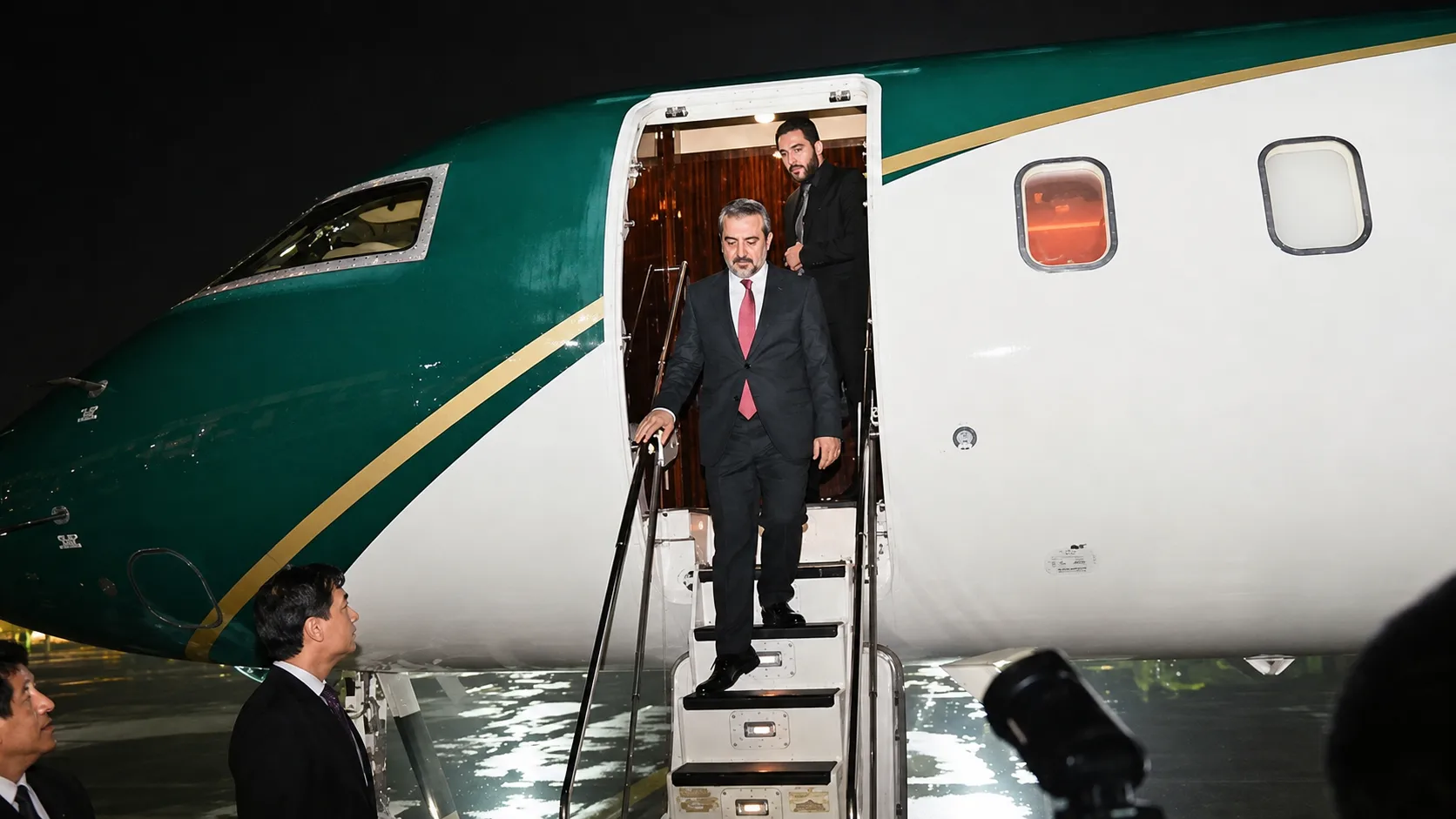
Syrian FM arrives in Islamabad reflects a new chapter in Syrian-Pakistani relations. The two-day official visit by Asaad Hassan al-Shaibani signifies a critical diplomatic advancement, especially given that it marks the first time a Syrian foreign minister has traveled to Pakistan in almost twenty years. This visit becomes even more significant in the context of the recent political transitions in Syria and the evolving geopolitical landscape of the Middle East. As the global community focuses on rebuilding relationships and fostering dialogue, the arrival of the Syrian FM raises key questions regarding regional stability, bilateral relations, and the future of Syrian diplomacy on the international stage.
Background of Syrian-Pakistani Relations
The historical ties between Syria and Pakistan date back to the early years of Pakistan’s independence, characterized by camaraderie in the face of shared challenges. Over the decades, diplomatic engagements have ebbed and flowed, partially influenced by broader Middle Eastern politics. The Syrian Civil War further strained relations, as both countries found themselves on opposing sides of various geopolitical divides. With the Syrian conflict evolving and Pakistan’s strategic positioning becoming more nuanced, this visit represents an opportunity to recalibrate those relations.
In the backdrop of this visit, it’s essential to consider broader geopolitical dynamics influencing both nations. Syria has undergone significant turmoil, yet recent efforts to restore diplomatic ties, engage with various international actors, and seek economic partnerships highlight a shift in narrative. These efforts are reflective of a newfound recognition of Syria’s potential role in regional affairs which may serve as a catalyst for further regional integration.
Pakistan, too, has been reevaluating its foreign policy, seeking to strengthen ties with Middle Eastern nations to bolster its regional influence and economic stability. This has included taking steps to diversify its alliances and pursue new opportunities for economic collaboration with countries like Syria, aiming to position itself as a pivotal player in South Asia and beyond.
Beyond politics, cultural connections have persisted over the years, with shared values and historical affinities. Promoting cultural exchange initiatives could facilitate a deeper understanding between the two nations, which may be a point of focus during the Syrian FM’s discussions in Islamabad. This shared cultural heritage offers a unique platform for enhancing mutual respect and forging stronger ties.
Implications of the Visit for Bilateral Relations
The arrival of the Syrian FM in Islamabad could pave the way for a renewed bilateral relationship grounded in mutual respect and cooperation. As both nations grapple with their unique socio-political challenges, there lies an opportunity to collaborate in areas such as trade, security, and cultural exchanges. Strengthening ties with Syria may allow Pakistan to leverage its strategic position in the region, providing a nexus between South and West Asian interests.
A key focus area in the discussions may center around economic cooperation. Syria’s attempts to rebuild its war-torn economy could benefit from Pakistan’s experience in various sectors, including agriculture, textiles, and technology. Joint ventures and investment opportunities could be on the agenda, providing mutual benefits while solidifying their diplomatic standing in their respective regions.
Moreover, the significance of this visit goes beyond bilateral ties; it resonates within the framework of international relations, particularly as the United States and other Western nations recalibrate their approach to Syria. Pakistan’s stance may emerge as an important element in shaping the responses of regional players towards Syria, thereby enhancing Islamabad’s diplomatic portfolio.
Alongside economic considerations, education and technology sectors stand out as potential arenas for collaboration. Both countries can benefit from sharing expertise and resources, potentially resulting in joint educational programs and technological innovations, thus spurring economic growth and innovation.
Potential Areas for Cooperation
The potential for cooperation between Syria and Pakistan is vast. Both countries face challenges that can be mitigated through collaborative efforts. In the economic arena, initiatives aimed at trade liberalization could enable both nations to tap into each other’s markets effectively. Current trade barriers often hinder access to vital goods and services, but discussions aimed at establishing preferential trade agreements could stimulate economic growth.
Additionally, the ongoing situation in Syria presents numerous humanitarian challenges. Pakistan has often positioned itself as a nation willing to assist in humanitarian efforts, and this visit could present opportunities for Pakistan to offer support through aid and assistance programs. Coordinated efforts in addressing the refugee crisis could foster goodwill and strengthen mutual understanding.
On the security front, both nations are keen on addressing terrorism and extremism, which remain pressing concerns for Syria and Pakistan alike. Collaborative security strategies, intelligence-sharing, and joint military exercises could form a robust framework for increasing the overall stability of the region. Establishing an active security dialogue would benefit both nations as they confront these threats.
Furthermore, renewable energy and environmental conservation represent underexplored areas with high potential for cooperation. Investments in clean energy technologies and joint environmental conservation projects could not only help address pressing ecological issues but also enhance economic performance, offering long-term benefits and showcasing responsible governance.
Cultural Exchange and Soft Diplomacy
Cultural diplomacy plays a pivotal role in shaping perceptions and fostering goodwill between nations. By facilitating cultural exchanges, artistic collaborations, and educational partnerships, both Syria and Pakistan can nurture mutual respect and understanding among their populations. Initiatives such as student exchange programs or joint cultural festivals could underline the shared histories and values of the two nations.
Furthermore, artistic collaborations in film, music, and literature can create an impactful narrative of unity and cooperation, showcasing the beauty of both cultures and helping to bridge any historical divides. Such cultural initiatives would not only enrich the bilateral relationship but also promote people-to-people contact, which is essential to nurturing friendship and trust.
In a world where narratives are often shaped by media and politics, fostering relationships through cultural avenues can create lasting bonds that withstand the test of time. During the Syrian FM’s visit, leveraging the cultural realm might be discussed as a tool to deepen ties beyond mere political agreements.
Moreover, cultural and academic exchanges can pave the way for future leaders in both countries to understand and sympathize with each other’s contexts, promoting a generation of informed citizens who can build on the foundations set by their predecessors.
Also Read This Article : Imran Khan’s Health Issues escalated
The Role of Regional Powers
The geopolitical landscape of the Middle East has always been shaped by the interactions between regional powers, and the emergence of new partnerships can alter traditional alliances. The visit of the Syrian FM to Islamabad comes at a time when several regional alliances are being redefined, with various nations seeking to engage in diplomacies that prioritize national interests.
Saudi Arabia’s evolving relationship with Syria, along with Iran’s strategic role in the region, further complicates the dynamics affecting Syria and Pakistan. By aligning with Syria, Pakistan can position itself favorably amidst these shifts, potentially increasing its leverage in broader regional discussions related to trade, security, and counterterrorism.
Moreover, this visit might symbolize a diplomatic balancing act for both nations. With multiple external influences and pressures from global powers, cultivating a neutral stance on contentious issues may be a priority for both Syria and Pakistan. A dialogue that is focused on mutual respect and understanding could lay the foundation for constructive engagements moving forward.
Engagements such as this visit emphasize the importance of reimagining alliances in adaptable terms, potentially leading to unforeseen diplomatic innovations that could resonate for decades.
The engagement with regional players, focusing on economic development and security, provides a strategic advantage. Both countries can collaborate further in multilateral forums, influencing policy-making processes and ensuring that their voices are heard on the international stage.
International Reactions and Media Coverage
As the Syrian FM arrives in Islamabad, international reactions are noteworthy. Media coverage has spotlighted the diplomatic thawing between nations that were once distanced due to political disagreements and conflicts. Analysts from both countries are closely monitoring the visit, acknowledging its potential repercussions on regional politics.
Various international media outlets highlight the significance of this meeting, viewing it as a potential turning point in diplomatic relations. Observers suggest that the discussions could pave the way for further dialogues and collaborations among other regional players, emphasizing the urgency for peace and stability in the Middle East.
This visit may also serve as a platform for promoting a broader narrative of reconciliation and cooperation in the region. As countries seek to manage their respective national interests, international media portray this engagement as a commendable step towards building a peaceful milieu, essential for economic recovery and social development.
The potential for media collaboration and shared storytelling could serve as a buffer against misinformation, promoting clarity and transparency in international relations.
Challenges to Enhanced Cooperation
While there are promising opportunities for enhanced cooperation between Syria and Pakistan, challenges remain. The historical backdrop of mistrust, shaped by divergent political ideologies, continues to pose obstacles. Both nations will need to actively work to overcome these hurdles through transparent communications and constructive engagements.
Additionally, the fragility of the situation in Syria marked by ongoing unrest, economic disarray, and humanitarian crises adds an unpredictable dimension to this newly blossoming relationship. Pakistan’s own vulnerabilities, particularly concerning security issues, could be impacted by strengthening ties; thus, both governments will have to remain cognizant of these factors while pursuing collaborative initiatives.
Further complicating matters is the global political climate and the relationships both countries maintain with key global players. Pressure from certain western nations or diverging interests among regional powers could hinder progress. Therefore, establishing firm ground rules and common objectives will be necessary to navigate these intricate relationships effectively.
Beyond these challenges, grassroots engagement and fostering trust among citizens will be vital. Community-led initiatives and dialogue forums could help eliminate deep-seated distrust.
The role of third-party mediation could be explored to ensure that dialogues remain constructive and goal-oriented, dispelling concerns over cohesion and trust.
Looking Ahead: Future Prospects
As the Syrian FM returns home from Islamabad, the outcomes of this visit will likely serve as a keystone for future engagements. Should successful dialogues regarding economic cooperation, cultural exchanges, and security collaboration materialize, it could set a precedent for other nations to reevaluate their relationships.
The way forward will depend largely on the willingness of both countries to engage in continued dialogue and address the challenges head-on. The establishment of joint committees focusing on specific areas of collaboration could be a positive step towards building sustained partnerships.
Furthermore, both nations stand to benefit from taking incremental steps to build trust, laying the groundwork for long-term relations grounded in mutual benefit. The evolving political landscape is a dynamic component that will require both sides to remain adaptable, receptive to change, and proactive in their diplomatic pursuits.
To cement these future engagements, regular summits and interactions at various levels could help maintain momentum, ensuring that progress is both tangible and continuous.
This visit’s legacy could unfold in unexpected yet fruitful ways, opening doors for regional integration and cooperation that previously seemed unlikely or distant possibilities.
Conclusion
The historic visit of the Syrian FM to Islamabad exemplifies the evolving landscape of international relations and brings renewed hope for Syrian-Pakistani ties. With both countries now positioned to benefit from collaboration in various sectors, the time is ripe for meaningful engagement. This visit provides a platform for both nations to discuss shared challenges and opportunities, leading to a more cooperative relationship moving forward.
Cultivating a robust partnership will require a thoughtful approach, balancing national interests with regional stability. As the landscape continues to shift, the power dynamics in the Middle East and beyond will ultimately shape the successful outcomes of this visit. The Syrian FM’s discussions with Pakistani leadership could become a cornerstone for greater understanding, paving the way for enduring relations that transcend historical grievances and focus on constructive cooperation.
Ultimately, the effectiveness of this historic engagement will rest upon proactive diplomacy, clear communication, and a commitment to overcoming past grievances and forging new paths for collective prosperity.
Frequently Asked Questions
1. What is the significance of the Syrian FM’s visit to Islamabad?
The Syrian FM arrives in Islamabad represents a turning point in diplomatic relations between Syria and Pakistan, marking nearly two decades since such high-level engagement occurred. It is crucial for both nations to discuss cooperation on economic, cultural, and security fronts.
2. How has the relationship between Syria and Pakistan evolved over time?
While historical ties existed, political differences stemming from the Syrian Civil War strained relations. Recent efforts from both nations, including this visit, signify a potential thaw in their diplomatic interactions, providing new avenues for collaboration.
3. What areas of cooperation are expected to be discussed during the visit?
Key discussions may include economic partnerships, security collaboration, and cultural exchanges, highlighting the potential for mutual benefits and increased stability in the region.
4. What role does culture play in strengthening ties between the two countries?
Cultural exchange is a vital tool for fostering understanding and goodwill between the nations. Initiatives such as joint festivals, art collaborations, and educational programs could enrich the relationship and promote positive perceptions among the populace.
5. What challenges could hinder strengthened cooperation between Syria and Pakistan?
Challenges include historical mistrust, ongoing socio-political complexities, and external pressures from global powers. Both nations will need to navigate these hurdles through transparent communication and incremental trust-building efforts.




 Muhammad Abdullah |
August 20, 2026
Muhammad Abdullah |
August 20, 2026