






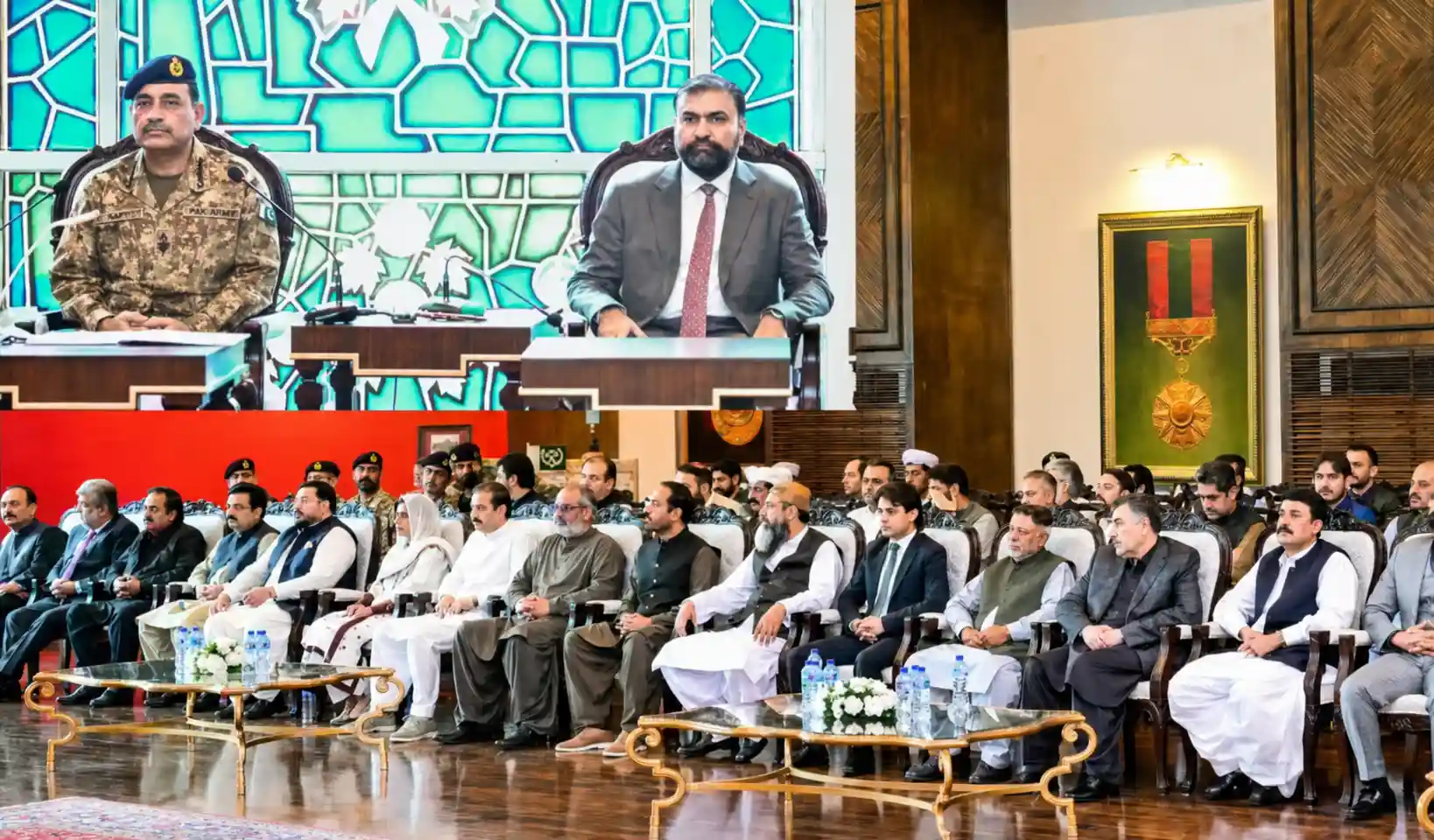

Foreign-sponsored proxies destabilising Balochistan have increasingly become a focal point of concern for Pakistan’s defense leadership. In recent speech, Chief of Defence Forces Syed Asim Munir addressed the critical need for a comprehensive strategy to counter hostile propaganda and to debunk false narratives surrounding this western province. The statement comes amid escalating tensions fueled not only by local unrest but also by external influences aiming to sap the region’s stability.
Balochistan, rich in natural resources and strategically positioned, has long been susceptible to various forms of external meddling, and these proxies are often used as tools to implement foreign agendas at the cost of local governance. This article will explore the implications of this statement, evaluate the historical context of proxy warfare in Balochistan, and analyze the multifaceted dynamics of regional security through the lens of recent developments.
Understanding Foreign-Sponsored Proxies Destabilising Balochistan
Foreign-sponsored proxies destabilising Balochistan can be seen as a tactical maneuver by external forces seeking to exert influence over Pakistan. These groups are generally armed factions that operate independently or in collaboration with foreign state actors. Their operations often take the form of insurgency, where local grievances are exploited to sow discord within the population. The historical backdrop of Balochistan reveals a pattern of external interference aimed at weakening the central government and fostering an environment of instability.
These proxies often capitalize on local discontent related to economic deprivation, lack of autonomy, and cultural discrimination. For example, many Baloch nationalists have long felt marginalized by Islamabad, leading to an environment ripe for external influence. Thus, foreign powers recognize that by supporting these factions, they can destabilize a nation without direct military intervention, manipulating local narratives to fuel unrest.
Understanding the complexity of the situation calls for examining the motivations behind foreign involvement. Economic interests, particularly in minerals and natural resources like gas and copper, play a crucial role. Foreign actors are not only after securing trade routes but also influencing regional geopolitics, making the destabilization of Balochistan a means to an end.
The proxies also take advantage of the tribal dynamics and historical rivalries within Balochistan. The tribal society’s complex structure provides both a shield and a platform for these groups to conduct their operations. Tribal allegiances can sometimes override national interests, allowing foreign actors to exploit these divisions. This situation underscores the need for a nuanced approach that considers ground realities while forging policy decisions.
Moreover, the socioeconomic landscape of Balochistan renders the province vulnerable to foreign manipulation. Despite being resource-rich, the region suffers from poverty, underdevelopment, and lack of infrastructure. Foreign agencies often exploit these vulnerabilities, turning local frustrations into fuel for their agendas and prolonging the complexity of the conflict.
The Role of Propaganda in Destabilization Efforts
In his remarks, Field Marshal Syed Asim Munir highlighted the equal importance of countering propaganda as part of efforts to fight against foreign-sponsored proxies destabilising Balochistan. Propaganda serves as a psychological tool to shape perceptions and instigate conflict. External actors often disseminate misinformation portraying Pakistan’s military and government in a negative light while romanticizing the actions of insurgents, thereby garnering sympathy for the so-called liberation movements.
The rise of social media has further facilitated the spread of these narratives. Platforms that allow for rapid dissemination of information can become platforms for disinformation. A case in point includes the portrayal of Baloch insurgents as heroes fighting for justice, which not only undermines Pakistani forces but also leads local youth to join their ranks, further complicating an already fragile situation.
Moreover, the impact of such propaganda is felt beyond Balochistan. This kind of misinformation can fuel divisions across Pakistan, inciting ethnic, sectarian, and social discontent that has long-term implications for national cohesion. The potential for conflict arising from these manipulated sentiments necessitates a robust countermessaging strategy that can not only challenge these narratives but also offer a more constructive viewpoint on the region’s development.
The psychological impact of propaganda is profound, as it aligns local sentiments with foreign objectives. By exploiting media platforms, these actors plant seeds of doubt and dissent among the population, eroding trust in centralized governance. Furthermore, digital misinformation campaigns can have broad implications, affecting international perceptions of internal security issues within Pakistan.
A comprehensive strategy to counter these efforts must involve media literacy campaigns aimed at educating citizens about recognizing disinformation. This involves training individuals to scrutinize sources critically and fostering collaborations with tech companies to stem the spread of false information. Cultural counters that highlight Baloch heritage and promote narratives of unity could serve as tools in reclaiming the narrative from external manipulators.
Historical Context: Balochistan’s Turbulent Past
To understand the challenges currently facing Balochistan, it’s important to consider the historical context of foreign-sponsored proxies destabilising Balochistan. The roots of the current unrest can be traced back to various socio-political factors, including unresolved historical grievances over autonomy and resource utilization. The region has a long history of insurgencies and external influences that have sought to manipulate local factions to achieve strategic objectives.
In the early 20th century, Balochistan was incorporated into Pakistan through a controversial process that left many local leaders feeling shortchanged. This historical injustice has created resentment that continues to resonate in modern times. Over the decades, this discontent has been exacerbated by economic disparities and heavy-handed governmental policies that often exacerbate local grievances rather than address them.
The separatist movements that emerged in the late 20th century have often received varying degrees of support from foreign actors, primarily India and Afghanistan. Their involvement has sometimes positioned these insurgencies as part of larger geopolitical rivalries, turning local struggles into international issues. Understanding this historical backdrop is crucial in addressing the contemporary problems as it highlights the complexity of resolving conflicts that have deep-rooted causes.
The economic exploitation of Balochistan’s resources has further stoked historical tensions, contributing to the sense of marginalization. Major infrastructural projects initiated without significant input or benefit to local populations have aggravated feelings of disenfranchisement, furthering the cause of separatism. As such, addressing these grievances requires a deliberate balancing act of addressing past wrongs while focusing on current realities.
Furthermore, the tribal makeup of Balochistan has historically contributed to international actors’ ability to sow discord. Divisions between different tribes or within tribes themselves have often been exploited by those wishing to destabilize the region. Despite these challenges, the region also offers rich opportunities for cultural celebration and unity that can be leveraged to counter these divisive tactics.
The Implications of Recent Developments in Defense Cooperation
In light of recent discussions about foreign-sponsored proxies destabilising Balochistan, it is essential to explore the implications of defense cooperation agreements between Pakistan and its allies, such as the one signed with Congo. These collaborations are aimed at boosting military capabilities and fostering a united front against various forms of insurgency that threaten national security.
The defense cooperation agreements not only enhance military readiness but also provide a platform for intelligence-sharing, strategic partnerships, and enhanced training opportunities specific to counter-insurgency operations. Such collaborations can potentially improve operational effectiveness against proxies operating within Balochistan, allowing for a more coordinated response to counteract these threats. As these alliances grow stronger, Pakistan can expect a more comprehensive approach to security that includes using advanced technology in surveillance and operational planning.
Furthermore, by deepening these partnerships, Pakistan can counterbalance the influence of foreign actors attempting to destabilize the region. Such actions demonstrate a commitment to regional security and the importance of collective defense in an increasingly complex geopolitical landscape.
Military collaborations could also extend to humanitarian assistance, demonstrating commitment to not just military might, but also to human security. By engaging in joint training exercises, Pakistani forces can adapt strategic doctrines from allies, refining methods in line with international best practices.
Additionally, exporting military expertise and participating in multinational exercises bolster Pakistan’s image as a committed and cooperative actor in international defense circles. This not only enhances security prospects but creates diplomatic synergies that can be leveraged for long-term peace and stability in Balochistan.
Also Read This Article : PIA Selects New Chief IT Officer as Restructuring Efforts Continue
Exploring Civil Society’s Role in Countering Proxy Warfare
While military responses are essential, they cannot be the sole answer to the challenges posed by foreign-sponsored proxies destabilising Balochistan. The role of civil society is paramount in shaping narratives that counter the prevailing negative propaganda. Initiatives aimed at fostering inclusivity, economic development, and addressing local grievances are crucial in eradicating the root causes of unrest.
Civil society organizations can serve as mediators between the government and local populations, facilitating dialogue that aims to build trust and mutual respect. Such forums can provide valuable insights into the concerns of local communities, allowing policymakers to tailor their strategies effectively. Empowering local leadership and engaging youth in constructive activities can reduce the allure of extremist ideologies that often place foreign-sponsored proxies at the forefront.
Moreover, grassroots movements focused on education and awareness can help demystify the narratives served by propaganda. By equipping citizens with critical thinking skills to scrutinize information critically, communities become more resilient against manipulation and therefore strengthen the fabric of society against potential conflict.
Encouraging development projects that prioritize local input and address specific community needs is another critical approach. By securing buy-in from Baloch citizens, these projects can serve as symbols of cooperation and reconciliation. Local ownership of developmental agendas reduces the likelihood of them being painted as tools of external control or exploitation.
Civil society should also orchestrate community forums and workshops to facilitate open dialogue between various ethnic groups. By encouraging intercultural engagement, these forums can diminish preconceived biases and foster understanding, creating a collaborative environment that resists external interference.
The Economic Dimensions of Conflict in Balochistan
The economic landscape of Balochistan plays a crucial role in the ongoing struggle against foreign-sponsored proxies destabilising Balochistan. The region is endowed with vast natural resources, including gas, coal, and mineral deposits, which have sparked both local and international interests. However, the lack of equitable resource distribution has been a catalyst for resentment among the local population.
The extraction and management of these resources have often been marred by accusations of exploitation from both the central government and foreign corporations. This exploitation not only leads to financial inequalities but also exacerbates local grievances, making the region fertile ground for insurgent activities supported by external forces.
Addressing economic disparities is central to mitigating conflict in Balochistan. This requires a holistic approach involving investment in infrastructure, education, and job creation that directly benefits the local population. By fostering economic stability and growth, the allure of joining insurgent movements for economic betterment can be diminished, thus addressing one of the root causes of ongoing unrest in the region.
Job creation initiatives targeted at young people in Balochistan can serve as an effective counter-narrative to that offered by insurgents who may attract followers through promises of economic betterment. Providing practical skills training readily deployable within Balochistan’s unique economic context is crucial and should be prioritized.
Additionally, promoting local entrepreneurship by loosening regulatory hurdles could facilitate a more dynamic regional economy. This empowerment of local business fosters a sense of ownership over regional prosperity, reinforcing allegiance to developmental objectives set by local actors over foreign-sponsored insurrections.
Addressing Security Challenges with Technological Advancements
The implementation of advanced technologies is essential for effectively countering the foreign-sponsored proxies destabilising Balochistan. As insurgent tactics evolve, military responses must also adapt to maintain efficacy. Innovations in surveillance, intelligence-gathering, and battlefield technology can enhance operational capabilities against proxy forces.
Employing advanced surveillance systems like drones for reconnaissance can provide overarching insights into insurgent movements and allow for timely interventions that minimize casualties. These technological tools can also extend to cyber operations aimed at countering online propaganda efforts that seek to mislead public opinion regarding the conflict.
Additionally, data analytics can aid intelligence agencies in identifying patterns and trends related to insurgent activities, thereby facilitating proactive measures. Civil-military partnerships focused on technology integration can ultimately enhance security operations in Balochistan, making these measures a critical part of future defense strategies.
The utilization of artificial intelligence to predict and preempt insurgent attacks can also be pivotal. Machine learning models can process past incidents and surveilled data to flag potential threats before they materialize, offering a crucial edge in the fight against proxies.
Virtual Reality (VR) and Augmented Reality (AR) based training for military personnel can improve preparedness by offering realistic simulations of conflict scenarios. This training empowers personnel with experience they can leverage during actual operational engagements, keeping them ahead of evolving adversarial tactics employed by foreign-sponsored proxies.
International Perspectives on Balochistan’s Stability
International opinions regarding the stability in Balochistan reveal a complex viewpoint shaped by geopolitical considerations. Various global stakeholders manifest differing interests in the region, influencing their positions regarding Pakistan’s internal conflicts. For example, certain Western powers may emphasize human rights concerns while simultaneously pursuing their strategic objectives against rival nations.
China’s investments in the China-Pakistan Economic Corridor (CPEC) signify their interest in ensuring stability in Balochistan to safeguard these economic ventures, thus seemingly siding with Pakistan on regional security. Meanwhile, India often seeks to highlight the region’s instability as evidence of Pakistan’s internal failures, further complicating the efficacy of international dialogue on the issue.
Understanding these varied international perspectives is essential for Pakistan as it navigates the complexity of its regional security environment. Diplomatic efforts that focus on fostering cooperation among nations can dilute external influences and lead to a more stable Balochistan that reflects the will of its inhabitants rather than being used as a pawn in global geopolitics.
Regional organizations, including the United Nations and South Asian Association for Regional Cooperation (SAARC), could also play roles in mediating disputes that contribute to Balochistan’s instability. By promoting dialogue based on mutual interests, these bodies could build platforms for peace negotiations that are equitable and attentive to the region’s unique context.
The influence of superpowers such as the United States and Russia, who seek a foothold in South Asia, further adds layers of complexity to the dynamics. By engaging in transparent and open dialogues with these powers, Pakistan can neutralize unilateral attempts to deploy proxies and foster policies of mutual respect rather than unilateral aggression.
Conclusion: A Path Forward for Balochistan
Addressing the challenges posed by foreign-sponsored proxies destabilising Balochistan requires a multi-faceted strategy that includes military, economic, and societal elements. Field Marshal Syed Asim Munir’s emphasis on countering hostile propaganda represents a critical starting point in addressing this issue. As Pakistan enhances its defense capabilities through international cooperation, it must equally invest in strategies that promote economic development and engage local communities. The complexities of Balochistan’s issues cannot be resolved through force alone; a comprehensive approach involving dialogue and reform is necessary.
Moreover, addressing economic disparities and investing in technology are vital components that can reshape the landscape of conflict in Balochistan. By prioritizing local needs and fostering a sense of ownership among the Baloch people, Pakistan can work toward a more stable and resilient future. Through concerted efforts, both at the military and civilian levels, the goal of a peaceful Balochistan can transition from a distant hope to a tangible reality.
The importance of cultivating relationships within the international community cannot be underrated. By aligning with diplomatic norms and channels, Pakistan can build a coalition of supportive allies that share its vision for peace in the region. This stance requires open communication and a commitment to international norms, helping to enlist global support in its fight against foreign-sponsored proxies destabilising Balochistan.
Frequently Asked Questions
What are foreign-sponsored proxies destabilising Balochistan?
Foreign-sponsored proxies destabilising Balochistan refer to armed groups that are financially or militarily supported by external actors to create unrest and instability within the region. These proxies exploit local grievances to further their political agendas.
Why is propaganda important in this context?
Propaganda plays a crucial role in shaping public perception and sentiment around the conflict. By portraying local insurgents in a favorable light and the government unfavorably, external actors can manipulate narratives that fuel unrest.
How can Pakistan effectively counter foreign-sponsored proxies?
Pakistan can counter foreign-sponsored proxies destabilising Balochistan through military means, economic development, and effective public relations campaigns that aim to counter disinformation and promote national unity.
What role does local governance play in resolving unrest?
Local governance is vital in addressing the root causes of conflict by promoting community engagement, economic opportunities, and inclusive policies that recognize the diverse needs of Balochistan’s inhabitants.
What are the implications of international defense cooperation for Balochistan?
International defense cooperation can enhance Pakistan’s military capabilities, enabling a proactive approach against foreign-sponsored proxies destabilising Balochistan. Such collaborations can also strengthen strategic alliances that contribute to regional stability.