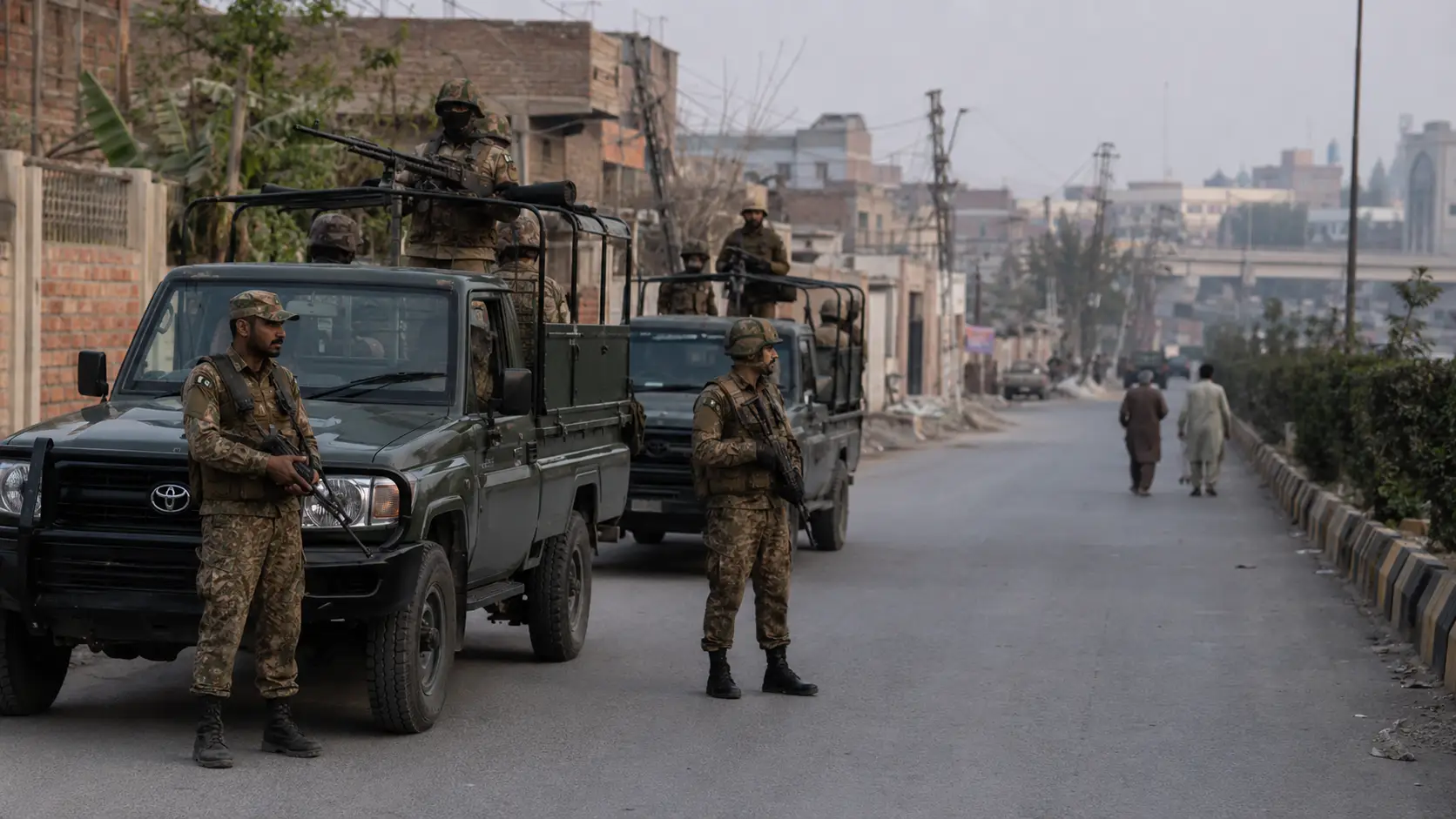
Currently, the Army deployed in Rawalpindi for six months has caught the attention of various stakeholders, both domestically and internationally. This significant military presence raises questions about security, political stability, and the broader implications for the region. As tensions rise due to multiple factors, the government has taken this step to ensure the safety and security of its citizens while also maintaining order. Such a strategic military deployment is not without its consequences, and it is vital to explore the context behind it, assess the historical backdrop, and speculate on what the future may hold. The last few months in Pakistan have been tumultuous, and such a long-term deployment does not occur without considerable justification.
Understanding the Context of the Army’s Deployment
The decision to have the Army deployed in Rawalpindi for six months stems from a convergence of political, social, and security challenges facing Pakistan today. With a population that is increasingly restless, demands for reform have intensified, compelling the government to take action. Many activists and political voices have been calling for greater accountability, effective governance, and an end to corruption. In a bid to address these pressing issues, the government believes that a prominent military presence in the city will help quell discontent and signal a commitment to maintaining order.
But the situation is more complicated than it appears on the surface. The political landscape in Pakistan has been marred by instability, resulting in frequent protests and civil unrest. In such a context, a military deployment can be viewed as both preventive and reactive. Critics argue that the visible presence of the Army may intimidate dissenters and obstruct the peaceful expression of democratic rights, while supporters contend it is a necessary measure to ensure the safety of citizens.
Moreover, this deployment reflects a broader trend in which the military has increasingly involved itself in civilian affairs. Historically, the armed forces have played a pivotal role in governance during periods of uncertainty, and their involvement in Rawalpindi is a potent reminder of this legacy. The implications of such actions can resonate across various sectors of society, impacting everything from civil rights to economic stability.
In addition to these core reasons, the deployment may also be seen as a strategic maneuver to showcase control over key urban centers. Rawalpindi, as part of the twin cities with Islamabad, holds a crucial position in terms of political symbolism. Ensuring its stability can be interpreted as a priority for the government in displaying its strength against dissent and potential threats.
The Historical Context of Army Deployments in Pakistan
To understand the current scenario, we must reflect on the history of military deployments in Pakistan. The nation’s history is replete with instances when the Army has stepped in to restore order in the face of civil unrest. The first major instance came in 1958, when General Muhammad Ayub Khan suspended the constitution and imposed martial law, setting a precedent for military intervention in civilian governance.
Since that time, there have been numerous coups and military orchestrated regimes, contributing to a culture where the Army’s role extends beyond security to grasping political power. A prominent feature of these interventions has been the justification of national security concerns, whether they stem from internal dissent or external threats. As a result, the Army deployed in Rawalpindi for six months may not simply be an isolated incident, but rather part of a continuum of military involvement in civilian matters.
The geographical significance of Rawalpindi as the garrison city of the Pakistani military further complicates matters. This location has historically been the heart of military operations, and the presence of the Army here can evoke memories of past conflicts. Those living in the vicinity are often caught between reverence and fear, as the Army’s role in civic life becomes more pronounced during times of crisis.
This pattern of military engagement has left an indelible mark on how governance is perceived within Pakistan. The recurrent reliance on military support in times of political upheaval often blurs the line between civilian leadership and military influence, complicating efforts toward establishing long-term democratic stability.
Security Concerns Prompting Military Action
The most immediate catalyst for the Army deployed in Rawalpindi for six months is the rise in security threats that have emerged from various quarters. The resurgence of militant groups, domestic terrorism, and sectarian violence has created a precarious situation, necessitating drastic measures. In recent years, urban centers have experienced an uptick in incidents that challenge the state’s authority, prompting fears that such unrest could spill over and destabilize more regions of the country.
This precarious environment has pressed the military’s hand in asserting more control to counter these threats. The Army’s deployment aims to conduct operations that gather intelligence and eliminate threats before they transition into full-blown crises. In many cases, this requires a show of force to signal the state’s resolve against internal and external enemies.
The government, therefore, finds itself in a paradox: while working to maintain civilian control, it must also ensure security. The presence of the Army serves to provide a visible deterrence against would-be insurgents while simultaneously attempting to reassure the public that their safety comes first. Moreover, this scenario leads to complex questions about civilian oversight of military operations and the extent to which the armed forces should play an active role in societal governance.
The deployment also underscores global security concerns, as Pakistan is geographically positioned at a crossroads of regional conflict and geopolitical interest. The potential transnational impact of instability from within Pakistan’s borders provides a framework by which the international community assesses the deployment’s necessity and potential repercussions.
The Societal Impact of Military Presence
The implications of having the Army deployed in Rawalpindi for six months extend beyond immediate security concerns and touch profound societal issues. The psychological toll on communities cannot be understated, as families grapple with the visible presence of military forces in their neighborhoods. While some citizens feel safer with soldiers patrolling the streets, others experience a sense of unease and mistrust towards the state apparatus.
This tension can exacerbate existing fissures in society, making it increasingly challenging to foster a sense of national unity. Different demographics within Rawalpindi may perceive the Army’s presence through lenses influenced by cultural, ethnic, or religious backgrounds. This complicates community cohesion and can lead to an atmosphere of division.
Furthermore, the civil-military relationship in Pakistan is fraught with complexity. On one hand, the military enjoys a level of popularity due to its perceived capacity to deal with issues that civilians have failed to resolve. On the other hand, this kind of reliance on military solutions raises concerns about the erosion of democratic norms and civil liberties. Thus, this deployment presents a dual-edged sword, empowering the military while potentially diminishing civilian influence.
The impact is also felt in the economic sphere, as military presence can influence business confidence. Companies may hesitate to invest in areas witnessing prolonged military deployment, wary of potential disruptions or the perception of instability.
Also Read This Article : Imran Khan’s Shifa Transfer Order Turns Into PIMS Controversy
Political Reactions to the Deployment
The decision to have the Army deployed in Rawalpindi for six months has sparked varying reactions within the political framework of Pakistan. Different political stakeholders have expressed divergent views on whether such a move is necessary or counterproductive to democratic ideals. Opposition parties, for example, have been vocal in their criticisms, equating military involvement in civilian affairs with an erosion of democratic practices.
Among the ruling parties, however, a more nuanced perspective can be observed. Some leaders argue that the military’s expertise is required in times of instability, while others caution against the long-standing precedent that favors military intervention as a solution. This divisive dialogue reveals the complexities underlying Pakistan’s political reality, showcasing the challenge of maintaining a balance between civil governance and military oversight.
Moreover, it’s important to note how such deployments can influence electoral politics. Candidates may leverage the Army’s presence to demonstrate their commitment to security and stability. Conversely, they may risk alienating voters who are wary of the military’s extensive involvement in governance. Thus, the political ramifications are multifaceted and could shape the future electoral landscape.
The political maneuvering extends to how policymakers craft their messaging, balancing reassurance aimed at citizens with transparency and accountability promises, to mitigate the overshadowing of democratic institutions by military influence.
The International Perspective on Military Presence
The deployment of the Army deployed in Rawalpindi for six months does not just have national implications; it also evokes interest from the international community. Neighboring countries and global powers closely watch Pakistan’s military actions, particularly given the complex geopolitical landscape in South Asia. Nations like India and Afghanistan gauge these military deployments through lenses of suspicion, as they could signal shifts in Pakistan’s defense posture.
Furthermore, international organizations often raise questions about human rights and the militarization of civic spaces. Reports of human rights violations during military operations can lead to international scrutiny and affect Pakistan’s relations with global partners. The military’s active involvement in civilian contexts may result in diplomatic ramifications and challenges in receiving aid or support from other nations.
Thus, Pakistan must navigate a delicate balancing act, ensuring that its security and military strategies do not compromise its international standing. The way forward involves careful consideration of how such deployments impact not just national security, but also foreign relations.
Additionally, the international reaction can be reflective of broader concerns, such as regional security dynamics and global peace-keeping norms, influencing dialogues in international forums related to security and human rights adherence.
Future Implications of Long-term Military Presence
The decision to keep the Army deployed in Rawalpindi for six months opens discussions about the long-term implications of such military presences. If the initial deployment is viewed as successful in curtailing dissent and restoring order, it may set a precedent for future military interventions under the guise of security concerns. This raises concerns about a normalizing trend where military deployments become standard responses to civilian unrest.
Conversely, if the deployment fails to achieve lasting stability or escalates civil tensions, it could lead to a backlash against military involvement in governance. Citizens may push for greater accountability and transparency regarding military actions, significantly influencing political discourse in the country.
In either case, the situation illuminates the fragile nature of Pakistan’s democratic institutions and civil rights. The emphasis on military involvement carries inherent risks not just for individual freedoms, but also for the integrity of political institutions. Therefore, the way the next six months unfold could profoundly impact Pakistan’s future trajectory.
This scenario also poses a critical challenge for policy architects concerning institutional reform, pushing for systemic evaluations where military and civilian sectors can coalesce within a framework of mutual respect and democratic fidelity.
Conclusion: Navigating Security and Democracy
The Army deployed in Rawalpindi for six months captures the ongoing struggle between the need for security and the aspiration for democratic governance. This deployment speaks volumes about the current state of affairs in Pakistan, reflecting the government’s prioritization of order over dissent in the face of rising tensions. The historical backdrop of military involvement in civilian affairs serves as both a cautionary tale and a point of reference for future actions.
As the military settles into this six-month deployment, its ramifications will be felt across society, politics, and international relations. The concerns regarding civil liberties, the political landscape, and societal divisions are layered challenges that come with such a significant military presence.
Moving forward, it’s crucial to monitor not just the outcomes of this deployment, but also the conversations surrounding it. Public discourse must remain robust and critical, engaging with the complexities of security, civil rights, and the role of the military in governance. Ensuring a future where democratic norms can flourish alongside necessary security measures is essential for Pakistan and its people.
Frequently Asked Questions
Why has the Army been deployed in Rawalpindi?
The Army deployed in Rawalpindi for six months is primarily a response to rising security threats and civil unrest. The government’s aim is to maintain order and ensure public safety amid political and social tensions.
What are the implications of military deployment in a civilian area?
Military deployment in a civilian area can lead to heightened tensions and an erosion of civil liberties. It may also affect the dynamics of civil-military relations as citizens grapple with the balancing of security and democratic rights.
How does Pakistan’s history influence current military deployments?
Pakistan’s history of military intervention in civilian governance shapes current perceptions and reactions to such deployments. The legacy of military rule complicates public trust and expectations in democratic processes.
How is the international community reacting to the deployment?
The international community is closely monitoring the Army deployed in Rawalpindi for six months, considering potential implications for regional stability and human rights. Global powers may respond with both support and criticism based on the outcomes of the deployment.
What does the future hold for military involvement in governance?
The future of military involvement in governance will depend on the effectiveness of this deployment in addressing security concerns. If it leads to greater civil unrest, it may provoke calls for less military involvement in civilian affairs.




 Muhammad Abdullah |
August 22, 2026
Muhammad Abdullah |
August 22, 2026