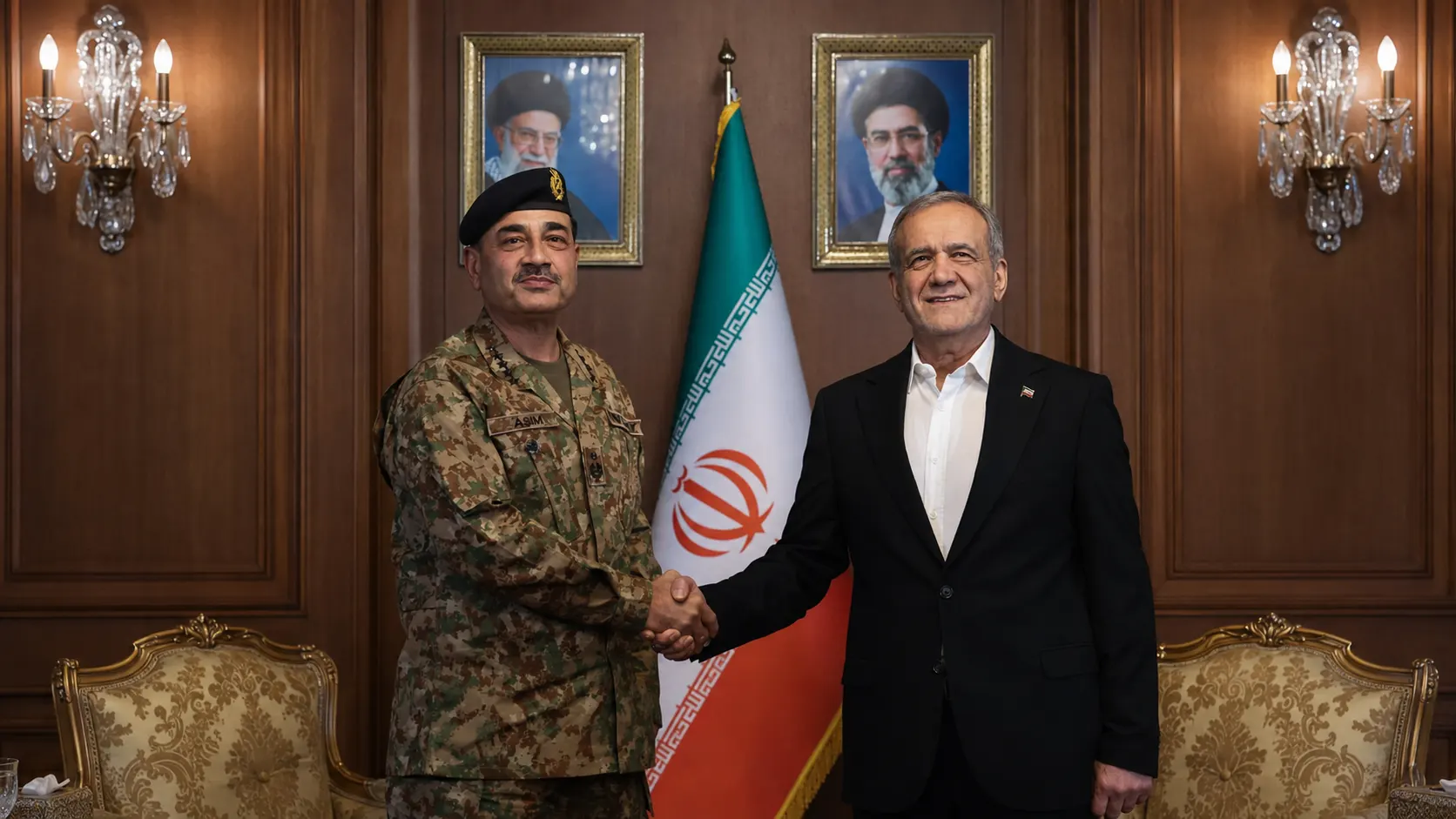
Field Marshal Asim Munir arrives in Iran, signaling a critical juncture in Pakistan-Iran relations. His visit comes at a time when both nations face numerous geopolitical challenges. This meeting aims to explore avenues for enhanced cooperation and security. Understanding the broader implications of this visit requires delving into the historical context of Pakistan-Iran relations, the current geopolitical landscape, and potential future collaborations. Asim Munir’s role as a military leader is pivotal, not only in Pakistan but also in shaping cross-border dynamics in a region often fraught with tension. His diplomatic engagements have the potential to redefine alliances and foster peaceful coexistence.
Historical Context of Pakistan-Iran Relations
The historical ties between Pakistan and Iran have evolved through various phases. Initially bonded by cultural and religious affinities, the relations have oscillated due to political developments and external influences. In the immediate post-partition era, both countries shared mutual interests, capitalizing on their Islamic identity to foster connections. However, lingering tensions emerged following the Iranian Revolution of 1979, leading to a recalibration of alliances.
Throughout the 1980s and 1990s, both nations grappled with internal disturbances and external pressures that influenced their bilateral ties. The instability in Afghanistan, influenced by the Soviet invasion, also played a significant role in shaping Iran-Pakistan dynamics. In the 21st century, as global power shifts have occurred, both countries have sought to redefine their relationship considering economic and strategic imperatives.
Field Marshal Asim Munir’s visit is essential in this historical context, as it reflects an ongoing effort to bridge gaps that have widened over the years. Leaders from both sides must navigate historical grievances while fostering a more coherent policy framework aimed at collaboration and mutual benefit.
Moreover, the multifaceted nature of historic connections between Pakistan and Iran is further underscored by their shared linguistic affinities. Persian influence on the Urdu language and a common cultural heritage have played subtle, yet impactful roles in their diplomatic exchanges. This shared past offers a platform to renew ties in a more enriched manner, drawing on deep-rooted societal connections. The historical perspective is not just a backdrop but a tapestry of interacting elements that shape diplomatic initiatives. Celebrating this shared heritage in cultural forums and academic exchanges may allow both nations to find common ground, fostering empathy and understanding among their populations.
The Current Geopolitical Landscape
The contemporary geopolitical environment in which Field Marshal Asim Munir arrives in Iran is characterized by complex challenges. Regional security dynamics are influenced by various elements, including rising tensions between major powers, ongoing conflicts, and shifting alliances. The United States’ foreign policy, increasingly focusing on China and its implications for South Asia, further complicates the landscape.
Moreover, the Afghanistan situation remains a focal point for Pakistan and Iran, with both nations pursuing stability in the aftermath of the Taliban’s resurgence. Border security, drug trafficking, and militant activities pose significant concerns for both governments. In enhancing dialogue, they can collaboratively address these challenges, thereby creating a more stable border region.
Energy security is another pivotal aspect of their relations, as Iran’s vast energy resources and Pakistan’s energy needs have historically created opportunities for cooperation. The Iran-Pakistan gas pipeline project stands as a testament to their economic interdependence, which Field Marshal Asim Munir may leverage in his discussions, given the pressing energy demands in Pakistan.
In addition, broader regional dynamics involving countries like India and China further add layers to the geopolitical environment. With India being a significant regional actor with its own set of relations with Iran, Pakistan’s diplomatic maneuvering must consider these complex interactions. The presence of China, with its investment in Pakistan through the China-Pakistan Economic Corridor (CPEC), also bears weight in the strategic decisions. The potential for Iran to engage in this corridor could redefine regional economic ties and further promote collective goals. Asim Munir’s visit, therefore, is not merely bilateral but potentially triangulated, with ripples felt throughout South Asia.
Enhancing Bilateral Security Cooperation
Security cooperation between Pakistan and Iran is crucial at this juncture. With both nations battling extremist elements and cross-border terrorism, a unified approach could yield significant benefits. The collaboration on intelligence sharing, border management, and military exercises could bolster their respective capacities to tackle such threats effectively.
Asim Munir’s military experience can provide a fresh perspective on establishing robust security frameworks that favor both nations. Joint efforts not only help in addressing immediate security concerns but also work toward long-term stability in the region. These interactions could also send a strong message to neighboring countries and external powers regarding their commitment to fostering peace and security.
The historical precedent for mutual security operations exists, and Asim Munir’s focus on transforming these operational frameworks into actionable strategies will be paramount for achieving tangible results. The success of such initiatives depends heavily on maintaining diplomatic channels and fostering trust among security apparatus on both sides.
Furthermore, innovative approaches to cyber-security cooperation and countering misinformation can enhance resilience against emerging threats. With increasing reliance on digital platforms and the pervasiveness of information warfare, joint technological efforts could act as a bulwark against these challenges. Emphasizing joint cyber exercises and workshops could enhance capabilities and encourage transparency a cornerstone for nurturing trust in sensitive areas of collaboration.
Implications for Regional Stability
The visit of Field Marshal Asim Munir arrives in Iran with implications that extend beyond merely bilateral relations. Regional stability is fundamentally influenced by the interactions between Iran, Pakistan, and their respective alliances. The balance of power in South Asia, particularly in light of India’s relations with both countries, is a critical aspect of the discussion.
A stronger Pakistan-Iran partnership can potentially alter the status quo and provide a counterbalance against perceived threats. Asim Munir’s discussions in Iran can chart a new course, particularly if they focus on common threats that undermine both nations’ security. From the perspective of regional actors, a stable partnership between these two nations may encourage other countries to reconsider their diplomatic and military strategies.
Field Marshal Munir’s emphasis on peace as a strategic objective signifies a recognition of the need to foster regional harmony. As both Pakistan and Iran are situated at the crossroads of significant trade routes, stability can also promote economic prosperity, further incentivizing collaboration.
By fostering an environment where collaborative economic projects and infrastructural investments thrive, both nations could contribute to regional connectivity and economic corridors that promote stability. The discussions during Munir’s visit could lay the groundwork for multilateral dialogues, integrating other regional players into a broader initiative to create shared prosperity. This approach can redefine regional relationships, shifting the focus from adversarial postures to cooperative engagements.
Also Read This Article : Decision Taken to Transfer CAA, PAA Headquarters from Karachi to Islamabad
Economic Opportunities and Trade Relations
Economic cooperation represents another essential dimension of Field Marshal Asim Munir’s visit to Iran. The two nations can explore trade agreements and joint ventures that enhance economic interdependence. The geographic proximity of Iran, combined with its energy resources and Pakistan’s labor pool, creates unique opportunities for collaboration.
Trade agreements can benefit multiple sectors such as agriculture, textiles, and technology. Enhancing trade relations could mitigate some of the economic challenges faced by both nations, especially in light of existing sanctions imposed on Iran, which compel them to look for alternative partnerships.
Additionally, the establishment of trade corridors between Iran and Pakistan could facilitate smoother exchanges. Ensuring that both countries benefit from increased economic ties will require rigorous policy frameworks that prioritize mutual interests and address any potential trade barriers.
The potential for collaboration extends into joint infrastructure projects, such as road and railway links, that could integrate both countries further into the regional trade networks. Exploring cooperative endeavors in energy distribution, like alternative routes for gas supplies, could mitigate dependency and bolster energy security for both nations. Munir’s visit is timely in advocating for structured economic dialogues that secure investments and create a more favorable environment for trade flows.
The Role of Technology in Collaboration
As technology continues to revolutionize industries worldwide, its inclusion in the discussions during Field Marshal Asim Munir’s visit to Iran cannot be overstated. Both countries stand to gain from technological exchanges that promote economic development, education, and cybersecurity. Asim Munir’s perspective can catalyze strategic technological partnerships that enhance defense capabilities and civilian applications.
Incorporating innovation in defense mechanisms could lead to advancements in surveillance, intelligence gathering, and border security. Expanding this to civilian sectors, such as ICT, can lead to significant improvements in literacy and employment opportunities, thereby fostering goodwill among populations.
Investing in tech startups and cooperative projects can establish a platform for continuous interaction between youth in both countries, creating a generation that values collaboration and mutual growth. Field Marshal Munir’s focus on technology as a tool for development may be a pivotal topic of discussion during his stay.
Furthermore, tapping into technological advancements in renewable energy resources could offer sustainable solutions to existing energy constraints. The potential for joint research initiatives in technology-driven sectors like nanotechnology and biotechnology presents an opportunity to broaden the horizons of bilateral cooperation. A focus on fostering tech-driven innovation can catalyze growth across diverse sectors, solidifying technological collaboration as a pillar of their relations.
Public Sentiment and Diplomacy
Another crucial factor influencing the outcomes of Field Marshal Asim Munir’s visit to Iran is public sentiment within both countries. National narratives, historical grievances, and cultural affinity play substantial roles in shaping perceptions. Engaging in people-to-people diplomacy can deepen mutual understanding beyond just government-level transactions.
Encouraging cultural exchanges, educational programs, and joint ventures can bridge gaps and alleviate misconceptions. Public enthusiasm for improved relations can lead to more robust political conversations and decision-making at the highest levels. Involvement of civil society can enhance acceptance and drive grassroots support for government-led initiatives.
Field Marshal Munir’s capacity to address these public concerns during his diplomatic engagements may bolster confidence in the bilateral strategy. Fostering a positive public image surrounding the cooperation can create long-lasting partnerships that exceed governmental tenures.
Hosting joint cultural festivals and academic symposiums could strengthen emotional bonds, nurturing a shared identity beyond political rhetoric. The nurturing of such connections can aid in overcoming prejudices and building bridges across societal divisions. Efforts aimed at encouraging travel and tourism could enhance interpersonal communication, laying the groundwork for stronger, more resilient connections sustained by mutual respect and understanding.
Analysis of External Influences
While the relationship between Pakistan and Iran can be seen as growing stronger, external factors significantly influence their dynamics. Powers like the United States, Russia, and China have vested interests in the region, impacting how Iran and Pakistan interact with each other. Field Marshal Asim Munir’s visit may be viewed through this lens, as international actors assess its implications for their respective strategies.
For instance, the U.S. has traditionally viewed Pakistan through the scope of its relations with India, thereby indirectly influencing its ties with Iran. Conversely, if Pakistan aligns more closely with Iran, it could shift regional alliances, especially relevant for China, which has economic interests in both countries through initiatives like the China-Pakistan Economic Corridor (CPEC).
These complexities require Field Marshal Munir to negotiate with foresight, acknowledging that external pressures will play a significant role in shaping the outcomes of their discussions. By recognizing the balance of power and adjusting strategies accordingly, they can cultivate a more stable and cooperative relationship.
Delving deeper into the global interconnectedness, alliances and enmities within international forums, such as the United Nations and the Shanghai Cooperation Organization, offer additional dimensions to the potential collaborations. Aligning their interests in these platforms could provide additional support for their bilateral initiatives, leveraging shared agreements and resolutions that reflect their common goals. Maintaining a balanced geopolitical stance within global politics serves as a strategic advantage for advancing mutual interests in the long term.
Future Collaboration and Strategic Vision
In conclusion, the visit of Field Marshal Asim Munir arrives in Iran forms part of a broader strategy aimed at reimagining bilateral relations among Pakistan and Iran. The pathways explored during this visit can create a foundation for collaborations that significantly impact the regional landscape. By emphasizing security, economic cooperation, and technological advancement, both nations can work towards a sustainable partnership.
The effectiveness of these strategies will depend heavily on continued engagement beyond this visit, necessitating a shared vision for progressive relations. Mutual respect, actionable agreements, and a commitment to peace should guide the dialogue and diplomatic efforts moving forward. Field Marshal Munir’s leadership during this pivotal moment will not only define the future relationship between both countries but may also influence regional stability for years to come.
The enduring nature of this relationship hinges on implementing strategic, inclusive policies that account for future uncertainties. Engaging academia, think tanks, and policy experts in dialogue and analysis can sustain the momentum and refine policies as new challenges emerge. The unyielding commitment to fostering peace and prosperity must transition from political rhetoric to practical actions, ensuring that the relationship withstands the test of time.
Frequently Asked Questions
What prompted Field Marshal Asim Munir’s visit to Iran?
Field Marshal Asim Munir arrives in Iran to discuss strengthening bilateral relations and enhancing security cooperation amid a shifting geopolitical landscape.
What are the historical ties between Pakistan and Iran?
Pakistan and Iran share a long history marked by cultural, religious, and political influences, with relations fluctuating due to various historical events, including the Iranian Revolution.
How can this visit impact regional security?
The discussions during Field Marshal Asim Munir’s visit aim to foster cooperation in combating shared security threats, which could contribute significantly to regional stability.
What economic opportunities are there for both countries?
Field Marshal Asim Munir’s visit may lead to exploring trade agreements and joint ventures that enhance economic interdependence, benefiting both Pakistan and Iran economically.
How does public sentiment affect Pakistan-Iran relations?
Public sentiment plays a crucial role in shaping perceptions and facilitating diplomatic discussions; positive public engagement can lead to stronger bilateral relations.



 Muhammad Abdullah |
August 24, 2026
Muhammad Abdullah |
August 24, 2026