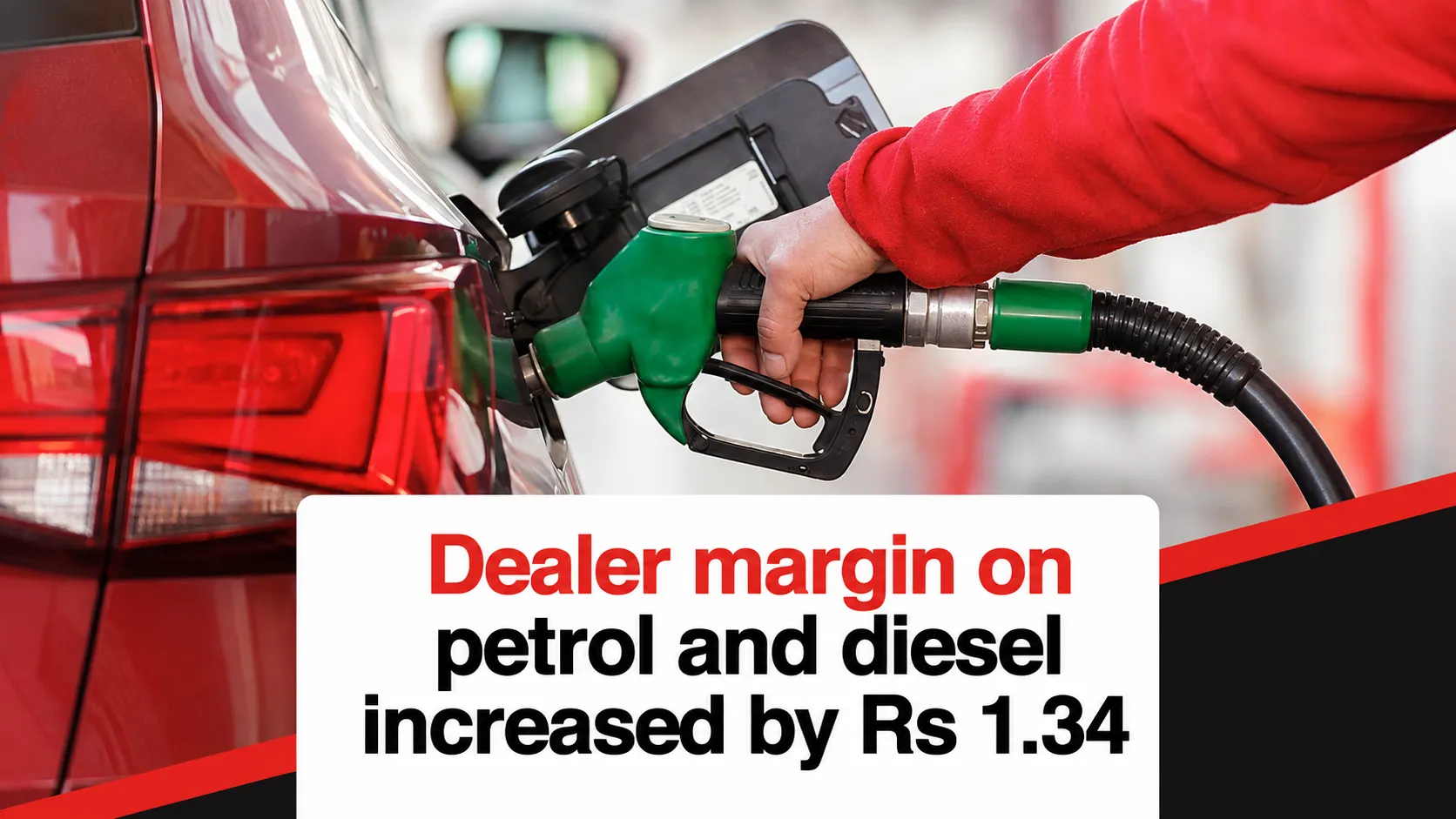
The recent adjustment in the dealers margin on petrol and diesel, which has increased by Rs 1.34, is a significant development for the fuel industry. This change is not just a shift in numbers; it reflects broader trends in fuel pricing, dealer profitability, and market dynamics. For dealers, this increase can lead to higher earnings, but it may also spark conversations about the overall pricing structure of fuel, the impact on consumers, and the response from the government and regulatory bodies.
Understanding the implications of this change requires a thorough examination of various related aspects, including its effects on fuel pricing, consumer behavior, and the economic landscape. In this article, we will explore these elements in depth to gain a comprehensive understanding of the dealers margin on petrol and diesel and its broader implications.
Understanding the Dealers Margin on Petrol and Diesel
The dealers margin on petrol and diesel represents the profit margin that fuel dealers retain from selling these products. It is a crucial component of the overall pricing structure of fuels in the market. In India, this margin is determined by the government and can be influenced by various factors, including crude oil prices, refining costs, and taxes. When the dealers margin increases, it directly affects the dealers’ profitability, allowing them to sustain operations more effectively in a competitive market.
Traditionally, fuel dealers have operated on thin margins, with price fluctuations in crude oil and changes in taxation affecting their profitability. The recent increase, therefore, is seen as a positive step towards supporting these dealers. Understanding this margin involves recognizing the various costs involved in fuel distribution, including transportation, storage, and administrative costs. The ability of dealers to maintain a viable business often hinges on the fairness of this margin in relation to overall fuel pricing.
The increased margin of Rs 1.34, while seemingly modest, can have significant implications for thousands of dealers across the region. In a situation where operational costs are rising, this increase is expected to offer some respite to dealers. Moreover, it signals a more favorable environment for fuel transactions, which can be particularly advantageous in areas where competition may otherwise drive prices to unsustainable lows.
To further understand the implications, it’s important to analyze historical trends and the frequency of similar adjustments. Over the years, governments have often adjusted dealer margins in response to broader economic indicators or stakeholder pressures. These shifts, however, are not just influenced by local economic conditions but are also aligned with international trade agreements and global oil market trends. The timing and extent of this increase might correlate with governmental economic strategies aimed at stabilizing broader market volatility.
Impact on Fuel Prices
The increase in the dealers margin on petrol and diesel raises questions regarding its potential impact on retail fuel prices. As dealers integrate this new margin into their pricing models, consumers may notice fluctuations in the prices they pay at the pump. Historical data suggests that when dealers margins are adjusted, there often tends to be a lag in how quickly these changes translate to consumer prices.
With the margin increasing by Rs 1.34, it is likely that fuel prices may experience an upward adjustment in some markets, especially if dealers choose to fully pass on this increase to consumers. However, market competition also plays a crucial role; in regions where several dealers compete for customers, passing on the entire margin increase may not be feasible without risking a loss in business. As such, while some areas may see a price spike, others may not feel the full impact immediately. This variation underlines the importance of monitoring local market conditions to gauge how the change in the dealers margin is affecting fuel prices in specific regions.
Furthermore, fluctuations in global crude oil prices can also complicate matters. If crude prices rise and the retailers try to incorporate the new margin along with existing costs, the net effect on consumers could be substantial. In contrast, if crude prices drop, the combined effects could balance out, leading to more stable fuel prices. Understanding these dynamics is essential for consumers, as fuel pricing is often influenced by more than just the dealers margin.
In some regions, governmental policy interventions might soften the blow of these increases on consumers. Subsidies or temporary tax relief could serve as mechanisms to mitigate the potential rise in consumer costs, reflecting a delicate balance between fostering a healthy business environment for dealers and protecting consumer interests. This form of governmental involvement can often be politically motivated, seeking to maintain voter satisfaction while ensuring the local fuel industry remains robust.
Economic Implications of the Margin Increase
Economic implications arise from changes in pricing structures and profitability across various sectors. The increase in the dealers margin on petrol and diesel by Rs 1.34 can lead to enhanced revenue for fuel dealers, which could, in turn, stimulate spending within local economies. Higher earnings allow dealers to reinvest in their businesses, hire more employees, or improve facilities, fostering economic growth.
This increase also raises questions about tax revenue for local and national governments. An increase in fuel prices due to this margin may result in a higher tax intake from fuel sales, providing governments with additional resources for public services and infrastructure projects. However, this also presents considerations regarding consumer spending power. Should fuel prices exceed a threshold where they start impacting disposable income negatively, it may dissuade spending in other areas, slowing economic growth overall.
Wider economic perspectives must consider global energy markets and geopolitical factors. Increased margins may make domestic fuels more competitive compared to international markets, particularly in regions reliant on imported fuels. The strategic positioning of domestic fuel dealers can have ramifications for energy independence and local economic stability.
From a macroeconomic perspective, the fluctuations in dealer margins can often correlate with monetary policy decisions. Central banks, keeping an eye on inflationary pressures, might adjust interest rates in response to changes in core consumer prices, which include fuel. The knock-on effects of a margin increase can potentially influence monetary policy, thus affecting economic parameters nationwide.
Consumer Reactions to Price Changes
Consumer response to changes in the dealers margin on petrol and diesel can be multifaceted. People may initially react with frustration, especially if noticed at the pump. As prices rise, consumers often adjust their behavior, opting for fuel-efficient vehicles, carpooling, or alternative transportation methods. Understanding these behavioral trends is essential for predicting fuel demand given the dynamic market conditions surrounding fuel pricing.
Over the years, consumers have shown a growing awareness of price trends and the factors influencing fuel costs. This awareness often leads to calls for greater transparency from fuel dealers and suppliers regarding pricing structures. In addition, social media platforms have provided consumers with outlets to express their frustrations or support for changes in fuel prices, amplifying the public dialogue surrounding such issues.
Additionally, the effects of recent increases may not solely impact consumers’ wallets but could also alter their perceptions toward fuel suppliers and dealers. In regions where prices are perceived as unfair, loyalty to specific dealers may wane, prompting consumers to seek better deals elsewhere. This volatility in consumer loyalty can challenge established sellers to maintain their customer base amidst fluctuating margins and prices.
Moreover, shifting consumer attitudes also affect public transportation systems. As consumers explore alternatives to private vehicle use, an increased reliance on public transportation could arise, prompting authorities to enhance infrastructure and service availability. Such changes could lead to broader implications for urban planning and environmental policies as cities adapt to new transportation demands.
Alternative Fuel Market Dynamics
As traditional fuel prices fluctuate with changes such as the dealers margin on petrol and diesel, the alternative fuel market is increasingly gaining attention. Consumers might seek alternatives like electric vehicles (EVs) or hybrid models, reflecting a broader shift in consumer preferences. This change isn’t solely a reaction to rising costs but also arises from growing environmental concerns and incentives put forth by governments to reduce carbon footprints.
The increased dealers margin may inadvertently push consumers to explore these alternatives further, particularly as they weigh the long-term savings against the initial costs of transitioning to alternative fuels. Market dynamics around EVs are rapidly evolving, with improvements in battery technology and charging infrastructure leading to more viable options for the average consumer.
Government policies also play a significant role in shaping the alternative fuel landscape as mandated fuel efficiency standards and subsidies for renewable energy continue to evolve. As these efforts gain traction, traditional fuel dealers are faced with choices regarding their future business models, including whether to expand into alternative fuel sales.
The shift towards greener energy solutions is also evident in corporate strategies. Many companies, particularly in transportation sectors, are investing heavily in R&D to develop more sustainable fuel solutions and broaden their clientele base. This shift is not only a reflection of environmental consciousness but also a strategic move to capture forward-thinking market segments.
Also Read This Article : Pakistan Seeks $10B Support Facility from US: Key Insights
Community Impacts of Margin Changes
The ramifications of the increased dealers margin on petrol and diesel are far-reaching and can have varying impacts on local communities. Fuel dealerships often serve as vital nodes within their communities, providing employment and contributing local taxes. When margins increase, the potential for dealership growth and sustainability improves, which benefits the local economic fabric.
However, there is a duality to this scenario. Should increased fuel prices deter local consumers from purchasing fuel, the income generated by dealers could decline, prompting risks to employment within the community. Understanding this balance is essential, as the interplay between maintaining dealership profitability and ensuring consumer affordability remains a delicate equation.
Moreover, when fuel prices rise due to increased margins, industries reliant on transportation may experience ripple effects. For example, logistics firms and delivery services may need to adjust their pricing structures accordingly, which could then lead to increases in consumer goods and services across various markets. This chain reaction can significantly affect lower-income demographics, stressing the importance of evaluating community-wide impacts of such pricing adjustments.
Local governments might find themselves at a crossroads, needing to intervene strategically to protect vulnerable communities from adverse economic effects. Potential measures could include community subsidies or transportation vouchers, keeping socio-political stability intact while nurturing local employment sectors reliant on the fuel trade.
The Role of Regulatory Bodies
Regulatory bodies play a vital role in shaping the environment in which dealers operate and the margins they are allowed. The increase in the dealers margin on petrol and diesel by Rs 1.34 is a decision that likely involved extensive analysis of market conditions and dealer needs. The role of government and its regulatory agencies is paramount in maintaining a balanced and fair fuel marketplace.
These bodies must continuously evaluate whether margin adjustments are necessary and what implications they may have on the fuel market, consumers, and the broader economy. Transparency and efficiency in how rates are established are essential for maintaining public trust. Regular engagements with stakeholders, particularly dealers, consumers, and industry experts, can facilitate better understanding and enable regulators to make informed decisions.
The ongoing debates regarding fuel prices also underscore the complexity and sensitivity of this market, indicating that solutions must be multidimensional. Regulatory bodies thus need to engage in nimble policy-making as market conditions evolve to ensure both the sustainability of dealers and the protection of consumer interests.
Regulatory frameworks may also need to update continuously to reflect technological advancements and shifts in consumer preferences. In an era where digital payment systems, fuel APPs, and real-time data analytics are increasingly prevalent, regulatory bodies must ensure that guidelines foster innovation while maintaining market integrity.
Future Considerations for Fuel Dealers
Looking ahead, the increased dealers margin on petrol and diesel presents both challenges and opportunities for fuel dealers. While the immediate benefit is a potential increase in income, the evolving landscape of fuel consumption and environmental consciousness holds deeper implications for the long-term viability of fuel dealerships. Dealers must adapt to changing consumer preferences if they are to remain competitive in an increasingly complex market.
Additionally, business diversification may become essential for dealers. Exploring options such as venturing into biofuels or electric vehicle charging stations could provide alternative revenue streams that balance out potential losses from traditional fuel sales. The trend toward cleaner energy is only expected to grow, and fuel dealers would be wise to align their business models with these shifts.
Furthermore, advocacy for fair pricing practices may become increasingly prominent among dealers looking to ensure their margins are sustainably maintained without unduly burdening consumers. Building strong relationships with regulatory bodies to communicate challenges might pave the way for supportive policies that favor both dealers and consumers alike.
In conclusion, strategic thinking and investments in technology, partnerships, and HR training can equip dealers to thrive amid industry transformations. As the market landscape continues to shift, resilience and adaptability will likely determine the success of dealers across regions.
Conclusion
In summary, the increase in the dealers margin on petrol and diesel by Rs 1.34 is a pivotal development within the fuel market. The dynamics surrounding fuel pricing, consumer behavior, economic implications, and future considerations for dealers reflect a complex web of interactions that require careful examination. While this margin increase could lead to improved dealer profitability and the potential for economic growth, it may also prompt shifts in consumer behavior and affect various sectors dependent on fuel.
The implications of this increase extend beyond immediate dollar figures; they encompass a broader narrative of sustainability and market adaptation as dealers weigh traditional fuel sales against emerging alternative energy sources. With potential fluctuations in consumer spending, local economies, and regulatory landscapes, the effects of this margin change will require continuous scrutiny. Ultimately, the balance between profitability for dealers and affordability for consumers will be a defining factor in shaping the future of the fuel market.
Frequently Asked Questions
What is the dealers margin on petrol and diesel?
The dealers margin on petrol and diesel refers to the profit that fuel dealers retain after selling fuel at retail prices. This margin is set by the government and can be influenced by various market dynamics.
How does the increase in the dealers margin affect fuel prices?
The increase of Rs 1.34 in the dealers margin on petrol and diesel has the potential to lead to higher retail fuel prices. Consumers may notice price changes at the pump depending on local market conditions and dealer pricing strategies.
What are the potential economic implications of this margin increase?
Higher dealers margins could enhance the revenues for fuel dealers, allowing for reinvestment in local communities. However, if prices rise too much, it can adversely impact consumer spending, affecting overall economic growth.
How might consumers react to the increased dealers margin?
Consumers may express frustration with higher prices but could also adjust their behaviors by seeking more fuel-efficient vehicles or alternative means of transportation. Awareness of price dynamics typically influences consumer loyalty and purchasing behaviors.
What future considerations should fuel dealers keep in mind?
Fuel dealers should consider diversifying their business, exploring alternative fuels, and advocating for fair pricing practices to sustain their margins without burdening consumers. Adapting to changing consumer preferences and regulatory landscapes will be critical in ensuring long-term viability.




 Muhammad Abdullah |
August 21, 2026
Muhammad Abdullah |
August 21, 2026