



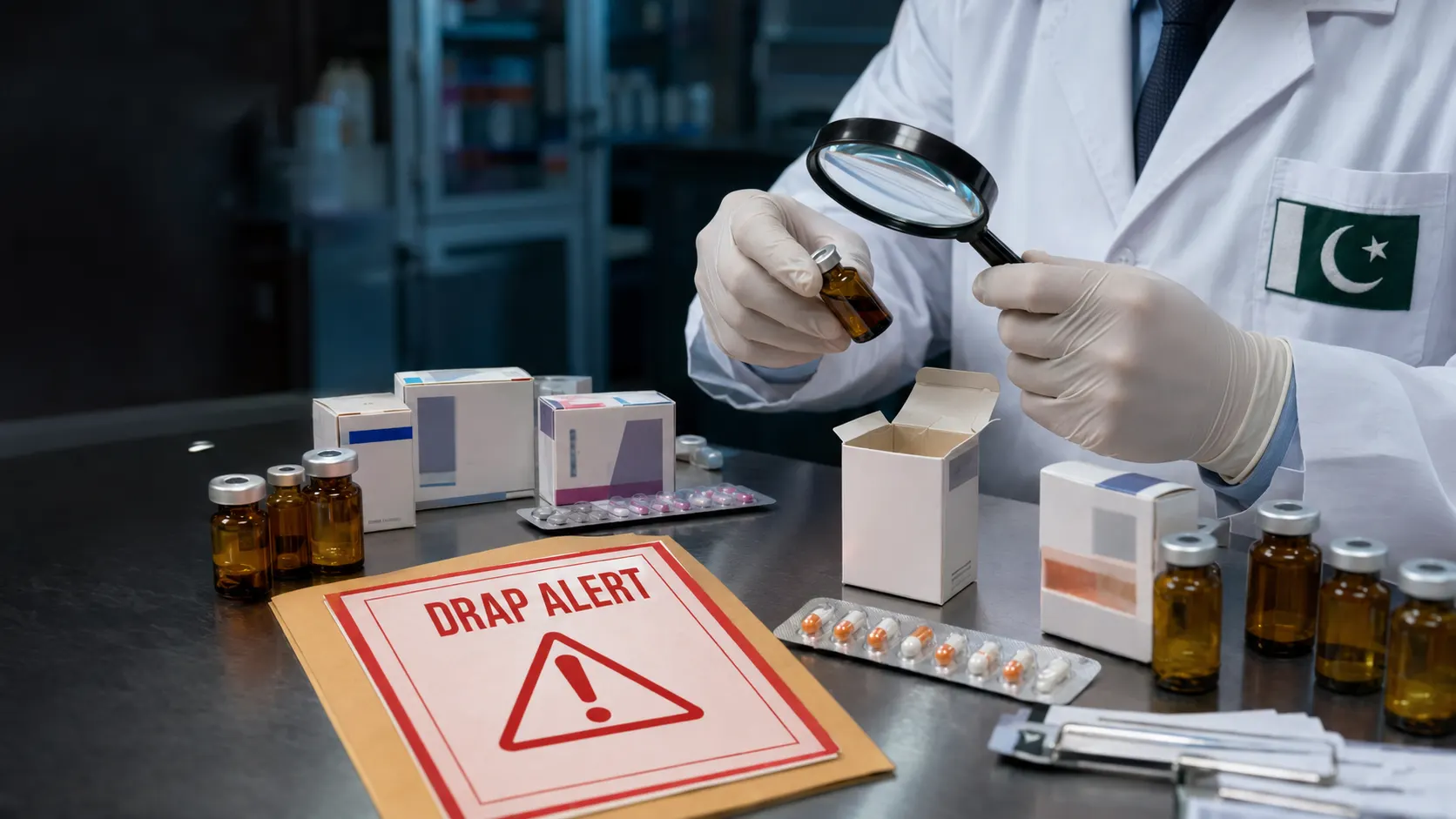

The Drug Regulatory Authority of Pakistan (DRAP) has issued an important alert concerning falsified blood cancer medicines, highlighting a critical threat to public health. Falsified medicines, especially those targeting life-threatening conditions like blood cancer, pose significant risks due to their potential inefficacy and harmful ingredients. In this detailed examination, we will explore the implications of DRAP’s alert, the intricacies of pharmaceutical regulation, and the broader impact on healthcare systems. In-depth analysis will shed light on how these developments affect patients, healthcare providers, and regulatory bodies.
Understanding Falsified Medicines
Falsified medicines are counterfeit products that are deliberately mislabeled with respect to identity or source. These can significantly affect patient health due to incorrect dosages or the absence of active ingredients. The World Health Organization has identified falsified medicines as a global threat, gravely endangering patient safety and undermining trust in healthcare systems.
The rise of falsified medicines is often attributed to weaknesses in regulation and enforcement, especially in developing countries. The lack of stringent border controls and ineffective supply chain monitoring contribute to the proliferation of these dangerous products. In this context, DRAP’s alert signals a necessary intervention to combat the issue.
Addressing falsified medicines involves collaborative efforts from governments, intergovernmental organizations, pharmaceutical companies, and healthcare providers. Strategies include improving regulatory frameworks, enhancing detection technologies, and raising public awareness about the risks associated with falsified drugs.
The implications of falsified medicines extend beyond individual patient safety. They affect overall public health by fostering resistance to real medications, complicating treatment protocols, and increasing healthcare costs due to ineffective treatment. The complexity of the pharmaceutical supply chain also plays a role, where various intermediaries and opaque pathways can facilitate the entry of these harmful drugs into the market.
The Role of DRAP
DRAP, the Drug Regulatory Authority of Pakistan, plays a pivotal role in ensuring the safety and efficacy of pharmaceuticals available in the market. Established to oversee drug approval, quality control, and post-market surveillance, DRAP’s mandate is critical in safeguarding public health.
The recent alert on falsified blood cancer medicines showcases DRAP’s proactive approach to addressing pharmaceutical threats. By issuing timely warnings, DRAP aims to prevent the distribution and use of potentially dangerous medications, thereby protecting vulnerable patients.
DRAP’s responsibilities also extend to fostering collaborations with international regulatory bodies, enhancing transparency, and implementing stricter regulations to curb the entry of falsified medicines into the market.
In addition to local efforts, DRAP engages in global collaborations, adopting tools and standards developed internationally to fortify its regulatory processes. By participating in programs like the International Conference on Harmonisation (ICH), Pakistan ensures that its regulatory frameworks align with global best practices, aiding its fight against counterfeit pharmaceuticals effectively.
The insights generated from international cooperation can significantly enhance DRAP’s capabilities. Learning from successful case studies in countries with robust regulatory frameworks allows DRAP to implement innovative mechanisms that can be adapted to meet regional challenges.
Implications for Patients
The alert on falsified blood cancer medicines holds significant implications for patients, particularly those relying on consistent, effective treatment for their condition. Falsified medicines can lead to treatment failures, prolonged illness, and even life-threatening complications.
Patients taking such medications risk adverse reactions and worsening health outcomes if the drug lacks therapeutic value or contains harmful substances. This threat emphasizes the importance of vigilance among healthcare providers and patients in ensuring prescribed medicines are procured from reliable sources.
Additionally, patient education is crucial in combating the influence of falsified medicines. Empowering patients with information on how to identify legitimate medications and purchase them safely online or through pharmacies is essential.
Educated patients act as the first line of defense. Through awareness campaigns and the utilization of digital tools to verify authenticity, patients can actively participate in ensuring their safety. This proactive approach not only minimizes risks but also encourages accountability across the pharmaceutical supply chain.
The psychological impact of discovering that one’s medication is falsified can also be profound, potentially impacting the overall treatment by instilling distrust toward future medical interventions or diminishing compliance with prescribed therapies.
Challenges in Pharmaceutical Regulation
Effective pharmaceutical regulation faces numerous challenges, particularly in regions where resources are limited, and regulatory infrastructures are underdeveloped. The complexity of monitoring the vast array of pharmaceuticals and ensuring compliance is a formidable task.
In countries like Pakistan, regulatory bodies must balance their responsibilities amid challenges such as limited funding, insufficient manpower, and the need for technological advancements. These constraints can impede the enforcement of regulations and increase the risk of falsified medicines infiltrating the market.
Despite these hurdles, strengthening regulatory frameworks and improving cross-border collaboration can enhance the capacity of organizations like DRAP to combat the prevalence of falsified medicines effectively.
Regulatory challenges are compounded by the rapid pace of pharmaceutical innovation. The emergence of biologics, personalized medicine, and cutting-edge therapies requires regulatory bodies to adapt quickly to new categories of treatments while maintaining rigorous standards for safety.
Moreover, the digital transformation of pharmaceutical marketing and distribution requires regulators to navigate complex issues related to online sales and cross-border e-commerce, where falsified medicines may find new pathways to consumers.
Also Read This Article: Nationwide Strike Looms Due to Fuel Prices
Strategies for Combating Falsified Medicines
Addressing the issue of falsified medicines requires a multi-pronged approach. One essential strategy is enhancing legislation to deter the manufacture and distribution of counterfeit drugs. Stronger legal measures can act as a deterrent against those involved in this illicit activity.
Furthermore, investing in technology such as serialization and track-and-trace systems can significantly improve the detection of counterfeit drugs in the supply chain. These systems allow for better monitoring and verification of pharmaceuticals, ensuring safety and authenticity.
Collaboration with international organizations is also vital. By tapping into global networks and sharing best practices, local regulatory bodies can bolster their fight against falsified medicines, leveraging international expertise and resources.
Investment in workforce training and capacity building is crucial. Regulatory staff must be equipped with the knowledge and skills to assess emerging threats, utilize technological advancements effectively, and enforce regulatory measures.
Community engagement initiatives can also play a role, encouraging local communities, especially in rural areas, to report suspicious products or unverified healthcare providers. By developing a community-level participatory monitoring system, the reach and effectiveness of regulatory enforcement can be significantly expanded.
Economic Impact of Falsified Medicines
The economic repercussions of falsified medicines extend beyond individuals to affect entire healthcare systems. Financial losses are incurred when ineffective treatments lead to prolonged illnesses, requiring additional medical interventions and resources.
The pharmaceutical industry, too, suffers significant losses due to counterfeiting. As the production and distribution of falsified medications flourish, legitimate manufacturers lose revenue, impacting research and development investments and hindering innovation.
Addressing the counterfeit drug trade is vital for economic stability. Ensuring comprehensive regulations can protect not only public health but also foster a thriving pharmaceutical sector.
The broader economic impact includes loss of investment confidence in regions plagued by rampant pharmaceutical counterfeiting. Investors may hesitate to fund pharmaceutical ventures or infrastructure projects in areas where the regulatory environment is perceived as weak.
Moreover, the reputation of healthcare systems as a whole can be tarnished, affecting medical tourism and related economic activities. Countries recognized for strong pharmaceutical governance have a competitive edge in attracting global partners, talent, and investments.
Recent Trends in Pharmaceutical Counterfeiting
Trends in pharmaceutical counterfeiting have evolved with technological advancements. The internet and global supply chains offer counterfeiters new avenues to market and distribute falsified medicines discreetly and efficiently.
The COVID-19 pandemic further exacerbated this issue, with a surge in counterfeit vaccines and treatments. This trend underscores the need for increased vigilance and tighter regulatory controls to prevent counterfeiters from exploiting crises and public health emergencies.
Utilizing artificial intelligence and data analytics can enhance surveillance capabilities, allowing authorities to detect and respond to counterfeiting activities more effectively.
Blockchain technology is emerging as a potential game-changer in combating pharmaceutical counterfeiting. By providing a tamper-proof ledger of transactions from manufacturer to consumer, blockchain can secure the integrity of supply chains, minimizing the risk of falsified products entering the market.
Social media platforms also present both challenges and opportunities. While they can be used for marketing counterfeit drugs, they also offer law enforcement new tools for tracking and intercepting illegal activities. Collaborative efforts between tech companies and regulators can harness this potential to disrupt counterfeit networks effectively.
Global Response to Falsified Medicines
Globally, concerted efforts are being made to tackle the menace of falsified medicines. The World Health Organization leads initiatives like the Global Surveillance and Monitoring System, designed to track and report counterfeit drugs worldwide.
International partnerships and agreements also play a role in strengthening capacity to detect and penalize counterfeit operations. Through shared intelligence and resources, countries are better equipped to disrupt the supply chains of falsified medicines.
In tandem, regulatory harmonization facilitates a consistent approach to combatting counterfeit drugs, ensuring that measures are both comprehensive and adaptive to emerging threats.
Intergovernmental task forces can amplify these efforts, coordinating cross-border operations and investigations that target transnational counterfeiting networks, thereby enhancing enforcement and extradition processes.
Additionally, advocacy through international forums such as the G20 can prioritize pharmaceutical regulation as a core focus in global health discussions, thereby fostering greater political will and financial commitment to combatting falsified medicines.
The Role of Public Awareness
Public awareness is a powerful tool in the fight against falsified medicines. Informing consumers about the risks associated with counterfeit drugs and how to identify them can significantly reduce demand and disrupt distribution networks.
Awareness campaigns, educational programs, and information dissemination via media and public health initiatives can empower individuals to make informed choices regarding their medication sources.
Empowered consumers play a crucial role in reducing the prevalence of falsified medicines, ensuring that demands are directed toward legitimate, approved pharmaceuticals.
Strategic partnerships with non-governmental organizations (NGOs) and community leaders can enhance the reach and impact of public awareness initiatives. These entities are often trusted voices within communities, capable of effectively communicating complex information regarding drug safety and authenticity.
The integration of digital health applications can further educate patients, providing them with real-time alerts, drug verification tools, and access to verified pharmacies. The synergy between technology and public engagement is essential for creating a resilient system against falsified medicines.
Conclusion: DRAP’s Role Moving Forward
DRAP’s alert on falsified blood cancer medicines marks a critical step in addressing a long-standing issue within global healthcare systems. The need for vigilance and collaboration is evermore pressing as counterfeit drugs pose significant risks to patient health and safety.
Moving forward, DRAP’s proactive stance must be supported by sustained improvements in regulatory frameworks, increased resources, and strategic partnerships. The fight against falsified medicines requires an all-encompassing approach, engaging governments, industries, and communities alike.
By enhancing transparency, fostering international cooperation, and empowering patients, DRAP and similar organizations can effectively safeguard public health and ensure that the medicines patients rely upon are both safe and effective.
A dedicated focus on innovation and adaptive policymaking will enable DRAP to respond to emerging threats in real-time, ensuring continued public trust in the healthcare system. The path forward involves not only reacting to current challenges but anticipating future trends with foresight and preparedness.
Frequently Asked Questions
What are falsified blood cancer medicines?
Falsified blood cancer medicines are counterfeit drugs that are incorrectly labeled and may contain no active ingredients, incorrect dosages, or harmful substances.
How does DRAP monitor pharmaceuticals?
DRAP monitors pharmaceuticals through drug approval, quality control, and post-market surveillance, ensuring compliance with safety standards.
What can patients do to avoid falsified medicines?
Patients should source their medicines from reputable pharmacies, verify authenticity through labeling, and consult healthcare providers if in doubt.
How do falsified medicines affect the economy?
Falsified medicines lead to economic losses due to ineffective treatments, healthcare burden, and impacts on legitimate pharmaceutical manufacturers.
What is being done globally to combat this issue?
Global initiatives like the WHO’s surveillance systems and international partnerships aim to detect, report, and prevent the distribution of falsified medicines.