







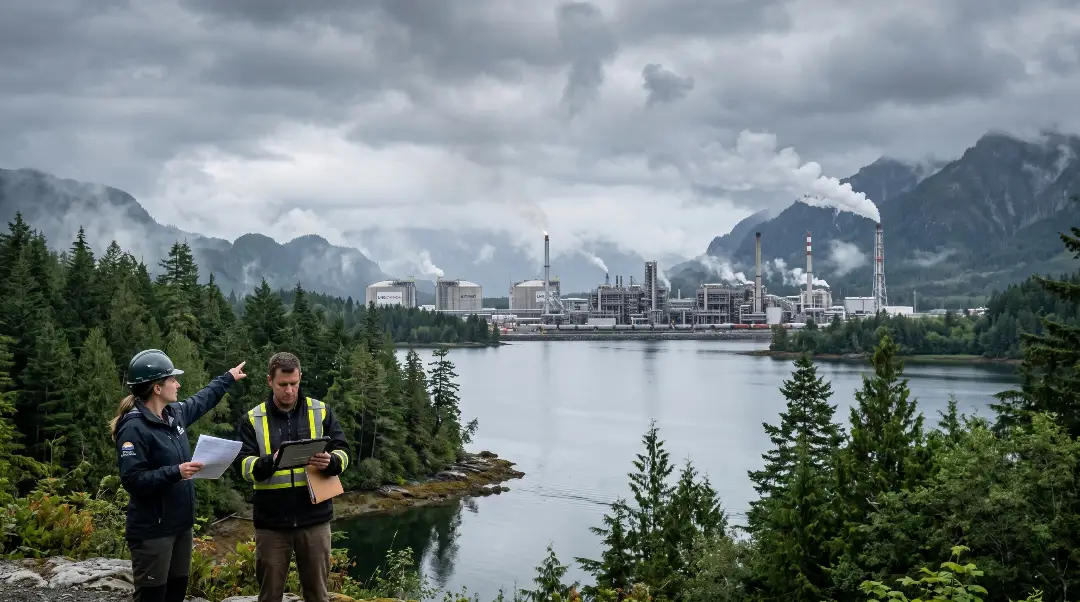

Echoes of Sustainability: B.C. Energy Regulator Challenges LNG Canada on Emissions
In a world increasingly aware of environmental impact, the British Columbia Energy Regulator has taken a stand against non-compliant practices by LNG Canada. Following an inspection, the regulator identified instances of “black smoke flaring” at the company’s Kitimat facility, leading to an official order for compliance. This incident highlights the enduring challenge of balancing industrial activities with ecological stewardship, a crucial concern for both regulators and companies in the energy sector.
Understanding the Implications of Black Smoke Flaring
Black smoke flaring refers to the release of dark smoke into the atmosphere during the burning of waste gases, a byproduct of natural gas processing. Such emissions not only contribute to air pollution but also carry significant health risks and environmental repercussions. For LNG Canada, adherence to permit regulations is essential not only for legal compliance but also for maintaining its corporate social responsibility. The recent findings by the energy regulator thus serve as a pointed reminder of the importance of sustainable practices in the energy industry.
The Regulatory Perspective
The British Columbia Energy Regulator’s decision to issue an order against LNG Canada underscores a robust regulatory framework designed to ensure environmental integrity. This move aligns with global efforts to enforce stringent environmental standards, pushing companies toward more sustainable operations. The regulator’s intervention is a testament to its vigilance in monitoring industrial activities and its commitment to protecting natural resources and public health.
The Wider Impact on Industry and Community
Beyond immediate compliance concerns, this development holds broader implications for the energy industry and local communities. Companies operating in environmentally sensitive areas must invest in technologies and processes that minimize ecological footprints. For the residents of Kitimat and surrounding regions, cleaner practices can lead to improved air quality and a healthier environment, fostering a safer and more sustainable future.
Conclusion: A Path Forward
As the global push for sustainability intensifies, incidents like these serve as critical learning points. For LNG Canada, this is an opportunity to enhance its environmental policies and technologies. Moving forward, collaboration between regulatory bodies and the industry will be vital in achieving an equilibrium between economic pursuits and environmental protection. By fostering a culture of transparency and accountability, the energy sector can pave the way for sustainable growth and innovation.