






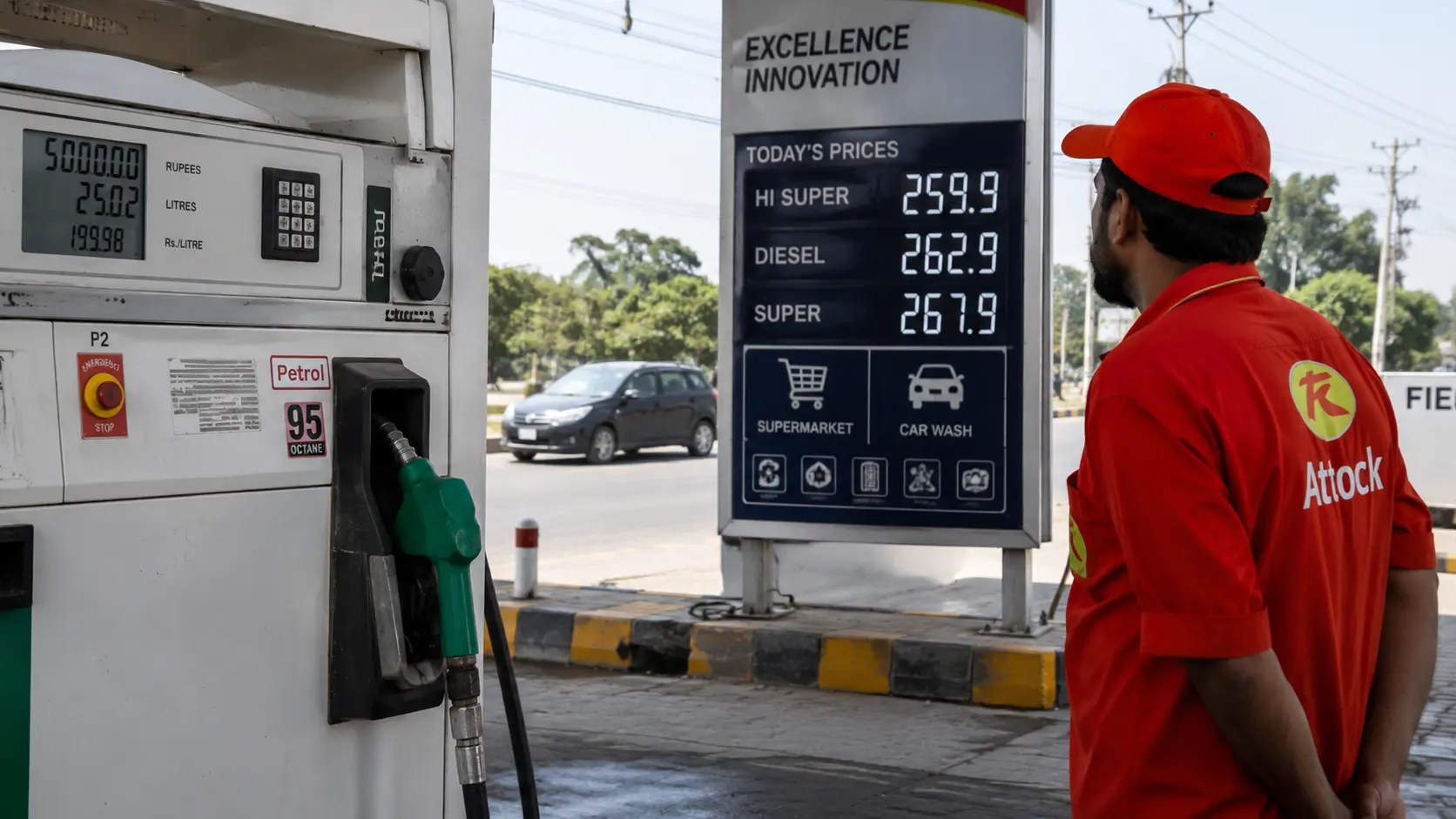

The focus on daily fuel prices adjustment has recently sparked significant debate as petrol pump owners express strong opposition to this approach. This controversy is reshaping discussions about economic policies, consumer impacts, and the operational challenges facing fuel station operators. Examining the reasons behind this opposition provides a comprehensive view of how such adjustments affect various stakeholders in the industry. The change from periodic to daily pricing brings about questions concerning market stability, consumer behavior, and long-term economic effects. Understanding these factors is crucial to comprehending the broader economic landscape and how such policy decisions can reverberate across industries.
The Mechanics of Fuel Prices Adjustment
Fuel prices are traditionally adjusted based on a variety of factors including crude oil costs, exchange rates, and government taxes. Recently, the shift towards daily pricing is intended to reflect more accurately the fluctuations in global oil markets. Proponents argue that such a policy offers transparency and immediate response to market changes, providing consumers with a fair price reflecting the current conditions.
However, this system requires sophisticated logistical capabilities from petrol pump owners, demanding technology upgrades and efficient communication with suppliers. The complexity of real-time pricing data integration is a significant challenge, necessitating investments in digital tools and staff training.
Understanding the mechanics of fuel prices adjustment involves recognizing the balance between maintaining a competitive market and ensuring smooth operational processes. The transition to daily pricing represents a significant shift in how pricing strategies are managed, impacting not just the owners but the entire supply chain.
Additionally, the increased transparency brought by daily adjustments can foster a more competitive environment. This can encourage innovation within the industry as companies seek ways to differentiate themselves beyond just pricing. From offering loyalty programs to enhancing customer service, stations can explore new avenues to attract and retain clientele.
The emphasis on real-time data also means that the industry could witness technological leaps. Digital platforms that provide consumers with up-to-date pricing might become essential tools, thereby emphasizing the role of data analytics in modern business operations. These platforms could also serve as feedback mechanisms, offering insights into consumer preferences and behaviors.
Arguments Against Daily Fuel Prices Adjustment
The primary argument against daily fuel prices adjustment from petrol pump owners is the instability it introduces into their business operations. Frequent price changes increase the complexity of inventory management and cash flow forecasting, potentially leading to inefficiencies and financial strain.
Additionally, rapid price fluctuations can confuse consumers, discouraging them from purchasing fuel during perceived high-price periods. This can result in inconsistent sales volumes, affecting the profitability of petrol stations.
These operational challenges underscore why many petrol pump owners view the daily adjustment as a disruptive change requiring evaluation and possibly reconsideration. The debate highlights a need for dialogue between government regulators and industry stakeholders to address these concerns.
Moreover, the administrative burden associated with constant price monitoring and adjustments may require additional labor costs and time investment. Smaller stations, which operate on thinner margins, might find it particularly daunting to dedicate resources towards these added responsibilities.
The fear of alienating a loyal customer base is another concern for petrol pump owners. If consumers perceive daily adjustments as exploitative, they may choose to favor stations with less volatile pricing, impacting long-term brand loyalty. Addressing these perceptions requires strategic communication and marketing efforts.
Potential Economic Impacts
The move towards daily fuel prices adjustment can have widespread economic implications, extending beyond the immediate realm of petrol pump operations. For consumers, such adjustments mean adapting to a pricing structure that could alter their spending habits and budgeting strategies.
On a macroeconomic level, frequent price changes could influence inflation rates. Economists might analyze how reactive pricing affects consumer confidence and the potential ripple effects on other sectors reliant on transportation, like logistics and goods distribution.
Moreover, international trade relations can be influenced as countries adjust their export and import strategies based on real-time fuel costs, impacting global supply chains. The economic ramifications are complex, necessitating careful assessment from both national and international perspectives.
The pricing of fuel isn’t just a reflection of current supply conditions; it is also a forward-looking indicator for economic planners. Transport and logistics sectors, which are foundational to other industries, must recalibrate their cost structures in response to these fuel price adjustments. As a result, the pricing of goods, both domestically and for export, can see adjustments that resonate through the local and global economy.
Urbanization and the ongoing growth of mega-cities further compound these economic considerations. As planners design public transportation infrastructures and commercial logistics networks, real-time fuel pricing could become an integral factor in decision-making processes, influencing everything from service pricing to route planning.
Historical Context of Fuel Pricing Policies
Fuel pricing policies have evolved significantly over the decades. Historically, pricing was typically set monthly or bi-monthly, allowing for more predictable market conditions. This stable approach allowed companies to plan long-term strategies without the constant pressure of adapting to daily fluctuations.
The shift towards more frequent pricing changes reflects broader global trends of economic liberalization and technological advancement, enabling real-time data analysis. However, such changes have not come without resistance from stakeholders who remember the stability of past methodologies.
Understanding this historical context is crucial to appreciating the current debate, as it reflects a tension between innovative economic policies and traditional business practices. The evolution of fuel pricing policies is a microcosm of wider economic transformations affecting all industries.
The introduction of daily adjustments also exemplifies a broader shift towards dynamic pricing strategies seen in other sectors such as airline and hotel industries. Learning from these sectors could provide insights into managing consumer expectations and regulatory compliance.
Historically, fuel price adjustments were also heavily influenced by geopolitics. Events such as oil embargoes or regional conflicts could drastically alter fuel availability and pricing. The move towards a structured daily adjustment mechanism could help buffer economies from sudden price shocks, though it also demands robust national strategies to safeguard against international market volatility.
Also Read the Article: Violence at Election Rally in Kotli: PML-N Worker Killed
Technological Requirements and Challenges
Implementing daily fuel prices adjustment demands substantial technological infrastructure. Petrol stations must invest in automated systems capable of quickly adjusting prices, interconnected with real-time market data sources.
This technological overhaul can be onerous for smaller, independently owned petrol stations, which might lack the capital to invest in such upgrades. Additionally, the integration of these systems requires staff training and potentially hiring skilled IT personnel to maintain operations effectively.
The technological demands highlight disparities within the industry, where larger corporations with more resources can more readily adapt, potentially outpacing smaller competitors and leading to market consolidation.
For larger fuel retailers, this technological integration might present an opportunity to design customer-centric pricing strategies augmented by data analytics. Predictive modeling could allow these players to anticipate market trends and consumer purchasing behaviors, providing a competitive edge.
On the consumer side, app-based solutions and digital interfaces could bridge the gap between complex data systems and user-friendly experiences. Applications that alert users to daily price changes, discounts, or promotions could enhance customer loyalty and engagement.
Consumer Behavior and Perception
The daily adjustment of fuel prices significantly affects consumer behavior. Consumers may alter their fueling habits based on expectations of future price changes, potentially leading to periods of high demand followed by lulls.
In regions where daily price adjustments are relatively new, consumer education becomes critical. Understanding the rationale behind frequent changes and recognizing patterns can empower consumers to make informed purchasing decisions.
The perception of fair pricing and transparency in the adjustment process is vital. Studies indicate that consumer trust can significantly influence market dynamics, emphasizing the importance of clear communication from both government bodies and the fuel industry.
Despite potential initial resistance, frequent fuel price adjustments could eventually lead to more informed and active consumers. As users recognize patterns and develop strategies to maximize efficiency, they may begin to feel empowered rather than disoriented.
The role of social media and community platforms could further shape behaviors and perceptions. Real-time discussions and shared experiences among consumers can foster a collaborative approach to navigating the challenges posed by daily adjustments.
Government Policy and Regulation
The government’s role in fuel prices adjustment is pivotal, as regulatory frameworks dictate the parameters within which the adjustments occur. Transparent regulatory practices can foster trust among stakeholders, ensuring that all parties have a voice in decision-making processes.
Policies affecting tax structures, environmental considerations, and market competition all intertwine with fuel pricing strategies. The ability of governments to effectively manage these layers of regulation can significantly impact the success of daily pricing models.
Open dialogue between government agencies and industry representatives is crucial to navigating the complexity of these regulations. Establishing fair and adaptable policies can help mitigate some opposition from petrol pump owners.
There is also the additional responsibility of international diplomacy for governments. As global fuel markets intertwine, domestic policies regarding fuel pricing can influence trade negotiations and energy alliances, adding further complexities to regulatory frameworks.
At the municipal level, local governments might initiate complementary programs to daily price adjustments, such as public transportation incentives or rideshare subsidies, smoothing the transition and offering consumers alternative economic choices for commuting.
International Comparisons
Examining how other countries implement fuel prices adjustment policies provides valuable insights. For instance, some nations adopt weekly or bi-weekly adjustments, striking a balance between responsiveness and stability.
Countries with established daily adjustment systems often have complementary measures in place, such as consumer protection laws and subsidies, to cushion against adverse effects. These international examples offer potential models for adaptation and improvement.
Learning from global counterparts’ successes and challenges can help refine domestic policies, making them more effective and equitable for all stakeholders involved. It’s an opportunity to customize strategies that align with national economic goals and industry capabilities.
For instance, in some Scandinavian countries, fuel prices are heavily influenced by environmental policies, taxing accordingly to discourage fossil fuel dependency. While their approach is robust and environmentally driven, the model may serve as an inspiration for countries focusing on sustainable economic development goals.
Additionally, examining the socio-cultural context in which these policies operate offers a more comprehensive understanding. Cultural attitudes towards consumption, government trust, and economic disparity can all play essential roles in how policies are perceived and executed.
Future Prospects and Innovations
The future of fuel prices adjustment lies in technological innovations and policy adaptations that address current challenges. The potential integration of artificial intelligence and machine learning could allow even greater precision in forecasting and managing price changes.
In the long term, transitioning towards sustainable energy sources may fundamentally alter fuel pricing dynamics, reducing dependency on traditional fossil fuels. Understanding how these shifts could affect daily pricing models is critical.
Innovations in communication technology, such as digital platforms for consumer engagement and feedback, can enhance transparency and trust, making future fuel pricing systems more resilient and efficient.
Emerging technologies such as blockchain could introduce radical transparency, offering open-source verification for price changes and reinforcing consumer trust. Such digital authenticity might redefine the consumer-producer relationship, elevating transparency standards across industries.
Moreover, as electric and hybrid vehicles gain market share, traditional fuel stations might diversify into charging hubs. This shift not only impacts the way pricing adjustments are managed but also transforms the physical and functional landscape of fuel retailing.
Conclusion
The ongoing debate over daily fuel prices adjustment epitomizes the challenges inherent in contemporary economic policy-making. Petrol pump owners’ opposition underscores the need for balanced solutions accommodating the interests of diverse stakeholders.
It is clear that the path forward must involve collaborative efforts between government bodies, industry leaders, and consumers. By addressing operational concerns, fostering technological progress, and ensuring transparent regulatory practices, the industry can advance toward sustainable solutions that work for all parties involved.
As the discussion continues, stakeholders can draw lessons from both historical practices and global counterparts to guide future strategies that prioritize both economic resilience and fairness in the fuel market.
Ultimately, the drive towards daily fuel price adjustments is about more than economic fine-tuning; it is part of a larger narrative exploring the balance between stability and adaptability in an ever-evolving global economy.
Frequently Asked Questions
Why do petrol pump owners oppose daily fuel prices adjustment?
Petrol pump owners oppose daily fuel prices adjustment due to the operational instability it introduces, complicating inventory management and potentially leading to financial strain.
How does daily fuel price adjustment affect consumers?
Daily adjustments can influence consumer behavior by altering purchasing habits and causing confusion about when it’s best to buy fuel, affecting budgeting strategies.
What are the technological challenges associated with daily fuel price adjustments?
Implementing daily adjustments requires significant technological upgrades, such as automated pricing systems and data integration tools, posing challenges especially for smaller stations.
How do international approaches to fuel pricing differ?
Other countries may use weekly or bi-weekly adjustments, offering a balance of stability and responsiveness, with additional measures like subsidies to manage impact.
What could be the future of fuel pricing models?
The future may involve enhanced technologies like AI and a shift toward sustainable energy, potentially altering the dynamics of fuel pricing significantly.