





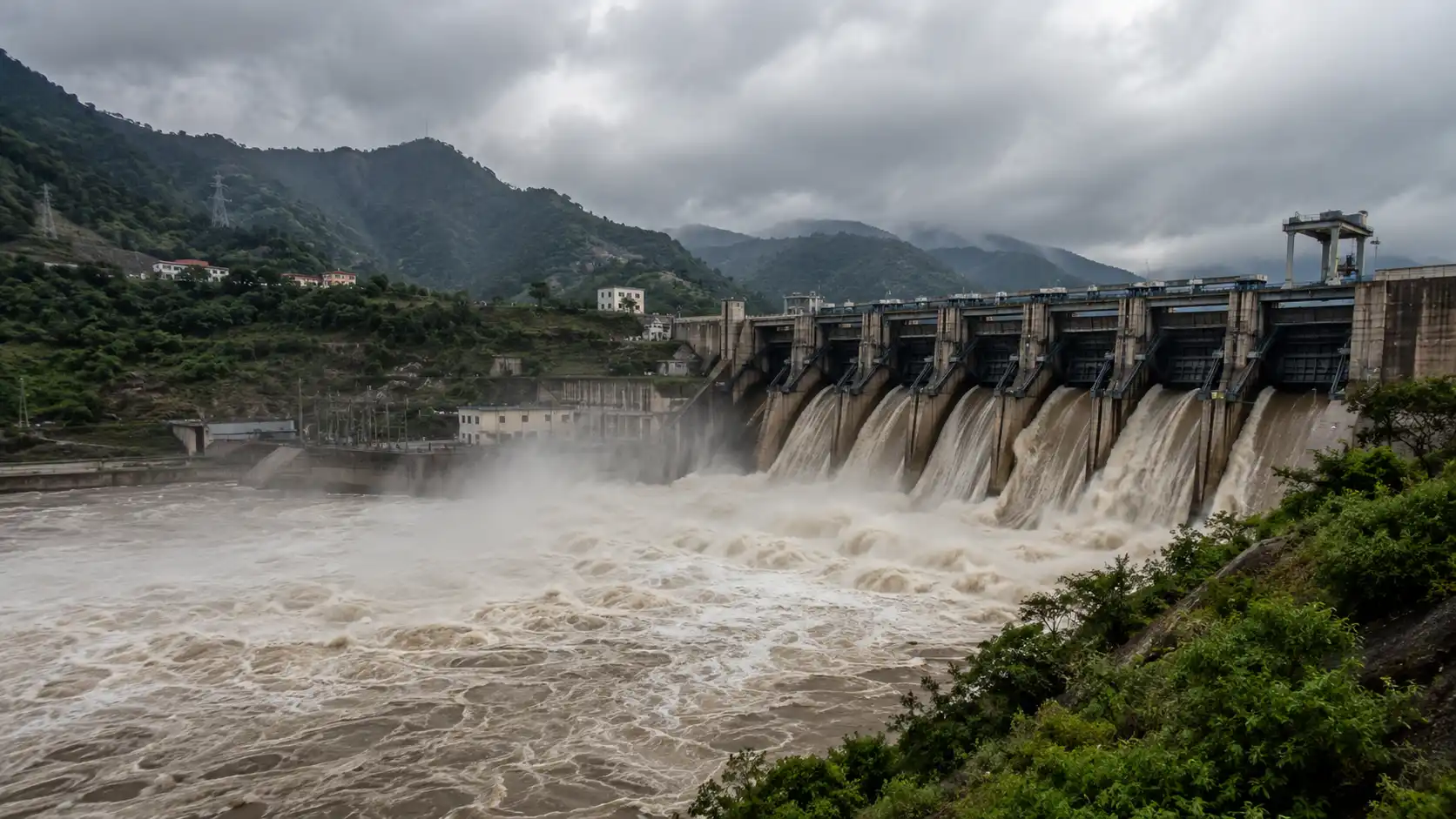

The recent strategic decision by India to release water into the Chenab River highlights growing flood concerns in Pakistan. As regions in Pakistan become increasingly susceptible to rising waters, the implications of cross-border water management between these two nations have never been more critical. The Chenab River, a crucial waterway linking both countries, has become the centerpiece of geopolitical discussions, ecological challenges, and agricultural dependencies. This situation thrusts water diplomacy into the spotlight, with lasting impacts on regional stability. It underscores the importance of cooperative water management strategies to mitigate disaster risks. Understanding the dynamics at play is essential for exploring solutions to this pressing issue.
Historical Context of India-Pakistan Water Relations
The Indus Waters Treaty, signed in 1960, has been the cornerstone of water-sharing agreements between India and Pakistan. This treaty, brokered by the World Bank, allocates water from the Indus River system between the two countries, establishing a framework for cooperation and dispute resolution. However, the relationship has often been strained by political tensions and conflicting interpretations of the treaty’s provisions.
Historically, the Chenab River has been a focal point in this complex relationship. Originating in the Himalayas and flowing through Indian-administered Jammu and Kashmir into Pakistan, it holds considerable economic and agricultural significance for both countries. Disputes over water usage and dam constructions have frequently surfaced, exacerbating diplomatic challenges.
In recent years, climatic changes have intensified these tensions, with unpredictable rainfall patterns affecting river flows and water availability. As India releases additional water into the Chenab River, the historical context provides insight into recurring challenges and emphasizes the need for sustainable water management solutions.
Further complicating the situation are historical conflicts that have shaped the present-day distrust between India and Pakistan. The wars fought in the 20th century have left deep scars, influencing how water-sharing decisions are perceived and executed today. Historically anchored grievances can manifest in how each country manages water resources, pointing to the necessity for readdressing such critical infrastructure decisions within new frameworks of understanding.
Ecological Implications of Water Release
The release of water into the Chenab River has multifaceted ecological consequences. Firstly, the sudden influx of water can result in habitat disruption for various aquatic species. The ecosystem in the river and its surrounding areas is sensitive to abrupt changes in water levels, threatening biodiversity.
Furthermore, increased water levels can lead to soil erosion along riverbanks, impacting agriculture and local communities dependent on fertile lands. These environmental challenges necessitate immediate and long-term strategies to counteract negative effects.
Efforts to preserve these ecosystems must be prioritized through transboundary cooperation. Joint ecological assessments and conservation initiatives can contribute to sustainable river management, balancing human needs with environmental preservation.
Another ecological concern relates to the spread of invasive species that may thrive due to altered water conditions, potentially displacing native species. Invasive species can lead to a cascade of ecological changes, affecting food webs and nutrient cycling. Additionally, these changes can interfere with ecosystem services that sustain human populations, such as fisheries and clean water provision.
Impact on Local Communities
The surrounding communities near the Chenab River are among the most vulnerable to flooding risks. Many local populations rely heavily on agriculture as their primary source of livelihood, and rising water levels threaten farmlands, infrastructure, and homes.
In addition to economic implications, the social impact of displacement due to flooding is significant. Communities face challenges in accessing emergency services, leading to potential loss of life and livelihood.
Pre-emptive measures, including early warning systems and community-based initiatives, are crucial in minimizing impacts. Empowering local communities with resources and knowledge can enhance resilience and adaptability in the face of environmental crises.
Furthermore, historical injustices and socio-economic disparities can exacerbate the vulnerability of certain populations. Landless farmers, minority communities, and economically marginalized groups may find themselves disproportionately affected by flooding, facing logistical challenges in relocating and rebuilding. Addressing these broader social issues through inclusive policy-making and fair resource distribution is vital in crafting equitable solutions to water-induced crises.
Role of Climate Change in Flood Risks
Climate change is a driving force behind the increase in flood risks associated with the Chenab River. Unpredictable weather patterns, including heavy rainfall and glacial melt in the Himalayas, exacerbate water management challenges.
These climatic variations not only affect water availability but also necessitate adaptive strategies in agriculture and infrastructure planning. The impact of climate change extends beyond immediate flood risks, influencing long-term regional stability and development.
Collaboration in climate research and adaptive policy-making is essential to address these challenges effectively. By integrating climatic considerations into water management strategies, India and Pakistan can work towards sustainable solutions.
In the context of a changing climate, the interdependence of natural and human systems becomes more evident. As weather patterns become more erratic, the risks of not adapting can have severe consequences on food security, health, and sustainable development in the region. Collaborative efforts in researching glacial behaviors, improving forecasting models, and implementing community-based adaptation strategies can mitigate some of these adverse effects.
Also Read The Article: Congo Virus in Karachi: A Case from Quetta
Geopolitical Tensions Surrounding Water Releases
Water, a vital and increasingly scarce resource, often becomes a flashpoint for geopolitical tensions between India and Pakistan. The release of water into the Chenab River can be seen as a strategic maneuver with potential implications for diplomatic relations.
Such actions are frequently viewed within the broader context of historical animosities and trust deficits. They have the potential to escalate into a larger diplomatic conflict if not managed with care and transparency.
To mitigate these tensions, both nations must engage in diplomatic dialogue and seek third-party mediation when necessary. Trust-building measures are crucial for fostering cooperation and averting potential disputes over shared water resources.
The geopolitics of water must be understood within the wider regional security architecture. As both countries experience political unrest and shifts in regional alliances, water sharing becomes part of a broader negotiation strategy. Investments in diplomacy and conflict resolution training, with an emphasis on understanding technical water-sharing details, are essential in transforming water-related tensions into opportunities for collaboration.
Legal Aspects and Treaty Obligations
The Indus Waters Treaty provides a legal framework governing water sharing between India and Pakistan. It allows India control over three eastern rivers, including the Chenab, while obligating it to maintain flows crucial for Pakistan.
India’s release of water into the Chenab River falls within the treaty’s purview, yet raises questions about compliance and interpretation. Legal ambiguities often lead to disputes, highlighting the need for periodic reassessment and clarification of treaty obligations.
By addressing these legal aspects cooperatively, both countries can enhance treaty implementation and avoid potential conflicts. Regular dialogue and updating treaty provisions to address contemporary challenges will strengthen shared water governance.
The evolution of international water law also offers lessons for the Indus context. Developing newer legal doctrines such as the ‘equitable and reasonable use’ principle can help reinterpret existing frameworks to ensure more responsive water governance. Capacity building in international law for experts and practitioners involved in bilateral talks is crucial in fortifying legal understandings and adapting existing laws to novel scenarios brought about by environmental changes.
Economic Outcomes of Water Management
The Chenab River is a lifeline for agriculture and hydroelectric power generation. Effective water management directly impacts both sectors, with significant economic consequences for India and Pakistan.
Disruptions to water flow can affect crop yields, leading to food security concerns and economic instability in impacted regions. Similarly, hydroelectric projects dependent on river water are essential for energy needs and economic development.
Collaboration on transboundary water management can optimize resource use, driving economic growth while ensuring environmental sustainability. Joint investments in water infrastructure and technology can further bolster economic resilience and cooperation.
Economic interdependencies extend beyond agriculture and energy. Water management failure can ripple through other sectors such as health, trade, and urban development. Leveraging water as a catalyst for economic partnership, rather than a source of conflict, calls for resurrecting collaborative economic initiatives under regional cooperation agreements. Encouraging multi-sectoral investments with private and public stakeholders can further enhance economic dividends for both nations.
Strategies for Cooperative Water Management
Addressing the challenges of water management between India and Pakistan requires comprehensive cooperation strategies. Establishing a joint water commission can facilitate communication, data sharing, and decision-making.
Such a commission would oversee water distribution, mitigating disputes through transparent and scientific methods. Additionally, engaging in shared infrastructure projects can build mutual trust and benefit both nations. Strengthening regional ties through academic and technical collaborations can offer innovative solutions. Working towards robust water management strategies will enable sustainable development and bolster regional stability.
In shaping cooperative management approaches, it is imperative to explore case studies from other river basins around the world where riparian countries have transitioned from discord to cooperation. Exploring technological innovation in water sensors, remote sensing, and data-sharing platforms can elevate decision-making efficiency. Promoting south-south cooperation, driven by the Global South’s unique socio-political context, may facilitate the transfer of practical, cost-effective, and culturally appropriate solutions.
Public Perception and Media Influence
Media coverage plays a vital role in shaping public perceptions of water-related issues between India and Pakistan. Biased or sensational reporting can exacerbate tensions by influencing national narratives.
Accurate and balanced reporting is essential to promote understanding and empathy. Media outlets should focus on constructive dialogue, highlighting cooperative efforts and solutions rather than exacerbating disputes.
Educating the public about the complexities of water management and the benefits of collaboration will foster a more informed and supportive environment for diplomatic efforts.
The role of media can further be amplified through digital communication channels and social media platforms. These platforms allow for real-time updates and interaction, serving as tools for spreading awareness and engaging audiences in conversation about sustainable water use.
Engaging storytelling that connects scientific details to human interest narratives can broaden public understanding and galvanize community support for inclusive water governance measures.
Technological Innovations in Water Management
Harnessing technology in water management is essential for enhancing efficiency and predicting changes in river systems. The integration of advanced modeling tools enables more accurate forecasting of flood events, improving preparedness and response strategies.
Smart water management systems and sensors can be deployed to monitor water flows and quality in real time, allowing for timely interventions. These technologies facilitate data-informed decision-making that aligns with ecological preservation and agricultural needs, ultimately reducing human and economic vulnerabilities.
International collaborations in technology transfer can open pathways for innovation, equipping both India and Pakistan with state-of-the-art tools necessary for dynamic meteorological predictions and resilient infrastructure planning. By leveraging such advancements, the two nations can better adapt to environmental changes, promoting security and cooperation in shared water resources.
Conclusion: Toward a Future of Cooperation
India’s release of water into the Chenab River amidst flood concerns exemplifies the intricate web of challenges in water management between India and Pakistan. These challenges, shaped by historical, ecological, and geopolitical factors, necessitate a nuanced approach to ensure regional stability.
A future of cooperation requires both nations to transcend historical animosities and focus on shared interests. Collaborative efforts, backed by legal frameworks and guided by ecological considerations, can pave the way for sustainable water management.
As both countries navigate these complex dynamics, commitment to dialogue, transparency, and innovative solutions will be key to ensuring a harmonious and secure future for the people of both nations.
Given this complex intersection of challenges and opportunities, it becomes essential to engage wider civil society networks, academic institutions, and sectoral experts in shaping a cohesive water narrative. Shaping water diplomacy requires multi-faceted involvement from grassroots to governmental levels, ensuring that bilateral relations around water sharing transition towards resilience-building and mutual prosperity. This monumental task calls for each nation to reflect on past learnings, embrace present-day tools, and create a forward-looking strategy that honors both geopolitical needs and ecological integrity.
Frequently Asked Questions
Why did India release water into the Chenab River?
India released water into the Chenab River due to rising flood risks. This decision is part of managing water levels and mitigating flood impacts in the region.
What is the Indus Waters Treaty?
The Indus Waters Treaty, signed in 1960, governs water sharing between India and Pakistan. It allocates river resources and establishes dispute resolution mechanisms.
How does this water release affect Pakistan?
The release of water into the Chenab River heightens flood risks in Pakistan, affecting agriculture, infrastructure, and communities reliant on the river.
What can be done to mitigate flood risks?
Mitigating flood risks involves cooperative water management, early warning systems, and strategic infrastructure improvements to protect vulnerable areas.
How does climate change influence river management?
Climate change affects rainfall patterns and glacial melt, complicating water management and increasing the urgency for adaptive strategies.