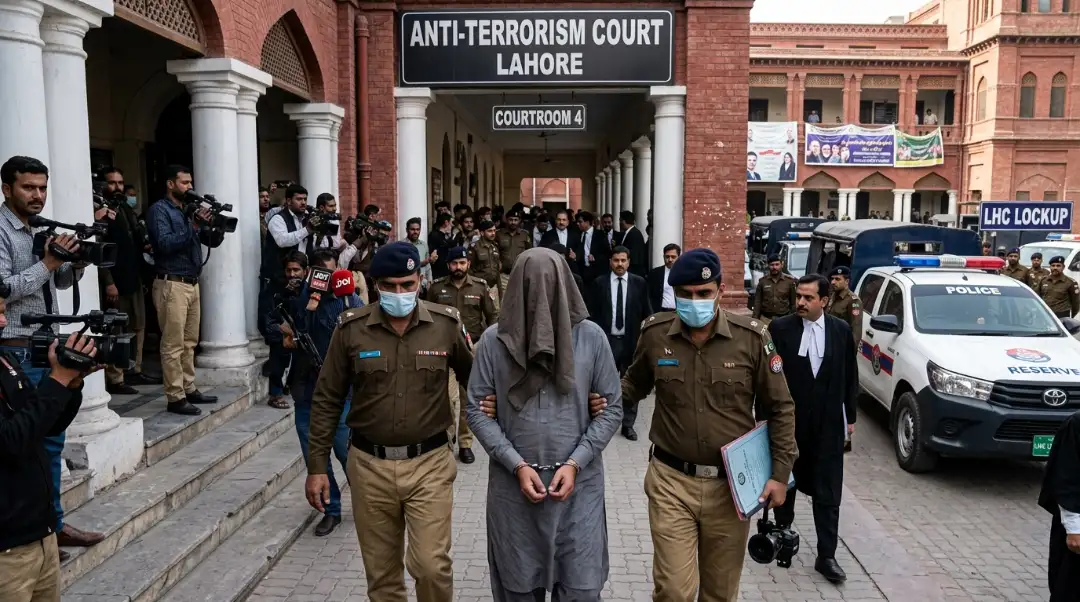
The Lahore court has taken significant action by granting a five-day remand in a high-profile case involving the kidnapping and rape of foreign women. This decision marks a pivotal moment in a case that has garnered international attention and raised critical questions about the legal processes in Pakistan. By granting remand, the court aims to facilitate the collection of more evidence and ensure a thorough investigation. The incident underscores the importance of addressing victim protection and enhancing legal frameworks to prevent such crimes in the future.
Understanding the Context of the Lahore Court’s Decision
The Lahore court’s decision to grant a five-day remand is situated within a complex socio-legal context. Pakistan’s judicial system often grapples with the challenge of balancing swift justice with due process. The remand provides the prosecution with a crucial window to gather more substantial evidence, which can be pivotal in ensuring a fair trial.
Historically, cases involving foreign nationals often draw international scrutiny, compelling local authorities to act with heightened diligence. The case highlights systemic issues such as delays in legal proceedings and challenges in evidence collection, which the remand aims to address.
Moreover, this case brings to light the broader themes of women’s safety and legal protections within the country. The remand period will likely involve sourcing forensic results, eyewitness testimonies, and confessions that could substantially impact the case’s outcome.
In contexts where legal systems are put under international scrutiny, the implications extend beyond the courtroom. The response of Pakistan’s legal system can shape the country’s reputation globally, influencing foreign relations and international law perceptions. The pressure to showcase an efficient system may lead to setting new protocols and introducing reforms, which resonate with the broader goal of upholding justice and human rights.
The Importance of Evidence Collection During Remand
During the five-day remand granted by the Lahore court, the focus shifts to gathering comprehensive evidence. Evidence collection is paramount in any legal proceeding, and this remand period presents an opportunity for in-depth investigation.
Authorities will likely scrutinize CCTV footage, cellular data, and forensic evidence to establish a clear chain of events. Each piece of evidence could play a critical role in corroborating the victims’ testimonies and piecing together the narrative presented by the prosecution.
This period is crucial not only for building a robust case but also for ensuring that justice is served. Delays or inadequacies in evidence collection could impede the pursuit of justice and undermine public confidence in the legal system.
The technological advancements in forensic science highlight the potential for modern evidence-gathering techniques to transform outcomes in such high-stakes cases. Moreover, international cooperation or expert consultation might be sought to ensure the reliability of evidence, which helps maintain transparency and integrity in the investigation process.
Lahore Court Remand: Legal Framework and Implications
The Lahore court remand operates within the legal framework designed to protect victims’ rights while ensuring due process for the accused. In Pakistan, remand can be granted to facilitate the collection of evidence, clarify case details, and hold suspects during ongoing investigations.
This process balances the rights of the accused with the need for a comprehensive investigation. The implications of this remand are significant, potentially setting legal precedents for future cases involving serious crimes against foreign nationals.
Moreover, it emphasizes the judiciary’s role in safeguarding both individual rights and public interest. The case may also prompt discussions around legal reforms to address any procedural shortcomings highlighted during these proceedings.
The granting of remand in such sensitive cases underlines the judiciary’s duty to operate impartially, yet with a sense of urgency. Legal scholars and practitioners continuously debate the effectiveness of remands, considering it a litmus test for balancing rights between victims and defendants, and such high-profile instances may drive pivotal legal debates that lead to systemic change.
The Broader Impact on Women’s Safety in Pakistan
The kidnapping and rape case has intensified the ongoing discourse on women’s safety in Pakistan. High-profile incidents like this often trigger public outcry and demand for immediate action to improve safety measures for women.
This case sheds light on systemic issues surrounding women’s security and the effectiveness of current protective measures. It also highlights the need for societal change to combat gender-based violence and ensure safer environments for women, both locals and foreigners.
Efforts to improve women’s safety must include comprehensive legal reforms, enhanced policing strategies, and community awareness programs that collectively create a safer society. The outcome of this case might serve as a catalyst for such initiatives.
This discourse aligns with global movements seeking gender equality and empowerment. Collaborative efforts with international organizations could bolster national strategies to combat such deeply rooted issues, transforming societal attitudes and promoting gender-responsive approaches in policy and practice.
International Reactions and Diplomatic Concerns
The involvement of foreign nationals has elevated the case beyond local boundaries, attracting international attention. Diplomatic channels may become involved to ensure the welfare and protection of the foreign victims involved.
Countries may closely monitor the legal proceedings, eager to see how justice is pursued in line with international legal standards. This could influence future diplomatic relations and collaborations with Pakistan on issues relating to crime and justice.
International advocacy groups may also weigh in, advocating for justice and transparency in handling cases involving foreign victims, potentially impacting Pakistan’s global image.
This scenario reflects the interconnectedness of national legal actions and global diplomacy. Governments must navigate these dynamics thoughtfully, as the handling of such cases can either strengthen or strain diplomatic ties. Upholding international standards becomes imperative, showcasing a commitment to justice that reassures allies and partners alike.
Analyzing the Role of Media in High-Profile Cases
In high-profile cases such as this, media coverage plays a critical role in shaping public perception. The media acts as a watchdog, ensuring transparency and accountability within the judicial process.
However, it is crucial for media outlets to report responsibly, avoiding sensationalism that could compromise the integrity of the case or affect the privacy of the victims. Ethical reporting is essential to inform the public without interfering with legal proceedings.
The media’s role extends beyond reporting; it can inspire public discourse, encourage policy changes, and highlight societal issues needing attention, thus functioning as an agent of social change.
In the contemporary digital age, the role of social media as an additional coverage arena is increasingly significant. It allows real-time updates and public engagement but can also spread misinformation. Therefore, responsible journalism and public awareness about discerning information validity are more crucial than ever to maintain justice and fairness in legal proceedings.
Challenges Faced by the Victims and Authorities
Victims in cases of kidnapping and rape face numerous challenges, from the trauma of the crime to navigating the legal system for justice. Ensuring their protection and dignity throughout the legal process is paramount.
Authorities, on the other hand, face pressure to deliver swift justice while adhering to due process. Gathering reliable evidence, securing cooperation from witnesses, and managing media scrutiny are just a few challenges that require careful handling.
Both victims and authorities must work within a framework that upholds justice, human rights, and the rule of law, despite the complexities involved in such high-profile cases.
Furthermore, the psychological support and counseling for victims become essential, ensuring they are equipped to handle legal scrutiny and personal recovery. On the authorities’ side, continuous training and international cooperation can enhance their capacity to manage sensitive aspects of such challenging cases effectively.
The Judicial System’s Response to the Case
The judicial system’s approach to this case will be scrutinized for its efficiency in handling heinous crimes and its capacity to deliver justice without prejudice. This case could become a benchmark for future proceedings of a similar nature.
Assessing the judicial proceedings involves examining how laws are interpreted, how procedural fairness is maintained, and how effectively the system balances the rights of both victims and the accused.
This analysis could lead to calls for judicial reforms, aimed at addressing any inadequacies and ensuring more reliable legal outcomes in the future.
Judicial transparency and interim reforms could address inefficiencies, encouraging public confidence within the legal system. Further, collaborations with international judicial bodies might promote best practices and open pathways to reformative policies conducive for national and international justice standards.
A Historical Perspective on Legal Precedents
The case can be examined within the historical context of legal precedents in Pakistan, especially those involving crimes against foreign nationals. Prior cases might provide insights into potential outcomes and inform current legal strategies.
Over time, legal precedents evolve, reflecting changes in societal attitudes and legal interpretations. Understanding these precedents helps in predicting legal outcomes and highlights areas requiring reform. This historical analysis underscores the dynamic nature of law, emphasizing continuous adaptation to meet the demands of justice and societal values.
Analyzing past international cases reveals patterns and reactions that may guide judicial processes. Comparative legal studies could facilitate understanding similar historical scenarios, advocating a more informed and balanced approach in interpreting current cases, which is essential for achieving justice while maintaining systemic integrity.
Concluding Thoughts: The Path Forward
The five-day remand granted by the Lahore court is just the beginning of a complex legal process aimed at ensuring justice for the victims. As the case unfolds, it highlights the critical need for robust legal frameworks and societal measures to protect vulnerable groups.
Addressing the underlying issues requires collective action from the judiciary, law enforcement, policymakers, and society at large. Comprehensive reforms, effective law enforcement, and public awareness are key components in building a safer community.
Ultimately, this case serves as a poignant reminder of the challenges and responsibilities faced by legal systems worldwide in upholding justice and protecting human rights.
The journey towards justice is a collaborative effort, necessitating cooperation among international organizations, local communities, and governments. As societies evolve, the active pursuit of equality and justice must remain at the forefront of efforts to reconcile firm legal actions with compassionate societal change, always steering towards safeguarding human dignity within global narratives.
Frequently Asked Questions
What is the significance of the Lahore court’s five-day remand?
The remand allows authorities to gather more evidence for a thorough investigation, crucial for ensuring justice in the high-profile case.
How does this case affect international relations?
Involving foreign nationals, the case may influence diplomatic relations and prompt discussions on legal standards and protections.
What challenges do victims face during legal proceedings?
Victims may encounter emotional trauma and legal hurdles; their protection and dignity are vital throughout the process.
How does media coverage impact legal cases?
Media shapes public perception and ensures accountability but must report responsibly to avoid compromising the case’s integrity.
What reforms are needed in cases like this?
Legal reforms, improved policing, and public awareness are essential to address systemic issues highlighted by such cases.




 Muhammad Abdullah |
July 3, 2026
Muhammad Abdullah |
July 3, 2026