






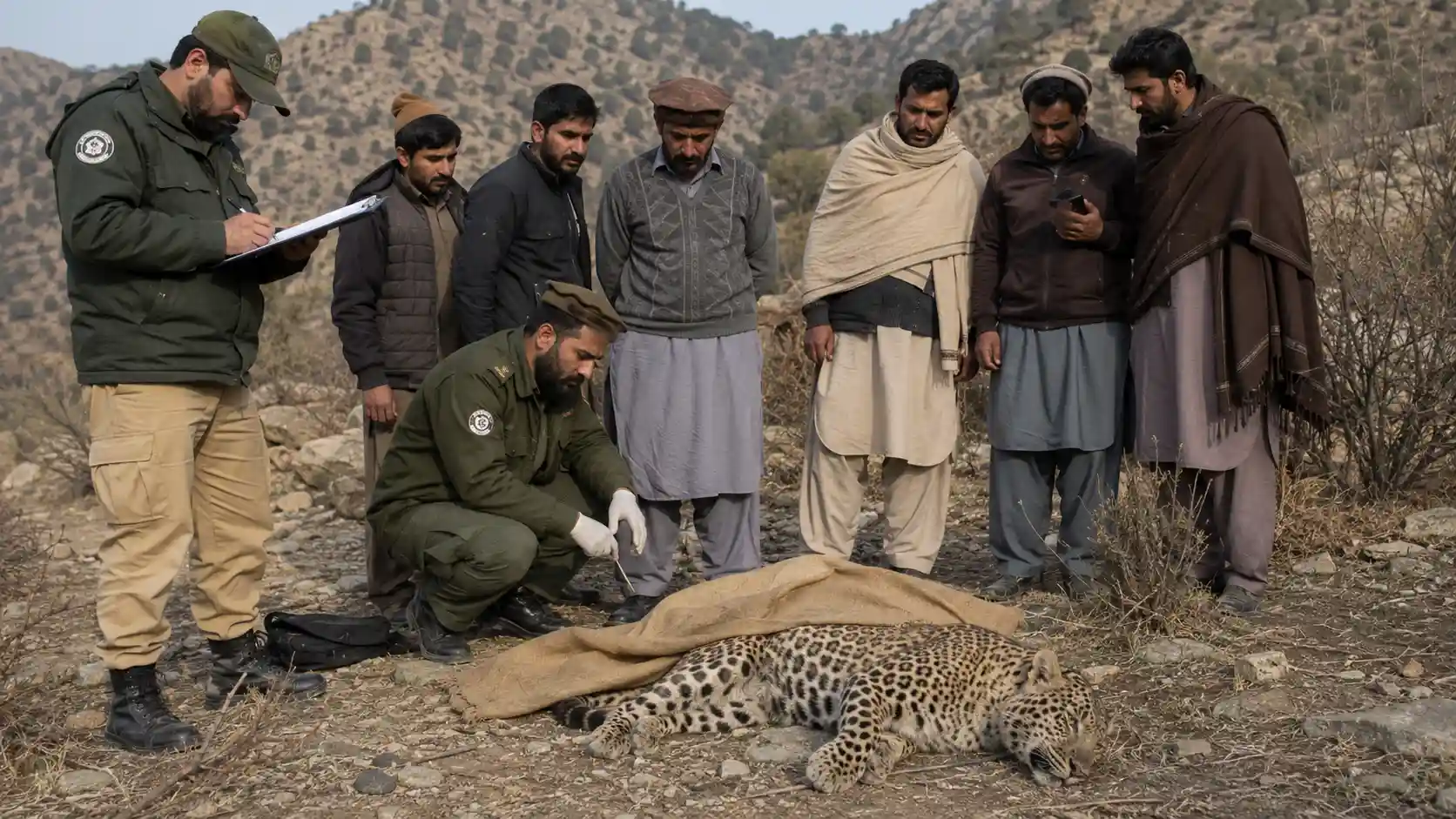

The recent news of a leopard killed in Bajaur has sparked a considerable outcry, leading to a probe by the wildlife department. This incident, which occurred in a region known for its diverse wildlife, underscores the challenges of wildlife conservation and human-animal conflict in Pakistan. The tragic event has brought to light the delicate balance between protecting wildlife and ensuring the safety of local populations. As authorities investigate the circumstances surrounding the leopard’s death, questions arise about the broader implications for conservation efforts and the strategies needed to prevent similar occurrences in the future.
Understanding the Issue: Leopard Killed in Bajaur
The killing of the leopard in Bajaur has highlighted significant issues surrounding wildlife conservation in the region. Bajaur, part of the Khyber Pakhtunkhwa province in Pakistan, is known for its rich biodiversity. Yet, it faces persistent threats from human encroachment, habitat destruction, and illegal hunting. The death of the leopard is not just an isolated incident but rather a symptom of larger systemic problems affecting wildlife in the area.
Experts emphasize that such incidents are often the result of human-wildlife conflict, a situation where animals and humans compete for limited resources. As human populations grow and expand into traditional wildlife habitats, the potential for conflict increases. Leopards, who occasionally prey on livestock, are often targeted by local farmers trying to protect their livelihood.
Local authorities and conservationists are now tasked with balancing these competing interests. The investigation launched by the wildlife department aims not only to identify those responsible for the killing but also to address the underlying causes contributing to these conflicts. The findings could prove pivotal in shaping future conservation policies.
Additionally, Bajaur’s geographical setting presents unique challenges and opportunities for conservation. Situated at the crossroads of several ecological zones, it supports a diverse range of species beyond leopards. This diversity, while a point of pride, also complicates conservation efforts. Ensuring the coexistence of multiple species requires tailored strategies and nuanced understanding of inter-species dynamics.
Education campaigns in Bajaur might play a crucial role in wildlife conservation. By fostering awareness about the importance of ecological balance and the role apex predators like leopards play in the environment, local communities can be sensitized to the challenges faced by wildlife. Such campaigns can lead to a shift in perception, from viewing leopards as threats to seeing them as integral parts of the ecosystem.
The Role of the Wildlife Department
The wildlife department’s involvement is crucial in ensuring the survival of endangered species like leopards. By launching a probe into the killing, they hope to establish a precedent that deters potential offenders in the future. Beyond merely enforcing wildlife laws, their role encompasses education and advocacy, helping local communities understand the importance of conservation.
By spearheading investigations and promoting awareness, the department acts as a mediator between humans and wildlife. Their initiatives often involve collaboration with local communities to develop sustainable practices that reduce the likelihood of conflict. This can include securing areas where wildlife is present and providing alternatives to destructive activities like poaching or illegal hunting.
Their ultimate goal is to foster a coexistence that benefits both wildlife and humans, minimizing conflicts and promoting biodiversity. Strategies adopted here could serve as a model for other regions facing similar challenges.
Moreover, the wildlife department’s endeavors could include developing partnerships with international conservation NGOs to bring in best practices from around the world. Learning from successful conservation programs in countries like India and Tanzania, which have faced and addressed similar human-wildlife conflicts, could be instrumental in shaping effective strategies locally.
The department’s efforts could also focus on building local capacity. Training programs for community members can enable them to take ownership of conservation activities. This grassroots approach can gradually build a network of local conservation advocates who champion wildlife protection.
Examining Human-Wildlife Conflicts
Human-wildlife conflict is not just a local issue; it is a global challenge with far-reaching implications. Each year, countless animals are killed due to perceived threats to human safety or economic interests. Understanding the dynamics of these interactions is crucial for developing effective mitigation strategies.
Conflict arises when animals compete with humans for territory, food, or water. In the case of leopards, their need for wide-ranging habitats often brings them into contact with agricultural lands and villages. Strategies to address these conflicts typically involve community engagement and the implementation of non-lethal deterrents, such as improved livestock enclosures or the use of guard animals.
International organizations often work with local governments to provide technical expertise and resources. Effective management practices can transform conflict zones into areas of peaceful coexistence, benefiting conservation and local economies alike.
In addition to traditional mitigation measures, innovative approaches such as wildlife corridors can play a significant role in reducing conflicts. These corridors allow animals to move safely between habitats without coming into direct contact with human settlements. By interconnecting fragmented habitats, they help maintain genetic diversity and ensure the long-term viability of species like leopards.
The psychological aspects of human-wildlife conflict are often overlooked. Understanding the local communities’ perceptions of wildlife is crucial. Sometimes, deeply ingrained cultural beliefs and fears about certain animals may exacerbate conflicts. Addressing these requires patience, empathy, and a willingness to engage in dialogue about the myths and realities of living alongside wildlife.
Conservation Efforts in Pakistan
Pakistan is home to a diverse array of wildlife, including leopards, snow leopards, and a variety of birds and mammals. However, the country’s commitment to conservation faces numerous challenges. Limited funding, inadequate infrastructure, and social issues often hinder effective conservation programs.
Despite these obstacles, there are success stories that provide hope for future efforts. Various NGOs and government initiatives have made significant strides in promoting wildlife protection and creating awareness about the environmental impact of industrial and agricultural expansion.
Community-driven conservation models are emerging as a viable solution. By involving local populations in decision-making processes, these models cultivate a sense of ownership and responsibility toward natural resources. Such programs have been implemented in the northern areas of Pakistan, achieving success in reducing poaching and habitat destruction.
Furthermore, Pakistan’s rich topography and climatic diversity offer unique conservation opportunities. Promoting ecotourism in biodiverse areas, like the regions surrounding Bajaur, could also draw interest and funding for conservation initiatives. This approach has the potential to align economic incentives with environmental protection, creating win-win scenarios for rural communities.
Building partnerships between academic institutions and conservation efforts can lead to impactful research outcomes. Local universities and research bodies could conduct studies on biodiversity patterns, animal behavior, and the effectiveness of conservation measures, providing data-driven insights that enhance policy-making and program implementation.
Legal Framework and Enforcement
The legal protection of wildlife in Pakistan is governed by various laws and regulations. The Pakistan Wildlife Act provides a framework for protecting endangered species and natural habitats. However, enforcement often falls short due to a lack of resources and political will.
Regular assessments and updates to wildlife legislation are necessary to reflect current environmental challenges. This requires coordination between government agencies, conservationists, and local communities to implement effective policies. Stronger legal frameworks paired with rigorous enforcement could deter illegal activities such as poaching and habitat destruction. Investment in training and resources for enforcement personnel is similarly crucial for long-term sustainability.
The establishment of wildlife crime units within law enforcement agencies could be a game-changer. These specialized units would focus on crimes against wildlife, equipped with the tools and authority to pursue poachers and traffickers aggressively. Building judicial awareness about wildlife-related issues and ensuring strict penalties for offenders could further enhance the effectiveness of legal frameworks.
Collaborative efforts with international law enforcement agencies could help dismantle cross-border wildlife trafficking syndicates. By working together, countries can develop strategies that target supply chains and curtail the illegal wildlife trade, which poses significant threats to biodiversity worldwide.
Community Involvement and Education
Engaging local communities is a cornerstone of effective conservation strategies. Education programs aimed at raising awareness about wildlife and the importance of conservation can foster a culture of coexistence.
Such initiatives may involve workshops, school programs, and collaboration with local leaders and influencers. By understanding the benefits of biodiversity and the consequences of wildlife loss, communities can become proactive participants in conservation efforts.
Successful education campaigns lead to behavioral shifts that reduce human-wildlife conflict. When communities value their natural heritage, they are more likely to support and protect it.
Similarly, integrating conservation topics into school curricula can create a lasting impact. By educating the youth, a new generation of environmentally conscious citizens is cultivated, who appreciate and advocate for biodiversity conservation throughout their lives.
Leveraging local cultural practices and traditional knowledge can enhance community involvement. Many indigenous practices emphasize harmony with nature, and integrating these into modern conservation strategies can resonate deeply with local people, enhancing community buy-in and fostering a sense of pride in their natural surroundings.
Technological Innovations in Conservation
Technology plays a critical role in modern conservation efforts. Tools such as GPS tracking, drones, and camera traps allow researchers to gather data on wildlife populations and their movements. These insights are crucial for developing targeted conservation strategies.
In Bajaur and other regions, technology can aid in monitoring wildlife and preventing illegal hunting activities. For example, drones can cover large areas quickly, providing real-time data and identifying potential threats to wildlife.
Furthermore, mobile apps and digital platforms can educate and engage the public, encouraging citizen participation in conservation. As technology becomes more accessible, its integration into conservation efforts will likely increase.
Developing partnerships with tech companies can add value to conservation efforts. By leveraging expertise in data analytics, machine learning, and sensor technologies, conservationists can gain insights into animal behaviors that would be otherwise difficult to discern. This can lead to more nuanced and effective conservation strategies.
Furthermore, open-access databases and global tech networks can facilitate knowledge sharing, allowing conservationists worldwide to learn from successful interventions and adopt them in their local contexts. This pooling of knowledge enhances collective conservation outcomes and strengthens global efforts to protect biodiversity.
The Future of Wildlife Conservation in Bajaur
The future of wildlife conservation in Bajaur and similar regions depends on collaborative efforts involving all stakeholders. Governments, NGOs, local communities, and international bodies must work together to create sustainable solutions.
Key steps include strengthening legal frameworks, enhancing educational outreach, and leveraging technology. By addressing the root causes of human-wildlife conflict, conservationists can develop strategies that ensure both the protection of wildlife and the well-being of local communities.
With ongoing conservation efforts and increased public awareness, there is potential for meaningful improvements in wildlife protection. The challenges are significant, but so are the opportunities for positive change.
Additionally, investing in capacity-building programs to train local conservation leaders can secure the future of conservation efforts. By creating a network of knowledgeable and passionate advocates on the ground, conservation interests remain a priority and receive sustained attention and effort.
Globally, the role of conservation think tanks and policy influencers can extend beyond localized efforts. Influencing global agendas and frameworks for biodiversity conservation, these entities can help ensure that local issues like those in Bajaur receive the attention and resources needed to address them effectively.
The Global Implications of Local Conservation Issues
While the incident in Bajaur might seem localized, it reflects global issues surrounding conservation and biodiversity. As habitats continue to shrink worldwide, human-wildlife conflicts are becoming more common.
Addressing these challenges requires comprehensive strategies that encompass ecological, social, and economic factors. Conservation success in one region can serve as a model for others facing similar issues. The global community has a stake in preserving biodiversity, as healthy ecosystems contribute to climate regulation, food security, and overall planetary health. Collaborative international efforts are crucial in tackling these interconnected challenges.
Global conventions and treaties on biodiversity, such as the Convention on Biological Diversity (CBD), play essential roles in harmonizing efforts and commitments among countries. By adhering to these frameworks and advocating for stronger international commitments, local conservation successes can achieve broader impacts.
The socio-economic implications of conservation cannot be ignored. Creating sustainable livelihood options for communities living near wildlife habitats ensures they are invested in long-term conservation goals. By linking conservation with economic opportunities, the global community can better implement solutions that are comprehensive, sustainable, and equitable.
Conclusion
The death of a leopard in Bajaur serves as a somber reminder of the ongoing struggles between wildlife conservation and human development. This incident highlights the need for robust policies, community engagement, and innovative solutions to protect endangered species.
As the wildlife department investigates, there is hope that their findings will lead to meaningful changes. Balancing human needs with environmental preservation is crucial, and with dedicated efforts, it is possible to find solutions that enable coexistence.
The challenges are great, but with increased awareness and collaborative action, positive outcomes are within reach. This tragic event could be a turning point, inspiring increased commitment to the protection of Pakistan’s unique wildlife heritage.
Ultimately, the incident of the leopard killed in Bajaur unfolds as a narrative with potential for hope and renewal. Demonstrating commitment to this cause could invigorate nationwide conservation efforts, drawing attention to the importance of preserving the incredible diversity found in Pakistan’s ecosystems.
By choosing action over apathy and pursuit over passivity, Pakistan, along with the international community, can forge a brighter path towards a sustainable future where the ghost of this unfortunate event morphs into a catalyst for transformative change.
Frequently Asked Questions
What happened to the leopard in Bajaur?
A leopard was killed in Bajaur, prompting a probe by the wildlife department to investigate the circumstances and identify those responsible.
What is being done about the leopard killing?
The wildlife department has launched an investigation to uncover the details of the incident and prevent similar occurrences in the future.
Why are leopards targeted by locals?
Leopards are often targeted due to conflicts with humans, particularly when they prey on livestock, threatening local livelihoods.
How can technology help in wildlife conservation?
Technology such as GPS tracking and drones can monitor wildlife and detect illegal activities, aiding in effective conservation strategies.
What are the key challenges for wildlife conservation in Pakistan?
Key challenges include human encroachment, habitat destruction, limited funding, and inadequate legal enforcement, affecting conservation efforts.