




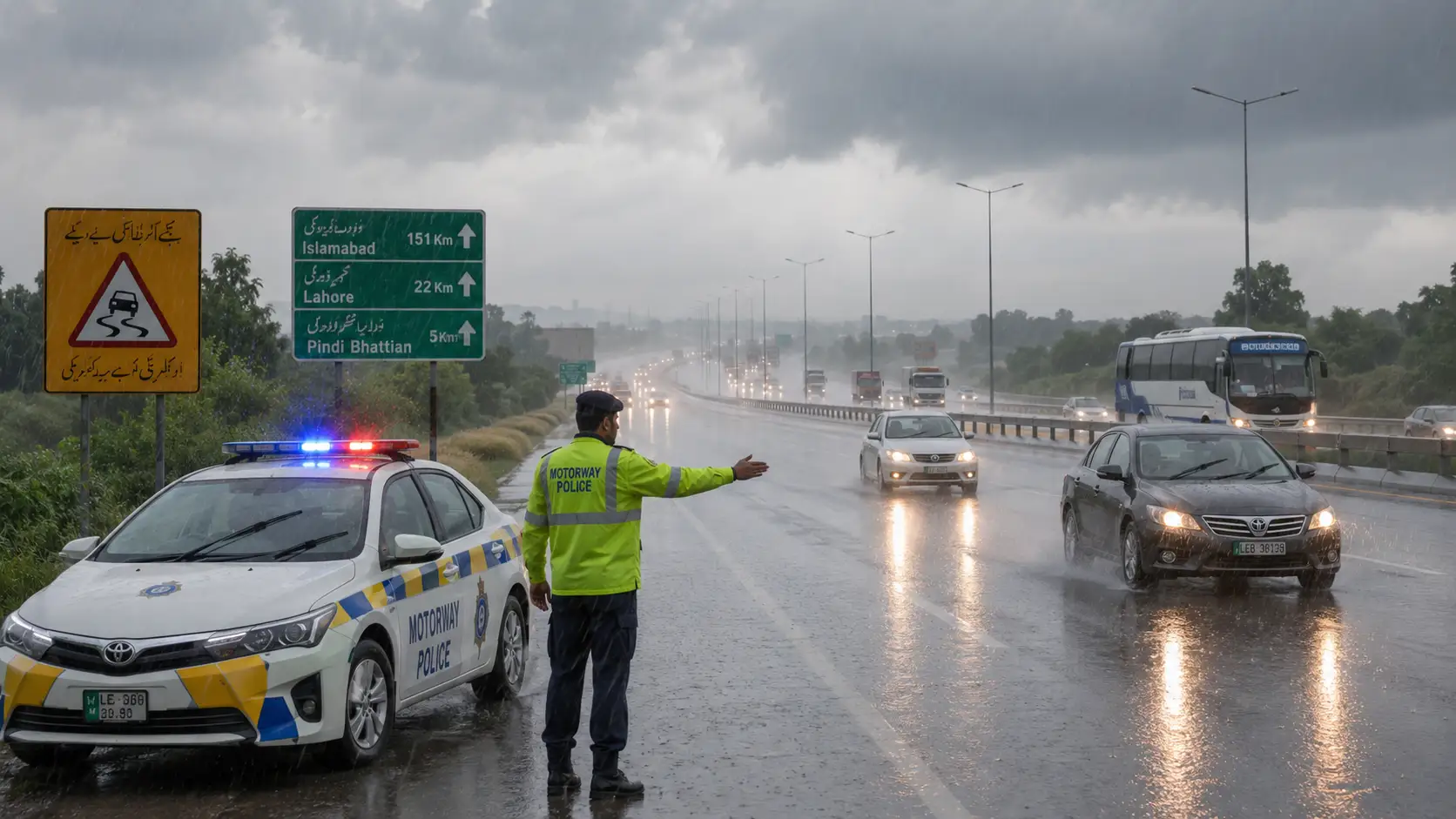

Monsoon rains caution is paramount as the motorway police issue advisories to ensure safety for travelers during this season. The heavy rains often lead to challenging driving conditions, increasing the risk of accidents. As the monsoon season progresses, it is essential for all road users to be aware of potential hazards and take necessary precautions to ensure their safety as well as the safety of others. With the downpour affecting various regions, the motorway police aim to mitigate risks through awareness and preparedness.
The Impact of Monsoon Rains on Road Safety
Monsoon rains significantly affect road safety, leading to wet and slippery surfaces. Water accumulation on highways can cause hydroplaning, where tires lose traction with the road, making it difficult for drivers to maintain control of their vehicles. This phenomenon can occur at speeds as low as 35 mph, emphasizing the need for reduced speed during rainy conditions.
Apart from slippery roads, reduced visibility is a serious concern. Heavy rain can obscure a driver’s view, making it challenging to judge distances and spot hazards in time. Such conditions require increased focus and attention from motorists to prevent collisions.
Furthermore, monsoon rains often lead to flooding, resulting in the closure of certain road sections. These closures can cause traffic congestion and require detours, adding to travel time and stress. Travelers are advised to stay updated with traffic news to avoid areas prone to flooding.
The psychological impact on drivers should also be considered. Stress and cognitive overload can take a toll on decision-making abilities. Motorists must be trained in managing stress and retaining focus, which involves conscious efforts to maintain calm and react appropriately under pressure.
On a broader scale, urban planning plays a crucial role in mitigating the impact of monsoon rains on road safety. The integration of efficient drainage systems and strategic urban design can significantly reduce the occurrence of flood-prone areas, ultimately promoting safer travel conditions.
Monsoon Preparedness: How to Drive Safely
Ensuring preparedness is critical during the monsoon season. Motorists should regularly check weather forecasts before embarking on journeys. Carrying an emergency kit that includes essentials such as a torch, first-aid supplies, and water is also advisable.
Maintaining vehicles is equally important. Drivers should ensure that their tires are in good condition, as worn-out treads can further reduce grip on wet surfaces. Functional windshield wipers and a clear windshield are vital for maintaining visibility during rainfall.
It is recommended to increase the distance between vehicles to allow adequate stopping time in slippery conditions. Using headlights appropriately can also enhance visibility for yourself and other road users.
Beyond these basic precautions, training in defensive driving techniques can further prepare individuals for unexpected events. Defensive driving involves anticipatory skills, helping drivers foresee and react to potential road hazards effectively.
Additionally, the implementation of vehicle technology, such as Anti-lock Braking Systems (ABS) and Electronic Stability Control (ESC), helps to stop vehicles more efficiently in wet conditions. Understanding and utilizing these technologies can greatly assist in maintaining control during adverse weather.
Role of Motorway Police During the Monsoon
The motorway police play a crucial role in maintaining road safety during the monsoon rains. They are responsible for issuing timely alerts and updates regarding weather conditions and road closures. Their presence on highways ensures that assistance is available in case of accidents or breakdowns.
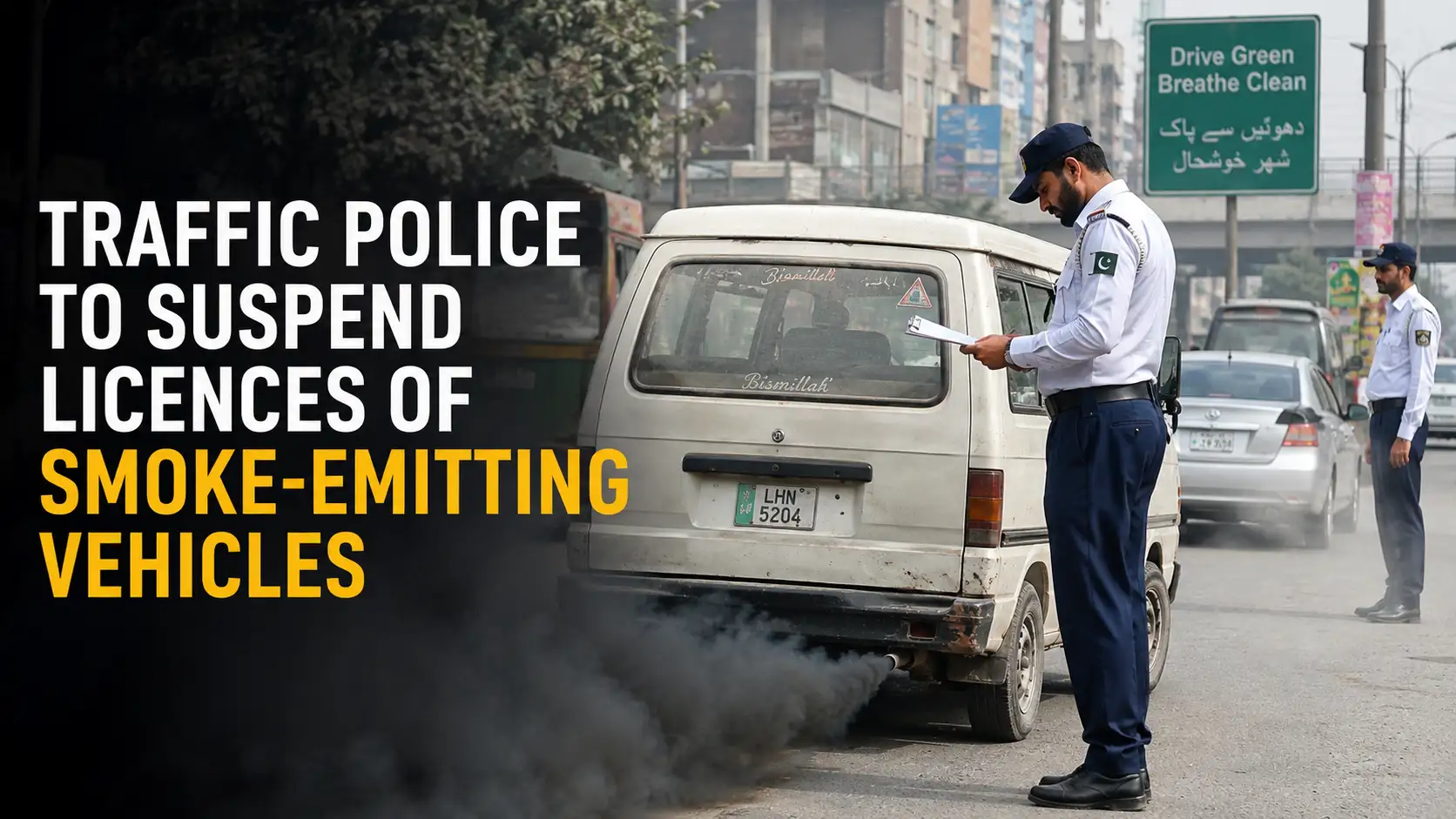
Authorities also conduct checks to ensure vehicles comply with safety standards, emphasizing the importance of roadworthiness, especially during adverse weather conditions. The police frequently patrol motorways to monitor traffic flow and provide support where needed.
Educational campaigns are another vital part of their role, aiming to inform the public about safe driving practices and the dangers of neglecting safety measures during the monsoon season.
The police also collaborate with meteorological departments to disseminate accurate weather forecasts and warnings. This initiative significantly improves the real-time preparedness of travelers and allows for better spontaneous decision-making during journeys.
Another aspect of their functionality is the emergency response training provided to motorway staff. Quick and efficient response times during incidents are crucial for minimizing disruptions and ensuring the well-being of affected travelers.
The Economic Impact of Monsoon Rains
Monsoon rains have a broad economic impact, affecting not only road travel but also other sectors. The transport industry, in particular, experiences delays and disruptions, influencing trade and logistics operations and resulting in increased costs.
Additionally, frequent road closures and diversions cause loss of productivity as commuters face longer travel times. Companies may need to invest in flexible work arrangements or alternative routing to adapt to these conditions.
Infrastructure damage due to prolonged exposure to rain weakens roads and bridges, necessitating costly repairs and maintenance, which can strain public resources.
The economic impact also extends to the tourism sector. Adverse weather conditions deter travelers, reducing seasonal tourism revenues for businesses reliant on foot traffic. Hotel and hospitality industries must plan for reduced occupancy and manage resources effectively during this season.
Moreover, agricultural productivity may also be affected, with transportation delays impacting the timely distribution of goods. This ripple effect may lead to scarcity in certain markets and subsequently increase prices.
Measures Taken by Authorities to Mitigate Risks
Authorities have implemented several measures to enhance road safety during monsoon rains. Investments in better drainage systems are crucial to minimize waterlogging incidents that contribute to accidents.
Road signage is also improved to offer better visibility in rainy conditions. Illuminated signs and reflective markers guide drivers and increase safety, particularly during nighttime or heavy downpours.
Furthermore, regular repair and maintenance work is performed on highways to ensure that potholes and other hazards are promptly addressed. These proactive steps can vastly improve travel safety.
Technological solutions have also been introduced to provide dynamic traffic management. Intelligent Transportation Systems (ITS) use real-time data analytics for traffic monitoring, improving route efficiency and reducing delays during the monsoon season.
Public information campaigns are another measure, emphasizing public awareness through radio, television, and social media. These initiatives educate the public about monsoon-specific traffic practices and encourage cooperation with transport authorities.
Historical Overview of Monsoon Challenges
Monsoon rains have historically posed challenges to road safety. In the past, limited infrastructure led to significant disruptions during the rainy season. Lack of proper drainage systems resulted in severe flooding and extended road closures.
Over time, advancements in technology and infrastructure have mitigated some of these challenges. Improved forecasting and communication systems now provide timely alerts and enable better preparation for adverse weather.
Despite these advancements, monsoon rains remain a formidable challenge, necessitating continued focus on infrastructure development and public safety measures.
The evolution of road safety laws has also played a vital role in addressing monsoon-specific issues. Increased penalties for traffic violations during adverse weather encourage compliance and conscientious road use.
Furthermore, the establishment of dedicated research units within transport departments fosters innovation and ensures continuous improvement in tackling monsoon challenges, adapting to changing weather patterns and urban structures.
Technological Advancements in Weather Forecasting
Technological advancements have played a significant role in enhancing monsoon preparedness. Improved weather forecasting techniques offer more accurate predictions, allowing motorists and authorities to plan effectively.
Real-time monitoring systems provide insights into rainfall patterns and help predict potential flooding areas. These technologies enable the efficient allocation of resources and timely deployment of emergency services.
Additionally, mobile applications and digital platforms offer motorists updates on weather conditions and traffic situations, promoting informed decision-making when planning travel during the monsoon season.
The integration of satellite imaging and geographical information systems has improved the precision of weather-related data. This technology allows for hyper-local forecasting, giving travelers and businesses detailed insights into microclimatic conditions and the related risks.
Emerging artificial intelligence platforms further enhance predictive capabilities, recognizing patterns and anomalies in historical data to forecast future weather with increased confidence, revolutionizing the way authorities prepare for, and respond to, extreme scenarios.
Community Awareness and Education
Community awareness and education are vital for reducing accidents during monsoon rains. Public campaigns highlight the dangers of neglecting safety measures and encourage responsible driving behavior.
Workshops and seminars hosted by authorities and NGOs educate drivers on handling vehicles in adverse conditions. These initiatives foster a safety-centric mindset, essential for navigating risky situations.
Social media also serves as an effective tool for disseminating information, reaching a broad audience quickly. Encouraging public participation in sharing tips and experiences can create a collaborative approach to road safety.
Forming community-driven initiatives, such as neighborhood forums or digital groups, can enhance information dissemination and resource sharing. Such networks are invaluable in crisis management, where rapid communication and collective problem-solving can save lives.
Incorporating road safety education into school curriculums instills good driving habits from an early age. This forward-thinking strategy produces a future generation of responsible drivers, contributing to long-term improvements in road safety.
Looking Forward: Future Plans for Monsoon Management
Future plans for managing monsoon rains focus on enhancing infrastructure and adopting innovative solutions. Investments in smart city technologies offer the potential for advanced traffic management systems that adapt to real-time conditions.
Sustainable urban planning is another area of focus, incorporating green spaces and permeable surfaces to reduce flooding risks. Additionally, partnerships between public and private sectors seek to leverage technology for more effective monsoon management.
As challenges persist, ongoing research and development remain critical to discover new methods for mitigating the impact of monsoon rains, ensuring a safer environment for all road users.
The concept of resilience engineering is an emerging focus, involving designing systems that anticipate, absorb, and recover effectively from environmental shocks, including monsoon floods. Innovations in this field hold promise for future urban landscapes.
International collaborations offer additional prospects for improvement, as countries exchange knowledge and technology to combat climate-specific challenges. This global perspective fosters resource sharing and innovation, encouraging societies to tackle monsoon impacts comprehensively.
Conclusion
As the monsoon rains continue, the importance of heeding caution cannot be overstated. The motorway police’s warnings serve as a critical reminder of the potential dangers and the necessity of preparedness and vigilance. With the support of technological advancements, community awareness, and proactive measures by authorities, it is possible to navigate these challenging conditions more safely.
While progress has been made in recent years to address the hazards posed by monsoon rains, there is always room for improvement. By adopting a comprehensive approach and fostering collaboration among all stakeholders, we can enhance road safety and minimize the disruption caused by this natural phenomenon.
Ultimately, it is the collective responsibility of individuals, communities, and authorities alike to ensure that safety remains a priority during the monsoon season.
Frequently Asked Questions
What precautions should drivers take during monsoon rains?
Drivers should reduce speed, maintain a safe distance, use headlights for visibility, and ensure their vehicle’s tires and brakes are in good condition.
How do monsoon rains affect road infrastructure?
Monsoon rains can damage road infrastructure through flooding, waterlogging, and erosion, leading to potholes and weakened surfaces that require repair.
What role do motorway police play during the monsoon season?
Motorway police ensure road safety by issuing alerts, assisting motorists, checking vehicle compliance, and conducting educational campaigns during monsoon rains.
How can technology improve monsoon management?
Advanced weather forecasting, real-time monitoring systems, and digital platforms provide timely information and facilitate efficient resource management during monsoons.
What are future plans for managing monsoon rain impacts?
Future plans focus on infrastructure upgrades, smart technologies, sustainable urban planning, and public-private partnerships to enhance monsoon-related safety measures.