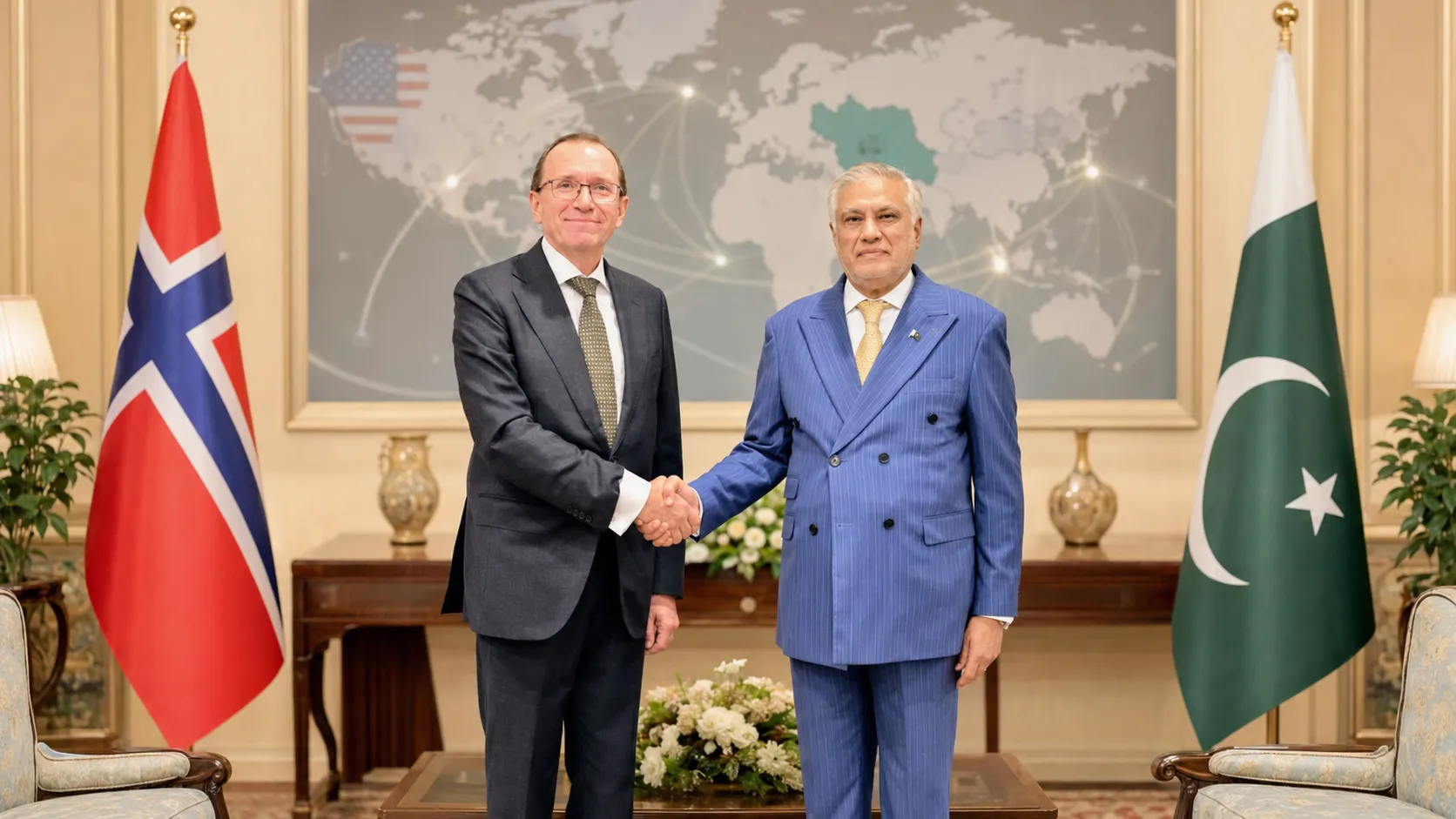
In a significant diplomatic development, Norway has praised Pakistan’s important role in the Iran-US conflict. This recognition highlights not only the strategic importance of Pakistan in the geopolitical landscape of South Asia but also the collaborative efforts undertaken by both countries to foster peace and stability in a turbulent region. As tensions continue to escalate between Iran and the United States, the role of mediators like Pakistan becomes increasingly critical. This article explores various dimensions of this relationship, including bilateral cooperation, trade, investment opportunities, and shared challenges in climate change and education.
Understanding the Iran-US Conflict
The Iran-US conflict is a multifaceted geopolitical issue that dates back decades, rooted in historical grievances, ideological differences, and power struggles. It has evolved through numerous phases, including the 1979 Iranian Revolution, the Iran-Iraq War, and the more recent tensions stemming from nuclear negotiations. The conflict has broadened to include regional rivalries, notably with Saudi Arabia and Israel. Thus, the complexity of these relationships requires careful navigation by world leaders. As the U.S. imposes sanctions and seeks to curtail Iran’s influence, Pakistan emerges as a potential intermediary, given its unique position and historical ties with both countries.
Historically, Pakistan has maintained a delicate balance in its relationships with Iran and the U.S. While aligned with the U.S. during the Cold War era and beyond, Pakistan has also fostered close cultural and religious ties with Iran. This duality equips Pakistan with the diplomatic flexibility to engage in meaningful dialogue between these two nations, making its involvement particularly essential in recent crises.
The current geopolitical landscape is marked by increasing factionalism and polarization; thus, understanding the underlying factors of this conflict is vital for appreciating Pakistan’s contributions. The nation’s capability to serve as a mediator stems from its geographical location, historical context, and a nuanced understanding of regional dynamics, all of which play a crucial role in its diplomacy.
Furthermore, the conflict serves as a microcosm of larger geopolitical shifts, where power dynamics are at play not only in the Middle East but across the globe. Pakistan’s diplomatic efforts offer insights into handling complex international relations where cultural, religious, and economic factors intersect. This understanding helps predict how similar conflicts may develop and how mediating countries like Pakistan can contribute constructively.
Pakistan’s Diplomatic Efforts
Pakistan has actively engaged in various diplomatic initiatives aimed at de-escalating tensions between Iran and the U.S. Not only does this involve direct negotiations and dialogue, but it also encompasses backchannel communications, allowing for an informal exchange of viewpoints. Diplomatically, Pakistan’s stance has been characterized by calls for dialogue and peaceful coexistence, advocating for a comprehensive approach that includes economic cooperation alongside political negotiation.
One of the most significant platforms for such diplomacy has been the Organization of Islamic Cooperation (OIC), where Pakistan frequently emphasizes unity among Muslim nations. These platforms provide Pakistan an opportunity to promote dialogue, reconciliation, and collaboration among its Islamic neighbors and other stakeholders. By adopting this posture, Pakistan has shown its commitment to peace in the region while simultaneously reinforcing its identity as a mediator.
Furthermore, Pakistan’s foreign policy has increasingly focused on establishing itself as a peace broker not just in the Iran-US context but across other regional conflicts. By aligning its diplomatic efforts with broader goals of stability and development, it is positioning itself as a central figure in international diplomacy. This evolution in foreign policy reflects a strategic shift aimed at enhancing Pakistan’s global reputation and leverage.
Pakistan’s pragmatic approach also includes confidence-building measures. By leveraging its relationship with China and Saudi Arabia, Pakistan acts as a conduit for dialogue, encouraging these significant players to view the conflict through a lens of cooperation rather than competition. This proactive strategy underscores Pakistan’s commitment to sustainable peace and economic growth both within the region and beyond.
Bilateral Cooperation: A Foundation for Peace
The importance of bilateral cooperation between Norway and Pakistan cannot be overstated, especially in the context of the Iran-US conflict. Norway, known for its historical role in peace negotiations, has recognized Pakistan’s importance and constructive role in fostering regional stability. This bilateral engagement can create an environment conducive to dialogue and respite from the ongoing hostilities.
Trade relations between Norway and Pakistan have traditionally been strong, primarily through sectors like textiles, agriculture, and seafood. These trade dynamics can serve as a springboard for further collaboration. By deepening economic ties, both countries can establish a sense of mutual interdependence, which often translates into diplomatic cooperation as well.
Moreover, climate change poses another common challenge underscoring the need for collaborative efforts. Both nations can work together in developing sustainable practices and technologies, benefiting not just their own economies but also instilling a sense of unity in addressing the global issue of climate change. By linking trade, investment, and environmental sustainability, Norway and Pakistan can leverage their partnership to tackle challenges that span beyond their immediate interests.
This cooperation extends to sharing technological innovations that drive economic development. By investing in science and technology, including the IT sector, Pakistan can enhance its infrastructure and human capital areas where Norway’s expertise could prove invaluable. Such investments not only bolster economic growth but also provide the foundational stability necessary for effective diplomacy.
Trade and Investment Opportunities
In the latter part of the 20th century, trade and investment between Pakistan and Norway have gained momentum. Pakistan’s favorable geographical position gives it access to both Eastern and Western markets, making it an attractive destination for Norwegian investments. Industries such as renewable energy, technology, and agriculture could benefit significantly from Norwegian expertise, while Pakistan stands to gain from increased foreign capital.
The renewable energy sector, for instance, is an area ripe for collaboration. Norway, being one of the world leaders in renewable energy technology, can partner with Pakistan to develop sustainable energy sources. This can potentially reduce Pakistan’s reliance on fossil fuels, a move that is essential for combating climate change and enhancing energy security.
Furthermore, investing in education and workforce development could yield long-term benefits, enabling Pakistan to cultivate a skilled labor force capable of sustaining economic growth. Norwegian educational institutions have the potential to collaborate with Pakistani universities in fields like engineering, environmental science, and sustainable agriculture, creating opportunities for knowledge exchange that could foster innovation.
Additionally, Norwegian investments could help in developing Pakistan’s infrastructure and enhancing its service sectors. This creates a multifaceted growth ecosystem, where mutual benefits arise from interconnected economic activities. Such initiatives foster trust and long-term partnerships that prove crucial when geopolitical tensions arise, creating resilient economic landscapes.
Also Read This Article : President Zardari Confers Nishan-e-Imtiaz on NSC Commander Gen Raza
Climate Change: An Urgent Imperative
The urgent reality of climate change underscores the need for immediate action from global stakeholders. Norway and Pakistan, both impacted by climate challenges, can leverage their collaboration to develop strategies that address these pressing issues. With Norway traditionally focused on sustainability and environmental partnerships, a joint approach to climate change could be a stabilizing factor in the region, particularly amidst geopolitical tensions.
Pakistan faces significant threats from climate change, including severe flooding, rising temperatures, and water scarcity. Collaboratively addressing these challenges involves sharing knowledge, resources, and best practices. Both nations could engage in joint research initiatives aimed at developing climate-resilient practices and strategies, particularly in agriculture and urban planning, which are valuable for Pakistan.
Additionally, Norway’s experience in managing natural resources sustainably can be instrumental in helping Pakistan address its climate-related challenges. This relationship not only reinforces the importance of Pakistan’s role in the Iran-US conflict but also exemplifies how shared environmental interests can unite countries in times of geopolitical tension.
By pioneering joint projects in climate adaptation, both countries can serve as examples for regional neighbors, particularly in water management and renewable energy production. These joint efforts could form a blueprint for other nations, urging a collective response to climate change that respects both environmental needs and economic realities.
Educational Exchange: Building Future Generations
One of the most profound areas for enhancing bilateral cooperation lies in educational exchange. Pakistan’s important role in the Iran-US conflict could be underpinned by a shared understanding fostered through educational initiatives. Scholarships, academic collaborations, and cultural exchange programs can serve as conduits for mutual understanding and respect.
By establishing partnerships between universities in both countries, students can engage in various fields of study that focus on international relations, diplomacy, and conflict resolution. Such programs can create a new generation of leaders equipped with the knowledge and skills necessary for navigating complex global issues, including the Iran-US conflict.
Furthermore, educational exchanges can help dispel stereotypes and deepen cultural understanding, which are vital components in conflict resolution. By fostering these relationships, both nations can work towards a less polarized atmosphere, which can, in turn, influence diplomatic negotiations.
Moreover, these exchanges create opportunities for innovation through joint research initiatives. Collaborative projects could focus on health sciences, technology and innovation, and sustainable environmental practices. Over time, such collaborations not only enhance academic excellence but also contribute to global intellectual capital.
Maritime Affairs and Security Partnerships
As global trade routes become increasingly vital in the geopolitical landscape, maritime cooperation and security partnerships have emerged as a crucial area for collaboration. Pakistan’s strategic location along key maritime routes and its growing influence in the Indian Ocean region amplify its significance in Norwegian foreign policy decisions.
In recent years, maritime security issues have gained prominence due to heightened tensions in the Persian Gulf and the Indian Ocean. By collaborating on maritime affairs, Norway and Pakistan can bolster each other’s naval capabilities while ensuring the safety of critical trade routes. Joint exercises, information sharing, and infrastructure development initiatives can enhance maritime security not just for them but for the broader region.
Furthermore, Norway’s expertise in maritime technology can serve as a valuable asset for Pakistan, especially with issues surrounding illegal fishing and piracy. Strengthening their maritime cooperation can thus contribute to a more secure maritime environment, which indirectly supports stability in the Iran-US context.
By developing secure maritime logistics, both countries can ensure safe and efficient trade routes that reduce risks associated with piracy and geopolitical disruptions. This shared commitment to maritime security also fosters broader trust and collaboration, reflecting positively on their roles in international diplomacy.
The Role of Regional Players
While Norway’s acknowledgment of Pakistan’s important role in the Iran-US conflict is commendable, it is essential to recognize the involvement of other regional players. Countries such as China, Russia, and Saudi Arabia also play pivotal roles in this axis of diplomacy – making it a complex negotiation landscape.
China, for example, has positioned itself as a strategic partner to Pakistan, providing economic support and military cooperation. This relationship affects Pakistan’s diplomatic decisions regarding the Iran-US conflict, influencing how meditative roles unfold. Understanding such dynamics is crucial for policymakers aiming to navigate this intricate web of international relationships.
Saudi Arabia, as a significant player in the region, has vested interests in the Iran-US conflict. Its considerations may clash or align with those of Pakistan, affecting the strategic calculations of Islamabad. Close coordination between these and other nations is necessary to ensure Pakistan’s role remains constructive and positive, showcasing its capabilities as a mediator in the long-term.
Moreover, the Russian involvement presents another layer of complexity. Moscow’s strategic objectives in the Middle East add further nuances to the diplomatic engagements that Pakistan must undertake. Recognizing these multiple interests is essential in shaping a cohesive and effective mediation effort.
Conclusion: A Collaborative Future
The importance of Pakistan’s constructive role in the Iran-US conflict is increasingly being acknowledged by global players like Norway. As bilateral cooperation increases, it opens avenues not only for peace in conflict zones but also for trade, investment, and collaborative solutions addressing pressing global issues like climate change. By focusing on long-term strategy, fostering educational exchange, and ensuring maritime security, both nations can work towards a collaborative future that emphasizes negotiation and unity in a multifaceted, increasingly complicated geopolitical landscape.
As we look forward, the importance of mediators like Pakistan will continue to rise. With international relations becoming more complex, countries that can foster understanding and dialogue will be invaluable. Norway’s recognition of Pakistan’s important role sets a positive precedent for peace-oriented engagement in international diplomacy, suggesting a path forward not only for these nations but for the broader region.
Strengthening Diplomatic Channels
The continuous need to strengthen diplomatic channels cannot be overstated. As emerging powers vie for influence in global politics, robust diplomatic ties ensure resilience in facing unforeseen global challenges. Strengthening these channels also invites other nations to partake in negotiation efforts, potentially resulting in innovative solutions that surpass traditional diplomatic limits.
Building a more profound mutual understanding through joint cultural initiatives and empowering multilateral dialogue reflects a paradigm shift in handling international relations. Aspects of cultural diplomacy contribute to a multi-layered understanding that surmounts transactional politics, verging on shared global citizenship.
Frequently Asked Questions
What role does Pakistan play in the Iran-US conflict?
Pakistan’s important role in the Iran-US conflict involves acting as a mediator due to its historical ties with both countries. Its geographical location and diplomatic history enable it to facilitate dialogue and negotiation efforts.
How does Norway view Pakistan’s involvement in diplomatic matters?
Norway has praised Pakistan’s important role as constructive, highlighting its efforts to promote dialogue and cooperation in international conflicts. This acknowledgment promotes bilateral relations further.
What are the implications of improved bilateral cooperation between Norway and Pakistan?
Improved bilateral cooperation can lead to economic opportunities, enhanced diplomatic relations, and collaborative strategies to combat global challenges like climate change. It positions both countries strategically on the international stage.
Can educational exchange programs affect the Iran-US conflict?
Yes, educational exchange programs can create a greater understanding between nations, facilitating dialogue and reducing hostilities, thus supporting Pakistan’s important role in managing the Iran-US conflict.
What is the significance of maritime security in this context?
Maritime security is crucial in ensuring safe trade routes and collaborative partnerships, reinforcing stability both in the Indian Ocean region and affecting broader diplomatic relations, including the Iran-US dynamics.



 Muhammad Abdullah |
August 13, 2026
Muhammad Abdullah |
August 13, 2026