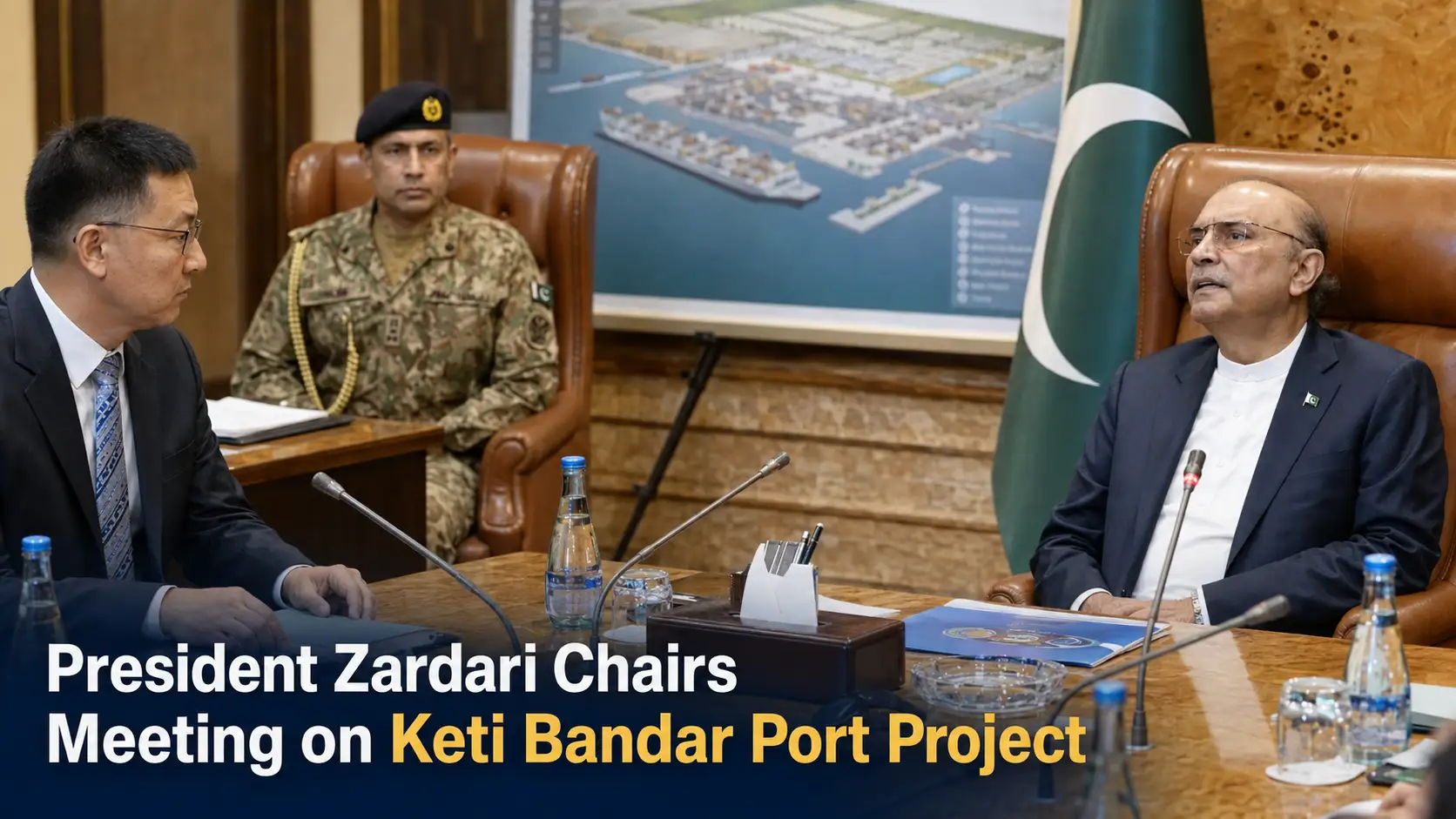







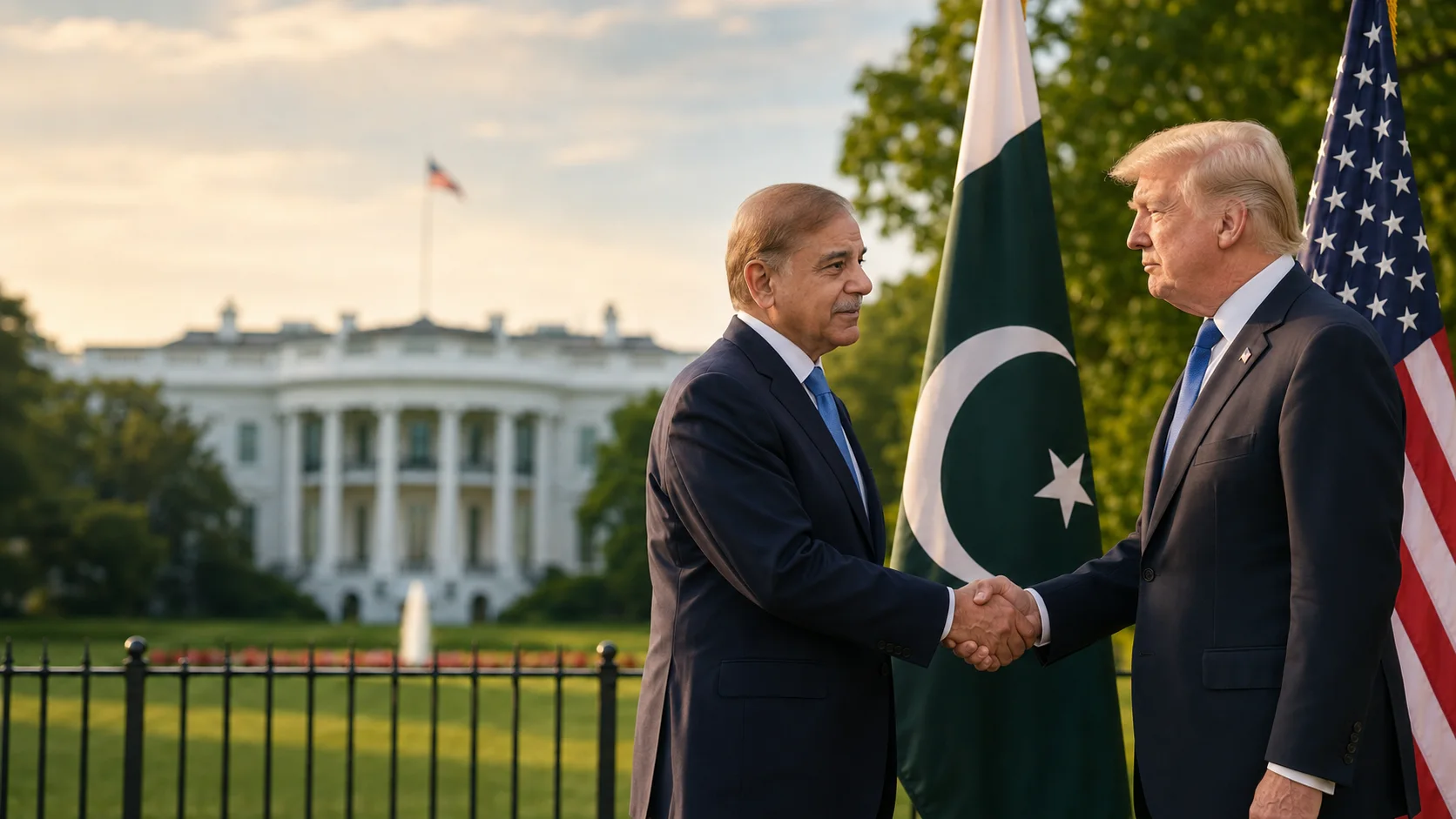

Pakistan Washington relations have witnessed a significant shift recently, characterized by newfound mutual respect and diplomatic engagement. The warming ties are particularly crucial as global geopolitical dynamics evolve. Pakistan’s active role in fostering stability in the region has caught the attention of the United States, leading to a series of engagements at various levels. Amid complex issues including US-Iran dynamics and counterterrorism efforts, both nations seem poised to explore paths that could lead to a strategic partnership.
As President Donald Trump acknowledges Pakistan’s emerging security partnerships, the South Asian nation aims to leverage this momentum while bridging the rift between Washington and Tehran. This article will delve deeply into various aspects of Pakistan Washington relations, examining historical contexts, current challenges, and future opportunities.
Historical Context of Pakistan Washington Relations
The historical backdrop of Pakistan Washington relations has been complex and multifaceted, influenced by various geopolitical interests over decades. Initially, Pakistan allied with the United States during the Cold War, largely to counteract Indian influence in the region. However, changes in policy, leadership, and external conditions resulted in fluctuating relations. The post-9/11 era brought Pakistan and the U.S. closer, primarily due to mutual concerns regarding terrorism. However, these ties also faced strains over Pakistan’s perceived lack of action against certain terrorist groups. The delicate balance has often led to an uneasy partnership, characterized by both cooperation and mistrust.
As the U.S. seeks to pivot towards a more Asia-centric foreign policy, Pakistan Washington relations have become intertwined with broader strategic objectives, including balancing relations with China and India. Historically, Pakistan’s military has played an influential role in shaping these diplomatic ties, as has the relationship between civilian leadership in Pakistan and successive U.S. administrations. Understanding this complex historical narrative is crucial for contextualizing the current diplomatic thaw. Delving deeper into the historical perspective, we find that during the Cold War, Pakistan viewed its alliance with the U.S. not just as a military necessity but as a means to solidify its position against India. This external alignment also mirrored internal political decisions, where U.S. aid played a crucial role in supporting different regimes within Pakistan.
The last decade offered glimpses of potential stabilization. However, various events such as the U.S. withdrawal from Afghanistan and changing political landscapes in Pakistan have further complicated relationships, leading to a reevaluation of strategies on both sides. Analyzing these historical contexts provides a framework for understanding the evolving landscapes of Pakistan Washington relations. Another layer of complexity is the role played by multilateral institutions where the U.S. often swayed decisions that affected Pakistani interests, ranging from economic sanctions to military aid. Consequently, Pakistan had to negotiate its sovereignty while seeking aid, which has sowed seeds of mistrust yet opened channels for dialogue.
Current Diplomatic Engagements
Pakistan Washington relations currently showcase a renewed vigor as diplomatic engagements ramp up on both fronts. With Pakistan seeking closer affiliations in its foreign policy, U.S. officials have recently welcomed high-level visits, including that of Pakistani Prime Minister Imran Khan, who discussed regional cooperation and strategic partnerships directly with President Trump. These engagements emphasize a shared commitment to counter-terrorism and regional stability, providing a renewed focus for both nations.
A key area in these discussions is Pakistan’s role in facilitating peace talks between the Afghan government and the Taliban. Washington recognizes Islamabad’s unique position to mediate talks, which has been a significant point of convergence for both nations. By aligning their interests, the countries aim to mitigate the repercussions of an unstable Afghanistan, which could destabilize not only Pakistan but also broader regional dynamics. A significant example is the Doha Agreement, where Pakistan played an instrumental role in bringing the Taliban to the negotiating table, demonstrating a potential shift towards conflict resolution rather than military engagement.
Moreover, the U.S. appears increasingly receptive to Pakistan’s security partnerships with countries such as China and Russia. This warming in relations challenges the previous narratives often surrounding Islamabad’s reliance on its eastern neighbor for security and economic partnership. With the changing landscape, these connections may prove beneficial as China and the U.S. vie for influence in the region. The strategic engagements also reflect a mutual understanding that Pakistan’s geographic and strategic position is central to U.S. interests in Asia, acknowledging that Islamabad’s cooperation is crucial in U.S.’s broader game plan in maintaining regional balance.
These discussions have also opened up new channels for strengthening economic ties, with both nations signaling a willingness to explore investments in technology, energy, and infrastructure, illustrating a comprehensive approach to redefining bilateral relations.
Pakistan’s Role in Regional Security
The relevance of Pakistan in regional security cannot be overstated when discussing Pakistan Washington relations. Historically, Islamabad has been on the frontlines of counter-terrorism efforts, sacrificing countless lives while combating various extremist groups. The U.S. has often relied on Pakistan for intelligence and logistical support, particularly during active military operations in Afghanistan.
Today, as the U.S. regime acknowledges Islamabad’s strategic significance, Pakistan is leveraging its counter-terrorism efforts to showcase itself as an indispensable ally. Increasingly, Pakistan is making headway in securing U.S. military aid and support, focusing on enhancing its capabilities to combat terrorism a factor that resonates strongly with U.S. policymakers.
Furthermore, Pakistan’s involvement in peacekeeping missions is another testament to its commitment to regional stability. By contributing troops to international peacekeeping operations, Islamabad is positioning itself as a responsible player on the global stage, an image that aligns with U.S. interests in fostering stability in regions affected by conflict. Notably, Pakistan has contributed significantly to U.N. peacekeeping efforts, sending troops to conflict zones globally. This participation not only reflects its commitment but also provides a practical platform for showcasing its military capabilities and strategic commitment to peace outside its immediate borders.
The interplay of regional security dynamics further underlines the interconnectedness of Pakistan Washington relations with broader global security concerns. The presence of non-state actors and terrorist groups has been a focal point for both nations, facilitating joint training, intelligence sharing, and strategic initiatives aimed at neutralizing threats before they proliferate. As Pakistan continues to offer intelligence and logistical support, a new phase of cooperation may emerge, focusing on cybersecurity and counter-propaganda efforts, allowing both nations to tackle evolving global threats.
Bridging the U.S.-Iran Divide
A significant component of Pakistan Washington relations involves Islamabad’s strategic position in mediating tensions between the U.S. and Iran. The ongoing rift between Tehran and Washington has global implications, affecting everything from energy security to nuclear proliferation. Recently, Pakistan has taken strides to foster dialogue, positioning itself as a facilitator for peace and stability.
Pakistan’s historical ties with Iran, coupled with its proximity, provide it with a unique vantage point from which to bridge the divide. While the U.S. maintains a hardline stance towards Iran, Pakistan can advocate for engagement strategies that might yield better outcomes for regional stability. By voicing its commitment to dialogue, Islamabad aims to affirm its role as a mediator and secure a favorable position in the diplomatic landscape.
Moreover, if successful, these efforts could lead to mutual concessions that may benefit not only Iran and the U.S. but also Pakistan itself. Sustainable peace in that triad could pave the way for enhanced trade agreements and energy collaborations that benefit Islamabad. As a result, these diplomatic endeavors could see a holistic approach, which could shape the geopolitical future of the region. Pakistan’s diplomatic dance in mediating between these tense relationships is crucial, as it tries to balance its historical ties with Tehran while aligning sufficiently with Washington. This balancing act is intricate, often requiring delicate diplomatic engagements and a nuanced understanding of regional politics.
Pakistan’s stance has also been emblematic of its broader strategy to maintain cordial relations with all neighbors, ensuring its soil is not a battleground for external conflicts. As Islamabad continues to advocate for peace, this effort can potentially unlock new channels of economic and technological cooperation with both sides, positioning Pakistan as a leader in innovative diplomacy.
Also Read This Article: Government Perfectly Shuts Down Rumour Mill About Imran Khan
Impact of Economic Ties on Pakistan Washington Relations
The economic dimension significantly influences Pakistan Washington relations, often serving as a barometer for broader diplomatic engagements. An increase in trade agreements and economic collaborations could facilitate further improvement in political and security relations. Currently, both countries are exploring avenues to boost economic ties, which could help strengthen bilateral relations.
One area of focus is the revival of the U.S.-Pakistan Economic Partnership, which attempts to enhance market access and investment opportunities. The U.S. has been Pakistan’s largest trading partner, and fostering a robust trade relationship offers significant benefits to both nations. In recent discussions, both parties have emphasized boosting the existing trade volume, creating jobs, and sharing technology that contributes to economic growth.
Beyond mere trade, U.S. investment in Pakistan’s energy sector can lead to energy independence and improved economic conditions. Pakistani officials have articulated their vision for renewable energy sources to meet the demands of a growing population, aligning their objectives with U.S. interests in countering climate change. Strengthening economic ties thus holds strategic importance and underscores the interconnected nature of Pakistan Washington relations. Initiatives like the U.S.-Pakistan Women’s Council, which focuses on women’s economic empowerment, further highlight the multifaceted nature of these ties, aiming to leverage human capital and foster socio-economic development in Pakistan.
Another promising avenue is collaboration on technological fronts, where both nations can share expertise on innovation, cybersecurity, and digital transformation. As Pakistan positions itself as a player in the tech industry, partnerships with U.S. firms could provide infrastructure, investment, and knowledge, helping Pakistan modernize sectors like agriculture, health, and education. The economic engagements form a critical foundation upon which deeper geopolitical ties can be built, ultimately shaping the future course of Pakistan Washington relations.
Potential Challenges in Renewed Ties
Despite the optimistic outlook on Pakistan Washington relations, several challenges persist that could disrupt this newfound diplomacy. Firstly, the mistrust stemming from historical legacies cannot be underestimated. Issues involving checkpoints to Pakistani soil and perceived inequalities in military aid continue to cast shadows over ongoing engagements.
In addition, the unpredictable nature of political changes in Pakistan may pose challenges to sustained commitments to U.S. objectives. Shifts in leadership or a return to hardline approaches can shift the narrative of active cooperation and lead to subsequent tensions.
Furthermore, external pressures from regional players like India and Afghanistan could complicate Pakistan’s maneuvering space. Any resurgence of hostilities in the region may lead to knee-jerk responses that could alter the strong diplomatic currents currently underway. Pakistan must also contend with domestic pressures, where public sentiment regarding American influence can sway policy decisions, potentially curtailing the progress made in diplomatic engagements.
Another potential hurdle lies in reconciling differences in counterterrorism approaches. Divergences in how both nations perceive and address threats could lead to friction, challenging ongoing collaboration. It is crucial to establish communication channels that are resilient to misunderstandings or misinterpretations, ensuring that future ties are adaptive and responsive to geopolitical shifts.
Expert Perspectives on the Future of Pakistan Washington Relations
Experts have weighed in on what the evolving Pakistan Washington relations mean for the future. Analysts highlight the potential for both sides to engage further, provided they navigate historical grievances and focus on mutual benefit from their cooperative ties. According to prominent political analysts, the extent to which both nations embrace genuine partnership will dictate the contours of future relations and whether they will remain stable or revert to previous strains.
Furthermore, experts have noted that U.S. willingness to engage with Pakistan can reshape the broader security architecture in South Asia. A strong relationship can facilitate not just a partnership for counter-terrorism but also new avenues for diplomacy around regional crises. As both nations face challenges from evolving terrorist threats and non-state actors, experts posit that collaborative strategies will be essential.
However, scholars are also cautious about viewing this moment as a panacea. They emphasize addressing longstanding issues such as military aid and pressure from the military establishment must remain central to any ongoing discussions. Ultimately, constructive interactions grounded in mutual respect and benefit can pave the way for more productive Pakistan Washington relations moving forward. The role of think tanks in both countries has been instrumental in framing discussions and setting agendas that underscore the importance of long-term, sustainable cooperation. These insights suggest that while the road to stable Pakistan Washington relations could be fraught with challenges, it also offers significant opportunities.
The Role of Public Opinion and Media
The impact of public opinion and media cannot be overlooked in shaping Pakistan Washington relations. Media narratives often influence policy decisions and shape perceptions about bilateral ties. In Pakistan, the media plays a crucial role in discussing U.S. policies and actions, which can either support or challenge government approaches. Public perception is often swayed by past U.S. actions, especially those that have directly impacted Pakistan, such as drone strikes. These incidents have left lasting impressions, creating skepticism towards American intentions.
Conversely, in the U.S., the media’s portrayal of Pakistan can influence public perception, ultimately impacting diplomatic strategies. Stories emphasizing Pakistan’s security challenges and political instability can lead to calls for cautious engagement. Recognizing the role of media and public opinion underscores the need for both nations to engage in transparent communication, addressing misconceptions and fostering better understanding. Efforts to promote educational and cultural exchanges between the countries can also play a role in cementing diplomatic relations, breaking down stereotypes and fostering a climate of mutual respect.
Conclusion
The evolving landscape of Pakistan Washington relations signals a promising trajectory that, if navigated adeptly, could lead to enhanced political, economic, and security collaborations. Both nations stand at a pivotal juncture to redefine their past alliances and foster a new chapter grounded in mutual respect and shared interest. As President Trump acknowledges the burgeoning partnerships emerging from Pakistan’s strategic initiatives, it becomes clear that a sustained commitment to diplomacy can yield beneficial outcomes for both nations.
Pakistan is actively pursuing avenues to mitigate U.S. distrust, aiming to present itself as a dependable ally in the face of complex global challenges. Concurrently, Washington’s recognition of Islamabad’s role in mediating critical geopolitical rifts, notably the tensions with Iran, manifests the evolution towards a more nuanced relationship.
Despite encountering historical grievances and multifaceted challenges, the potential for strengthening Pakistan Washington relations is palpable. The convergence of interests particularly concerning security and economic partnerships could forge a path toward a cooperative future, benefiting not just the two nations involved, but also the broader regional stability of South Asia.
Frequently Asked Questions
What has caused the warming of Pakistan Washington relations?
The warming of Pakistan Washington relations is primarily due to Islamabad’s active role in regional diplomacy and mutual interests in counter-terrorism efforts. President Trump has acknowledged Pakistan’s significance in facilitating peace in Afghanistan and addressing security challenges.
How does Pakistan’s role in the U.S.-Iran tensions influence its relations with the U.S.?
Pakistan’s position as a mediator in U.S.-Iran tensions enhances its strategic standing. By advocating for dialogue, Islamabad can bridge divides, positioning itself favorably in Washington’s eyes and solidifying its importance in regional stability.
What challenges could affect the relationship moving forward?
Challenges such as lingering mistrust from historical grievances, potential political fluctuations in Pakistan, and external pressures from regional players like India could impact ongoing engagement and cooperation in Pakistan Washington relations.
What economic aspects are influencing Pakistan Washington relations?
The economic aspects play a crucial role in Pakistan Washington relations, with ongoing discussions focused on boosting trade, investment, and energy cooperation, which can enhance mutual interests and foster stronger ties between the two countries.
What is the future outlook for Pakistan Washington relations?
The future of Pakistan Washington relations appears promising, with both countries having the opportunity to redefine their partnership. Continued diplomatic efforts and shared objectives can pave the way for a more stable and cooperative relationship moving forward.