





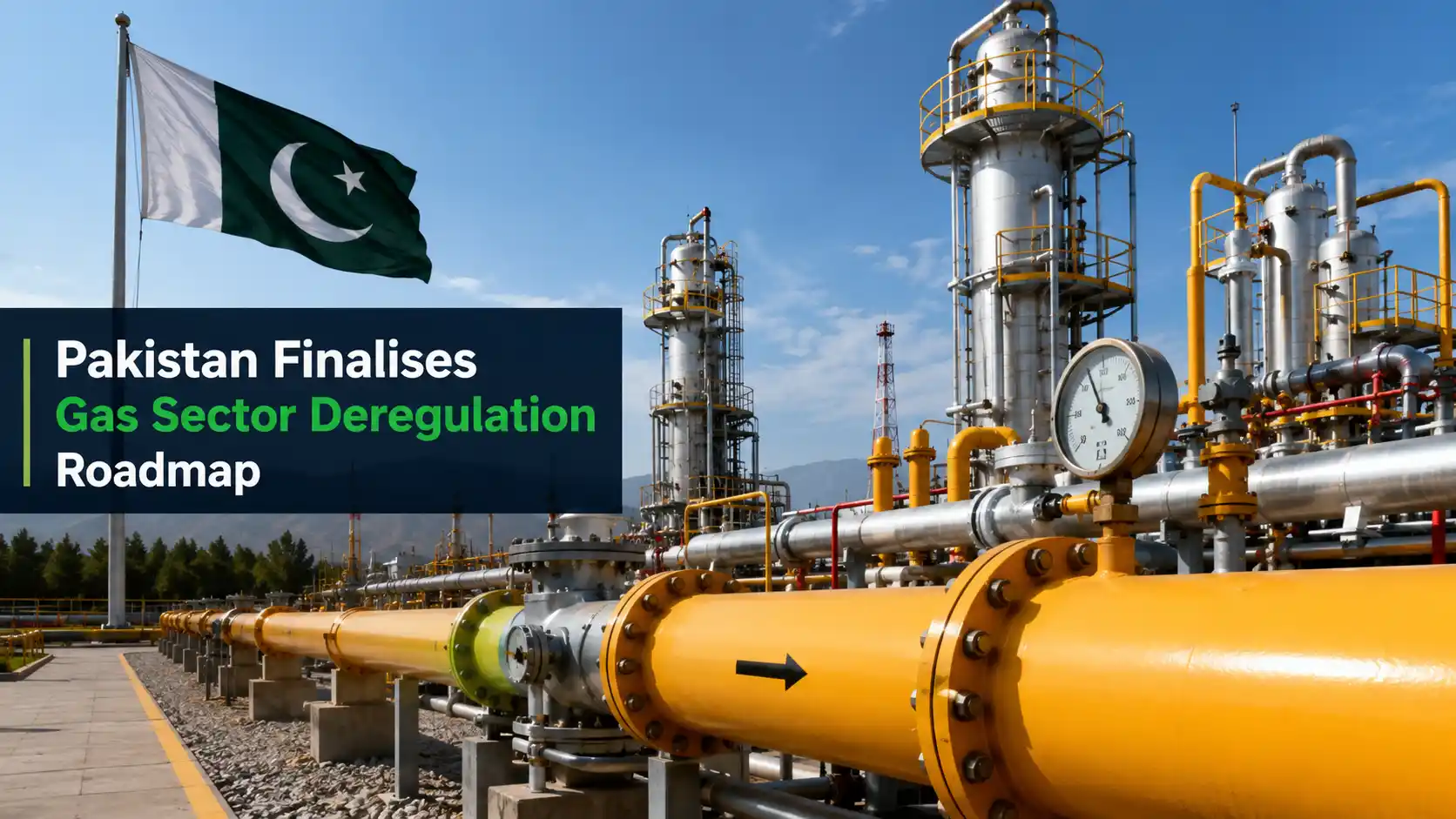

Pakistan gas sector deregulation is a pivotal development that has drawn attention from economists, policymakers, and energy analysts alike. The recent finalisation of a deregulation roadmap aims to overhaul Pakistan’s gas industry, encouraging market competition and improving energy efficiency. The decisions taken in the energy sector have far-reaching implications not only for the immediate stakeholders but also for the broader economic framework of the country. In light of rising energy demands and fluctuating prices, the government is committed to creating a more sustainable and integrated energy model. This strategic approach will facilitate foreign investment, ease operational burdens on local enterprises, and ultimately benefit consumers by offering them a broader array of choices. In a nation known for its rich natural resources, the time has come to harness its full potential through a comprehensive deregulation strategy.
Understanding the Context of Pakistan’s Gas Sector
The gas sector in Pakistan has long been characterised by government control and a lack of competition. Historically, state-run enterprises dominated the landscape, resulting in inefficiencies, distribution challenges, and a constrained environment for private sector involvement. As a result, the country’s energy infrastructure suffered, limiting economic growth. Before the roadmap finalisation, investigations pointed to various issues such as tariff misalignments, lack of investment in gas infrastructure, and escalating demand exceeding supply levels. For a nation heavily reliant on gas for its energy needs, these challenges posed significant risks. Through deregulation, the government aims to rectify these systemic issues, promoting a more competitive environment that encourages innovation.
Moreover, the gas sector accounts for a significant percentage of Pakistan’s energy mix. As natural gas continues to be a preferred source of energy for power generation, the necessity for a robust framework to harness its full potential is clear. By allowing market forces to dictate prices rather than a fixed tariff regime, the government anticipates that production will increase. This, in turn, can lead to decreased dependence on foreign gas imports, ensuring energy security. However, it is essential that such shifts are effectively communicated to avoid market shocks that could disrupt the delicate balance of supply and demand.
The rationale behind the deregulation roadmap rests squarely on fostering a competitive marketplace. By opening the gates for more players, not only can innovation flourish, but the quality of services can also improve, catering specifically to consumers’ diverse needs. The introduction of regulations that support market entry can stimulate significant investment opportunities, which are vital for overcoming existing infrastructural hurdles.
In evaluating the significance of the deregulation effort, it’s also important to consider the role of technological advancements. Technological integration in Pakistan’s gas sector could lead to enhanced monitoring systems, ensuring that gas distribution becomes more reliable and efficient. The transition might also lure local and international tech firms to explore opportunities within the sector, offering innovative solutions that could revolutionize traditional methods currently in use. This forward-thinking approach not only addresses existing challenges but also positions the sector to adapt more swiftly as global energy trends evolve.
Key Components of the Deregulation Roadmap
The Pakistan gas sector deregulation roadmap comprises several key components aimed at transforming the landscape. An essential element is the liberalisation of gas pricing, which is anticipated to align domestic prices with regional benchmarks. By introducing a flexible pricing mechanism, the government signals its commitment to market dynamics where price reflects actual supply and demand. This shift will encourage producers to maximise output while ensuring that consumers pay a fair price based on market conditions.
Another pivotal component is the restructuring of gas distribution networks. As it stands, the distribution network has been plagued with inefficiencies, limited capacities, and asset management issues. The roadmap focuses on reorganising and potentially unbundling the existing monopolies to allow for better management and resource allocation. This could lead to a more seamless supply chain, from production to consumption, benefitting local industries reliant on steady gas availability.
Lastly, the roadmap stipulates the establishment of a regulatory framework to oversee the newly restructured gas sector. Regulatory bodies will be tasked with implementing laws, safeguarding consumer interests, and encouraging a competitive marketplace. By ensuring that regulations are clear and consistently applied, foreign and local investors can gain confidence, ultimately fostering a more vibrant gas sector.
The deregulation roadmap also anticipates the development of infrastructure that supports sustainable growth. For instance, upgrading pipelines, expanding storage facilities, and integrating advanced technologies to monitor gas leaks are critical elements that could strengthen the sector’s backbone. These infrastructural investments can not only remedy previous inefficiencies but also support future growth, ensuring that the sector remains resilient against potential disruptions.
Furthermore, aligning this strategy with national energy policies will be crucial. Understanding the synergy between discrete policy measures and overarching goals provides a comprehensive view of the challenges and opportunities inherent in the deregulation process. Coordination among different government departments, regulatory agencies, and private enterprises will help maintain momentum and assure coherence in achieving the strategic objectives laid out in the roadmap.
The Role of Environmental Sustainability
As Pakistan intends to fortify its gas sector, considerations for environmental sustainability are imperative. In a world increasingly focused on climate change and renewable energy, the need to balance gas reliance with environmental obligations is crucial. The deregulation roadmap reflects an understanding that gas is still considered a transition fuel, especially as longer-term commitments to renewable energy sources must be made.
Investing in technologies that facilitate cleaner gas extraction and consumption will be critical. The reduction in flaring, the adoption of carbon capture technology, and optimising the combustion process are practical ways to ensure that the environmental impact of gas usage is mitigated. Moreover, deregulation presents an opportunity to encourage investment in green technologies that could directly tie into the gas sector.
By placing environmental considerations at the core of the deregulation strategy, Pakistan can become a leader in both gas production and green energy initiatives. This dual focus can attract international partnerships dedicated to developing sustainable energy solutions, contributing to a larger global shift towards greener alternatives.
In addition to focusing on current environmental responsibilities, the roadmap can serve as a foundation for developing future frameworks that align with global environmental standards. By joining international initiatives and complying with environmental treaties, Pakistan can enhance its reputation as a responsible energy producer. Such commitments also create mutual beneficial partnerships with countries leading in green energy transitions, providing learning opportunities and innovations that can be assimilated domestically.
Challenges Ahead in Implementation
While the finalisation of the Pakistan gas sector deregulation roadmap marks a significant positive step forward, various challenges remain in the implementation process. Firstly, entrenched interests resistant to change may pose barriers. State-run enterprises, accustomed to the status quo, may not easily relinquish their control over the market. Addressing these entrenched attitudes will require robust strategies, including stakeholder engagement and transparent communications to build public and administrative support for the changes.
Secondly, regulatory clarity will be vital in ensuring that the roadmap’s objectives are achieved. Investors and market players need clear guidelines and operating principles to avoid uncertainty that could stymie enthusiasm and investment in the sector. If appropriate regulations are not established promptly, there exists a risk of capital flight and diminished economic activity within the sector.
Furthermore, consumer education cannot be overlooked. The public needs to be adequately informed about the implications of deregulation and how it will impact them. A carefully designed communication strategy must emphasize the benefits while addressing potential roadblocks that consumers may face as the market transitions.
One underlying challenge lies in managing the transition period effectively. As large organizations adapt their strategies to fit within the new regulatory framework, the training and development of staff becomes critical. Employers must ensure that their workforce is equipped with the requisite skills to navigate new technologies and methodologies inherent in a liberated market. Additionally, industry-specific training programs should be introduced to equip younger generations with the skills necessary for emerging roles in the deregulated sector.
The potential for logistical challenges during implementation presents another hurdle. Redefining supply chains, realigning partnerships, and upgrading infrastructure all require coordinated efforts and efficiently deployed resources. Ensuring that these changes occur smoothly requires detailed planning and flexibility to adapt to unforeseen circumstances, all critical to achieving the end goals of the roadmap.
Also Read This Blog: LA-43 Kashmir Valley 4: Unofficial Result and Analysis
International Implications of Deregulation
The effects of Pakistan gas sector deregulation extend beyond its borders, having international implications that warrant careful analysis. The shift toward a more competitive marketplace stands to attract foreign investment, particularly from nations and corporations seeking to capitalize on the nation’s natural gas reserves. Countries such as Qatar and Iran, already well-versed in importing and exporting gas, may find new opportunities for collaboration, benefitting both Pakistan and its partners.
Moreover, the regional geopolitical landscape plays an intricate role in energy dynamics. The evolving situation in Afghanistan, along with other parts of Central and South Asia, marks Pakistan as a strategic passage for energy trade routes. A well-regulated, deregulated gas sector can position Pakistan as a mainstay for regional gas trading, which could further diversify its economy.
As international stakeholders assess the implications of deregulation, the potential for shared infrastructure projects and cross-border agreements becomes increasingly promising. Collaborative efforts could address not only gas supply issues but also foster international relations grounded in shared economic interests.
The positioning of Pakistan within the global energy market will be pivotal. Potential alignment with major energy players and organizations such as the Organization of the Petroleum Exporting Countries (OPEC) could yield substantial benefits. Leveraging these associations can facilitate knowledge exchange, infrastructure development, and greater market access, all enhancing Pakistan’s status on the world energy stage.
Moreover, the geopolitics of energy increasingly aligns with broader issues such as environmental sustainability and energy independence. As Pakistan shifts its energy policies, other nations will view these actions within the context of global environmental commitments, trade alliances, and political stability. The ability to navigate these complex international dynamics will determine how well Pakistan can harness its refreshed gas sector for national and regional advantages.
Impacts on Local Economies
The gas sector deregulation roadmap holds significant implications for local economies within Pakistan. Small and medium enterprises (SMEs), which form the backbone of the economy, can benefit tremendously from a more integrated and accessible gas supply. As the cost of gas adjusts to market realities, businesses can expect improved energy reliability, allowing for operational efficiency and resource optimisation.
Additionally, as investments soar following deregulation, job creation becomes a tangible benefit. The intricacies of establishing new distribution networks, expanding production capabilities, and enhancing existing infrastructures cater to various skills and capabilities in the workforce. This effect can significantly ameliorate economic conditions in areas previously marked by energy scarcity and job shortages.
Furthermore, education and training programs can support workforce development, ensuring that local communities are equipped with the skills necessary to engage in the evolving gas sector. A knowledgeable workforce will not only adapt to market changes but will also innately allow the economy to innovate and thrive.
The impact of deregulation on local economies extends beyond immediate economic benefits. By empowering SMEs and fostering a culture of entrepreneurship, there can be a resurgence of local industries previously unable to compete due to energy constraints. Local businesses may innovate new products and services tailored to community needs, all deriving from a newfound ability to manage energy consumption effectively.
Such economic revitalization can be observed in rural and semi-urban areas. Clear and steady energy access facilitates the development of industries such as agriculture, textiles, and manufacturing, all contributing to local incomes and reducing migration to urban centers. Equitable distribution of these benefits further ensures that deregulation is felt across the societal spectrum, enhancing societal cohesion and economic stability.
Potential Benefits to Consumers
For consumers, the Pakistan gas sector deregulation roadmap carries the prospect of enhanced choices and better pricing mechanisms. The introduction of competition encourages suppliers to offer more attractive pricing structures, which can lead to decreased costs for households and businesses alike. Consumers will no longer be at the mercy of monopolistic practices; instead, the power of choice will shift back to them.
Moreover, a competitive market may stimulate product innovation, leading to improved service delivery models. Companies eager to capture market share may introduce new technologies and services, such as advanced payment methods, better customer service protocols, and enhanced energy management systems.
Ultimately, the focus on consumer welfare amplifies the importance of ensuring that price volatility is mitigated through effective regulatory frameworks. If adequately managed, consumers stand to experience an overall improved quality of life as access to affordable energy gets prioritised.
Consumer empowerment through deregulation extends into wider economic participation, creating informed users who actively engage in market dynamics. Educational campaigns and informative resources will play a vital role in teaching consumers how to navigate this new landscape, understanding pricing, monitoring usage, and exploring savings opportunities. A consumer-oriented market heralds an era where user feedback and participation can drive continuous service improvement.
Moreover, the personalization of energy solutions presents an exciting opportunity. Consumers could tailor their energy usage plans, aligning with lifestyle needs and energy goals, whether they prioritize cost, sustainability, or efficiency. This responsiveness not only cultivates consumer satisfaction but also establishes a sustainable business model that resonates with the future trajectory of the energy sector.
The Future of the Pakistan Gas Sector
Looking ahead, the finalisation of the Pakistan gas sector deregulation roadmap serves as a robust starting point for an ambitious future. The emphasis on revitalising the gas sector through liberalization, transparency, and consumer focus aims to establish an energy ecosystem aligned with global best practices. The journey ahead will entail rigorous regulatory oversight and a collaborative approach that includes diverse stakeholders.
The ambitious strategy also opens avenues for joint ventures, encouraging governmental and private partnerships, both locally and internationally. As the world increasingly grapples with the nuances of energy transitions, Pakistan’s proactive approach may serve as a case study for other nations with similar energy challenges.
Moreover, setting measurable objectives within the deregulation framework can enable effective monitoring of progress. The Pakistan gas sector must navigate a landscape marked by rapid changes, necessitating adaptive strategies that can respond to emerging challenges while maintaining a steadfast focus on long-term goals.
The future energy landscape in Pakistan reflects a harmonization of technological innovation and strategic investment. As cutting-edge technologies intersect with long-term policy commitments, the potential to transform the gas sector into a modern, efficient, and responsive energy powerhouse remains within reach. Firms investing in research and development forge pathways to innovation. These efforts not only enhance competitive advantage but also contribute meaningfully to global energy transitions.
Moreover, from a governance perspective, continuous regulatory evaluations will be critical in ensuring the strategic alignment of policy adjustments. Stakeholder dialogues, public forums, and partnerships with academic institutions can stimulate creativity and sustained progress, crafting a future where energy goals meet societal aspirations. As Pakistan’s gas sector embarks on this journey, the promise of sustainability, resilience, and prosperity shines brightly as a beacon for impending transformation.
Conclusion
In conclusion, the finalisation of the Pakistan gas sector deregulation roadmap is a landmark achievement that carries profound implications for the nation’s economy, the local populace, and international relations. While various challenges lie ahead, the potential benefits, from market efficiency to consumer welfare, make this initiative a momentous undertaking for Pakistan. By fostering a competitive atmosphere, enhancing transparency, and focusing on environmental sustainability, the government is making important strides towards a more resilient energy future.
The journey of deregulation is not merely a reactive response to current energy demands; it represents a strategy for sustainable growth and enhanced energy security that aligns with global trends. As all stakeholders rally to embrace this transformation, it will be critical to ensure that the benefits of deregulation are shared equitably across society, fortifying the pathway towards a more prosperous and energy-secure Pakistan.
Frequently Asked Questions
What is the significance of the Pakistan gas sector deregulation?
The significance of the Pakistan gas sector deregulation lies in its potential to enhance market competition, improve energy efficiency, and bolster consumer choices. By allowing market forces to dictate operational dynamics, the sector can optimise gas production and distribution, ultimately benefitting the economy.
What are the expected benefits for consumers?
Consumers can anticipate lower prices and improved service delivery as increased competition encourages suppliers to offer better options. Pakistan gas sector deregulation aims to shift power back to consumers by providing them with more choices.
How will the deregulation impact local businesses?
Local businesses, especially SMEs, stand to gain from a more reliable supply of gas at competitive prices, enhancing their operational efficiencies. The deregulation roadmap aims to create a conducive environment for business innovation and growth.
What challenges may arise from the deregulation process?
Challenges include resistance from entrenched interests, regulatory uncertainties, and the need for effective communication with consumers. Addressing these factors will be essential for the successful implementation of the deregulation roadmap.
What long-term implications does this roadmap have for Pakistan?
The long-term implications include greater energy security, improved foreign investments, and a more resilient economy. Pakistan gas sector deregulation is poised to foster sustainable growth and environmental responsibility as the nation aligns itself with global energy trends.