






Pakistan US-Iran talks have emerged at a crucial juncture as a 60-day ceasefire edges towards its expiration. The backdrop of these discussions features escalating tensions among global powers, marked by the complex web of alliances and conflicts involving Iran, the United States, and the Houthis in Yemen. Following recent diplomatic engagements, including talks between Pakistani officials and Iranian counterparts, the urgency for a renewed dialogue is becoming increasingly pressing. As international observers scrutinize the situation, the unfolding narrative raises questions about regional stability and the potential geopolitical consequences of a resurgent conflict.
Understanding the Current Ceasefire Situation
The ceasefire currently in place serves as a temporary reprieve from the hostilities that have plagued the region, primarily involving the Houthis and the Saudi-led coalition. Instigated as part of broader peace efforts, the ceasefire has provided a window for humanitarian relief and rebuilding efforts. However, its impending expiration casts a shadow over recent diplomatic achievements. Observers note that a failure to extend the ceasefire could lead to an escalation of violence, particularly in Yemen, where the humanitarian crisis continues to deepen.
During the initial 60 days of the ceasefire, there were significant international efforts to encourage dialogue among the parties involved. While the Houthis have shown a willingness to negotiate, distrust among the factions complicates any talks. Moreover, Iranian support for the Houthis raises questions about Tehran’s own intentions and its long-standing adversarial relationship with Washington.
Historical precedents suggest that ceasefire agreements can serve as starting points for lasting peace, but they also have the potential to unravel abruptly. As the clock ticks down, the need for proactive engagement by nations like Pakistan, which has positioned itself as a mediator, becomes critical.
Additionally, the ceasefire has been instrumental in providing a pause for international stakeholders to assess the broader implications of the Yemeni conflict. The humanitarian impact of these hostilities has been severe, affecting millions of civilians who rely on ceasefires to receive essential aid. Strategic goals of involved parties often overshadow such humanitarian needs, making fragile peace arrangements imperative.
Beyond its immediate ramifications, the ceasefire’s expiration could have significant effects on regional security dynamics. For instance, the destabilization of Yemen has often served as a proxy battlefield for broader geopolitical struggles, particularly between Saudi Arabia and Iran. Renewal of hostilities might reignite these tensions, impacting regional security and economic interests, including oil prices and trade routes.
Recent Diplomatic Efforts by Pakistan
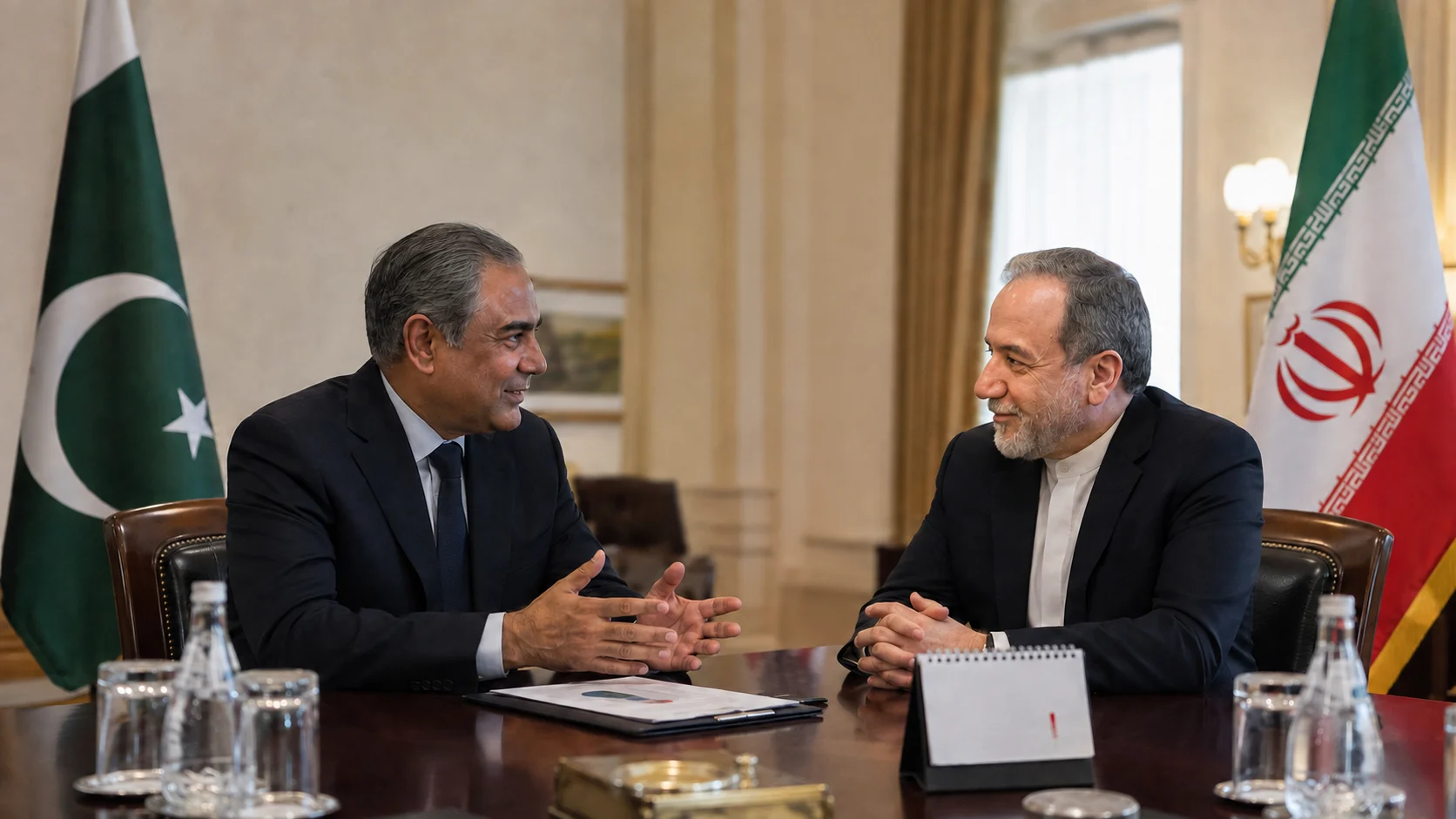
In recent weeks, Pakistani officials have ramped up diplomatic engagement in the region, calling for a united front among nations to address the ongoing crisis. The meetings held in Mashhad between Pakistani Foreign Minister Shah Mehmood Qureshi and Iranian Deputy Foreign Minister Seyyed Abbas Araghchi signify Pakistan’s commitment to facilitating dialogue between the United States and Iran.
These discussions aren’t merely reactive; they are part of a strategic approach by Pakistan to bolster its role as a mediator in Middle Eastern conflicts. Islamabad aims to position itself as a bridge builder, offering a neutral ground for conversations that may avert further escalations. This diplomatic overture is deeply rooted in Pakistan’s historical ties to Iran and its desire to maintain stability in the region.
Pakistan’s outreach underscores the complexity of the region’s political landscape. As Islamabad engages with Tehran, it simultaneously seeks to manage its relationship with Washington, which complicates Pakistan’s role as a mediator. This balancing act reflects the intricate interplay of relationships among various stakeholders, each of whom has their own interests and agendas.
The initiative taken by Pakistan can be seen as part of its broader foreign policy strategy, which seeks to leverage its geostrategic position. By acting as a mediator, Islamabad not only enhances its regional significance but also cultivates economic and security-related partnerships conducive to its national interests. The role of Islamabad as a peace agent in this particular situation may have long-term ramifications, shaping its diplomatic relations with both regional and global powers.
Furthermore, the history of Pakistan’s foreign relations with Iran and the U.S. adds an additional layer of complexity. Navigating these waters requires careful diplomatic maneuvering, ensuring that Islamabad is not perceived as taking sides. The legitimacy and effectiveness of Pakistan’s efforts thus depend on its ability to convince all involved parties of its neutrality and genuine intent to foster peace.
The Complex US-Iran Relationship
The relationship between the United States and Iran has been historically fraught with tension. Following the 1979 Iranian Revolution, a series of hostilities and sanctions have colored their interactions. Presently, the dynamics of this relationship continue to shape the geopolitical climate of the region as both nations find themselves at an impasse.
Recent statements from President Trump, asserting that the U.S. maintains “total control” over the strategically crucial Strait of Hormuz, further underline the delicate balance of power in the region. The Strait serves as a vital maritime route for oil shipment, underscoring its importance to global trade. This statement reflects a broader strategy by the U.S. to exert pressure on Tehran, aiming to limit its influence in the Gulf and deter aggressive actions.
Despite the perceived hostility, both nations understand the grave implications of an outright conflict. Should the ceasefire efforts collapse, Iran’s Revolutionary Guards have hinted at the possibility of prolonging conflicts until the current U.S. administration concludes. This rhetoric speaks volumes about how both sides perceive the struggle for influence not just in the immediate region but on the global stage.
The ongoing standoff between the U.S. and Iran is further complicated by the presence of other actors like Russia and China, who may tilt the balance of power. This adds additional layers of complexity to the diplomatic efforts led by Pakistan. Furthermore, domestic political pressures in both countries pose additional obstacles to fruitful dialogue. For instance, in the U.S., any softening towards Iran may provoke partisan backlash, while in Iran, negotiations could be interpreted as a sign of weakness by hardliners.
The economic ramifications of strained US-Iran relations extend beyond mere sanctions, affecting global oil prices and disrupting markets. As these tensions ripple through the global economy, they affect everyday lives far beyond the Middle East. For policymakers in Islamabad, understanding these intricacies is crucial in crafting strategies that harness opportunities while mitigating risks associated with mediating such a complex relationship.
Impact of Houthi Attacks on Regional Stability
The Houthis’ recent attack on various vessels in the Red Sea has raised alarms among regional powers. These incidents underscore the volatile nature of maritime security and its implications for energy supply chains. Pakistan has voiced strong condemnation against these attacks, on grounds of maintaining safe passage through international waters.
The geopolitical implications of such attacks cannot be understated. They serve as a stark reminder of the multiple layers of conflict in the region, where local factions can have wider repercussions. As naval routes play a pivotal role in global shipping, disruptions can lead to increased shipping costs and escalate international tensions.
Moreover, the Houthis’ actions have the potential to heighten Saudi-Iranian tensions, thereby complicating any peace efforts facilitated by Pakistan or other nations. The need for a collaborative international response to ensure maritime security grows paramount as these developments unfold.
The Red Sea and adjacent waters have long been contested spaces in the geopolitical landscape, with various powers vying for control and influence. The mounting tensions in these waters reflect broader strategic alignations and rivalries. For Pakistan, participating in maritime security initiatives such as coalition task forces could serve as an avenue to exert influence while garnering bilateral or multilateral support for its mediation efforts.
In terms of economic impact, these disruptions in maritime security not only affect oil shipment routes but also have wider implications on trade and commerce. Global shipping lanes in the region are vital for the movement of goods, and their security is crucial for maintaining economic stability, not just regionally but globally as well. Thus, any enhancement in maritime security, possibly facilitated by Pakistan, could have far-reaching positive impacts.
Also Read This Article: President Zardari Confers Nishan-e-Imtiaz on NSC Commander Gen Raza
Geopolitical Implications of Frozen Relations
The state of frozen relations between the U.S. and Iran has profound implications extending far beyond their borders. It influences alliances and conflicts across the Middle East. Nations like Saudi Arabia, Israel, and other Gulf states align themselves firmly against what they perceive as Iranian expansionism.
Pakistan’s advocacy for US-Iran talks places it at a crossroads, where it must navigate these geopolitical currents carefully. By promoting dialogue, Islamabad seeks not only to stabilize the immediate situation but also to position itself favorably among global powers, particularly in regard to its partnerships with Iran and the United States.
Furthermore, a successful engagement could yield dividends for Pakistan, enhancing its standing as a mediator. Should it facilitate a resolution that limits hostilities, Islamabad could gain recognition and leverage in future negotiations within an increasingly multipolar world.
The entanglement of geopolitical interests adds complexity to the situation, whereby addressing one issue has ripple effects on others. Pakistan’s approach to the Middle East must be calculated, ensuring that its interventions neither alienate potential allies nor empower adversaries. Diplomatic ventures must be undergirded by a deep understanding of the region’s intricate political tapestry.
It would also be insightful to consider the broader application of Pakistan’s diplomatic role. Beyond just mediating conflict, successful engagement in US-Iran discussions could strengthen Islamabad’s hand in broader international theaters. This could enhance its economic prospects through trade agreements or security partnerships, and reposition Pakistan as a central player on the global stage. Such outcomes would require Islamabad to consistently demonstrate diplomatic acumen and adaptability.
Potential Barriers to Renewed Dialogue
Despite the obvious need for Pakistan US-Iran talks, several barriers hinder the path to renewed dialogue. Mistrust between the U.S. and Iran remains a significant challenge, shaped by decades of animosity and differing political ideologies. As a result, any attempts by third parties, including Pakistan, must be handled delicately to avoid provoking either side.
Domestic pressures within both the U.S. and Iran further complicate this landscape. For Iran, any concessions could be politically detrimental, especially in light of hardliners’ potential backlash. In the U.S., a tough stance against Tehran resonates with certain voter bases, thereby making diplomatic overtures more contentious.
Considering these dynamics, Pakistan’s intermediary role could be pivotal. However, Islamabad must tread carefully, balancing its diplomatic ambitions with the risk of being seen as favoring one party over the other. Building trust and emphasizing shared interests could pave the way for more fruitful discussions.
Pioneering a framework for dialogue requires a commitment to neutral positions and the fostering of open channels of communication. Pakistan may consider innovative diplomatic approaches, perhaps employing back-channel communications or unofficial discussions to soften the ground before formal talks begin. Such initiatives could help in mitigating hardliners’ influence while building confidence among parties involved.
Additionally, to address the potential roadblocks, Pakistan must engage a wide network of international partners who can offer diplomatic support or mediate in a supplementary capacity. This multilateral approach can provide legitimacy to Pakistan’s efforts and alleviate potential suspicions about its intentions, thereby increasing the likelihood of successful negotiations.
Regional Responses to the Ceasefire and Calls for Dialogue
The reaction of regional actors to the calls for Pakistan US-Iran talks is mixed. While some nations support Islamabad’s efforts and see the potential for stability, others remain skeptical, concerned that dialogue may offer Iran a cover for its regional ambitions.
Saudi Arabia has traditionally adopted a hawkish stance against Iran, viewing any softening of U.S. policies with suspicion. Riyadh’s concerns about Iranian influence in Iraq, Lebanon, and Syria reinforce its position. This creates a complex environment for Pakistan, which must assure Saudi Arabia of its commitments while also engaging Iran.
Meanwhile, countries like Qatar and Oman have historically acted as mediators in the region and may step up their involvement. This creates a competitive dynamic regarding mediation efforts, potentially undermining Pakistan’s unique position. Understanding these dynamics will be crucial as Islamabad continues its diplomatic pursuits.
Broadly speaking, the diplomatic terrain of the Middle East isn’t just a battleground for military influence, but also for diplomatic clout. Pakistan, while navigating this challenging landscape, must also consider the opportunities presented by emerging regional alliances and shifting power dynamics. Establishing coordinated multinational efforts could enhance Pakistan’s effectiveness in this delicate endeavor.
Effective communication with regional partners, emphasizing shared goals, such as sustained peace and economic cooperation, could help in garnering broader support for Pakistan’s initiatives. Islamabad could benefit from forming alliances with other mediating countries, ensuring that any peace efforts are multinational and hence cannot be easily dismissed or thwarted by any single entity.
What Lies Ahead: Prospects for Peace
As the deadline for the ceasefire looms, the prospects for peace depend on several interrelated factors, including international diplomacy and the willingness of local stakeholders to commit to dialogue. The role of countries like Pakistan will be significant in shaping these dynamics.
Increased engagement from global powers, combined with regional mediation efforts, can lay the groundwork for a new dialogue framework. Collaborative mechanisms addressing humanitarian needs could serve as a catalyst for broader negotiations involving disarmament and regional security guarantees.
Ultimately, the success or failure of Pakistan US-Iran talks will shape not only the future of Yemen but also the broader geopolitical landscape of the Middle East. As the world watches, the necessity for a united response grows increasingly clear amidst the recurring cycles of conflict and humanitarian suffering.
Innovative thinking in diplomacy could prove pivotal. For instance, incorporating technological platforms to facilitate dialogue or involving non-governmental organizations to liaise with affected communities might enrich the negotiation process. Diversifying the types of voices and perspectives involved could also foster a more holistic peacebuilding approach.
Furthermore, Pakistan’s efforts must be gauged not only in terms of immediate success in US-Iran talks but also through their potential to inspire future diplomatic efforts. The narrative that emerges from these talks, if successful, could serve as a roadmap for resolving other protracted conflicts. As Pakistan builds its credentials as a reliable mediator, its influence could extend beyond regional barricades, providing lessons in conflict resolution applicable to global tensions.
Conclusion
In navigating the complexities of the Pakistan US-Iran talks, we encounter a microcosm of the larger geopolitical struggles at play in the Middle East. The impending expiration of the ceasefire adds urgency to these discussions, serving as a reminder that the stakes of diplomacy are higher than ever. The actions undertaken by Pakistan in advocating for dialogue highlight its potential as a key mediator in a region fraught with longstanding rivalries.
While challenges abound, the potential for a multi-faceted approach to peace that includes humanitarian concerns and security guarantees offers a pathway towards resolution. Understanding and addressing the interests and concerns of various stakeholders is crucial for creating an environment conducive to peace. In the end, the success of these negotiations may set a precedent for how similar conflicts are approached in the future, shaping not just the region’s destiny but influencing global geopolitics for years to come.
Frequently Asked Questions
What prompted Pakistan’s involvement in US-Iran talks?
Pakistan’s involvement is driven by its historical ties to both Iran and the U.S. As concerns grow over the expiration of the ceasefire, Islamabad sees an opportunity to mediate between two regional powers to ensure stability.
How does the ceasefire impact the humanitarian situation in Yemen?
The ceasefire has allowed for humanitarian aid to reach conflict-affected areas, but its expiration could exacerbate the crisis, leading to increased suffering among civilians caught in the crossfire.
What are the implications of the Houthi attacks on regional tensions?
The recent Houthi attacks have heightened tensions not only between Iran and Saudi Arabia but also complicate Pakistan US-Iran talks as they create an atmosphere of distrust among regional actors.
How would an extension of the ceasefire benefit the region?
An extension could facilitate further humanitarian relief and open doors for substantive dialogue between conflicting parties, promoting a longer-lasting solution to the crisis.
What are the key challenges in resuming US-Iran discussions?
Key challenges include deep-seated mistrust, domestic political pressures on both sides, and the need for effective mediation by third parties like Pakistan to create conducive conditions for dialogue.